










6 Steps to Find an Affordable E-Scooter That Actually Lasts
Introduction
An affordable electric scooter can feel like a great deal until the first wet week, rough commute, or long charge cycle exposes weak parts. Many low-cost electric scooters fail early because the battery, brakes, tires, or frame were not matched to real daily use.
This how-to guide gives you durability checks you can do before you click Buy. You will compare range, tires, brakes, and battery safety so your electric scooter lasts for daily commuting and weekend errands.
You will also see where an ebike or electric bike might fit better than an electric kick scooter for your route. Some riders even keep both: a commuter scooter for quick trips and an electric bike for longer miles.
Official Site: iScooter
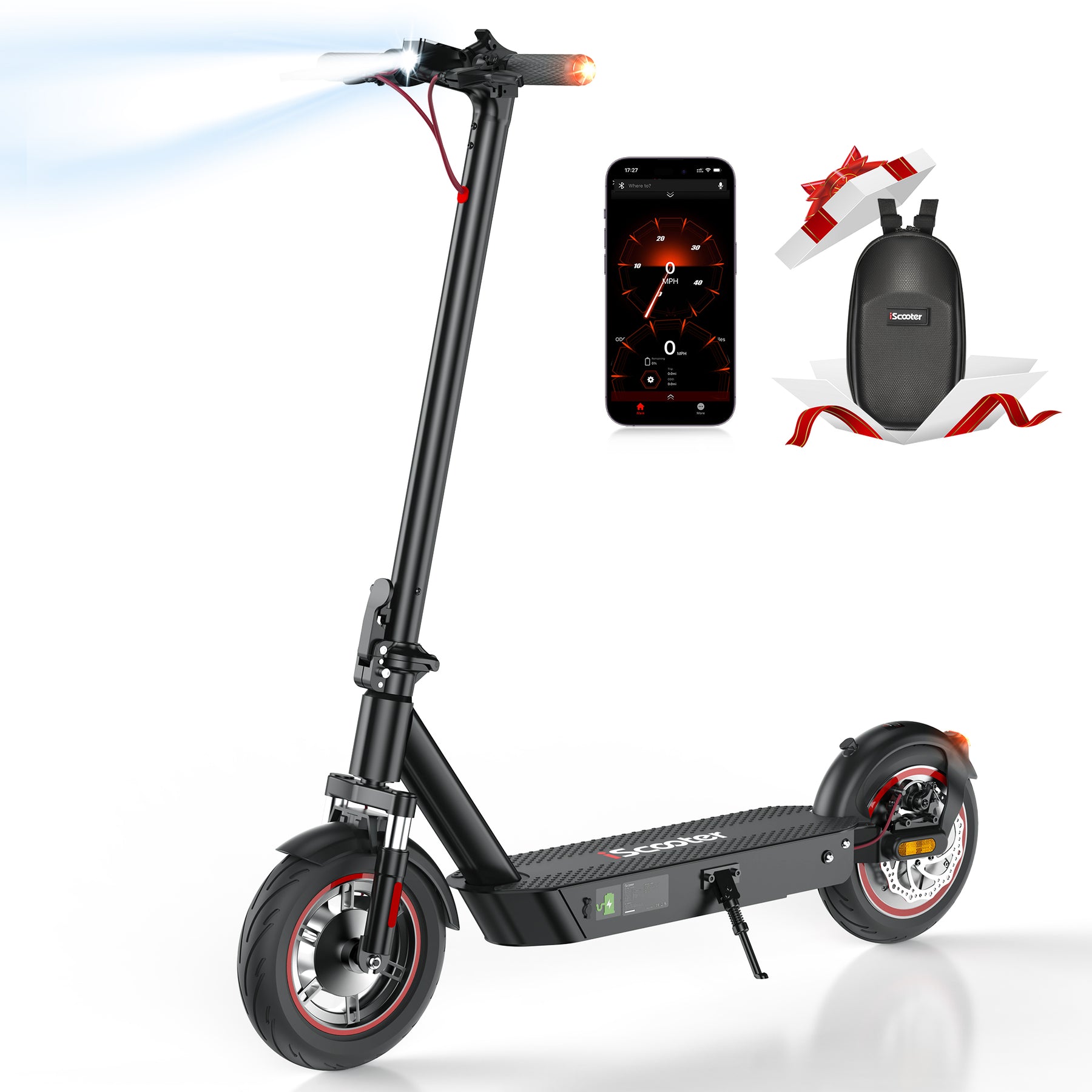
How to Choose an Affordable Electric Scooter That Lasts
Step 1: Set realistic commuting requirements
Start with the route, not the spec sheet. Write down what your electric scooter must handle every week.
- Map your round-trip distance in miles or km, plus a buffer for detours.
- Note any hills, because climbing demands more sustained motor power.
- List your main surfaces: smooth tarmac, cracked pavement, bricks, or gravel.
- Decide where you will store it: hallway, office corner, car boot, or a train.
If your route is long or steep, a stronger commuter scooter can make daily riding easier. For example, the iScooter i10Plus is listed with a 31 mile (50 km) max range, a 20% climbing angle, dual front and rear suspension, and an IP54 water resistance rating. Those details matter because they align with repeat use on mixed city streets, not just short flat rides.
Shop: iScooter i10Plus 800W Electric Scooter
Step 2: Compare battery capacity and safety
Battery capacity decides whether an affordable electric scooter stays convenient after months of real life riding. Do not judge by max range alone. Compare energy (Wh) and charging support.
- Use Wh (watt-hours) to compare batteries across models.
- Plan range with margin. Cold weather, hills, and heavier riders reduce real range.
- Check charger output (A) and charging time for your routine.
Battery safety matters, too, because lithium packs store a lot of energy. The CPSC warns that compliance with applicable safety standards (including UL-related expectations) helps reduce injury and death risks tied to battery-powered products.
Here is a practical way to compare two iScooter commuter scooters using their listed specs:
| Model | Battery (Voltage, Ah) | Energy (Wh) | Charging time | Charger output |
|---|---|---|---|---|
| iScooter i9 (iscooter i9) | 36V, 7.5Ah | 270 Wh | 3 to 5 hours | DC 42V 1.5A |
| iScooter i10Plus | 36V, 17.5Ah | 630 Wh | 7 to 9 hours | DC 42V 2A |
The iScooter i9 uses Lithium-ion battery technology with a 270 Wh pack and a Smart Battery Management System. This is a good fit when you need a lighter, simpler electric kick scooter for shorter daily miles. The i10Plus moves into higher-capacity commuter scooter territory with 630 Wh, which can reduce how often you must top up during the week.
Shop: iScooter i9 Electric Scooter for Adults
Step 3: Prioritize tires and suspension for wear
Tires and suspension are durability parts. They protect the scooter, but they also protect you from fatigue and vibration.
First, choose the tire type for your route.
- Pneumatic tires can feel smoother on broken pavement, but they need pressure checks.
- Solid tires cannot go flat, but they can transmit more vibration.
The iScooter i9 lists 8.5-inch honeycomb solid tires. That setup can work well for riders who want fewer maintenance tasks and who ride mostly on paved roads. The trade-off is you should be extra strict about keeping bolts tight because solid tires pass more shock into the frame.
If your route is rough, suspension helps reduce wear on fasteners and electronics. The iScooter i10Plus lists dual front and rear suspension, which can be a big advantage for commuter scooters on cracked streets and curb ramps.
Shop: iScooter i10Plus 800W Electric Scooter
Step 4: Validate braking and lighting essentials
Cheap scooters often cut corners on brakes and visibility. That is a problem because braking consistency affects both safety and component life.
Look for a braking setup that can manage repeat stops.
- Confirm the brake type, and check if the scooter combines electronic braking and mechanical braking.
- Confirm you have a brake light, not only a front headlight.
- Confirm reflectors, because they improve side visibility at night.
The iScooter i9 specs list an E-ABS electronic front brake and a rear mechanical disc brake. It also lists front LED and rear LED lights, plus a flashing red LED brake light. This combination matters for daily commuting because it supports smoother deceleration and clearer signaling to traffic behind you.
Also consider the display. The iScooter i9 lists a full colored dashboard with speed and battery level plus additional indicators. A clear display helps you avoid deep discharges by noticing low battery early, which supports longer battery life over time.
Shop: iScooter i9 Electric Scooter for Adults
Step 5: Check water rating and build materials
A durable electric scooter is built for the weather you actually ride in. Even if you avoid storms, puddles and wet roads still happen.
- Target at least IP54 for wet commutes, because it indicates limited dust ingress and protection against water splashes.
- Check if the frame material resists rust and fatigue.
- Confirm the folding mechanism feels simple and stable, because hinge wear is a common failure point.
Both the iScooter i9 and iScooter i10Plus list IP54 water resistance. The iScooter i9 also lists an aluminum alloy frame material. Aluminum helps reduce rust risk compared with mild steel frames, and it can keep weight manageable for carrying up stairs.
Foldability is not only convenience. Foldable electric scooters that lock firmly tend to stay quieter over time because the folding joint does not develop play. The iScooter i9 lists an easy 2-step folding mechanism, which is a practical feature if you store your electric scooters at work or take them on public transport.
Shop: iScooter i9 Electric Scooter for Adults
Step 6: Confirm support, warranty, and returns
Durability is also about support when something goes wrong. Even the best commuter scooters need parts, firmware help, or maintenance advice.
Before checkout, confirm:
- A clear, time-bound return policy for new, unused products.
- A warranty period that matches the type of riding you do.
- Local or region-ready support, because shipping a scooter back and forth can add downtime.
iScooter positions itself around practical ownership support: free shipping, fast 1 to 3 day delivery in the UK, a 30-day return window for new and unused products, and up to 24 months warranty with after-sales support and a local UK team.
When you compare affordable electric scooters, put these policies beside your spec sheet. A slightly better-supported scooter often lasts longer in real life because you can keep it maintained instead of abandoning it after a minor issue.
Shop: iScooter i10Plus 800W Electric Scooter
Adapting Your Electric Scooter Choice for Different Scenarios
- Rain-heavy routes: Put IP rating and fender coverage near the top of your list. An IP54-rated electric scooter is a safer baseline for wet commutes, but you should still avoid deep puddles and standing water.
- Hilly commutes: Prioritize climbing ability and sustained power. A scooter listed with a higher climbing angle can feel more stable on repeated hills, especially when you carry a backpack.
- Rough roads: Choose suspension plus a tire setup that matches your tolerance for maintenance. Pneumatic tires can smooth harsh pavement, while dual suspension on commuter scooters can reduce vibration damage over time.
- Mixed storage: If you carry your scooter daily, weight and folding speed matter. Foldable electric scooters with a simple, repeatable fold can reduce hinge wear and help you avoid accidental drops.
Before You Start
Required Tools and Materials
These basics help you keep electric scooters reliable, whether you ride a budget electric kick scooter or a higher-power commuter scooter.
- Helmet that fits correctly and stays level on your head.
- Front and rear lights (if your scooter lighting is limited for your route).
- Reflective clothing or a reflective vest for dusk and night rides.
- Tire pump and pressure gauge (especially for pneumatic tires).
- Lock suited to your parking setup.
- Charger and a safe charging spot with airflow.
- Hex keys or a compact multi-tool for routine bolt checks.
- Threadlocker for bolts that repeatedly loosen (use sparingly and follow torque guidance).
Safety considerations
Safety habits are part of making an affordable electric scooter last, because crashes and battery damage often end a scooter early.
- E-scooter injuries have risen sharply in recent years. A JAMA Network Open study reported e-scooter injuries increased from 8,566 to 56,847 in the US from 2017 to 2022, which highlights why helmets and predictable riding matter. JAMA Network
- Charge lithium battery devices in a location that does not block exits. A December 2025 notice tied to updates in the 2024 International Fire Code highlighted requirements around safer storage and charging practices for e-bikes and e-scooters, including unplugging devices when unattended. UNLV
- Do not charge on soft surfaces (beds or sofas) because heat can build.
- Stop using a scooter if the battery case is cracked or swollen, or if you smell a sharp chemical odor.
- Recheck critical bolts after your first week of riding, because new hardware can settle.
Troubleshooting
Use this table to solve common issues before they turn into long-term wear.
| Problem | Cause | Solution |
|---|---|---|
| Range drops fast | Low tire pressure or frequent full-throttle starts | Inflate tires to the sidewall spec, accelerate smoothly for the first 3 to 5 seconds, and avoid repeated deep discharges. |
| Brake squeal or weak stopping | Contaminated rotor or pads not bedded in | Clean rotors with isopropyl alcohol, then bed the pads with 8 to 10 firm stops from moderate speed. |
| Wobble at speed | Loose stem or folding joint hardware | Stop riding, tighten to the correct torque, and recheck after 5 to 10 km. If wobble persists, inspect bearings and the folding latch for play. |
| Harsh ride and rattling | Solid tires plus rough pavement vibration | Tighten fasteners, add threadlocker where appropriate, and reduce speed on broken surfaces to lower impact loads. |
| Charger gets hot or charging is inconsistent | Poor outlet fit or damaged charger cable | Switch outlets, inspect the cable for kinks, and stop charging if the brick smells hot or shows discoloration. |
Conclusion
An affordable e-scooter that actually lasts is not defined by top speed alone. Durability comes from matching battery capacity to your miles, choosing tires and suspension that fit your roads, and confirming brakes and lights are complete.
Next, verify water resistance and frame material, then treat support policies as part of the product. When you do these checks, electric scooters become dependable commuter scooters rather than short-term gadgets.
Official Site: iScooter
Frequently Asked Questions
Are there affordable electric scooters that provide both performance and durability? Yes, but you need to define performance as reliable range, predictable braking, and stable handling, not only speed. Compare battery energy in Wh, brake types, and tire setup before you compare marketing claims. Also check the warranty length and the return policy so you can correct a bad fit early.
How to Choose an Electric Scooter in the UK? Start by mapping your weekly miles, hills, and typical weather, then choose an electric scooter with enough range buffer to avoid daily anxiety charging. Next, prioritize braking and lighting because urban riding includes frequent stops and low-light moments. Finally, confirm service support and realistic water resistance for year-round commuting.
What are the best budget-friendly electric scooters for commuting in the UK? The best budget-friendly option is the one that matches your commute range with safe braking, a stable tire setup, and a frame you can carry and store without strain. Many riders do well with entry commuter scooters for short flat trips, while longer or hillier routes benefit from higher-capacity models. Use a checklist approach so you do not overpay for features you will not use.
What is the average battery life for electric scooters? Most batteries fade gradually over charge cycles, so you should expect some range loss each year depending on how often you charge and how deeply you discharge. Heat, cold storage, and repeated full-throttle riding can speed up battery aging. For longer life, avoid storing the scooter fully drained, and try to charge in a cool, ventilated spot.
What’s the best value-for-money scooter for everyday urban commuting? Look for balance: enough Wh to cover your real round trip with margin, a braking setup you trust in traffic, and a tire style that matches your roads. If you carry the scooter up stairs, weight and a stable folding latch become value features, too. A scooter that feels easy to live with is the one you will keep using.
Which electric scooters offer the best features for the price? Models with a clear spec sheet, solid lighting and brake details, and a support plan tend to be the safest bets in the affordable category. For many commuters, practical features like IP-rated splash resistance, a readable display, and a dependable folding mechanism matter more than peak speed. Choose features that reduce maintenance and keep rides predictable.
iScooter E Scooter Collections:
Electric Scooter | Kids Electric Scooter | Electric Scooter for Adults | Electric Scooter with Seat | Off-Road Electric Scooter | Foldable Electric Scooter | Girls Electric Scooter | 1000W Electric Scooter | 2000W Electric Scooter | Boys Electric Scooter | Dual Motor Electric Scooter | Big Electric Scooter | Electric Scooter with Suspension | Lightweight Electric Scooter | Commuter E-Scooters | 3 Wheel Electric Scooter
Show more ▼iScooter E Bike Collections:
Foldable Electric Bike | Affordable Cheap Electric Bike | Electric Bike for Adults | Electric Motor Bikes | Trek Electric Bike | Fastest Electric Bike | Electric Road Bike | Full Suspension Electric Mountain Bike | Giant Electric Bike | Womens Ladies Electric Bike | Mens Electric Bike | Electric Bike with Throttle | Electric Gravel Bike | Electric Mountain Bike UK | Fat Tyre Electric Bike | Electric Hybrid Bike | Electric Motorised Bike | Electric Push Bike | 1000W Electric Bike | Cool Electric Bikes | Electric Off Road Bike | Pedal Assist Electric Bike | Good Electric Bikes | Small Electric Bike | Trek Electric Mountain Bike | 2000W Electric Bike | Full Suspension Electric Bike | Mini Electric Bike | Road Legal Electric Bike | Step Through Electric Bike
Show more ▼👍 Buying Guide | 🚴♂️ Riding Guide
📋 Feature Guide | ❓ Common problem

Product category
Electric Scooter
Cheap Electric Scooters for Adults | Fastest Electric Scooter | Kids Electric Scooter | Mini Electric Scooter
Electric Bike
U4 Foldable E-bike | EB3S E-MTB
Hoverboards
Electric Scooter for Kids | iK3Pro E-Scooter for Kids | iK7 Height Adjustable Kids E-Scooter









Article tags :
Leave us a message