










3 Affordable Electric Bikes That Lasts for Daily Use: How Does a Beginner Find One?
Introduction
If you are searching for an ebike that can survive daily commuting without draining your budget, you are not alone. Many first-time riders want an electric bike that feels simple on day one, but they still need dependable brakes, stable handling, and a safe Lithium-ion Battery charging routine.
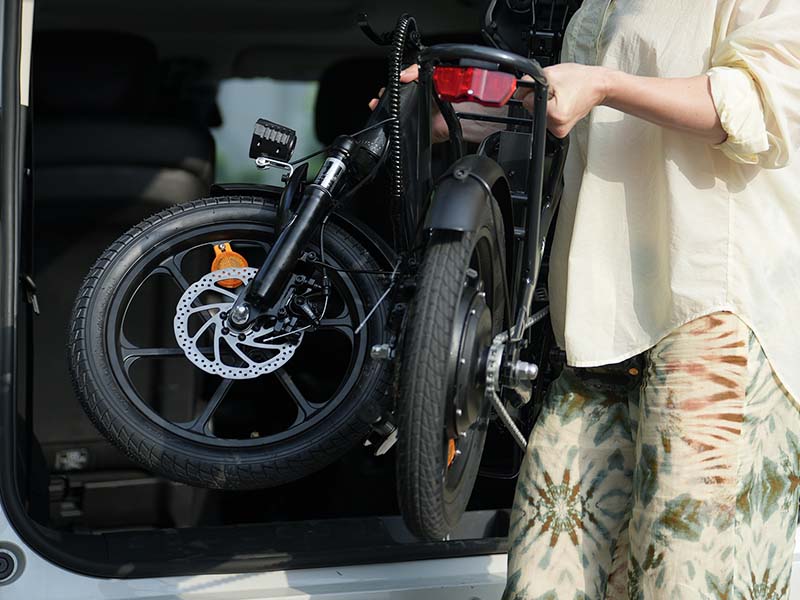
The good news is that beginner-friendly, foldable E-bikes can make daily riding easier because they store well in small homes and reduce theft risk when you can bring the bike inside. That matters even more in 2026, as more riders mix bikes with public transport and short city hops.
Why beginners struggle to buy the right e-bike
Beginners usually do not fail on the bike choice because they picked the wrong color. They fail because the bike does not match real life.
- A low sticker price looks great, but real-world range can disappoint later.
- Riders compare motor watts, but forget comfort and fit for daily use.
- Many people underestimate how much safe charging habits affect battery lifespan.
Also, rules matter. In the UK, an EAPC-compliant e-bike is limited to a 250W continuous rated motor and assistance cut-off at 15.5 mph (25 km/h). According to GOV.UK, these limits are the baseline for a legal, road-going electrically assisted pedal cycle.
3 Picks: Affordable E-Bikes for Daily Use
Best for simple, compact daily rides
1) iScooter Folding Electric Bike - U3 Black
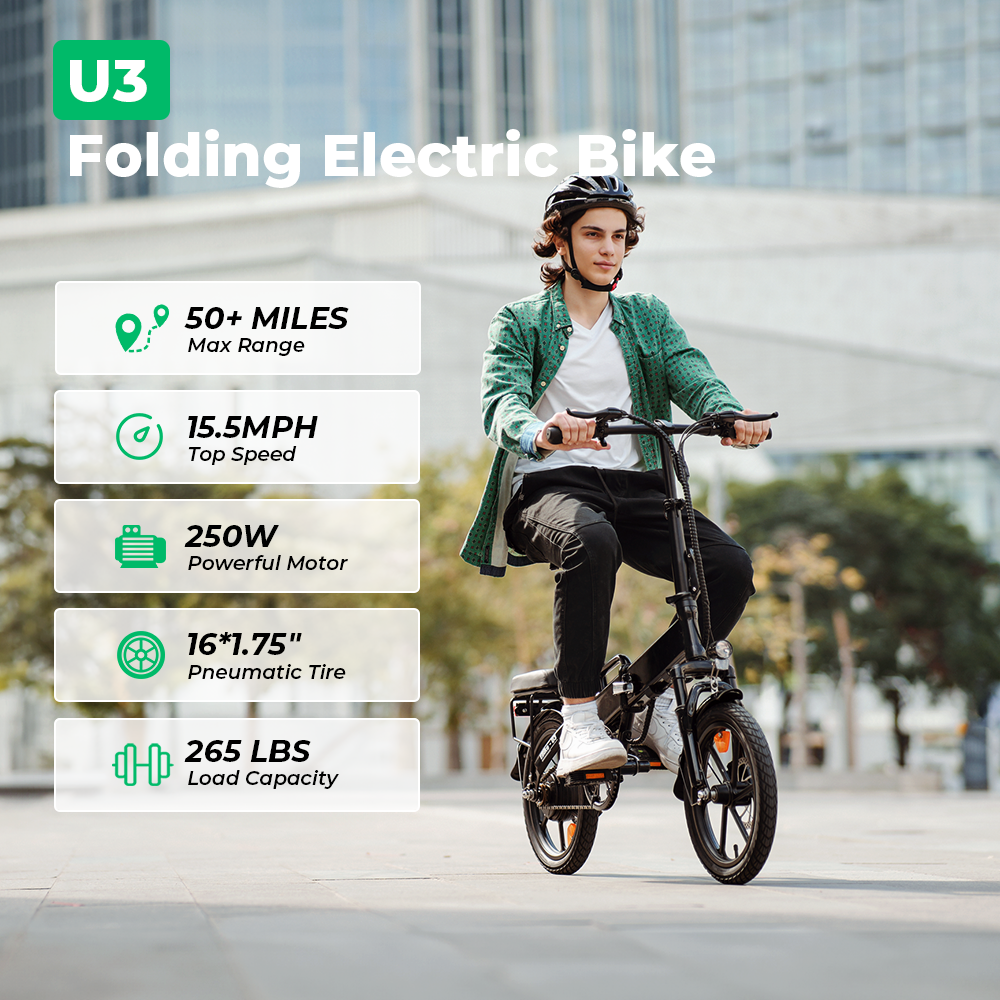
A compact ebike needs to do two things well: fold quickly and ride predictably at commuting speeds. The iScooter U3 is positioned as a practical folding electric bike option for short-to-mid daily routes, especially if you store your bike in a flat hallway or car boot.
- Best for: tight storage, short commutes, mixed errands, and first-time E-bikes riders.
- Tires: 16 x 1.95 in pneumatic tires (a good balance of stability and compactness).
- Battery and charging: 36V battery system and a typical 4 to 5 hour charge window is common in this class.
- Weather readiness: IP-rated components help with light rain commuting routines.
- Braking: front and rear disc brakes for consistent stops in day-to-day traffic.
- Practicality: folding frame reduces storage friction and helps protect the bike from outdoor exposure.
Why it wins: The U3 makes sense when daily use is about repeatability, not extremes. A foldable commuter ebike that you can store indoors often lasts longer in the real world, because it avoids constant weather exposure and reduces theft risk.
Shop: Folding Electric Bike - U3 Black
Best low-cost foldable option for new riders
2) iScooter Foldable Electric Bike 500W - U1 Black

If you want an entry-friendly ebike for daily errands, the U1 is built around simplicity. It is designed for quick hops and beginner confidence, especially for riders who want a compact bike but still want meaningful commuting features.
- Best for: short commutes, campus-style riding, and learning e-bike handling.
- Motor: rated 250W (max 500W), supporting everyday assist and moderate hills.
- Battery: 36V 7.8Ah Lithium-ion Battery (integrated), with an IP65 rating listed for the battery.
- Range: listed at 25 to 40 miles (40 to 65 km), depending on assist and conditions.
- Fast Charging: listed 3 to 4 hours charge time.
- Suspension: rear suspension to soften rough paths and broken pavement.
- Brakes: front and rear disc brakes.
- Weight: about 52.2 lb (23.7 kg), which is typical for a small-wheel folding electric bike.
Why it wins: For a first ebike, consistency matters. The U1 focuses on the basics that keep daily rides realistic: manageable size, predictable assist, and a charging routine that fits into a normal workday.
Shop: U1 Foldable Electric Bike 500W - U1 Black
Best step-up value when you carry more
3) iScooter U4 Low Step Through Foldable Electric Bike
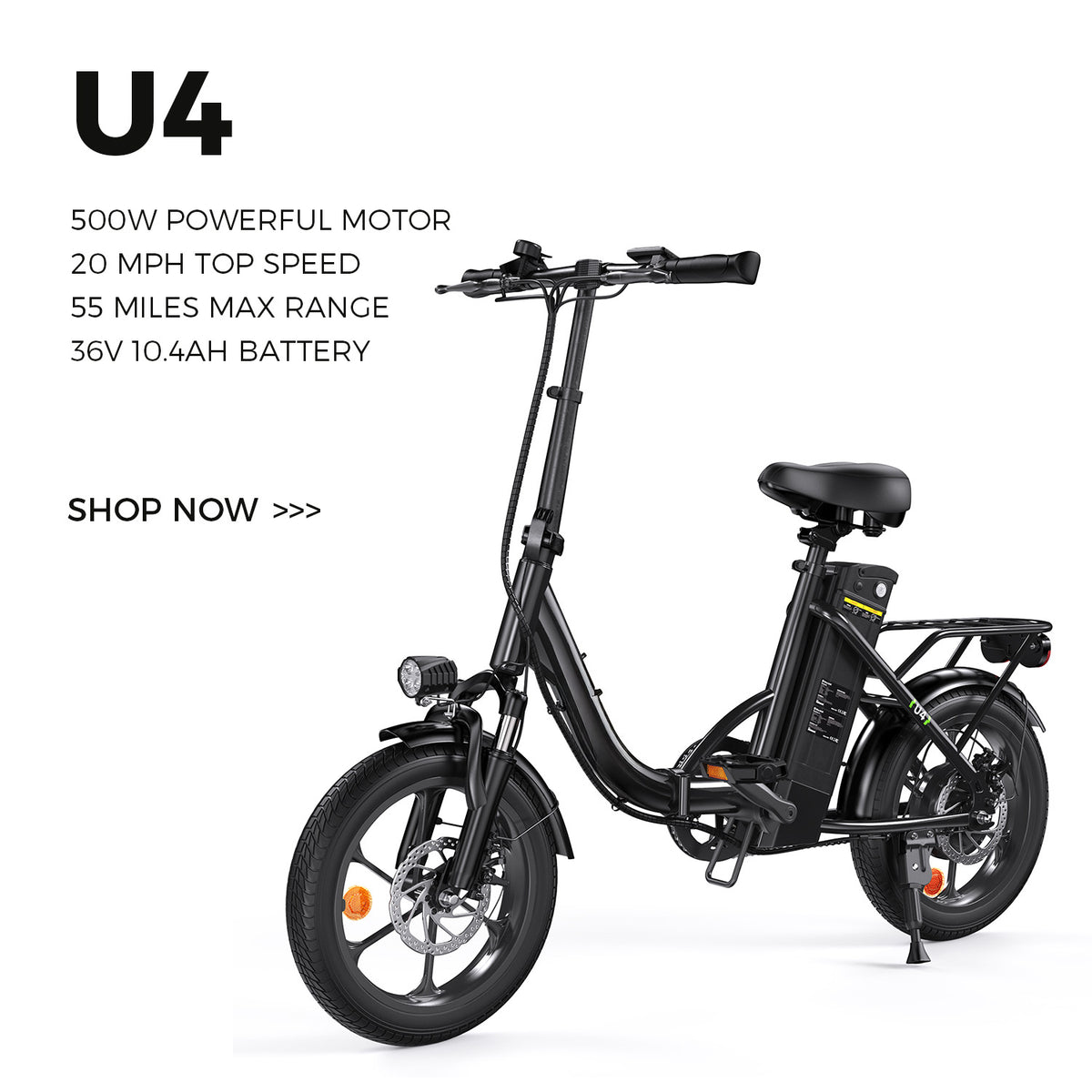
When daily use includes bags, groceries, or a heavier lock, small details decide whether your ebike feels easy or annoying. The iScooter U4 steps up utility with a rear rack and a brake light, which directly supports commuter visibility and carrying needs.
- Best for: daily hauling, commuting with a bag, and riders who prefer easier step-through mounting.
- Motor: rated 250W (max 500W).
- Range: listed 35 to 55 miles (55 to 90 km) depending on conditions.
- Battery: 36V 10.4Ah Lithium-ion Battery.
- Charging time: listed 4 to 5 hours (fits overnight or workday top-ups).
- Suspension: front suspension is listed, plus the page highlights a dual front suspension concept.
- Brakes: front and rear disc brakes.
- Tires: 16 x 2.15 in pneumatic tires for more cushion on rough commuting streets.
- Load and fit: 264 lb (120 kg) max rider weight; adjustable seat post; listed bike weight about 58.42 lb (26.5 kg).
- Compliance notes: certifications listed include CE, UKCA, and UN38.3.
Why it wins: The rear rack and brake light turn the U4 into a more complete daily tool. If you ride at dusk, carry loads, or want an easier on-and-off frame, those features can matter more than chasing a higher top speed.
Shop: U4 Low Step Through Foldable Electric Bike
Buying Guide: How a beginner finds a daily e-bike
What makes an ebike last for daily use?
A daily-use ebike lasts when you treat it like a system: battery, brakes, tires, and habits. The battery is usually the most sensitive part because charging mistakes compound over months.
- Battery care is not optional. Safe charging habits reduce early capacity loss.
- Use the included charger and avoid questionable third-party chargers.
- Do not modify battery or controller wiring, because heat and poor connections raise risk.
Fire risk is not theoretical. The UK published statutory guidance after recording almost 200 lithium-ion battery fires linked to e-bikes and e-scooters in 2023. According to GOV.UK, thermal runaway can cascade through cells and cause fast-spreading fires.
Key factors to check before you buy
If you want a daily electric bike that feels easy to own, focus on the points below.
- Range: can the ebike cover your commute plus detours with at least 20% buffer?
- Fit and comfort: is the saddle height range realistic for your body, and do you like an upright posture?
- Practicality: do you need folding, a rack, lights, fenders, or a brake light?
- Brakes: disc brakes are a baseline for predictable daily stopping.
- Support: look for a clear return window and warranty, because beginners learn what they need by riding.
Practical tips beginners actually use
A daily ebike routine works best when you remove friction.
- Practice starts and stops in a quiet area for 15 minutes before your first commute.
- Do slow tight turns and figure-eights, because low-speed balance is the skill you use at junctions.
- Build a visibility plan: front light plus rear light, then add reflective details.
- Pair Safety Gear with your route. For example, gloves help with grip and reduce hand fatigue.
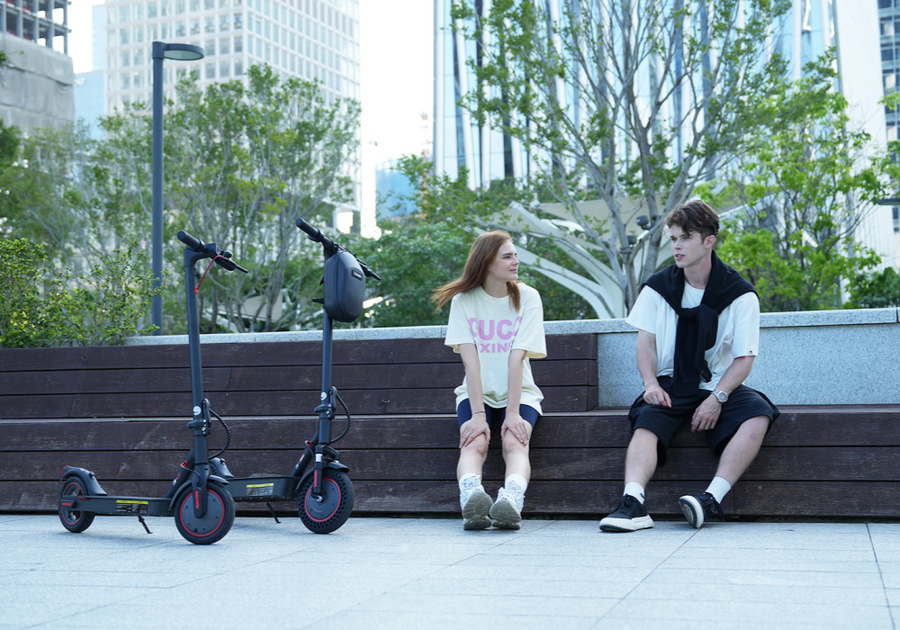
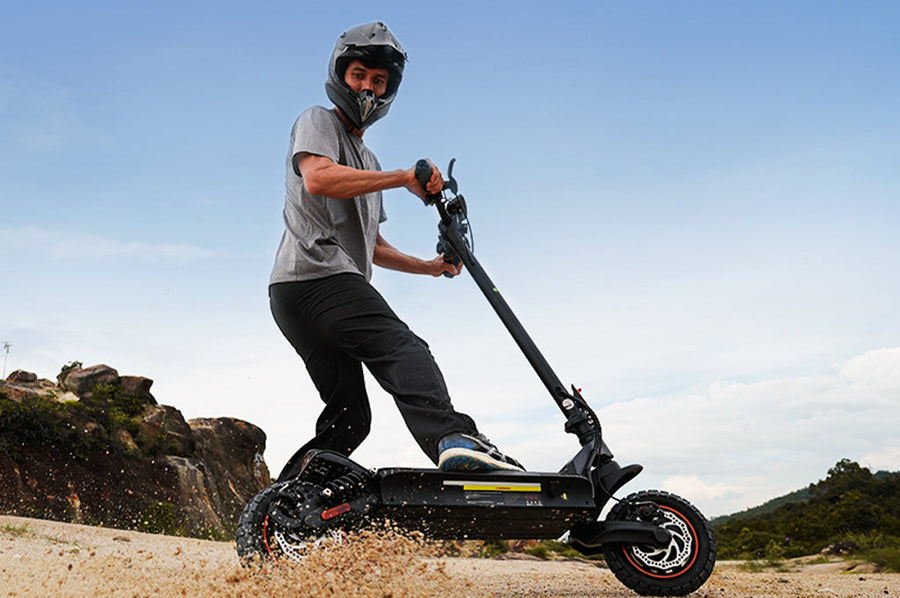
If you are also shopping for electric scooters (including a commuter model like the iscooter i9) or even an off-road electric scooter for fun weekends, keep the same logic: daily reliability comes from brakes, tires, lighting, and safe charging, not just speed.
Common mistakes that shorten ebike lifespan
Most early failures come from habits, not the frame.
- Leaving a Lithium-ion Battery charging unattended for long periods.
- Storing the bike in damp outdoor conditions every night.
- Under-inflating pneumatic tires, which increases rolling resistance and stress on the motor.
- Buying for speed, then discovering the posture is uncomfortable for daily riding.
Comparison Table
Side-by-side: quick shortlist view
| Pick | Best for | Battery and charging | Notable daily-use details | Trade-offs |
|---|---|---|---|---|
| iScooter U3 Black | Compact daily folding | 36V system; typical 4-5 hour class charging | 16 in tires; disc brakes; foldable storage | Smaller wheels can feel harsher on potholes than full-size bikes |
| iScooter U1 Black | Lowest-friction beginner pick | 36V 7.8Ah; listed 3-4 hour Fast Charging | Rear suspension; 25-40 mi listed range; disc brakes | Shorter-range battery than larger commuter frames; small wheels demand careful line choice on rough roads |
| iScooter U4 E-Bike | Carrying more day-to-day | 36V 10.4Ah; listed 4-5 hour charging | Rear rack with brake light; 16 x 2.15 in tires; CE/UKCA/UN38.3 listed | Heavier to carry upstairs; the utility features add bulk compared with minimalist folders |
Conclusion
The fastest way to choose your 3
If you want the simplest entry into an ebike routine, start with storage and daily carrying needs.
- Choose the U1 when you want a straightforward, beginner-friendly foldable electric bike with quick charging.
- Choose the U3 when compact daily folding is the top priority.
- Choose the U4 when you carry more and value a rear rack plus better visibility features.
Official Site: iScooter
FAQ
Can I find a good-quality electric bike that won not break the bank?
Yes, but you should define your daily distance and storage constraints first, because those decide whether you will ride consistently. A budget ebike becomes a poor deal if it is uncomfortable or inconvenient to store, so folding and weight can matter as much as range. You should also check for disc brakes and real lighting, because these features affect daily safety. Finally, choose a seller with a return window and warranty so you can confirm fit in real riding.
Can I find an electric bike with good battery life at an affordable price?
Yes, but you must match expectations to your route. Hills, cold weather, rider weight, and higher assist levels can reduce real-world range, so a listed maximum range is not a guarantee. You should aim for at least 20% buffer beyond your normal round trip so you are not charging from empty every day. Consistent charging habits also help battery life, especially if you avoid leaving the pack plugged in for long unattended periods.
How do I choose an electric bike with the best battery for commuting?
You should focus on consistency instead of chasing the largest claim. A battery that covers your round trip with margin is better than a bigger battery you do not charge safely or store properly. You should also check charge time, because a shorter charging window is easier to maintain during busy weeks. Finally, keep the system stock: using the correct charger and avoiding modifications reduces long-term battery stress.
How do I find an affordable ebike that lasts for daily use?
You should pick the bike that fits your body and storage reality, because those factors decide how often you ride and how well the bike is protected. Daily utility items like fenders, a rear rack, and a brake light reduce DIY add-ons that often fail over time. You should keep tires properly inflated and brakes adjusted, because drag and poor stopping increase stress on the whole system. Most importantly, protect the Lithium-ion Battery by charging in a clear, ventilated area and monitoring for unusual heat.
How much should I expect to spend on a reliable commuter electric bike?
You should budget for the bike plus the basics that make daily commuting workable. A solid lock, lights if they are not integrated, and simple maintenance items can be part of the real cost of ownership. Ultra-cheap options can lead to more downtime if parts support is limited, which matters if you commute daily. A return window helps beginners validate comfort and handling quickly without being stuck.
What is the most comfortable electric bike for long commutes for adults?
Comfort depends on fit, posture, and how rough your route is, not only on suspension. An upright position can reduce wrist and back strain, but you still need correct saddle height and handlebar reach. For 30 to 60 minute rides, tire volume and pressure can matter as much as suspension, because they smooth small vibrations all day. If possible, choose a bike that lets you adjust seat height and bar position so you can fine-tune comfort over the first two weeks.
Can I use an off-road electric scooter instead of an ebike for commuting?
Sometimes, but you should decide based on your route and storage. An off-road electric scooter often prioritizes wider tires and stronger suspension, which can help on poor surfaces, but it may be bulkier and harder to store at work. Many commuters prefer an ebike because pedaling helps extend range and reduces battery dependency. If you choose a scooter, you should still prioritize disc brakes, lighting, and a safe charging routine, plus always wear Safety Gear.
Table of Contents
- Introduction
- Why beginners struggle to buy the right e-bike
- 3 Picks: Affordable E-Bikes for Daily Use
- Best for simple, compact daily rides
- Best low-cost foldable option for new riders
- Best step-up value when you carry more
- Buying Guide: How a beginner finds a daily e-bike
- What makes an ebike last for daily use?
- Key factors to check before you buy
- Practical tips beginners actually use
- Common mistakes that shorten ebike lifespan
- Comparison Table
- Conclusion
- The fastest way to choose your 3
- FAQ
- Can I find a good-quality electric bike that won not break the bank?
- Can I find an electric bike with good battery life at an affordable price?
- How do I choose an electric bike with the best battery for commuting?
- How do I find an affordable ebike that lasts for daily use?
- How much should I expect to spend on a reliable commuter electric bike?
- What is the most comfortable electric bike for long commutes for adults?
- Can I use an off-road electric scooter instead of an ebike for commuting?
iScooter E Scooter Collections:
Electric Scooter | Kids Electric Scooter | Electric Scooter for Adults | Electric Scooter with Seat | Off-Road Electric Scooter | Foldable Electric Scooter | Girls Electric Scooter | 1000W Electric Scooter | 2000W Electric Scooter | Boys Electric Scooter | Dual Motor Electric Scooter | Big Electric Scooter | Electric Scooter with Suspension | Lightweight Electric Scooter | Commuter E-Scooters | 3 Wheel Electric Scooter
Show more ▼iScooter E Bike Collections:
Foldable Electric Bike | Affordable Cheap Electric Bike | Electric Bike for Adults | Electric Motor Bikes | Trek Electric Bike | Fastest Electric Bike | Electric Road Bike | Full Suspension Electric Mountain Bike | Giant Electric Bike | Womens Ladies Electric Bike | Mens Electric Bike | Electric Bike with Throttle | Electric Gravel Bike | Electric Mountain Bike UK | Fat Tyre Electric Bike | Electric Hybrid Bike | Electric Motorised Bike | Electric Push Bike | 1000W Electric Bike | Cool Electric Bikes | Electric Off Road Bike | Pedal Assist Electric Bike | Good Electric Bikes | Small Electric Bike | Trek Electric Mountain Bike | 2000W Electric Bike | Full Suspension Electric Bike | Mini Electric Bike | Road Legal Electric Bike | Step Through Electric Bike
Show more ▼👍 Buying Guide | 🚴♂️ Riding Guide
📋 Feature Guide | ❓ Common problem

Product category
Electric Scooter
Cheap Electric Scooters for Adults | Fastest Electric Scooter | Kids Electric Scooter | Mini Electric Scooter
Electric Bike
U4 Foldable E-bike | EB3S E-MTB
Hoverboards
Electric Scooter for Kids | iK3Pro E-Scooter for Kids | iK7 Height Adjustable Kids E-Scooter







Article tags :
Leave us a message