










E Scooter Parking Made Easy: What Riders Need to Know
As electric scooters continue to transform urban commuting, one challenge remains surprisingly common: knowing exactly where and how to park them. Proper e scooter parking isn’t just about convenience—it’s essential for keeping streets safe, avoiding fines, and respecting shared public spaces.
Whether you ride a personal e-scooter or use shared rental models, understanding the rules and best practices will help you park confidently, responsibly, and hassle-free. In this guide, you’ll learn the simple steps every rider should follow to ensure smooth, compliant, and considerate parking in any city.
Why Proper E Scooter Parking Is Important
Proper e scooter parking is essential for keeping streets safe, accessible, and compliant with local regulations. Riders are expected to use designated parking bays or marked areas—clearly shown in scooter apps or indicated directly on sidewalks—to ensure scooters don’t obstruct pedestrians, cyclists, or road traffic. Parking outside these zones can result in fines, temporary bans from rental platforms, or additional usage fees.
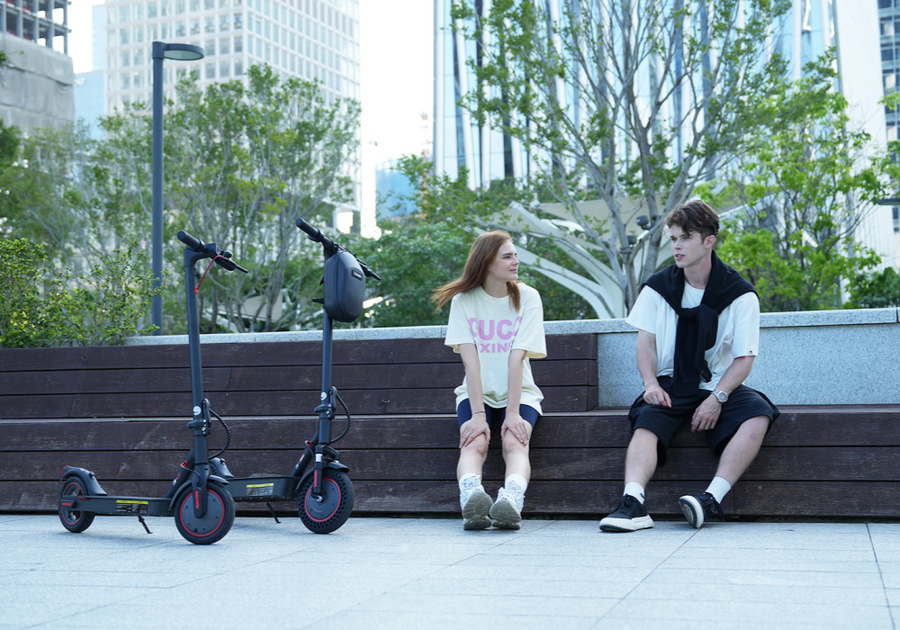
For personal e-scooters, responsible parking means choosing a secure, non-intrusive spot that doesn’t block walkways or entrances. When leaving your scooter outdoors for longer periods, using a reliable lock helps prevent theft and keeps your scooter safely in place. By following these simple guidelines, riders support cleaner streets, smoother traffic flow, and a more organized micromobility experience for everyone.
E Scooter Parking Rules (General Guidelines)
Clear and considerate e scooter parking helps keep streets organised, accessible, and pleasant for everyone. Whether you use a rental e-scooter or ride your own, following simple parking guidelines ensures a smoother experience for all road and pavement users.
For Rental E-Scooters
Use designated bays
Rental operators provide clearly marked parking bays—often shown directly in the app. These designated spots may be found on the street, within micromobility racks, or inside painted parking zones.
Check the app before ending your ride
Most operators guide users toward approved parking areas. Some locations have specific parking bays, while others allow flexible parking within a defined operational area. Always confirm the nearest spot in the app.
Park responsibly
Stand the scooter upright and ensure it is not blocking pavements, shop entrances, cycle lanes, kerb ramps, or pathways. Good e scooter parking helps maintain safe movement for pedestrians and other travellers.
Report misplaced scooters
If you notice a rental scooter tipped over or placed in an obstructive location, you can report it using the vehicle’s visible ID number. Operators use this information to keep the service tidy and accessible.
For Personal E-Scooters
Park considerately
Choose a place on the pavement where your scooter won’t obstruct others. Keep walkways, doorways, crossings, and access points clear.
Bring it indoors when possible
Many personal e-scooters fold compactly. Carrying your scooter into shops, offices, or other destinations is often the most convenient and secure option.
Use a lock for short stops
If you need to leave your scooter outside briefly, secure it with a lock to prevent theft. Select a spot that does not interfere with foot traffic.
Respect venue-specific guidelines
Workplaces, residential buildings, and commercial areas may have their own preferred parking zones, storage spots, or scooter racks. When available, these are usually the best place to leave your scooter.
General Considerations for E Scooter Parking
Designated e scooter parking areas help keep urban spaces well-organised and improve overall accessibility. Many cities and communities provide dedicated bays for both e-scooters, sometimes on the street and occasionally on wider pavement areas. Misplaced or tipped-over scooters can be reported to operators so they can reposition them promptly.
Some areas are also repurposing a small number of car parking spaces to create more room for micromobility parking. This supports the growing demand for sustainable travel options and helps reduce clutter on pavements.
How to Park an E Scooter Correctly
Correct e scooter parking is essential for safety, urban accessibility, and theft prevention—whether you ride a personal model or use a rental scooter. The key is simple: always park upright, avoid blocking public pathways, and secure the scooter properly.
For Personal E-Scooters
To protect your scooter and comply with local rules, follow these essential steps:
-
Turn it off completely: Switching off the scooter prevents accidental movement and reduces the risk of tampering.
-
Choose a secure location: Select a sturdy, immovable object such as a bike rack or solid metal post. Avoid anything lightweight or easy to disassemble.
-
Lock through the frame: Always pass your lock through a solid part of the frame—like the stem or deck—not the wheels or handlebars, which can be removed by thieves.
-
Tighten and test the lock: Ensure the lock fits snugly with minimal space for tools. Give the scooter a gentle shake to confirm stability.
-
Park upright and out of the way: Use the kickstand and place the scooter parallel to a wall or edge so it doesn’t obstruct footpaths, ramps, or entrances.
For Rental E-Scooters
Shared scooters come with stricter rules, and following them helps keep city streets organized:
-
Use designated parking bays: Always park inside the marked area shown in the app or painted on the ground. These zones keep scooters neatly grouped and compliant.
-
Keep pathways clear: Never leave a rental scooter blocking sidewalks, doorways, bike lanes, or driveways.
-
Choose a flat, stable surface: Make sure the scooter stands securely and won’t tip over after you end the ride.
By following these simple best practices, riders ensure cleaner streets, safer pedestrian spaces, and a smoother experience for everyone using micromobility in the city.
Designated E Scooter Parking Areas
To improve convenience for riders and reduce pavement obstruction, the borough has identified 15 key streets for new e scooter parking bays. These locations were selected to support high-traffic areas, connect with public transport, and provide evenly distributed parking across neighbourhoods. Each point is clearly shown on the borough map with a pin drop, giving an at-a-glance view of the full network of proposed bays.
Footway, Carriageway, and Median Strip Placements
Every proposed bay is shown in the images with a white rectangle, allowing riders to see the exact positioning on the street—whether on the footway, directly on the carriageway, or along central median strips. This ensures a consistent understanding of how each bay would integrate into the surrounding area.
Detailed List of Proposed Bay Locations
Below is a breakdown of where each designated bay is planned:
-
Barlby Road – Footway, kerbside, outside No. 77
-
Brompton Road – Carriageway outside 250–262
-
Dovehouse Street – Carriageway opposite Nos. 105–107
-
Hansard Mews – Beside the cycle hire station at the northern end
-
Holland Gardens – Carriageway outside the flank wall of 36 Russell Road
-
Holland Park Avenue – Rear of the footway, south of Royal Crescent Gardens
-
Kensington High Street (East Median Strip) – Central strip east of Abingdon Road
-
Kensington High Street (West Median Strip) – Central strip west of Campden Hill Road
-
Manresa Road – Conversion of 4 metres of single yellow line outside 1b
-
Notting Hill Gate & Pembridge Gardens – Junction area, west of the Underground station exit
-
Notting Hill Gate (East of Campden Hill Road) – Northern footway, kerbside, outside No. 134
-
Oxford Gardens – Carriageway outside the flank wall of 309 Portobello Road
-
Penywern Road – Carriageway outside the flank wall of 28 Warwick Road
-
Petyward – Carriageway outside the flank wall of 73 Sloane Avenue
-
Queen’s Gate – Proposed location indicated on the borough map
Common Parking Mistakes to Avoid
Avoiding the most frequent e scooter parking mistakes not only keeps streets safer and more organized—it also protects your scooter from damage, theft, and unnecessary wear. Here’s what to watch out for:
1. Obstruction & Safety Issues
-
Blocking pathways: Never park in a way that obstructs sidewalks, building entrances, ramps, bike lanes, or emergency exits. Clear paths ensure safety and accessibility for everyone.
-
Leaving the scooter on its side: A fallen scooter becomes a tripping hazard and can prevent the next rider from using it. Always stand it upright.
-
Not using the kickstand: Engage the kickstand every time to keep the scooter stable and prevent tipping.
-
Parking in restricted zones: Only park in approved or designated e-scooter parking areas to avoid penalties and ensure compliance with local regulations.
2. Security & Theft Prevention
-
Failing to lock the scooter: Even a quick stop can lead to theft. Always use a reliable lock.
-
Choosing unsafe locations: Avoid dark, hidden, or low-visibility areas—thieves target scooters left out of sight.
-
Using weak or cheap locks: Opt for high-security options like U-locks or heavy-duty chains for better protection.
-
Incorrect locking technique: Secure the scooter’s main frame or stem to a solid, immovable object (e.g., a bike rack). Locking only the wheel or handlebar makes theft much easier.
-
Leaving accessories behind: Remove helmets, lights, phone mounts, and other valuables to prevent opportunistic theft.
3. Maintenance & Longevity Risks
-
Exposure to the elements: Leaving your e-scooter in heavy rain, snow, extreme heat, or direct sunlight can damage electronics and shorten its lifespan.
-
Storing with a dead battery: A fully drained battery can degrade faster. Keep the battery partially charged during storage.
-
Skipping basic cleaning: Dirt, dust, and debris can harm critical components. Regular cleaning helps maintain performance and durability.
A little attention to parking goes a long way—protecting your scooter, preventing fines, and keeping urban spaces safe and accessible for everyone.
Conclusion
Mastering proper e scooter parking is essential for anyone who wants a safer, more convenient, and more respectful riding experience. As cities continue to expand their micromobility infrastructure, responsible e scooter parking plays a key role in building smoother, more sustainable travel for everyone. With a few mindful habits, you can enjoy every ride—and leave the streets a little better for the next rider.
iScooter E Scooter Collections:
Electric Scooter | Kids Electric Scooter | Electric Scooter for Adults | Electric Scooter with Seat | Off-Road Electric Scooter | Foldable Electric Scooter | Girls Electric Scooter | 1000W Electric Scooter | 2000W Electric Scooter | Boys Electric Scooter | Dual Motor Electric Scooter | Big Electric Scooter | Electric Scooter with Suspension | Lightweight Electric Scooter | Commuter E-Scooters | 3 Wheel Electric Scooter
Show more ▼iScooter E Bike Collections:
Foldable Electric Bike | Affordable Cheap Electric Bike | Electric Bike for Adults | Electric Motor Bikes | Trek Electric Bike | Fastest Electric Bike | Electric Road Bike | Full Suspension Electric Mountain Bike | Giant Electric Bike | Womens Ladies Electric Bike | Mens Electric Bike | Electric Bike with Throttle | Electric Gravel Bike | Electric Mountain Bike UK | Fat Tyre Electric Bike | Electric Hybrid Bike | Electric Motorised Bike | Electric Push Bike | 1000W Electric Bike | Cool Electric Bikes | Electric Off Road Bike | Pedal Assist Electric Bike | Good Electric Bikes | Small Electric Bike | Trek Electric Mountain Bike | 2000W Electric Bike | Full Suspension Electric Bike | Mini Electric Bike | Road Legal Electric Bike | Step Through Electric Bike
Show more ▼👍 Buying Guide | 🚴♂️ Riding Guide
📋 Feature Guide | ❓ Common problem

Product category
Electric Scooter
Cheap Electric Scooters for Adults | Fastest Electric Scooter | Kids Electric Scooter | Mini Electric Scooter
Electric Bike
U4 Foldable E-bike | EB3S E-MTB
Hoverboards
Electric Scooter for Kids | iK3Pro E-Scooter for Kids | iK7 Height Adjustable Kids E-Scooter







Article tags :
Leave us a message