










Electric Bike Laws UK 2026: What's Legal, What's Not, and What Riders Get Wrong
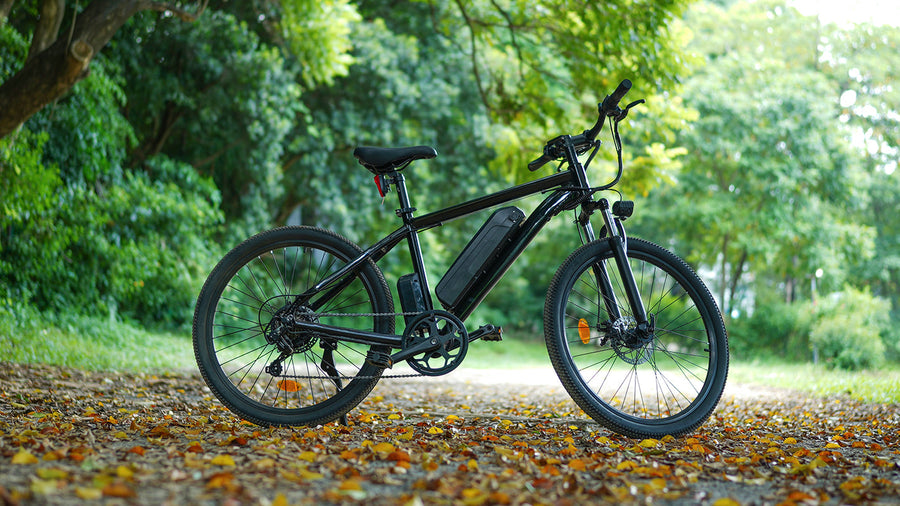
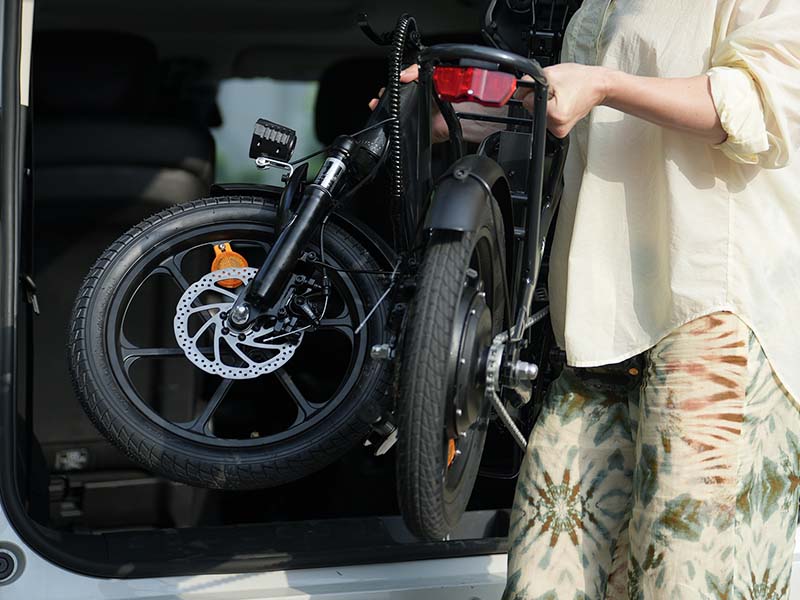
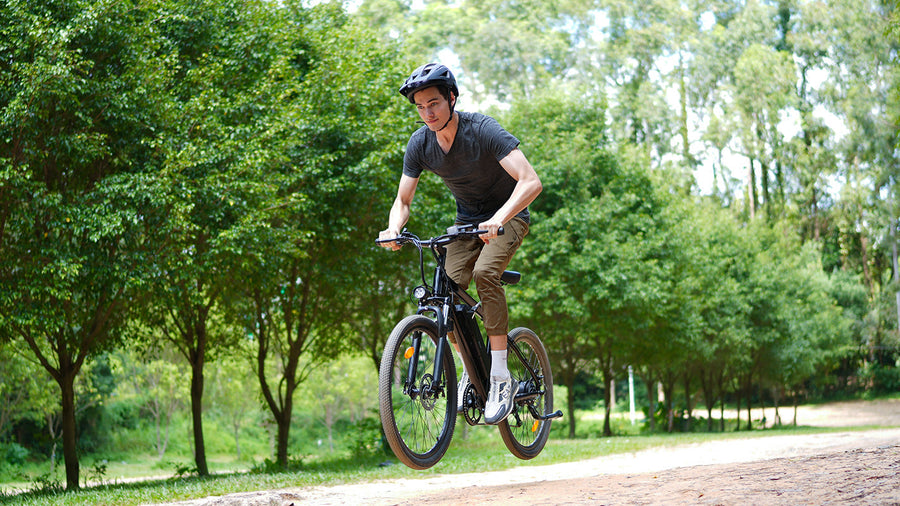
If you're thinking about buying an electric mountain bike in the UK, understanding the law is just as important as choosing the right spec. The rules around e-bikes in Britain are fairly straightforward but a surprising number of riders get them wrong, either by assuming e-bikes are completely unrestricted or by being more cautious than they need to be. This guide cuts through the confusion. Whether you're commuting on a hybrid, taking an e mountain bike UK trail on the weekends, or just wondering if electric bikes are legal on UK roads, here's everything you need to know in 2026. In the UK, electric bikes are treated very differently from electric scooters. While e-scooters are still banned from public roads and pavements unless ridden in a government-authorised trial zone, e-bikes are perfectly legal to ride on public roads, cycle lanes, and most paths as long as they meet specific criteria. The legal framework is built around a category called EAPC: Electrically Assisted Pedal Cycles. If your bike qualifies as an EAPC, you can ride it without a licence, without insurance, and without registration. That's a big deal, and it's why so many riders in the UK are choosing e-bikes over other forms of electric transport. To be classed as a legal EAPC under UK law, an electric mountain bike for adults (or any e-bike) must meet all three of the following conditions: 1. Motor power: The motor must have a maximum continuous power output of 250W or less. 2. Speed cut-off: The electric motor must stop assisting the rider once the bike reaches 15.5 mph (25 km/h). Above that speed, you're pedalling under your own power. 3. Pedal assist only (for most bikes): The motor must only activate when you're pedalling. Bikes with a throttle that provides power without pedalling are classified differently if the throttle works at speeds above 3.7 mph (6 km/h), the bike falls outside EAPC rules and requires registration, insurance, and a licence. 4. There's one more thing: the rider must be at least 14 years old to ride an EAPC on public roads. If your e-bike meets all of the above, the electric bike speed limit UK law doesn't cap how fast you can physically ride it; it just means the motor won't help you past 15.5 mph. You can still freewheel or pedal faster downhill. One of the most common questions for people looking to buy an electric mountain bike in the UK is where they're actually allowed to ride it. Here's a clear breakdown: One area of confusion: national parks don't automatically ban e-bikes. As long as you stick to designated cycling trails and bridleways, riding an electric bike on road UK or off-road is fine. For a fully compliant EAPC, the answer is refreshingly simple: This is one of the key reasons e-bikes are legal in the UK in a way e-scooters currently are not. The EAPC framework was designed to encourage active travel, so the government kept the barriers to entry low. If you're shopping for e mountain bikes UK that are road-legal from day one, iScooter's range is designed with UK compliance in mind. Take the iScooter M50 electric mountain bike as an example. It features a 250W continuous output motor delivering enough torque for hills and trail riding while staying within the EAPC power limit. The pedal-assist system cuts off at 15.5 mph, aligning exactly with the UK legal speed threshold, and the bike uses a standard pedal-assist setup rather than an unrestricted throttle. The M50 comes with dual suspension, 27.5-inch all-terrain tyres, and a range of over 55 miles on a single charge making it genuinely useful for both daily commuting and weekend trail rides. With a 2-year warranty and free UK shipping, it's one of the more complete packages on the market for adults looking to ride legally without compromise. For those who want something lighter and more fold-friendly for urban commuting, the iScooter electric bikes collection also includes the U1 and U4 foldable e-bikes, both built to EAPC standards. Even experienced cyclists get this wrong sometimes. Here are the most common misconceptions: Not necessarily. The 250W limit applies to continuous output. If your bike's motor operates at 250W continuously and only peaks at 500W momentarily (under heavy load), it can still qualify as an EAPC. Check the spec sheet carefully. Only up to 3.7 mph (6 km/h) without pedalling, sometimes called "walk assist." Using a throttle to travel at speed without pedalling puts the bike outside EAPC rules entirely. As covered above, bridleways and designated trail centres are generally fine. What's off-limits is public footpaths. Technically true, but worth being careful about in shared spaces. The Highway Code still applies to cyclists, and riding dangerously fast on a shared path can land you with a fixed penalty notice. Unfortunately not. Some e-bikes sold online particularly from international marketplaces may exceed the 250W continuous output or have unrestricted throttles. If you buy an electric mountain bike in the UK, check it's genuinely EAPC-compliant before taking it on the road. The UK's EAPC framework makes e-bikes one of the most accessible forms of electric transport available. No licence, no plates, no road tax, just a bike that makes every ride a little easier. The rules are clear, and as long as your bike hits the 250W continuous output and 15.5 mph cut-off thresholds, you're good to ride. Whether you're commuting through the city or exploring trails on an electric mountain bike in the UK, the most important thing is knowing exactly what you're riding. A bike that's built to comply with the law from the factory takes all the guesswork out of it. If you're in the market for an EAPC-compliant electric mountain bike for adults, iScooter's range offers solid options at multiple price points with the specs to prove legal compliance and the performance to justify the investment. Browse the full range at iScooter's electric bikes collection and ride with confidence. No. As long as your e-bike meets the EAPC criteria 250W continuous motor, 15.5 mph pedal-assist cut-off, and pedal-only assist above 3.7 mph it doesn't require registration, a number plate, road tax, or an MOT. It's treated the same as a conventional bicycle under UK law. If your bike's continuous motor output exceeds 250W, or if it has an unrestricted throttle that works above 3.7 mph, it's classified as a motor vehicle. That means you'll need to register it, insure it, pay road tax, and hold a valid driving licence to ride it on public roads. Riding a non-compliant bike as if it were an EAPC could result in fines and points on your licence. Yes. iScooter's electric mountain bikes, including the M50 electric mountain bike, are built to EAPC standards with a 250W continuous motor output and a 15.5 mph pedal-assist cut-off. This makes them road-legal in the UK without any need for registration, insurance, or a licence. What the UK Law Actually Says About Electric Bikes in 2026
EAPC Rules Explained: The Power, Speed, and Pedal-Assist Limits
Where You Can and Can't Ride an Electric Mountain Bike in the UK
You CAN ride a legal EAPC on:
You CANNOT ride a legal EAPC on:
Do You Need a Licence, Insurance, or Helmet for an E-Bike?
How iScooter's Electric Bikes Are Built to Meet UK EAPC Standards
Common Mistakes UK E-Bike Riders Make About What's Legal
"My bike has a 500W motor, so it's illegal."
"I can use the throttle at any speed."
"E-bikes are only for roads, not trails."
"I can ride as fast as I want because the law only limits motor assist."
"All e-bikes sold in the UK are automatically road-legal."
Riding an E-Bike Legally in the UK Starts with Choosing the Right Model
FAQs
Does a UK electric bike need to be registered or taxed?
What happens if my electric bike exceeds the 250W EAPC limit?
Are iScooter electric mountain bikes road-legal in the UK?
iScooter E Scooter Collections:
Electric Scooter | Kids Electric Scooter | Electric Scooter for Adults | Electric Scooter with Seat | Off-Road Electric Scooter | Foldable Electric Scooter | Girls Electric Scooter | 1000W Electric Scooter | 2000W Electric Scooter | Boys Electric Scooter | Dual Motor Electric Scooter | Big Electric Scooter | Electric Scooter with Suspension | Lightweight Electric Scooter | Commuter E-Scooters | 3 Wheel Electric Scooter
Show more ▼iScooter E Bike Collections:
Foldable Electric Bike | Affordable Cheap Electric Bike | Electric Bike for Adults | Electric Motor Bikes | Trek Electric Bike | Fastest Electric Bike | Electric Road Bike | Full Suspension Electric Mountain Bike | Giant Electric Bike | Womens Ladies Electric Bike | Mens Electric Bike | Electric Bike with Throttle | Electric Gravel Bike | Electric Mountain Bike UK | Fat Tyre Electric Bike | Electric Hybrid Bike | Electric Motorised Bike | Electric Push Bike | 1000W Electric Bike | Cool Electric Bikes | Electric Off Road Bike | Pedal Assist Electric Bike | Good Electric Bikes | Small Electric Bike | Trek Electric Mountain Bike | 2000W Electric Bike | Full Suspension Electric Bike | Mini Electric Bike | Road Legal Electric Bike | Step Through Electric Bike
Show more ▼👍 Buying Guide | 🚴♂️ Riding Guide
📋 Feature Guide | ❓ Common problem

Product category
Electric Scooter
Cheap Electric Scooters for Adults | Fastest Electric Scooter | Kids Electric Scooter | Mini Electric Scooter
Electric Bike
U4 Foldable E-bike | EB3S E-MTB
Hoverboards
Electric Scooter for Kids | iK3Pro E-Scooter for Kids | iK7 Height Adjustable Kids E-Scooter








Article tags : 250W electric bike law · EAPC rules UK · electric bike laws UK 2026 · electric bike speed limit UK · UK electric bike regulations ·
Leave us a message