










Electric Scooter Suspension Explained: Do You Really Need It for UK Roads?
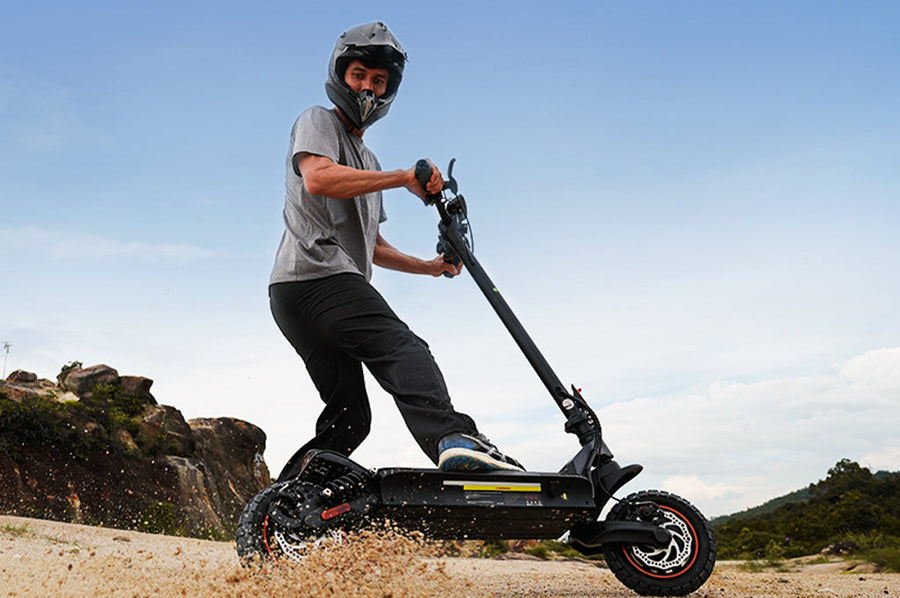
Potholes, patched tarmac, sunken drain covers. Anyone who's ridden across a UK town centre knows the road surface rarely stays smooth for long. That's exactly why so many riders start asking whether an electric scooter with suspension UK conditions demand is worth the extra spend, or whether it's just a spec-sheet feature that sounds good in a product listing. This article breaks down what suspension actually does, when it earns its place on your scooter, and how to tell if your current setup is even working the way it should. By the end, you'll know whether you need front suspension, dual suspension, or nothing at all. Suspension exists to absorb the shock before it reaches your arms, knees, and spine. On a scooter, that usually means a spring, a hydraulic damper, or a rubber shock absorber sitting between the deck (or the fork) and the wheel. When you roll over a bump, the suspension compresses and releases gradually instead of transferring the full jolt straight into the frame. What it doesn't do is replace good tyres. A scooter with premium suspension but hard, narrow tyres will still feel harsh on rough ground, because the tyres are the first line of defence against vibration. The best setups pair suspension with pneumatic (air-filled) tyres, letting the two work together, the tyre soaks up small vibrations, and the suspension handles the bigger hits like kerbs and potholes. It's also worth knowing that suspension adds a small amount of weight and, on cheaper models, a bit of bounce that some riders find unsettling at first. If your commute includes cracked pavement, potholes, cobbles, or rough cycle paths, suspension makes a noticeable difference. Instead of every bump travelling through the handlebars, the ride feels smoother and less tiring. The benefit is smaller on smooth roads, but on typical UK streets, suspension quickly becomes more than a luxury. It also helps on wet or uneven surfaces, where better shock absorption improves comfort and control. If you regularly ride on gravel paths or rough terrain, you'll appreciate it even more. Not all suspension setups are equal, and the difference shows up the moment you hit a bump at speed. Softens impacts felt through the handlebars. Useful for kerbs, potholes, and general steering comfort, but it does little for the rear wheel, which still transmits shock straight up through the deck. Spreads that shock absorption across the whole scooter. This matters more than people expect, because a rear wheel that isn't cushioned can unsettle your balance when you're riding over rough patches at higher speeds, especially with a loaded backpack or a heavier rider on board. For anyone shopping specifically for an off road electric scooter UK trails and gravel paths, dual suspension is close to a requirement rather than a nice-to-have. Single suspension setups are fine for occasional bumps, but they start to feel one-sided once the terrain gets consistently uneven. If comfort on rough UK roads is a priority, it's worth looking at models built specifically around this feature rather than treating suspension as an afterthought. The iX4 off-road electric scooter is a good example. It pairs front and rear suspension with 10-inch pneumatic off-road tyres, an 800W motor, and dual disc brakes, which together make it noticeably steadier on cracked pavement and gravel than a standard commuter scooter. For riders comparing multiple options side by side, iScooter's range of suspension-equipped electric scooters covers everything from lighter front-suspension commuters to heavier-duty dual-suspension builds designed for mixed terrain. If wider, grippier tyres matter more to your riding style than suspension alone, the fat tire electric scooter lineup is worth a look too, since wider tyres add their own layer of shock absorption on top of any suspension system. Anyone still weighing up which model fits their budget and commute distance might also find it useful to skim iScooter's buyers' guide to the best electric scooter models, which compares motor power, range, and comfort features across the current lineup. Not every rider needs suspension, and it would be misleading to suggest otherwise. If your commute is short, mostly flat, and stays on well-maintained cycle lanes or pavements, a scooter without dedicated suspension can still feel comfortable, particularly if it has larger pneumatic tyres that flex slightly to absorb minor bumps. Where non-suspension models struggle is consistency. A five-minute ride to the shops might feel fine, but a longer commute across mixed surfaces: tarmac, cobbles, the odd unmarked pothole, will start to feel tiring in the wrists and lower back after a few weeks. If you're unsure which category you fall into, think about the worst stretch of your regular route rather than the best one. That's usually the deciding factor. Suspension that's too soft for your body weight will bottom out on bigger bumps, while suspension that's too stiff won't compress enough to do its job. Most spring-based systems on scooters like the iX4 allow for some adjustment, so check your scooter's manual for a stiffness dial or preload adjustment before assuming the suspension itself is faulty. Stand on the deck and watch how far the suspension compresses under your static body weight. If it barely moves, it's likely too stiff for you. If it sinks close to its full travel before you've even started riding, it's probably too soft. Heavier riders, or those who regularly carry a backpack or shopping, may need to adjust the preload accordingly, and it's worth revisiting this setup every few months as tyres wear and components settle in. If you're upgrading an older model, browsing iScooter's range of electric scooter accessories can also help. Things like replacement suspension bushings or grip upgrades can extend the life of your existing setup without needing a full scooter replacement. Suspension isn't a gimmick, but it also isn't essential for everyone. If your daily route crosses potholes, kerbs, cobbles, or anything less than freshly laid tarmac, a scooter with proper front and rear suspension will make a real difference to how your body feels at the end of the ride. The honest way to decide is to think about your worst commute, not your best one. If that answer involves rough ground, it's worth exploring iScooter's suspension-equipped models before you commit to a purchase. Not much. Suspension is designed to absorb sharper impacts like potholes and kerbs, so on a well-maintained, flat cycle path there's very little for it to do. You'll likely notice more benefit from good pneumatic tyres on smooth surfaces, with suspension becoming useful again the moment the path turns rougher. Suspension components add some extra weight compared to a rigid frame, since springs, dampers, and additional mounting hardware all add up. It's a reasonable trade-off for comfort on rough terrain, but if portability and a light carry are your priority, it's worth weighing that against how often you'll actually ride on uneven ground. Metal spring suspension, like the setup on models such as the iX4, isn't significantly affected by typical UK winter temperatures. Hydraulic suspension systems can stiffen slightly in colder conditions as the fluid thickens, though this is usually minor. Battery range is generally more affected by cold weather than suspension performance. What electric scooter suspension actually does and what it doesn't
UK roads, potholes, and kerbs: when suspension earns its keep
Front suspension vs dual suspension: the difference you'll feel
Front suspension only
Dual suspension (front and rear)
Which iScooter models come with suspension as standard?
Is a non-suspension iScooter still comfortable on UK city streets?
How to check if your suspension is set up correctly for your weight
Step 1: Check for a stiffness or preload adjustment
Step 2: Do the static weight test
Step 3: Adjust for your weight and re-check over time
Is suspension worth it for your ride?
FAQs
Will suspension make a noticeable difference on flat UK cycle paths?
How does suspension affect the overall weight of the scooter?
What happens to suspension performance in cold UK winter temperatures?
iScooter E Scooter Collections:
Electric Scooter | Kids Electric Scooter | Electric Scooter for Adults | Electric Scooter with Seat | Off-Road Electric Scooter | Foldable Electric Scooter | Girls Electric Scooter | 1000W Electric Scooter | 2000W Electric Scooter | Boys Electric Scooter | Dual Motor Electric Scooter | Big Electric Scooter | Electric Scooter with Suspension | Lightweight Electric Scooter | Commuter E-Scooters | 3 Wheel Electric Scooter
Show more ▼iScooter E Bike Collections:
Foldable Electric Bike | Affordable Cheap Electric Bike | Electric Bike for Adults | Electric Motor Bikes | Trek Electric Bike | Fastest Electric Bike | Electric Road Bike | Full Suspension Electric Mountain Bike | Giant Electric Bike | Womens Ladies Electric Bike | Mens Electric Bike | Electric Bike with Throttle | Electric Gravel Bike | Electric Mountain Bike UK | Fat Tyre Electric Bike | Electric Hybrid Bike | Electric Motorised Bike | Electric Push Bike | 1000W Electric Bike | Cool Electric Bikes | Electric Off Road Bike | Pedal Assist Electric Bike | Good Electric Bikes | Small Electric Bike | Trek Electric Mountain Bike | 2000W Electric Bike | Full Suspension Electric Bike | Mini Electric Bike | Road Legal Electric Bike | Step Through Electric Bike
Show more ▼👍 Buying Guide | 🚴♂️ Riding Guide
📋 Feature Guide | ❓ Common problem

Product category
Electric Scooter
Cheap Electric Scooters for Adults | Fastest Electric Scooter | Kids Electric Scooter | Mini Electric Scooter
Electric Bike
U4 Foldable E-bike | EB3S E-MTB
Hoverboards
Electric Scooter for Kids | iK3Pro E-Scooter for Kids | iK7 Height Adjustable Kids E-Scooter







Article tags : Electric Scooter Buying Guide UK 2026 · electric scooter ride comfort · electric scooter suspension comparison · electric scooter suspension explained · pneumatic tyres vs suspension ·
Leave us a message