










How to Teach a Child to Ride an Electric Scooter Safely: A Parent's Step-by-Step Guide
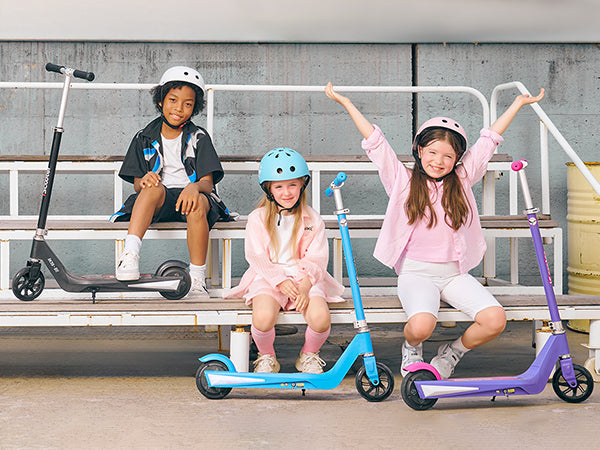
Buying a children's electric scooter UK parents can trust is only half the job. The other half, teaching your child to actually ride it safely is where most families get stuck. Maybe your child hopped straight on and wobbled into a hedge, or maybe the scooter is still sitting in the hallway because nobody's quite sure where to start. This guide walks you through the process step by step: what to check before the first ride, how to build balance and braking skills in the right order, and how to tell when your child is ready to ride without you hovering three feet behind them. Along the way, we'll flag the mistakes that trip up even careful parents. Rushing the setup is the single biggest reason first rides go badly. Before your child's feet touch the deck, run through a quick checklist. A child's electric scooter with handlebars set too high or too low throws off balance immediately. Most kids' models, including adjustable ones, let you set the handlebar height so your child's elbows sit at a slight, comfortable bend, not locked straight, not scrunched up near their chest. A properly fitted helmet is non-negotiable, but knee and elbow pads make a real difference for a child who's still finding their balance. Closed-toe shoes with grip are far safer than sandals or wellies, which can slip off the deck mid-ride. Skip tarmac driveways and busy pavements for the first few sessions. A flat, empty space, a school playground on a weekend, a quiet cul-de-sac, or a park path gives your child room to wobble, stop, and start again without obstacles or traffic to worry about. Here's where most parents go wrong: they hand over the throttle before the child has even learned to stand still and balanced. Fix that order first. Have your child stand on the deck with the scooter switched off, one foot forward, knees soft, looking ahead rather than down at their feet. Let them get a feel for shifting their weight side to side without moving. This sounds almost too simple to matter, but it's the foundation everything else builds on, a child who's shaky standing still will be shakier moving. Once they're steady, try gentle pushing with one foot, scooter power still off, just like a regular kick scooter. This teaches the physical rhythm of riding: push, glide, balance, before speed and throttle response get added into the mix. Only when your child can glide confidently for a few metres should you introduce the lowest power setting. If there's one lesson that gets rushed, it's braking. Parents are understandably excited to see their child zoom off, so speed gets taught first and stopping becomes an afterthought. That's backwards, and it's how minor wobbles turn into real falls. Before your child ever reaches a higher speed setting, they need to know without thinking, how to stop. Practise this on flat ground at walking pace: accelerate gently for a few seconds, then brake. Repeat it until the motion feels automatic rather than something they have to consciously remember mid-ride. Explain what happens if they brake too hard (a sudden stop and possible stumble) versus too gently (rolling further than expected), so they understand the feel of it rather than just the mechanics. Only once braking is second nature should you move on to increasing speed settings and even then, raise them gradually, one level at a time, over several sessions rather than all at once. Even attentive parents fall into a few predictable traps during early lessons. There's no single age that determines readiness. A confident child riding an electric scooter age 5 might handle basic independence sooner than an older but more cautious rider. What matters more is a set of observable signs. Your child is likely ready for more independent riding (in a controlled, low-traffic area, still within sight) when they can: The right junior electric scooter can genuinely make the learning curve gentler. Look for adjustable speed modes, a low top speed for beginners, and a stable, low-set deck that keeps your child's centre of gravity close to the ground. Model Recommended For Key Safety Features Best For K6 Kids Electric Scooter First-time riders Adjustable speed modes, dual shock absorption, foot + electronic brakes Building confidence and learning safely The K6 Kids Electric Scooter is designed to grow with a child's skills. Start with the lowest speed setting, then increase it only once braking and balance become consistent. Its dual shock-absorption system smooths uneven pavement, while the combined foot and electronic brakes let children use whichever braking method feels most natural. If you're weighing up different options for different ages or confidence levels, it's worth browsing the full kids electric scooter range to compare features side by side before deciding. And if you want a broader sense of how scooter needs change as children grow, this piece on choosing the right scooter at every age and stage is a useful next read. Teaching a child to ride an electric scooter safely isn't about one big lesson, it's a handful of small, deliberate steps done in the right order: check the fit and gear, build balance before speed, drill braking until it's automatic, and watch for the real signs of readiness rather than rushing to "independent" riding. If you're just getting started, take a look at iScooter's range of best childrens electric scooter UK options built specifically with young riders' safety and comfort in mind, a well-designed scooter makes every one of these lessons that much easier to teach. Always start on the lowest available speed mode, regardless of your child's age or confidence. Most kids' scooters offer 2–3 speed levels specifically so beginners can master balance and braking at a slow, controllable pace before moving up. Only increase the setting once your child can start, stop, and glide confidently without wobbling. On the K6, press the power button to switch the scooter on, then press it again to cycle through the available speed modes, which are clearly shown on the display panel. Start your child on the lowest mode and only step up once they're comfortable, checking the display each time to confirm which mode is active before they ride off. Yes. The iK1S is designed with complete beginners in mind, with a low-set deck, an adjustable handlebar for growing riders, and a rear foot brake that's simple to learn. It works well as a first powered scooter even for a child with no prior kick-scooter experience, provided the balance-first steps in this guide are followed before switching the motor on. Before You Start: Checking Fit, Gear, and Surface Before the First Ride
Fit matters more than you'd think
Gear isn't optional
Surface choice sets the tone for the whole lesson
Childrens Electric Scooter UK Step 1: Getting Comfortable Standing Still
How to Teach Braking Before Speed: The Lesson Most Parents Skip
Common Mistakes Parents Make Supervising First Rides
When to Know Your Child Is Ready to Ride Independently
Which iScooter Kids' Model Makes Learning Safest and Most Enjoyable?
Helping Your Child Build Safe Riding Habits
FAQs
What is the safest speed setting for a child riding for the first time?
How do I activate and set the speed limiter on the iScooter K6?
Is the iScooter iK1S suitable for a child who has never ridden a kick scooter?
iScooter E Scooter Collections:
Electric Scooter | Kids Electric Scooter | Electric Scooter for Adults | Electric Scooter with Seat | Off-Road Electric Scooter | Foldable Electric Scooter | Girls Electric Scooter | 1000W Electric Scooter | 2000W Electric Scooter | Boys Electric Scooter | Dual Motor Electric Scooter | Big Electric Scooter | Electric Scooter with Suspension | Lightweight Electric Scooter | Commuter E-Scooters | 3 Wheel Electric Scooter
Show more ▼iScooter E Bike Collections:
Foldable Electric Bike | Affordable Cheap Electric Bike | Electric Bike for Adults | Electric Motor Bikes | Trek Electric Bike | Fastest Electric Bike | Electric Road Bike | Full Suspension Electric Mountain Bike | Giant Electric Bike | Womens Ladies Electric Bike | Mens Electric Bike | Electric Bike with Throttle | Electric Gravel Bike | Electric Mountain Bike UK | Fat Tyre Electric Bike | Electric Hybrid Bike | Electric Motorised Bike | Electric Push Bike | 1000W Electric Bike | Cool Electric Bikes | Electric Off Road Bike | Pedal Assist Electric Bike | Good Electric Bikes | Small Electric Bike | Trek Electric Mountain Bike | 2000W Electric Bike | Full Suspension Electric Bike | Mini Electric Bike | Road Legal Electric Bike | Step Through Electric Bike
Show more ▼👍 Buying Guide | 🚴♂️ Riding Guide
📋 Feature Guide | ❓ Common problem

Product category
Electric Scooter
Cheap Electric Scooters for Adults | Fastest Electric Scooter | Kids Electric Scooter | Mini Electric Scooter
Electric Bike
U4 Foldable E-bike | EB3S E-MTB
Hoverboards
Electric Scooter for Kids | iK3Pro E-Scooter for Kids | iK7 Height Adjustable Kids E-Scooter






Article tags : child electric scooter guide · electric scooter safety tips for parents · how to teach a child to ride an electric scooter · kids electric scooter safety · UK kids electric scooter guide ·
Leave us a message