










Which Electric Bike Has the Longest Battery Life? A UK Buyer’s Guide
Introduction
Ever had that moment where your ebike battery drops faster than expected, and you realize your charger is still at home while your commute is only half done? That is the day you learn that battery life is not just a marketing number. If you buy the wrong pack size (or misread the specs), you can end up with range anxiety, more frequent charging, faster wear, and a replacement decision that feels expensive and disruptive.
This guide helps you compare electric bike batteries the way experienced riders do: by focusing on watt-hours (Wh), translating claimed range into your real route, and protecting long-term health with simple habits. You will also see how iScooter models like the U4 (and what you might already know from electric scooters like the iScooter i9) fit into practical UK riding scenarios, including Last-mile Delivery planning, Charging Infrastructure, and Fast Charging realities.
Ebike Battery Life Fundamentals (What Actually Matters)
Battery energy is watt-hours (Wh), not hype
If you want the longest battery life per charge, start with watt-hours (Wh). Wh is simply the battery energy you can spend before the motor stops helping. The clean way to calculate it is:
- Wh = Volts (V) x Amp-hours (Ah)
For example, the iScooter U4 battery is listed as 36V and 10.4Ah, which equals 374.4Wh. On the same comparison table, the U2 is shown at 36V and 13Ah, which equals 468Wh, and the U1 is shown at 280.8Wh. Those numbers matter because they let you compare an ebike to another ebike without getting distracted by vague claims like "up to 60 miles". (iscooterglobal.co.uk)
A quick warning: do not mix ebike and electric scooter battery logic without checking the numbers. A commuter electric scooter like the iscooter i9 is also listed in Wh (270Wh), but scooters and E-bikes have different aerodynamics, tyre choices, riding posture, and typical speeds, so Wh does not translate to miles the same way across categories. (iscooterglobal.co.uk)
The real range drivers: speed, hills, payload, tyres, and stops
Before you chase the biggest battery, decide what forces will drain it in your workflow. Most riders lose range because they unknowingly stack multiple drain factors at once, like high assist plus winter temperatures plus under-inflated tyres.
Key real-world range drivers include:
- Average speed and assist level (higher assist drains faster)
- Hills and repeated accelerations (stop-start city riding costs energy)
- Rider weight and cargo (important for Cargo E-bikes and Last-mile Delivery)
- Tyre type and pressure (rolling losses matter)
- Wind and temperature (cold reduces available capacity)
iScooter even notes these same variables on its performance disclaimers for scooters: terrain, rider weight, wind, temperature, and tyre pressure can all change real range versus test results. The same physics applies to an electric bike. (iscooterglobal.co.uk)
To keep expectations realistic, plan for 20% to 40% variability versus the advertised maximum range unless your route and riding style closely match the test conditions.
UK legality: what "road legal" typically means for an electric bike
Battery life is not useful if the way you ride is not compliant. In the UK, an Electrically Assisted Pedal Cycle (EAPC) generally must have a motor with continuous rated power not more than 250W, and electric assistance must cut off at 15.5 mph (25 km/h). If it does not meet EAPC rules, it can be treated as a motor vehicle. (gov.uk)
This matters for battery life because "unlocking" higher speeds usually increases energy demand. More speed means more aerodynamic drag, and the battery drains faster. So, if your goal is longest battery life, the same settings that support compliance often support range.
Degradation: battery life over years (cycles, storage, and heat)
There are two battery life questions:
- Range per charge (today)
- Capacity retention over time (years)
The second one is where most people get surprised. Heat, deep discharges, storing fully charged for long periods, and cheap or mismatched chargers can accelerate ageing.
UK safety guidance also emphasizes that lithium-ion packs intended for e-bikes should include safety mechanisms like a battery management system (BMS) designed to prevent thermal runaway under normal operation and foreseeable misuse. This is not just about safety; it is also about consistent performance over the battery lifespan. (gov.uk)
In other words, if you want long battery life, you want a pack design that is managed well (BMS), charged sensibly, and kept away from damaging heat.
Module 1: Translate claims into watt-hours (Wh)
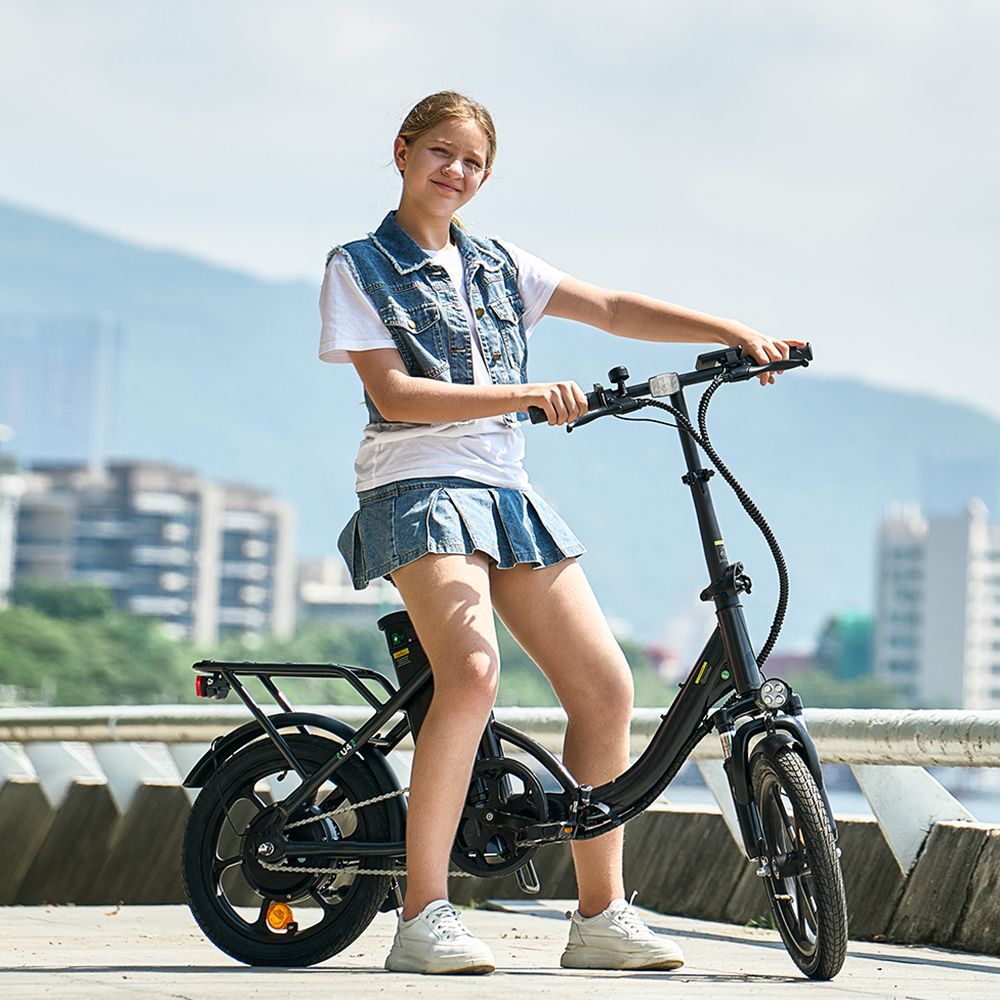
Longest battery life starts with a clean comparison method. The rule is simple: compare Wh first, then evaluate efficiency factors (tyres, weight, geometry) second. If a listing only shows volts and amp-hours, multiply them to get Wh.
Use this quick workflow:
- Step 1: Find battery voltage (V)
- Step 2: Find battery capacity (Ah)
- Step 3: Multiply to get Wh
- Step 4: Compare only similar categories (folding-to-folding, commuter-to-commuter)
On iScooter ebikes, the comparison table makes this easy. It shows U4 at 36V 10.4Ah (374.4Wh), U1 at 280.8Wh, and U2 at 468Wh. If you are purely chasing the biggest battery in that lineup, U2 is the largest by Wh. (iscooterglobal.co.uk)
Where people go wrong is mixing categories and assuming "motor watts" tells you range. Motor rating affects how quickly you can spend energy, but Wh tells you how much energy you have to spend.
Module 2: Predict your real-world range (so you do not overbuy)
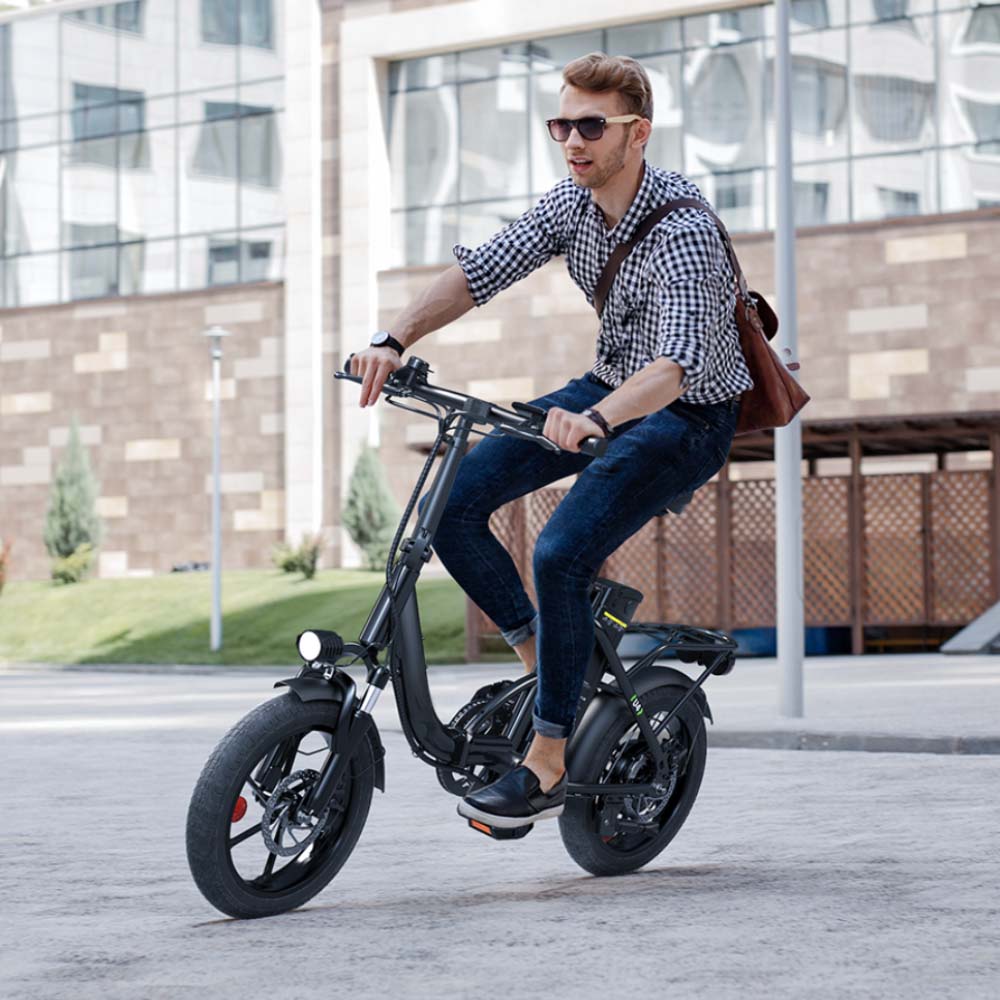
You do not need perfect range prediction. You need a repeatable estimate that prevents bad buys and missed trips. A practical method is to convert Wh into expected miles using typical energy use (Wh per mile), then add a safety buffer.
A 2025 Argonne National Laboratory publication cites a study finding e-bikes use about 7 to 15 Wh per mile for locomotion (baseline energy use). Real-world riding can be higher depending on speed, hills, and payload. (publications.anl.gov)
A simple planning workflow for UK commuting and light errands:
- Step 1: Pick a conservative Wh/mile number
- Flat, gentle assist: ~10 to 12 Wh/mile
- Mixed urban stops and hills: ~12 to 18 Wh/mile
- Heavier loads or high assist: ~18 to 25 Wh/mile
- Step 2: Estimate range = Battery Wh / Wh per mile
- Step 3: Subtract 20% to 40% as a buffer
Example: a 374.4Wh pack (like the U4) at 15 Wh/mile is about 25 miles before buffering. With a 30% buffer, you plan around 17 to 18 miles of dependable range for a day where you want zero drama. That might still cover a typical round-trip commute, but it also tells you quickly when you should move up to a larger Wh bike.
This also connects to Predictive Maintenance: if your usual dependable range suddenly drops 20% on the same route, you have an early warning. The cause might be low tyre pressure, cold weather, brake rub, ageing cells, or a charger issue.
Module 3: Choose batteries for your storage reality (flats, stairs, and charging)
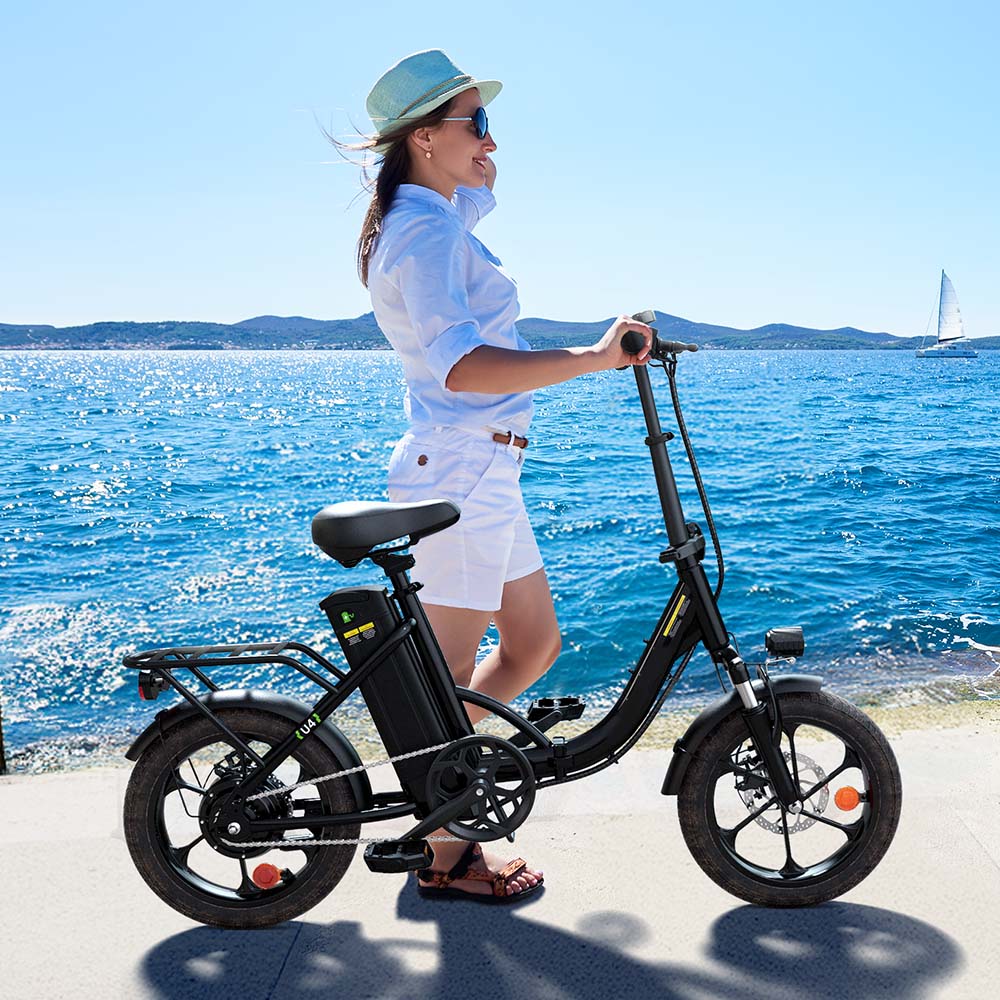
Your living situation often decides what "longest battery life" means. If you live in a flat, the best battery is the one you can charge safely and consistently, without awkward lifting or running extension leads. That is why removable packs are a practical feature, not just a spec sheet bullet.
Here is the decision context that usually matters in the UK:
- Can you bring the whole e-bike inside easily?
- Do you have secure indoor storage that avoids blocking exits?
- Do you have a predictable Charging Infrastructure routine (home, office, or workplace bike storage)?
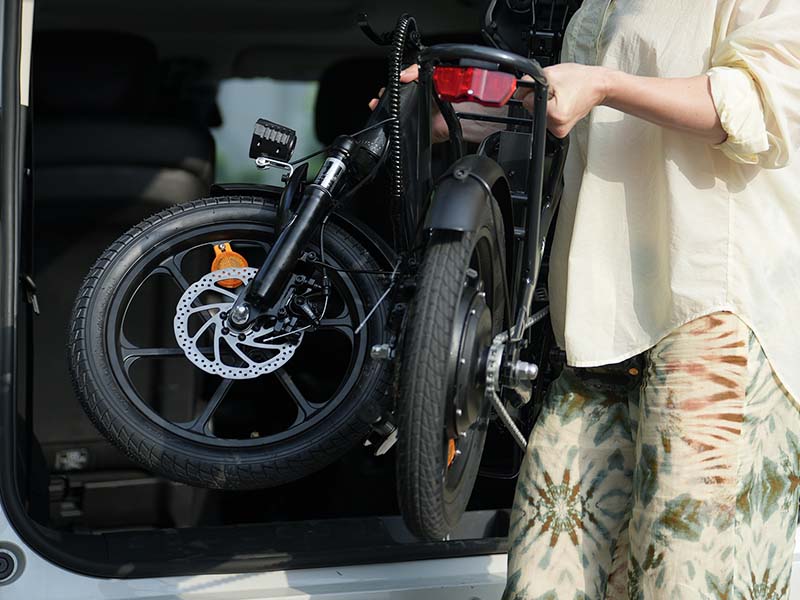
The iScooter U4 is explicitly described as using a 374.4Wh removable battery and lists BMS safety, overcharge protection, and CE EN15194 certification on the product page. That removable design supports off-bike charging, which is a major convenience win for flat living. (iscooterglobal.co.uk)
Trade-off to be aware of: folding designs and smaller wheel sizes can be more compact, but you may give up some room for extremely large battery packs. Therefore, if your priority is maximum Wh above all else, a larger commuter frame sometimes makes packaging easier.
Shop: U4 Low Step Through Foldable Electric Bike
Module 4: Protect battery life over years
The best way to extend battery lifespan is to avoid the two extremes: high heat and long periods sitting at 100% or 0%. Most riders cannot micromanage charging every day, so aim for a few habits that are easy to keep.
A realistic battery-care routine:
- Charge soon after rides, but let a hot battery cool first
- Prefer partial charges for daily use when practical (for example, 70% to 90%)
- Avoid storing fully charged for long periods
- Avoid leaving the battery empty for days
- Store in a cool, dry place, ideally around mid-charge
This is also where Fast Charging can be misunderstood. Many consumer ebikes do not truly fast-charge in the EV sense; instead, they use modest chargers that protect cell health. The iScooter U4 lists a 42V 2A charger output and a 4 to 5 hour charging time for its 36V 10.4Ah battery. That is a typical, cell-friendly charging rate rather than an aggressive one. (iscooterglobal.co.uk)
Finally, do not ignore safety. London Fire Brigade has repeatedly warned that lithium-ion battery failures, conversion kits, and chargers are often implicated in e-bike and e-scooter fires, especially items that do not meet UK safety standards. Treat charger choice and heat management as part of battery-life planning, not as separate issues. (london-fire.gov.uk)
How to Choose the Longest Battery Life Electric Bike (Decision Framework)
Start with Wh, then match it to your dependable miles
If you want the longest battery life, you are really choosing a Wh budget for your day. Pick a dependable range target (not best-case marketing range), then choose the Wh that supports it with a buffer.
Practical buffer rule:
- Minimum buffer: 20% for summer, flat, predictable routes
- Safer buffer: 30% to 40% for winter, hills, or delivery-style stop-start
On iScooter ebikes, the U2 shows 468Wh while the U4 shows 374.4Wh, so the U2 has the larger energy reservoir on paper. (iscooterglobal.co.uk)
Weight, tyres, and geometry: efficiency multipliers
Two bikes with the same Wh can feel very different in range because rolling and aerodynamic losses change. Focus on a few easy-to-check items:
- Tyre size and type (pneumatic tyres often roll better)
- Riding posture (upright can cost range at speed)
- Total system weight (bike + rider + cargo)
For example, the U4 lists 16 x 2.15-inch pneumatic tyres, which are typically more comfort-oriented than tiny wheels while still keeping the bike compact. Comfort matters because if you ride smoother, you tend to use lower assist and waste less energy in repeated accelerations. (iscooterglobal.co.uk)
Assist tuning and sensor type (cadence vs torque)
Assist in feeling changes in energy use. Cadence sensing generally turns assist on when you pedal, while torque sensing (on higher-end bikes) can modulate power more naturally. If your assist is overly aggressive, you may burn Wh faster than expected.
If you are evaluating ebikes for Carbon Neutrality goals (replacing car trips), choose a setup that you will actually use daily. A slightly smaller battery on a bike that you can store and charge easily can reduce total friction and increase real adoption.
Compliance and markings: protect your riding options
For UK public-road riding, EAPC compliance typically means 250W continuous rated power and assist cutoff at 15.5 mph. If a bike is used outside these rules, it may be treated as a motor vehicle. (gov.uk)
Battery life and compliance are linked: higher sustained speeds drain batteries faster, and unlock modes can push you into legal and insurance complications. Keep the decision simple: set your public-road use case first, then choose the bike that matches it.
Quick scenario table: match rider workflow to battery strategy
| Scenario | Your main goal | Battery strategy | Notes |
|---|---|---|---|
| UK commuting | No midweek charging | Medium-high Wh | Add 30% buffer |
| Flat living | Simple charging routine | Removable pack | Off-bike charging |
| Last-mile delivery | Minimal downtime | Higher Wh + backup | Plan charging stops |
| Mixed surfaces | Comfort and control | Efficient tyres + Wh | Avoid high drag |
| Multi-modal travel | Carry + store easily | Foldable design | Accept smaller Wh |
Best Practices and Pitfalls
Best Practices
If you want the longest battery life, focus on the few actions that move the needle every single week.
- Compare batteries by Wh first
- You can only spend the energy you have.
- Wh lets you compare across models fairly.
- Use removable batteries to reduce charging friction
- If charging is annoying, you will delay it.
- Consistent charging habits reduce deep discharge events.
- Keep tyres properly inflated
- Low pressure increases drag.
- Drag raises Wh per mile and reduces range.
- Build a "dependable range" habit
- Track your usual miles-per-charge for one route.
- Treat a sudden drop as a Predictive Maintenance signal.
Common Pitfalls to Avoid
Avoiding the big mistakes is often more important than finding the single biggest battery.
- Trusting range claims without context
- Many claims assume light riders, flat roads, and moderate temperatures.
- Your hills, wind, and stops will change outcomes.
- Chasing speed unlocks as a range solution
- Higher speed usually means higher Wh per mile.
- It can also create compliance issues on public roads. (gov.uk)
- Using mismatched chargers or questionable batteries
- UK guidance highlights the importance of safety mechanisms like BMS, and the London Fire Brigade has repeatedly linked fires to battery failure, conversion kits, and chargers. (gov.uk)
- Ignoring heat management
- Charging immediately after a hard ride can trap heat.
- Heat accelerates ageing and can increase safety risk.
Conclusion
The electric bike with the longest battery life is rarely the one with the loudest range claim. It is the one with the most suitable Wh for your route, the best efficiency for your riding style, and a charging routine you can keep week after week. Start by comparing watt-hours, then translate that into dependable miles using your hills, stops, payload, and winter conditions.
If you want a practical UK setup, prioritize removable batteries for flat living, realistic buffers for commute reliability, and habits that protect capacity over the years. When you pick the scenario first and the specs second, your ebike becomes a daily tool instead of a weekly charging puzzle.
FAQ
How do I compare ebike batteries fairly?
Compare ebike batteries by watt-hours (Wh) first because Wh measures stored energy, then compare efficiency factors like tyre size, rider position, and total payload. If a listing shows only volts (V) and amp-hours (Ah), multiply them to calculate Wh and write it down for side-by-side comparison. After that, estimate your realistic Wh-per-mile based on your route, especially hills and stop-start traffic. Finally, subtract a 20% to 40% buffer so you plan for a dependable range, not a best-case range.
What matters more, watt-hours or motor watts?
Watt-hours matter more for the longest battery life per charge because they define how much energy is available to spend. Motor watts matter because they influence how quickly you can drain that energy when you use high assist or ride steep hills. In practice, a higher-power system can still deliver excellent range if you ride at lower assist and keep speeds moderate. If you are comparing two similar bikes, choose the higher Wh when your main problem is not making it home on one charge.
Is it legal in the UK to use a throttle-only e-bike?
It depends on whether the bike meets EAPC rules and any approvals that apply to propulsion without pedalling. A road-legal setup typically requires pedal assistance with the motor cutting off at the regulated speed, and the legal status changes if the bike can propel itself beyond the EAPC definition. Some bikes include throttles for limited low-speed assistance, but you should treat throttle-only riding as a compliance risk unless the specific model is designed and certified for it. If you need throttle-dominant operation for mobility reasons, verify the exact classification before riding on public roads.
How can I extend battery life over time?
You can extend battery life over time by reducing heat exposure and avoiding long periods at 0% or 100% state of charge. For daily riding, partial charges are often easier on cells than repeated full charges, especially if you do not need maximum range that day. Store the battery in a cool, dry place and avoid leaving it empty for multiple days because deep storage at low charge can damage capacity. Also, keep the charger and connectors in good condition because poor charging habits can stress the pack.
What should I check before buying for Last-mile Delivery?
For Last-mile Delivery, check the removable battery design, real payload handling, and whether your dependable range still covers your longest shift block with a 30% to 40% buffer. You should also plan your Charging Infrastructure, including where you can charge safely during breaks and what you do if a charger fails. If your delivery workflow is stop-start and includes frequent accelerations, assume your Wh-per-mile will be higher than a leisure ride. Finally, consider a backup plan, such as a second charger or a spare battery, if downtime has a direct cost to your schedule.
How do cold weather and storage affect e-bike range?
Cold weather reduces effective battery capacity and can increase internal resistance, which lowers power delivery and shortens range on the same Wh. Storage also matters because keeping a battery fully charged in warm indoor spaces for long periods can accelerate ageing, while leaving it near empty can risk deeper discharge damage. If you ride in winter, plan for a larger range buffer and consider charging closer to ride time so the pack starts warmer. Over a full year, these habits can make the difference between a battery that feels stable and one that loses noticeable capacity early.
Can I use electric scooters as a backup when my e-bike's range is not enough?
Yes, an electric scooter can be a practical backup for short trips, but you should not assume its battery spec translates directly to ebike miles. Scooters often use different tyre designs, riding posture, and speed profiles, so Wh-per-mile and comfort over distance can differ significantly. If you are combining E-bikes and electric scooters in a weekly plan, map which trips need cargo capacity and which only need portability. This mixed approach can reduce total charging stress while keeping your commute resilient.
Table of Contents
- Introduction
- Ebike Battery Life Fundamentals (What Actually Matters)
- Module 1: Translate claims into watt-hours (Wh)
- Module 2: Predict your real-world range (so you do not overbuy)
- Module 3: Choose batteries for your storage reality (flats, stairs, and charging)
- Module 4: Protect battery life over years
- How to Choose the Longest Battery Life Electric Bike (Decision Framework)
- Best Practices and Pitfalls
- Conclusion
-
FAQ
- How do I compare ebike batteries fairly?
- What matters more, watt-hours or motor watts?
- Is it legal in the UK to use a throttle-only e-bike?
- How can I extend battery life over time?
- What should I check before buying for Last-mile Delivery?
- How do cold weather and storage affect e-bike range?
- Can I use electric scooters as a backup when my e-bike's range is not enough?
iScooter E Scooter Collections:
Electric Scooter | Kids Electric Scooter | Electric Scooter for Adults | Electric Scooter with Seat | Off-Road Electric Scooter | Foldable Electric Scooter | Girls Electric Scooter | 1000W Electric Scooter | 2000W Electric Scooter | Boys Electric Scooter | Dual Motor Electric Scooter | Big Electric Scooter | Electric Scooter with Suspension | Lightweight Electric Scooter | Commuter E-Scooters | 3 Wheel Electric Scooter
Show more ▼iScooter E Bike Collections:
Foldable Electric Bike | Affordable Cheap Electric Bike | Electric Bike for Adults | Electric Motor Bikes | Trek Electric Bike | Fastest Electric Bike | Electric Road Bike | Full Suspension Electric Mountain Bike | Giant Electric Bike | Womens Ladies Electric Bike | Mens Electric Bike | Electric Bike with Throttle | Electric Gravel Bike | Electric Mountain Bike UK | Fat Tyre Electric Bike | Electric Hybrid Bike | Electric Motorised Bike | Electric Push Bike | 1000W Electric Bike | Cool Electric Bikes | Electric Off Road Bike | Pedal Assist Electric Bike | Good Electric Bikes | Small Electric Bike | Trek Electric Mountain Bike | 2000W Electric Bike | Full Suspension Electric Bike | Mini Electric Bike | Road Legal Electric Bike | Step Through Electric Bike
Show more ▼👍 Buying Guide | 🚴♂️ Riding Guide
📋 Feature Guide | ❓ Common problem

Product category
Electric Scooter
Cheap Electric Scooters for Adults | Fastest Electric Scooter | Kids Electric Scooter | Mini Electric Scooter
Electric Bike
U4 Foldable E-bike | EB3S E-MTB
Hoverboards
Electric Scooter for Kids | iK3Pro E-Scooter for Kids | iK7 Height Adjustable Kids E-Scooter








Article tags :
Leave us a message