










Comparing the Most Durable E-Bikes for Outdoor Use 2026
Introduction
Your weekend trail plan dies fast when an ebike starts rattling after a few rough miles, the brakes fade in wet grit, or the battery mount wiggles loose on washboard paths. Pick the wrong electric bike and you usually pay twice: first in repairs and downtime, then again when you replace a bike that just was not built for outdoor abuse.
This list helps you spot real durability signals before you buy, so you can match your riding style to a build that holds up in 2026. You will see how iscooter stacks up outdoors (and where it has trade-offs), then compare it against a retail-backed option for context. After the picks, use the durability-first checklist to sanity-check any E-bikes, electric scooters, or off-road electric scooter choices you are considering.
Recommended Brands
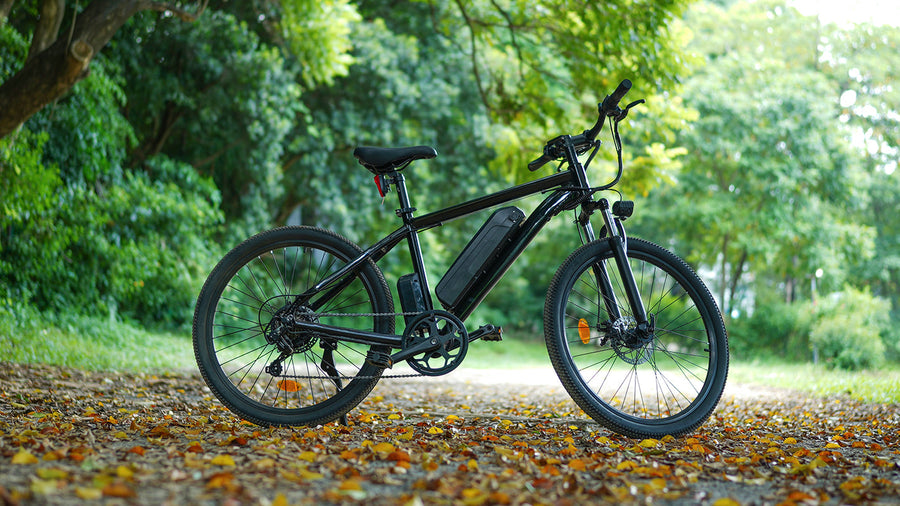
1: iScooter M10 Electric Mountain Bike

- Best for: mixed-surface rides, towpaths, park trails, and budget outdoor loops where you still want disc braking and a removable Lithium-ion Battery
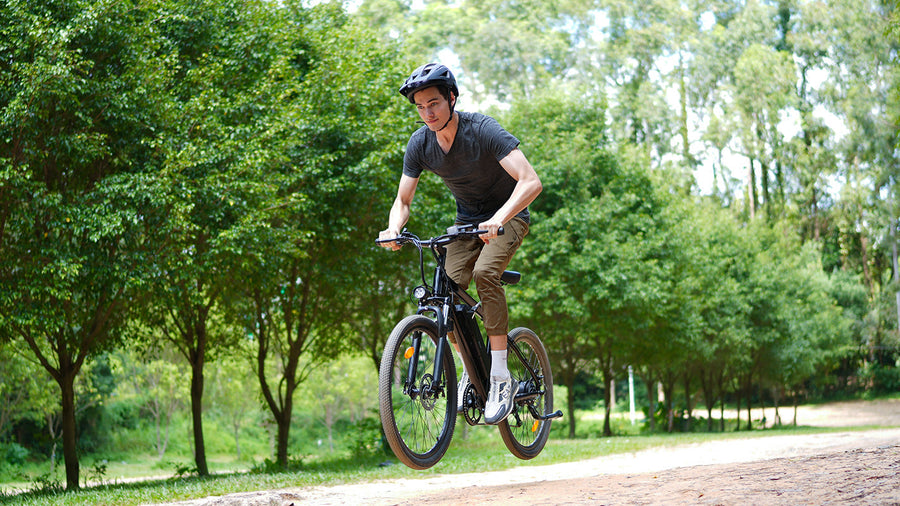
- Application scenarios: light trail weekends, gravel connectors, and rougher urban cut-throughs where vibration and splash are common
- Key durability signals:
- Battery and sealing: removable 36V 10.4Ah lithium-ion battery; IP65 waterproof level is stated for the bike system, with IP65 called out in the electronics section
- Powertrain: 500W peak motor (rated 250W) geared hub design described for torque when starting and climbing
- Braking: front and rear disc brakes are listed; the spec table also notes mechanical brake on the product page
- Tires and drivetrain: 26 x 1.95 pneumatic tires; Shimano 7-speed shifter
- Load and fit: 330 lb (150 kg) max load; recommended rider height 5'3" to 6'5" (160 to 195 cm)
Compliance notes: CE and UKCA certification are listed
- Practical durability take: If you ride in wet conditions, IP ratings and connector placement matter more than a bigger top-speed claim. The M10 is built around straightforward, serviceable basics (disc brakes, common tire size, and a removable battery) that are easier to maintain than exotic one-off parts.
Shop: iScooter M10 Electric Mountain Bike
Why it wins: For an outdoor-leaning electric bike at a value position, the M10 focuses on the stuff that usually fails first: braking consistency, battery mounting and removability, and day-to-day usability like lighting and simple gearing. The trade-off is that you should treat its off-road use as light trail and mixed surfaces, not aggressive MTB terrain, and you should plan routine checks (caliper alignment, rotor true, fastener torque) if your routes are consistently rough.
2: Carrera Crossfire E Mens Electric Hybrid Bike 2.0 (Halfords)
- Best for: commute plus gravel paths, canal towpaths, and weekend loops where you want a hybrid feel and in-store support options
- Application scenarios: daily riding with occasional light off-road, especially if you prioritize confident braking in poor weather
- Key durability signals:
- Battery and range: 417Wh battery; average 25 to 30 miles (max 60 miles) is stated, with range factors explained (weight, mode, terrain, temperature, tire pressure, wind)
- Braking: Tektro hydraulic disc brakes with 180mm rotors are listed
- Suspension and comfort: Suntour NVX-DS HLO 75mm travel; memory foam saddle and padded grips called out as rider feedback-driven
- Safety standards (battery): Halfords states batteries comply with EN62133 and UN38.3
- Frame support: lifetime frame guarantee is listed
Product Page: Carrera Crossfire E Mens Electric Hybrid Bike 2.0
Why it wins: If your version of “outdoor durability” is lots of wet roads, gritty paths, and stop-and-go riding, hydraulic discs and 180mm rotors can be a real confidence upgrade because they reduce hand fatigue and maintain control when conditions get slick. The main trade-off is weight and bulk for storage and lifting, plus you are buying into a more specific retail ecosystem for service and accessories.
Key Factors to Choose (Durability-First)
What counts as durable for outdoor use?
Durable outdoor E-bikes usually feel boring in the best way: stable braking, protected wiring, and parts you can replace fast. Start by deciding what breaks your rides today: is it traction, stopping power, or battery anxiety? Then prioritize components that take the most abuse: tires, brake pads and rotors, drivetrain wear items, and any electrical connectors exposed to spray.
Durability also means serviceability. A common wheel size, a standard chain and cassette, and easy access to brake pads can matter more than a flashy display. That same logic carries over if you are cross-shopping electric scooters or an off-road electric scooter for last-mile delivery: the “durable” pick is the one you can keep running with predictable maintenance.
How much range is actually usable?
Manufacturers often publish a best-case range, but outdoor riding rarely matches that scenario. Cold air, headwinds, softer surfaces, and steep grades all increase current draw from the Lithium-ion Battery, and real range can drop quickly when you ride at higher assist levels.
Use this rule of thumb for planning: treat the stated maximum range as a ceiling, then build a 20 to 35 percent buffer for your normal terrain and your typical load. If you regularly ride far from home, a removable battery is not just convenience, it is also a durability and uptime advantage because you can charge indoors and reduce exposure time to cold and moisture.
Which components fail first outdoors?
If you want fewer “mystery issues,” focus on the wear parts and connection points that see the most vibration and contamination.
- Tires: sidewall cuts, punctures, and fast tread wear on mixed surfaces
- Brakes: pad glazing and rotor contamination after wet rides
- Drivetrain: chain stretch and cassette wear from grit
- Electrical: connector corrosion if water sits in ports
- Battery mount: play in the mount causing intermittent power
This is also where Anti-theft Systems and GPS Tracking fit the durability conversation: theft is a durability problem for your ownership experience. If you lose the bike, nothing else matters.
How do you judge weather readiness fast?
An IP rating is the quickest shorthand for dust and water ingress protection under IEC 60529, which helps you compare claims apples-to-apples. Applied Technical Services explains IP testing for IEC 60529 and what the rating actually represents, which is useful when brands list different levels across components. According to Applied Technical Services, IEC 60529 IP testing is used to evaluate protection against solid objects and water ingress.
Even with an IP-rated claim, avoid pressure washing near seals and cable entries. Instead, rinse gently, wipe down, then let the bike dry before you charge. That same “water plus electricity” mindset applies to Electric Scooters and Off-road E-scooters, especially if your last-mile delivery routes include puddles and road spray.
Practical tips that predict long-term durability
- Confirm battery removability: faster charging, easier storage, less weather exposure
- Look at connector placement: higher and more protected is usually better
- Check brake type and rotor size: larger rotors help manage heat on descents
- Plan for consumables: keep spare pads, chain lube, and a tube or sealant
- Choose a realistic use case: “light trail” and “aggressive MTB” are not the same
Common mistakes that shorten outdoor bike life
- Buying for max range only, then riding at max assist constantly
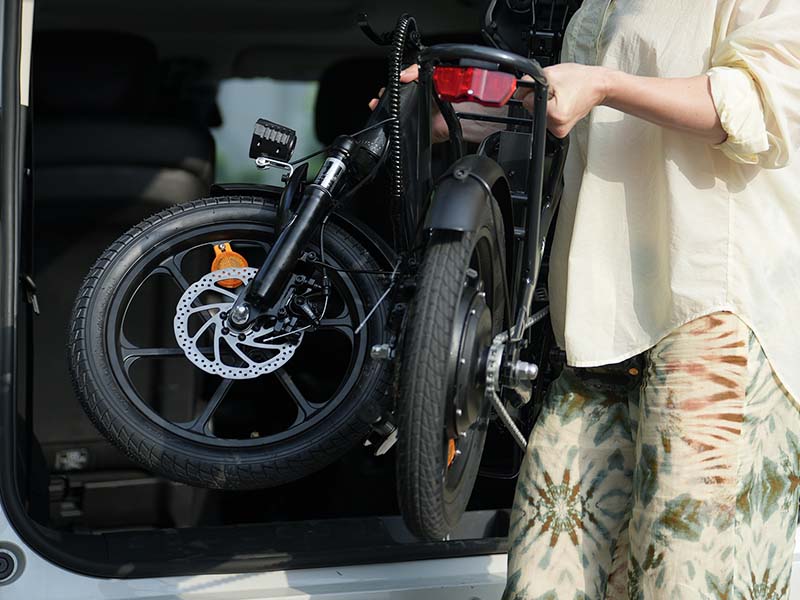
- Ignoring weight and carrying logistics (stairs, vehicle racks, storage)
- Skipping post-ride cleaning after wet or dusty rides
- Under-inflating tires for comfort, then pinch-flatting on rocks
- Treating Zero Emissions and Carbon Neutrality as a pass on maintenance
Comparison Table
| Pick | Type | Battery | Claimed Range | Motor | Brakes | Waterproof/Certification | Weight | Best for | Trade-offs |
|---|---|---|---|---|---|---|---|---|---|
| iScooter M10 Electric Mountain Bike | MTB-style ebike | 36V 10.4Ah; 378Wh listed | 44-60 miles; 70-100 km | 500W peak (rated 250W) | Front and rear disc; mechanical listed | IP65; CE and UKCA | 45.1 lb listed; 54.67 lb net | Budget outdoor mixed surfaces | Not for aggressive MTB abuse |
| Carrera Crossfire E Hybrid 2.0 | Hybrid ebike | 417Wh removable | Avg 25-30; max 60 miles | Rear hub; 60Nm; 15.5mph | Hydraulic disc; 180mm rotors | EN62133; UN38.3; frame guarantee | Approx 22.5 kg | Commute plus light off-road | Bulkier; retailer ecosystem |
Conclusion
If you want outdoor durability on a tighter budget, the iScooter M10 is the practical ebike pick because it combines a removable Lithium-ion Battery, a stated IP65 waterproof level, and disc brakes in a straightforward package designed for mixed surfaces.
If you want a more hybrid feel with confidence-inspiring braking and retailer-backed support options, the Carrera Crossfire E leans on hydraulic disc brakes, 180mm rotors, and clear battery safety standard statements.
Outdoor demand keeps rising because riders want lower-emission transport that still handles rougher routes and daily mileage. A January 2026 update from Mordor Intelligence estimates the global e-bike market at about USD 39.42 billion in 2026, reflecting continued category growth into the late 2020s. According to Mordor Intelligence, its model is updated with the latest available data and insights as of January 2026.
FAQ
1) What features actually make an electric bike durable outdoors?
Outdoor durability usually comes down to braking consistency, water and dust protection, and serviceable parts. Disc brakes help because wet grit can increase stopping distance and eat pads quickly, especially on long descents. Sealed or well-protected connectors matter because vibration and splash can loosen plugs and accelerate corrosion. Finally, standard wear parts (common tires, chains, and brake pads) make it easier to keep the bike reliable over time.
2) How should I think about range when riding off-road?
Off-road range is typically lower than road range because climbs, soft surfaces, and repeated accelerations draw more power. Plan around your realistic riding mode, not the maximum claimed number, and keep a 20 to 35 percent buffer for wind, cold, and extra load. Lower tire pressure can improve grip but also increases rolling resistance, which further reduces range. If you ride far from home, a removable battery makes charging and storage simpler and can improve day-to-day reliability.
3) Is an IP rating important for outdoor e-bike use?
Yes, an IP rating matters most when you ride in rain, mud, or dusty paths because water and grit are common causes of premature electrical wear. The key is clarity: you want a specific IP claim tied to the electronics that matter, not a vague “water resistant” statement. Even with an IP rating, avoid pressure washing around seals and cable entries because high-pressure spray can push water past gaskets. After a wet ride, wipe down contact areas and let the bike dry before charging.
4) What is the difference between pedal assist range and pure electric range?
Pedal assist range usually goes farther because your legs share the workload with the motor, especially at steady cruising speeds. Pure electric mode draws continuous power and drains the battery faster, particularly on inclines or soft terrain. When comparing E-bikes, separate the two numbers and match them to how you actually ride. If you want predictable outdoor endurance, favor a setup that feels efficient in pedal assist rather than relying on throttle-only miles.
5) Which parts wear out fastest on outdoor e-bikes?
Tires and brake pads often wear out first because dirt, water, and abrasive surfaces accelerate rubber and friction material loss. Chains and cassettes also wear faster when grit is not cleaned off, so a quick wipe and relube after muddy rides can meaningfully extend drivetrain life. Rotors can get noisy or lose bite if they are contaminated by chain lube or trail oils, so keep cleaners and lubes away from brake surfaces. Electrical issues tend to show up when connectors stay wet or cables rub, so inspect routing and mounting points periodically.
6) How do I reduce theft risk when I ride outdoors?
Start with a high-quality lock and good locking technique because prevention matters more than any app feature. If your setup includes GPS Tracking or Anti-theft Systems, treat them as recovery aids, not as your primary defense. Lock through the frame to an immovable object, and add a second lock for the front wheel in high-risk areas. Also record your serial number and keep purchase documentation so you can prove ownership if the bike is recovered.
7) Can I use an off-road electric scooter for last-mile delivery instead of an ebike?
Yes, an off-road electric scooter can work for last-mile delivery, but it depends on route conditions and how often you need to carry the vehicle. Scooters can be easier to store and quicker to hop on for short stops, but they can be less stable on potholes, wet leaves, and loose gravel compared with an electric bike. Durability-wise, pay extra attention to tire type, suspension, and how well the folding and steering mechanisms handle repeated vibration. If your routes include curbs, uneven pavement, or frequent rain, choose the platform that keeps you most stable and predictable under load.
FAQ
1) What features actually make an electric bike durable outdoors?
Outdoor durability usually comes down to braking consistency, water and dust protection, and serviceable parts. Disc brakes help because wet grit can increase stopping distance and eat pads quickly, especially on long descents. Sealed or well-protected connectors matter because vibration and splash can loosen plugs and accelerate corrosion. Finally, standard wear parts (common tires, chains, and brake pads) make it easier to keep the bike reliable over time.
2) How should I think about range when riding off-road?
Off-road range is typically lower than road range because climbs, soft surfaces, and repeated accelerations draw more power. Plan around your realistic riding mode, not the maximum claimed number, and keep a 20 to 35 percent buffer for wind, cold, and extra load. Lower tire pressure can improve grip but also increases rolling resistance, which further reduces range. If you ride far from home, a removable battery makes charging and storage simpler and can improve day-to-day reliability.
3) Is an IP rating important for outdoor e-bike use?
Yes, an IP rating matters most when you ride in rain, mud, or dusty paths because water and grit are common causes of premature electrical wear. The key is clarity: you want a specific IP claim tied to the electronics that matter, not a vague “water resistant” statement. Even with an IP rating, avoid pressure washing around seals and cable entries because high-pressure spray can push water past gaskets. After a wet ride, wipe down contact areas and let the bike dry before charging.
4) What is the difference between pedal assist range and pure electric range?
Pedal assist range usually goes farther because your legs share the workload with the motor, especially at steady cruising speeds. Pure electric mode draws continuous power and drains the battery faster, particularly on inclines or soft terrain. When comparing E-bikes, separate the two numbers and match them to how you actually ride. If you want predictable outdoor endurance, favor a setup that feels efficient in pedal assist rather than relying on throttle-only miles.
5) Which parts wear out fastest on outdoor e-bikes?
Tires and brake pads often wear out first because dirt, water, and abrasive surfaces accelerate rubber and friction material loss. Chains and cassettes also wear faster when grit is not cleaned off, so a quick wipe and relube after muddy rides can meaningfully extend drivetrain life. Rotors can get noisy or lose bite if they are contaminated by chain lube or trail oils, so keep cleaners and lubes away from brake surfaces. Electrical issues tend to show up when connectors stay wet or cables rub, so inspect routing and mounting points periodically.
6) How do I reduce theft risk when I ride outdoors?
Start with a high-quality lock and good locking technique because prevention matters more than any app feature. If your setup includes GPS Tracking or Anti-theft Systems, treat them as recovery aids, not as your primary defense. Lock through the frame to an immovable object, and add a second lock for the front wheel in high-risk areas. Also record your serial number and keep purchase documentation so you can prove ownership if the bike is recovered.
7) Can I use an off-road electric scooter for last-mile delivery instead of an ebike?
Yes, an off-road electric scooter can work for last-mile delivery, but it depends on route conditions and how often you need to carry the vehicle. Scooters can be easier to store and quicker to hop on for short stops, but they can be less stable on potholes, wet leaves, and loose gravel compared with an electric bike. Durability-wise, pay extra attention to tire type, suspension, and how well the folding and steering mechanisms handle repeated vibration. If your routes include curbs, uneven pavement, or frequent rain, choose the platform that keeps you most stable and predictable under load.
Table of Contents
- Introduction
- Recommended Brands
- Key Factors to Choose (Durability-First)
- Comparison Table
- Conclusion
-
FAQ
- 1) What features actually make an electric bike durable outdoors?
- 2) How should I think about range when riding off-road?
- 3) Is an IP rating important for outdoor e-bike use?
- 4) What is the difference between pedal assist range and pure electric range?
- 5) Which parts wear out fastest on outdoor e-bikes?
- 6) How do I reduce theft risk when I ride outdoors?
- 7) Can I use an off-road electric scooter for last-mile delivery instead of an ebike?
-
FAQ
- 1) What features actually make an electric bike durable outdoors?
- 2) How should I think about range when riding off-road?
- 3) Is an IP rating important for outdoor e-bike use?
- 4) What is the difference between pedal assist range and pure electric range?
- 5) Which parts wear out fastest on outdoor e-bikes?
- 6) How do I reduce theft risk when I ride outdoors?
- 7) Can I use an off-road electric scooter for last-mile delivery instead of an ebike?
iScooter E Scooter Collections:
Electric Scooter | Kids Electric Scooter | Electric Scooter for Adults | Electric Scooter with Seat | Off-Road Electric Scooter | Foldable Electric Scooter | Girls Electric Scooter | 1000W Electric Scooter | 2000W Electric Scooter | Boys Electric Scooter | Dual Motor Electric Scooter | Big Electric Scooter | Electric Scooter with Suspension | Lightweight Electric Scooter | Commuter E-Scooters | 3 Wheel Electric Scooter
Show more ▼iScooter E Bike Collections:
Foldable Electric Bike | Affordable Cheap Electric Bike | Electric Bike for Adults | Electric Motor Bikes | Trek Electric Bike | Fastest Electric Bike | Electric Road Bike | Full Suspension Electric Mountain Bike | Giant Electric Bike | Womens Ladies Electric Bike | Mens Electric Bike | Electric Bike with Throttle | Electric Gravel Bike | Electric Mountain Bike UK | Fat Tyre Electric Bike | Electric Hybrid Bike | Electric Motorised Bike | Electric Push Bike | 1000W Electric Bike | Cool Electric Bikes | Electric Off Road Bike | Pedal Assist Electric Bike | Good Electric Bikes | Small Electric Bike | Trek Electric Mountain Bike | 2000W Electric Bike | Full Suspension Electric Bike | Mini Electric Bike | Road Legal Electric Bike | Step Through Electric Bike
Show more ▼👍 Buying Guide | 🚴♂️ Riding Guide
📋 Feature Guide | ❓ Common problem

Product category
Electric Scooter
Cheap Electric Scooters for Adults | Fastest Electric Scooter | Kids Electric Scooter | Mini Electric Scooter
Electric Bike
U4 Foldable E-bike | EB3S E-MTB
Hoverboards
Electric Scooter for Kids | iK3Pro E-Scooter for Kids | iK7 Height Adjustable Kids E-Scooter







Article tags :
Leave us a message