










One Scooter for Work and Leisure: 5 Steps to Choose a Versatile E-Scooter with Smart Features
Introduction
Missed one feature and your whole week can unravel: you arrive sweaty because the scooter was underpowered for hills, or you get stranded because the claimed range was not realistic for your route. When that happens, you do not just lose time, you lose trust in your daily plan, and you start defaulting back to ride-sharing platforms or expensive last-minute options.
This how-to guide helps you choose one electric scooter that works for commuting and fun without guesswork. You will map your real routes, pick the right commuter scooters or all-terrain e-scooters category, validate lithium-ion battery range, lock in safety, and then confirm smart features and ownership support so your setup stays reliable.
How to Choose a Versatile Electric Scooter Step by Step
Step 1 Map your work and leisure routes
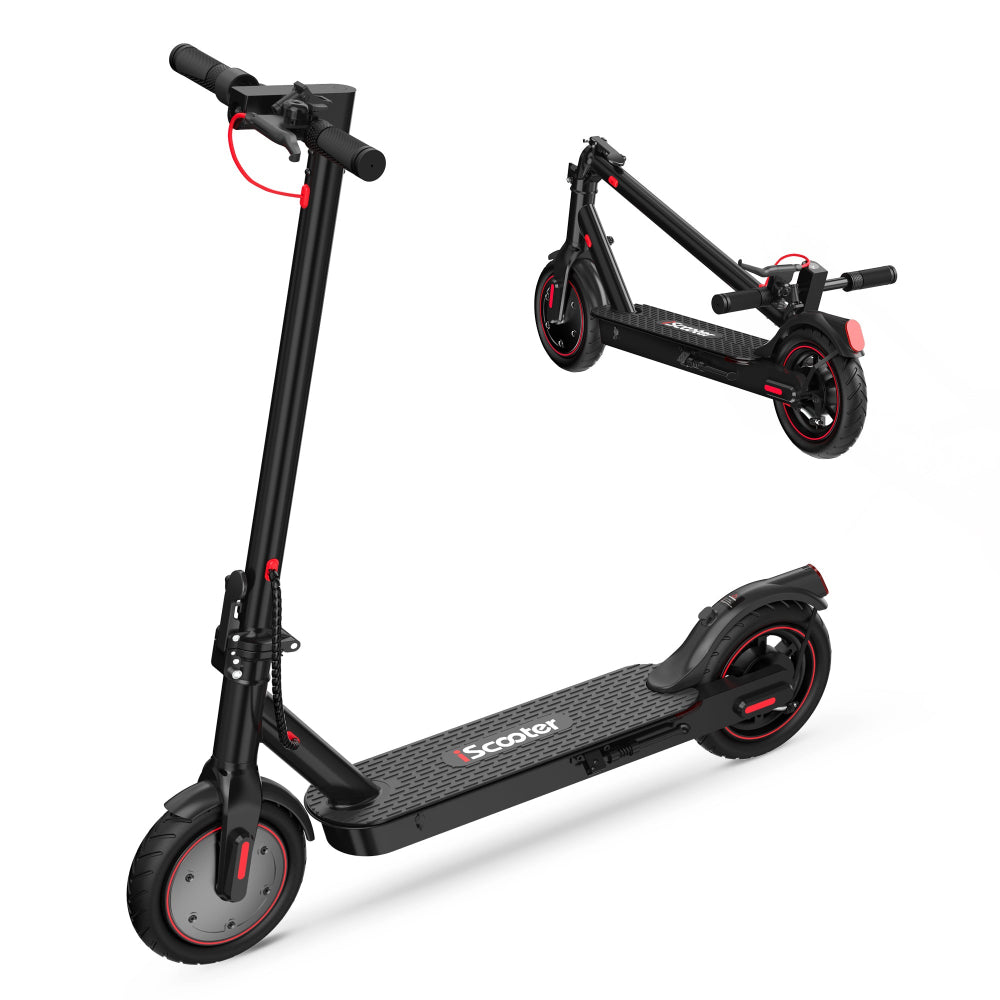
Start with your routes, not the spec sheet. Write down your typical weekday ride and your weekend ride as two separate loops, then record four details for each: total miles, the steepest hill you regularly face, the roughest surface you ride (smooth tarmac, brick, gravel), and how often you will need to carry the scooter up stairs or onto public transport.
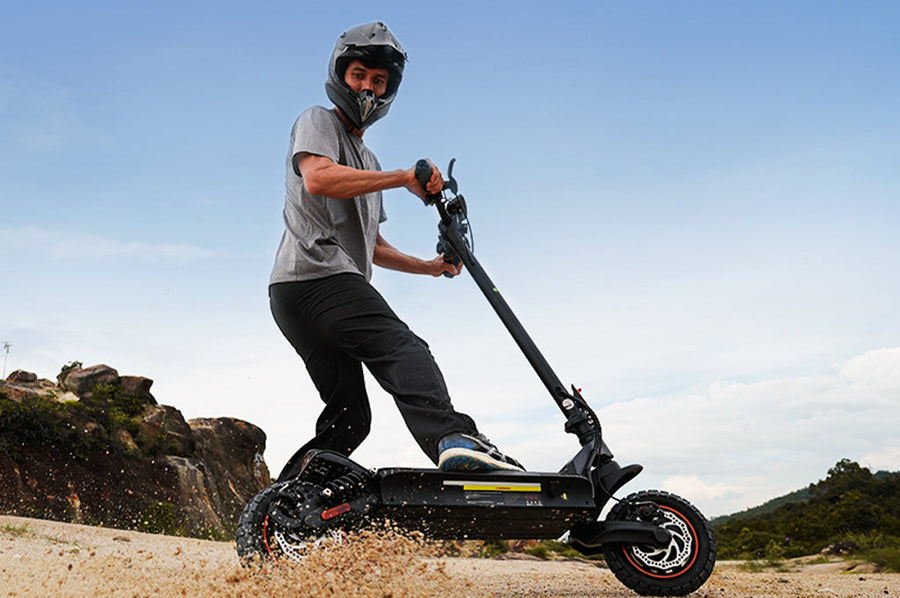
Next, translate that into a minimum capability target. If you have frequent hills, you need stronger acceleration at low speed (torque) more than you need a high top speed. If your leisure route includes parks or compacted gravel, treat it like an off-road electric scooter use case, even if it is not true singletrack, because small wheels and stiff tyres can chatter and lose traction.
- Distance rule of thumb: plan for your longest round trip
- Surface rule of thumb: size tyres for your roughest segment
- Carry rule of thumb: folding convenience matters weekly
Step 2 Choose the power and ride category
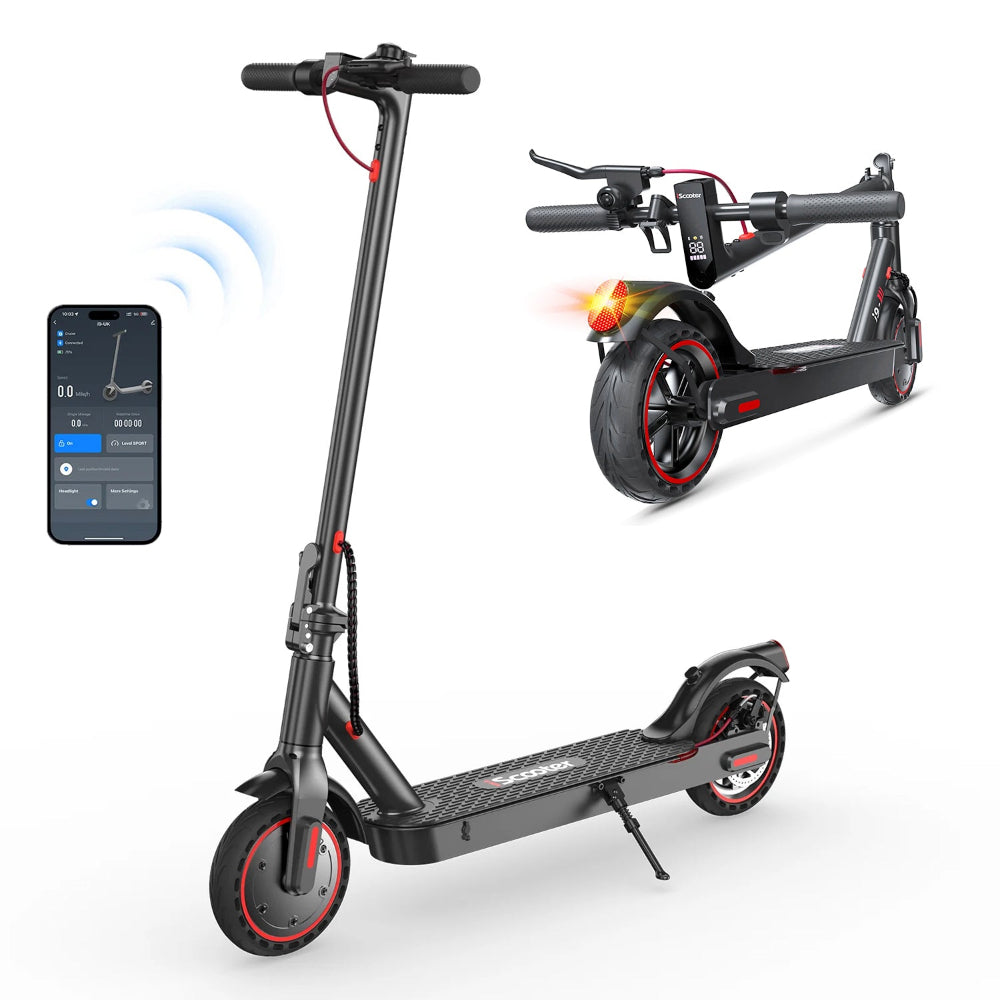
Pick the category that matches your route friction. Commuter scooters prioritise portability, predictable handling, and simple daily charging. All-terrain e-scooters (and other off-road electric vehicles) prioritise traction, stability, and headroom for uneven surfaces, which often means a heavier frame and a wider stance.
For example, the iScooter i8 is positioned as a lightweight commuter option with a listed max range of 12 miles (20 km) and max speed up to 18.6 mph (30 km/h), plus 3 riding modes and cruise control settings for steady pacing. It uses an 8.5-inch pneumatic tyre and an IP54 water resistance rating, which fits typical city commutes where you want some comfort without going full off-road electric scooter build.
If you want a bit more commuting headroom for longer loops, the iScooter i9 lists a 350 W motor, max range of 18.6 miles (30 km), and an IP54 rating, while using 8.5-inch honeycomb solid tyres to reduce flats in daily use. That combination can be helpful when your work route is predictable, but your leisure route adds extra mileage.
Shop: iScooter i9 Electric Scooter
Step 3 Validate battery charging and real range
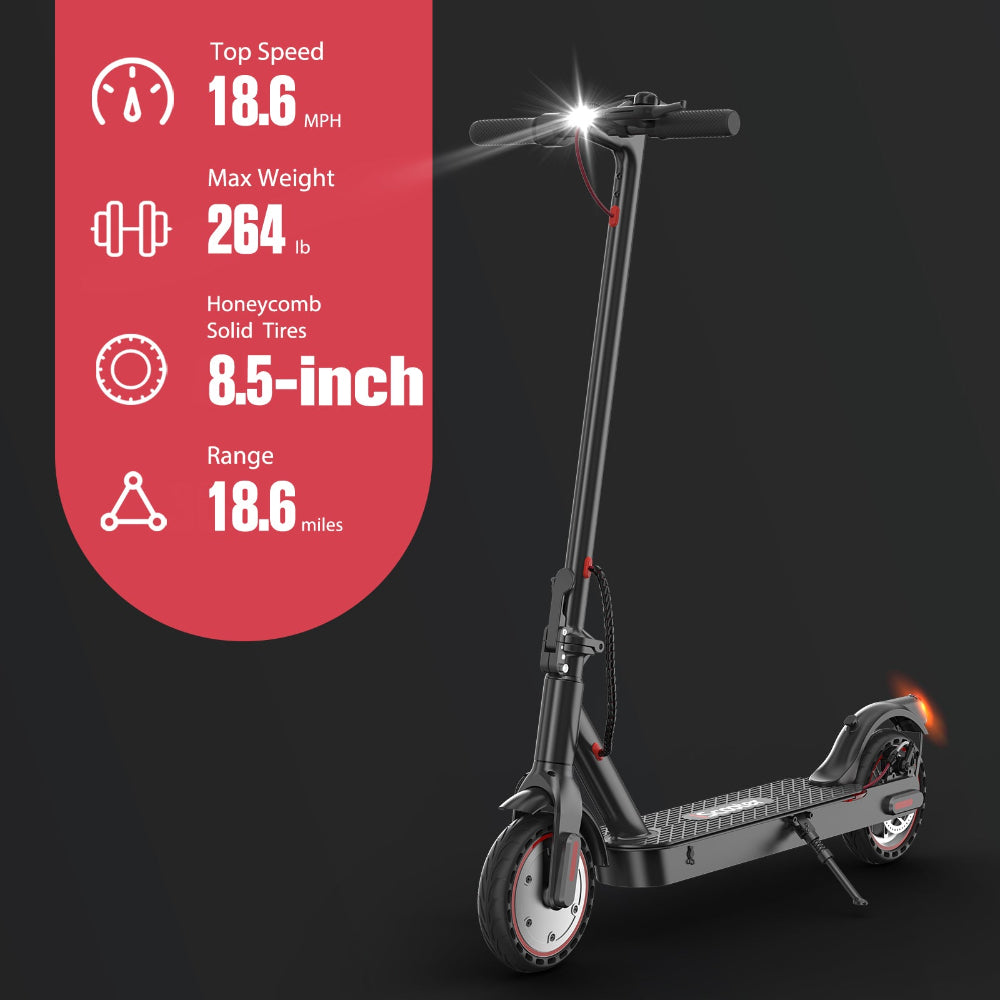
Treat range claims as a planning number, not a promise. Your lithium-ion battery range changes with rider weight, average speed, tyre pressure, temperature, and hills. Build a buffer so you can still get home when conditions are worse than ideal, especially if you do last-mile delivery or you routinely add detours.
Here is how to validate quickly:
- Check battery capacity and voltage: higher Wh generally supports longer rides
- Check charge time: shorter charge time fits lunch top-ups
- Check tyre type: low pressure wastes energy
- Check your route: hills consume range fast
On iScooter commuter electric scooters, you can use the published battery specs as a baseline. The iScooter i8 lists a battery capacity of 36V 5.2Ah (187Wh) and a 4 to 6 hour recharge time. The iScooter i9 lists a 36V 7.5Ah (270Wh) battery, a 3 to 5 hour charging time, and notes a smart battery management system, which can help keep the pack operating within safer limits over time.
Shop: iScooter i8 Electric Scooter
Step 4 Lock safety features before speed
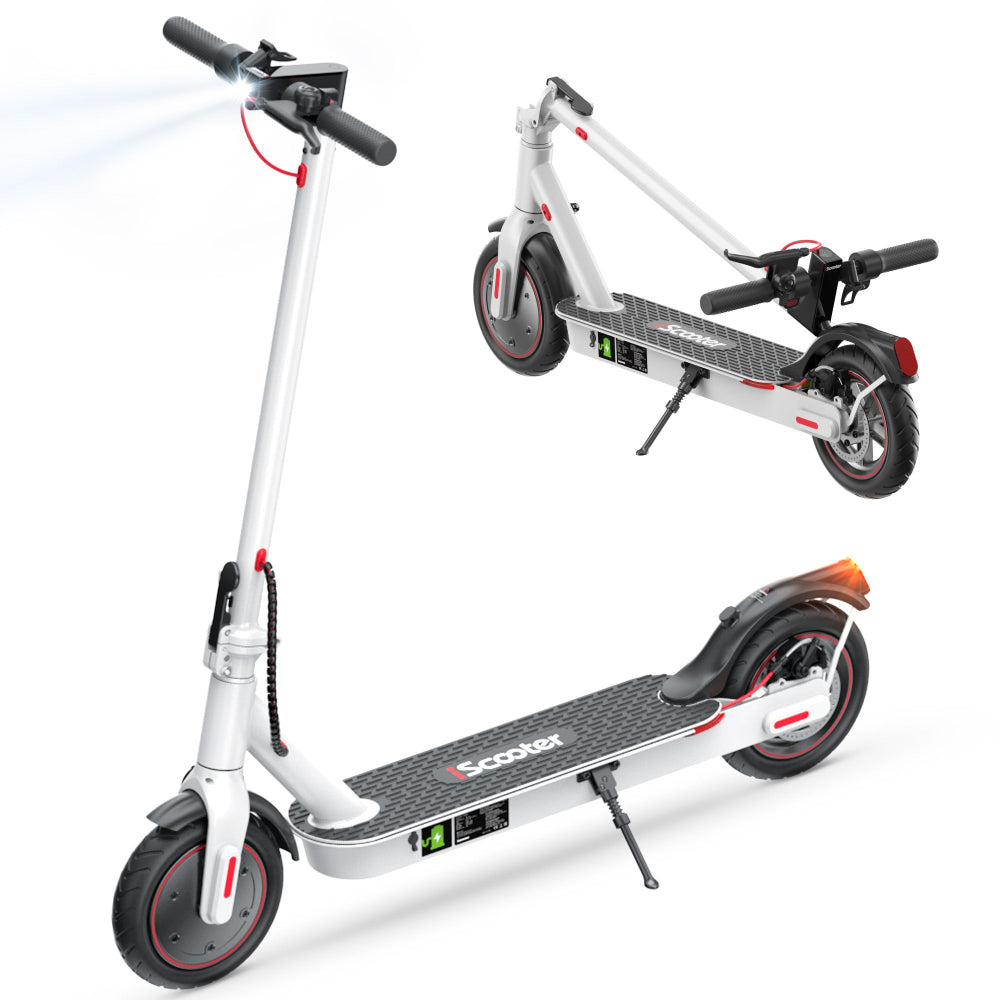
Lock safety first because speed without control creates rework and risk. Before you compare top speed numbers across electric scooters, confirm you have a braking plan, visibility plan, and traction plan that match your route.
- Braking: test for smooth, repeatable stops
- Visibility: front and rear lights every ride
- Traction: tyre type that matches your surface
Helmet choice is part of the system, not an accessory. According to NHTSA, a meta-analysis found bicycle helmets reduced head injuries by 48%, and that is a strong signal to take smart helmets and fit seriously for any electric scooter routine.
On the iScooter i8 page, the scooter is described with a double braking system with both front and rear brakes for reliable stopping power. Even if you later move into off-road electric scooter territory, keep the same priority order: braking confidence, then lights, then speed modes.
Step 5 Require smart features and ownership support

Now you can evaluate the smart layer and the ownership support that keeps your routine stable. The best smart features reduce daily friction: ride modes you actually use, cruise control that helps you hold a steady pace, and app-level diagnostics or locking that helps you notice issues early.
Use this checklist before you commit:
- Ride modes: at least 3 usable modes
- Cruise control: helpful on long flats
- App support: pairing and basic status views
- Spares and parts: brakes, batteries, tyres
Ownership policies matter because they reduce risk when your first week reveals a surprise. iScooter positions its UK operation around free shipping with 1 to 3 working day delivery, a 30-day return window for new unused products, and up to 24 months warranty with UK local after-sales support. Those details help if you are buying an electric scooter to cover both commuting and leisure, and you need confidence that the setup can be adjusted quickly.
Shop: iScooter i9 Electric Scooter
Adapting Your Electric Scooter Choice by Scenario
Last-mile delivery
Prioritise range buffer and quick top-ups. Choose a lithium-ion battery capacity that covers your longest shift loop with at least 20% remaining, and keep tyre pressure consistent so you do not burn watts on rolling resistance.
Mixed gravel and park paths
Treat it like an off-road electric scooter use case. You want stable handling, predictable braking, and enough torque to stay smooth on loose sections. If you slip often, reduce speed and rethink tyre choice.
City commute with stairs or trains
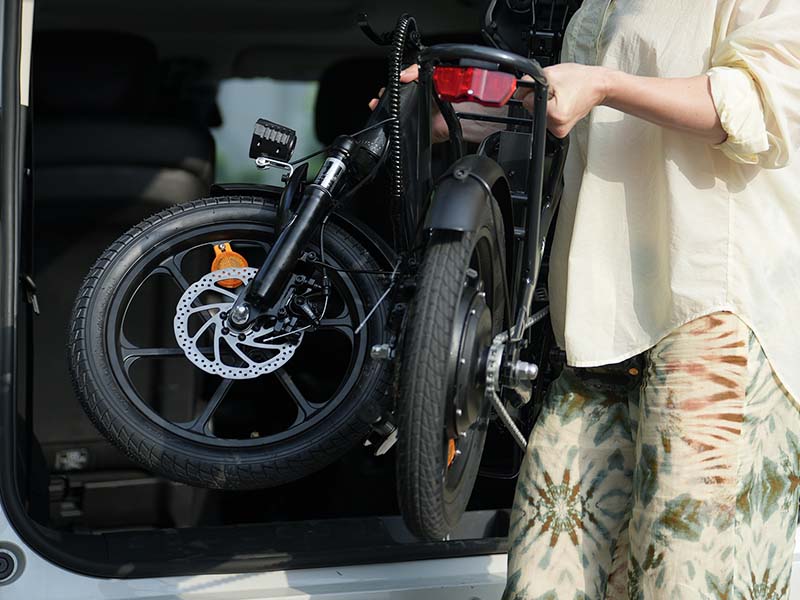
Folding and carry comfort beats raw performance. If you carry the scooter weekly, weight and folding dimensions can matter more than a few extra miles of range.
Leisure cruising with friends
Ride modes and comfort features matter more than absolute speed. Choose a setup with a relaxed stance, consistent brakes, and enough range to avoid cutting the ride short.
What You Will Need Before You Start
Required tools and materials
- Helmet or smart helmets with a proper fit
- Front and rear lights and reflectors
- Charger and a safe indoor charging spot
- Tire pump and pressure gauge
- Basic hex keys for checks
- Lock for short stops
Safety considerations
- Avoid wet leaves and metal covers in turns
- Brake test every ride for 10 seconds
- Keep tyres at recommended pressure
- Slow down on gravel and painted lines
If you ride in the UK, understand where riding is legal. GOV.UK explains that rental e-scooter trials have specific rules and that riders need the correct type of driving licence for trial use.
Troubleshooting Guide for Everyday Riding
| Problem | Likely cause | Quick fix |
|---|---|---|
| Range feels too short | Low tire pressure | Inflate to target PSI |
| Range drops suddenly | Cold weather riding | Warm store, slower mode |
| Braking feels weak | Wet rotors or pads | Dry, recheck alignment |
| Wobble at speed | Loose hardware | Tighten stem bolts |
| App will not pair | Bluetooth conflict | Reset and re-pair |
- If your range is inconsistent, start by checking tyre pressure and your average speed. Riding in the highest mode continuously can reduce range more than most people expect.
- If braking changes after rain, dry the scooter, then do several controlled stops at low speed before you ride normally.
- If the app is unreliable, remove old pairings, restart your phone Bluetooth, and try pairing with the scooter fully powered on and stationary.
Conclusion
One electric scooter can cover commuting and fun if you choose it from your real routes outward. Map your surfaces and hills first, then select between commuter scooters and all-terrain e-scooters, validate lithium-ion battery capacity against your longest loop, and lock safety before you care about speed.
Once the basics are right, smart features and strong ownership support make the whole setup easier to live with. If you keep your tyres inflated, brakes checked, and charging routine consistent, your electric scooter becomes a reliable part of your week instead of a weekend-only toy.
FAQ
How much range do I need for commuting and fun?
You need enough range to cover your longest round trip plus a buffer for hills, wind, and cold weather. A good planning buffer is 20% to 30%, so you are not riding the last mile on a low battery. If you do last-mile delivery, plan for detours and frequent stops because start-stop riding consumes more energy. When in doubt, choose the larger battery capacity and use a lower speed mode to extend range.
What matters most for stopping power on an electric scooter?
Stopping power depends on brakes, tyre grip, and how stable the scooter feels under load. Start by checking that your brakes engage smoothly without grabbing, then confirm your tyres have enough traction for your typical surface. Rider weight also changes stopping distance, so a heavier rider should prioritise strong braking and predictable tyres. After any maintenance, test braking in a safe area at low speed before returning to traffic.
Do smart features actually help day-to-day riding?
Yes, smart features help when they reduce daily friction instead of adding setup steps. Useful features include ride modes that match your route, cruise control for long flat segments, and app diagnostics that warn you early about issues. Smart locking can also help reduce theft risk during short stops, but it should not replace a physical lock. If you never open the app after week one, prioritise hardware reliability over extra software features.
How do I choose between commuter scooters and all-terrain e-scooters?
Start with your surface mix and hill profile because those two factors drive most comfort and control issues. If your rides are mostly smooth pavement with occasional rough patches, commuter scooters usually offer enough capability with better portability. If you ride gravel, uneven paths, or consistently steep hills, all-terrain e-scooters often feel more stable and confident. Choose the category that fits your worst 10% of conditions, not your best 90%.
How should I care for a lithium-ion battery long term?
Keep the battery in a cool, dry place and avoid leaving it fully drained for long periods. Charge with the correct charger, and unplug once charging is complete if you will not ride for a while. For storage longer than a few weeks, aim to store the pack partially charged instead of at 0% or 100%. Inspect the charging port and cable regularly, and stop using the battery if you notice swelling, odd smells, or abnormal heat.
What is a quick way to test fit and comfort before keeping a scooter?
Do a short test ride that includes one small hill, one low-speed turn, and several controlled stops. Check handlebar height so your elbows stay slightly bent and your shoulders feel relaxed. Make sure you have enough deck space to shift your feet without stepping on the rear fender. Finally, fold and carry it the way you will in real life, because carry comfort often decides whether you use the scooter daily.
Table of Contents
- Introduction
- How to Choose a Versatile Electric Scooter Step by Step
- Adapting Your Electric Scooter Choice by Scenario
- What You Will Need Before You Start
- Troubleshooting Guide for Everyday Riding
- Conclusion
-
FAQ
- How much range do I need for commuting and fun?
- What matters most for stopping power on an electric scooter?
- Do smart features actually help day-to-day riding?
- How do I choose between commuter scooters and all-terrain e-scooters?
- How should I care for a lithium-ion battery long term?
- What is a quick way to test fit and comfort before keeping a scooter?
iScooter E Scooter Collections:
Electric Scooter | Kids Electric Scooter | Electric Scooter for Adults | Electric Scooter with Seat | Off-Road Electric Scooter | Foldable Electric Scooter | Girls Electric Scooter | 1000W Electric Scooter | 2000W Electric Scooter | Boys Electric Scooter | Dual Motor Electric Scooter | Big Electric Scooter | Electric Scooter with Suspension | Lightweight Electric Scooter | Commuter E-Scooters | 3 Wheel Electric Scooter
Show more ▼iScooter E Bike Collections:
Foldable Electric Bike | Affordable Cheap Electric Bike | Electric Bike for Adults | Electric Motor Bikes | Trek Electric Bike | Fastest Electric Bike | Electric Road Bike | Full Suspension Electric Mountain Bike | Giant Electric Bike | Womens Ladies Electric Bike | Mens Electric Bike | Electric Bike with Throttle | Electric Gravel Bike | Electric Mountain Bike UK | Fat Tyre Electric Bike | Electric Hybrid Bike | Electric Motorised Bike | Electric Push Bike | 1000W Electric Bike | Cool Electric Bikes | Electric Off Road Bike | Pedal Assist Electric Bike | Good Electric Bikes | Small Electric Bike | Trek Electric Mountain Bike | 2000W Electric Bike | Full Suspension Electric Bike | Mini Electric Bike | Road Legal Electric Bike | Step Through Electric Bike
Show more ▼👍 Buying Guide | 🚴♂️ Riding Guide
📋 Feature Guide | ❓ Common problem

Product category
Electric Scooter
Cheap Electric Scooters for Adults | Fastest Electric Scooter | Kids Electric Scooter | Mini Electric Scooter
Electric Bike
U4 Foldable E-bike | EB3S E-MTB
Hoverboards
Electric Scooter for Kids | iK3Pro E-Scooter for Kids | iK7 Height Adjustable Kids E-Scooter









Article tags :
Leave us a message