










Rain-Proof Riding: 3 E-Scooters Built to Keep You Safe in Wet Weather
Introduction
If you ride an electric scooter year-round, rain is not a rare event, it is the default. Wet asphalt, painted road markings, and metal covers can all cut traction fast. So the real question is simple: which electric scooters stay controllable when the road turns shiny?
For a UK reality check, the Met Office reported UK rainfall of 1242mm in 2024, which was 107% of average. That kind of weather makes wet-grip basics (tires, braking, and sealing) a practical buying priority, not an accessory detail. According to the Met Office, 2024 was also a relatively wet year across many regions.
This listicle focuses on three iScooter picks that match real wet-weather use cases: commuter scooters for daily roads and an off-road electric scooter for rougher, slippery routes. You will also see where each model has trade-offs, because no electric kick scooters are truly made for deep water.
What Are 3 iScooter Picks for Wet Weather?
1. iScooter i9Max 500W Commuting Electric Scooter
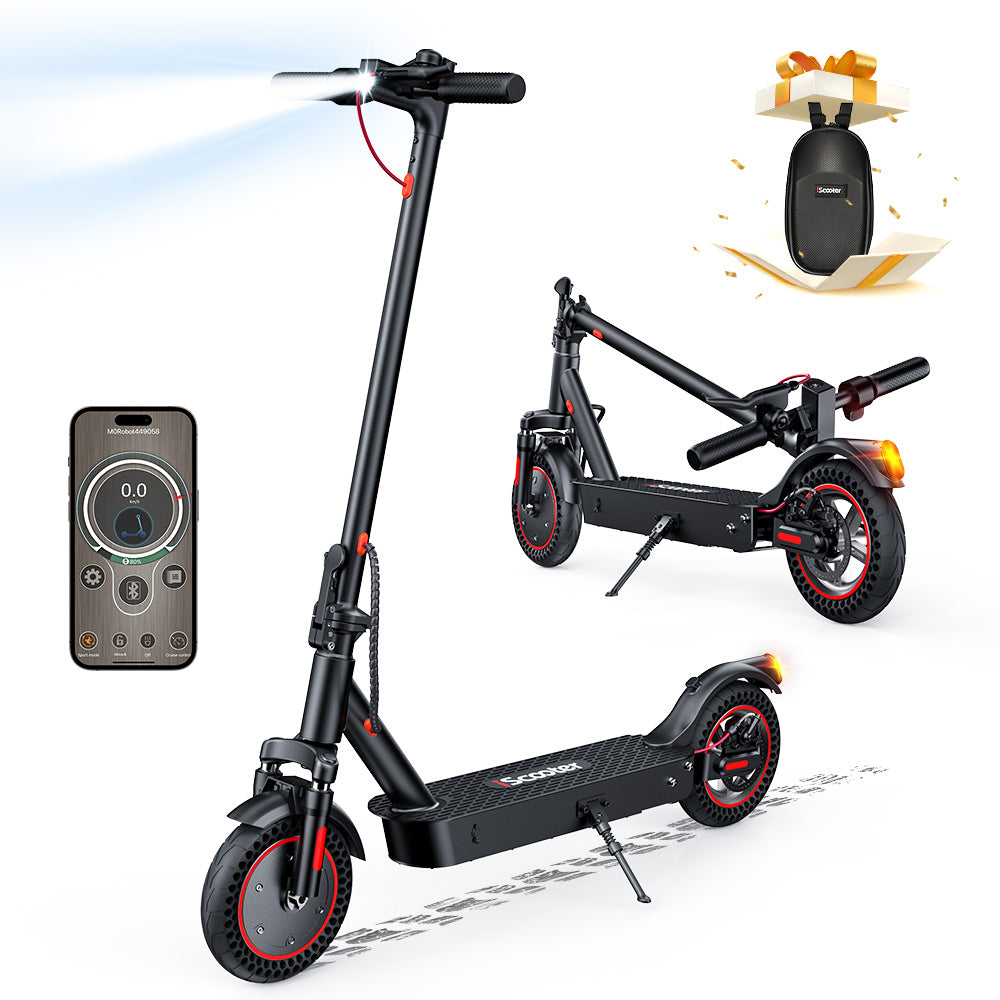
If you want a simple wet-commute setup, the iScooter i9Max is the most straightforward starting point. It is built around stable commuter geometry, dual suspension, and solid tires that remove the stress of punctures on rainy debris-strewn streets.
- Best for: commuter scooters on wet city pavement, drizzle, and light puddles
- Motor: 500W maximum power, front-wheel drive (easy to manage at moderate speeds)
- Range and speed: up to 24.8 miles (40km) max range; up to 22 mph (35km/h) max speed
- Water resistance: IPX4 (splash resistant, not for submersion)
- Braking: front E-ABS electronic brake plus rear mechanical disc brake
- Tires: 10-inch honeycomb solid tire (maintenance-friendly; traction depends heavily on riding style)
- Suspension: dual front and rear suspension for stability over wet expansion joints
Why it wins: For riders who want an electric scooter that is easy to live with, the iScooter i9Max reduces two common wet-weather headaches: flats and abrupt braking. The combo of E-ABS support and a mechanical disc brake helps you slow down progressively. Still, because it is IPX4, you should avoid deep standing water and never pressure-wash the deck.
Shop: iScooter i9Max 500W Commuting Electric Scooter
2. iScooter i10Plus 800W Electric Scooter
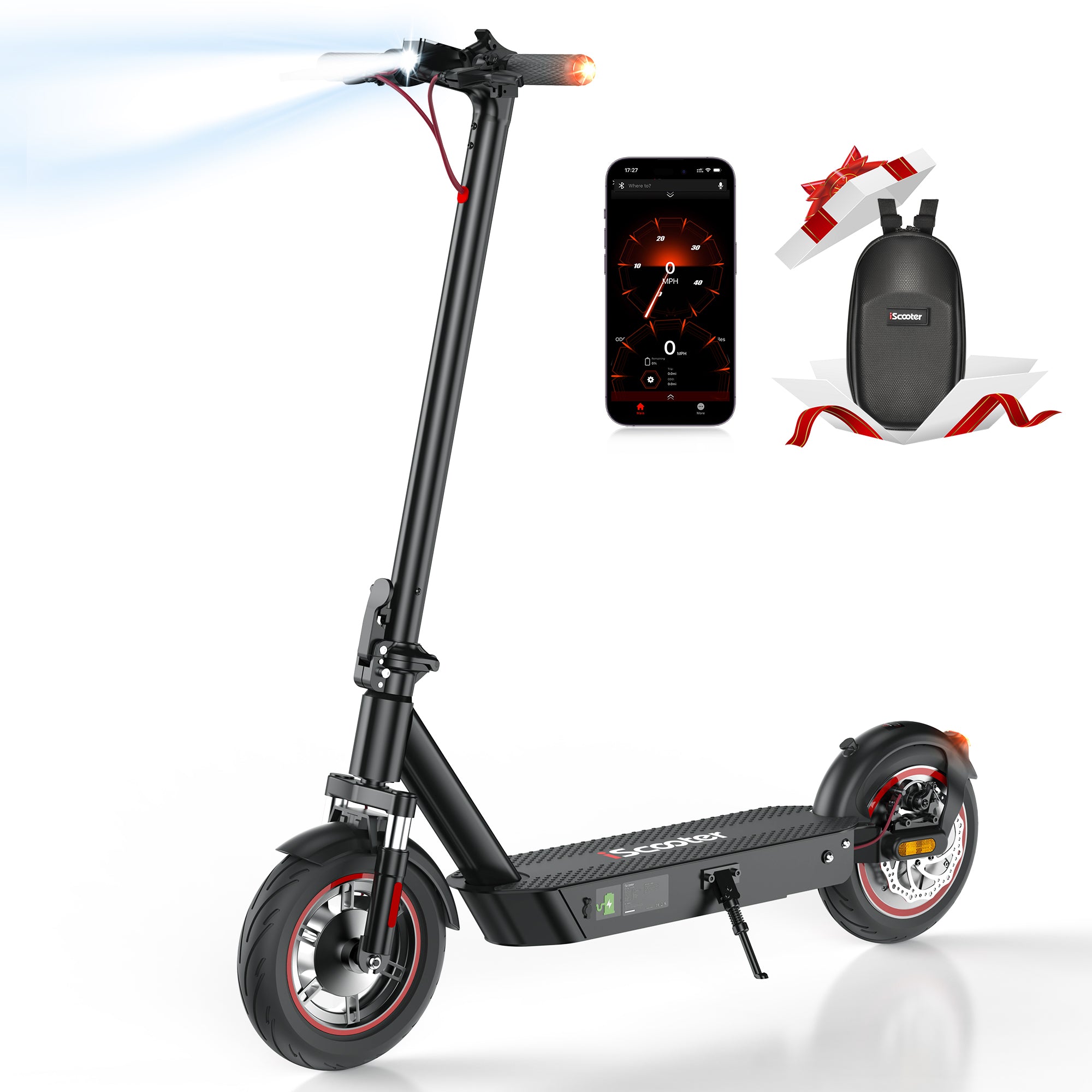
Do you ride farther, ride faster, or ride home in heavier rain? The iScooter i10Plus is the commuter upgrade in this trio, mainly because it adds a higher water-resistance rating and a larger battery, while keeping commuter-friendly tires and suspension.
- Best for: longer commuter scooters routes, mixed surfaces, and frequent wet evenings
- Motor: 800W maximum power, rear-wheel drive (more planted feel under acceleration)
- Range and speed: up to 31 miles (50km) max range; up to 25 mph (40km/h) max speed
- Water resistance: IP54 (adds dust protection and stronger water-splash protection)
- Braking: front hub brake + E-ABS electronic brake; rear mechanical disc brake + E-ABS
- Tires: 10-inch pneumatic tire (better wet compliance; needs pressure checks)
- Battery: 36V 17.5Ah (630Wh), with 7-9 hour charging time listed
Why it wins: If your priority is wet-weather confidence, IP54 is the most meaningful spec difference in this list. It does not make the scooter waterproof, but it can be reassuring for year-round riding when road spray is constant. The pneumatic tires also help maintain contact patch over rough wet pavement, as long as you keep tire pressure in a sensible range.
Shop: iScooter i10Plus 800W Electric Scooter
3. iScooter iX4 Off Road Electric Scooter
<!-- iX4 image was not available as a direct product CDN URL in the captured page content. Keeping consistency by not inserting a potentially guessed URL. -->
When the route is slippery and uneven (wet leaves on park paths, gravel connectors, broken lanes), a commuter tire and deck height can start to feel sketchy. That is where an off-road electric scooter like the iScooter iX4 can make more sense, even if you ride it at commuter speeds.
- Best for: off-road e-scooters use cases like park paths, gravel, bumpy lanes, and wet debris
- Peak motor: 800W brushless motor; rear-wheel drive
- Range and speed: 25-28 miles (40-45km) max range; 28 mph (45km/h) max speed
- Water resistance: IPX4
- Braking: front and rear mechanical disc plus electronic brake
- Tires: 10-inch off-road tubeless pneumatic tires
- Suspension: front and rear dual suspension
- Rider limit: max rider weight listed as 330 lbs (150kg)
Why it wins: The iScooter iX4 is the stability pick when traction is inconsistent. Tubeless pneumatic off-road tires and dual suspension help the scooter track through small potholes and wet chatter without skipping sideways. The trade-off is weight (51.4 lbs / 23.3kg listed) and bulk, which matters if you carry it upstairs or mix it with trains.
Shop: iScooter iX4 Off Road Electric Scooter
Buying Guide How Do You Choose a Safer Wet-Weather Ride?
Water resistance What does IPX4 vs IP54 mean?
IP ratings matter because wet-weather damage often comes from spray, not dramatic submersion. However, you still need to think in realistic terms.
- IPX4 means splash resistance from various directions, but it does not promise dust protection.
- IP54 means limited dust ingress protection plus splash resistance.
- In practice, IP54 is a nice upgrade for commuter scooters because road spray can carry grit into gaps.
Even with an IP rating, avoid deep puddles, do not ride through floodwater, and do not blast the deck with a pressure washer. Seals and port covers are strong until they are not.
Tires Solid vs pneumatic in the rain?
Your tire choice changes how your electric scooter behaves on wet texture.
- Solid tires (like the iScooter i9Max honeycomb solids) remove puncture risk and reduce maintenance. However, they can feel less forgiving on slick paint or polished stone because they do not deform around micro-texture.
- Pneumatic tires (like the iScooter i10Plus) usually improve wet comfort and grip because the tire can flex and keep more rubber in contact. The trade-off is maintenance and pressure discipline.
- Tubeless off-road pneumatics (like the iScooter iX4) add volume and tread for mixed surfaces, which can be helpful on wet leaves and gravel.
Ask yourself a search-style question: do you fear flats more, or slides more? Your answer often decides the tire type.
Braking What matters most on slick roads?
Wet braking is about control, not maximum force. On an electric kick scooter, panic grabs can lock a wheel or start a slide.
- Prioritize a setup that blends electronic support (E-ABS) with mechanical braking, because it gives you a wider control window.
- Look for predictable levers and a stable stance, because wet braking is easier when your body stays centered.
- Train yourself to brake earlier. Wet roads increase stopping distance, even with good brakes.
To keep this article evidence-based, it helps to remember that the broader safety picture is heavily shaped by rider behavior and operating context. In Transport for London reporting on the London e-scooter rental trial (September 2023 to September 2024), the serious injury rate is presented at a very low level relative to total trips, which is a useful reminder that controlled systems and cautious riding habits matter. See the Transport for London report for the trial results.
Suspension and stability Why it changes everything
Wet roads punish sudden load changes. Suspension and larger tires reduce the sharp impacts that can unsettle the scooter mid-corner.
- Dual suspension helps keep both wheels tracking over broken surfaces.
- 10-inch tires (all three picks) improve roll-over compared with smaller commuter wheels.
- Heavier off-road e-scooters can feel more stable at the same speed, but the extra mass also means you must plan braking earlier.
Practical wet-weather setup tips
- Use a lower speed mode when the road looks glossy.
- Increase following distance, because your braking window grows.
- Avoid painted markings, metal covers, and wet leaves when cornering.
- After the ride, wipe the deck and keep the charging port area dry before you plug in.
Common mistakes to avoid
- Hitting deep puddles at speed (water can enter gaps and also hide potholes).
- Charging immediately after a wet ride if moisture is near the connector.
- Assuming IPX4 or IP54 means you can ride in heavy rain without consequences.
Comparison Table
| Model | Best use case | Max speed | Max range | Tires | Brakes | Suspension | Water resistance | Net weight | Trade-offs to consider |
|---|---|---|---|---|---|---|---|---|---|
| iScooter i9Max | Commuter scooters for simple wet rides | 22 mph (35km/h) | 24.8 miles (40km) | 10-inch honeycomb solid | Front E-ABS + rear mechanical disc | Dual front and rear | IPX4 | 36 lb (16.3kg) | Solid tires can feel less grippy than pneumatics on slick paint; IPX4 is splash-only |
| iScooter i10Plus | Commuter scooters with more sealing and range | 25 mph (40km/h) | 31 miles (50km) | 10-inch pneumatic | Front hub + E-ABS; rear disc + E-ABS | Dual front and rear | IP54 | 44 lb (20kg) | Pneumatic tires need pressure checks; longer charge time listed (7-9h) |
| iScooter iX4 | Off-road e-scooters for rough wet routes | 28 mph (45km/h) | 25-28 miles (40-45km) | 10-inch tubeless off-road pneumatic | Front and rear mechanical disc + electronic brake | Front and rear dual | IPX4 | 51.4 lb (23.3kg) | Heavier to carry/store; IPX4 means you still avoid deep water |
Conclusion
Which electric scooter should you choose if rain is part of your commute? If you want the simplest wet-weather routine with low maintenance, start with the iScooter i9Max and its solid tires and commuter-ready setup. If you want more sealing plus longer reach, the iScooter i10Plus is the most rain-practical commuter upgrade in this list thanks to IP54 and a larger battery.
If your route is rough as well as wet, the iScooter iX4 off-road electric scooter gives you the tire volume, tread, and suspension that can help keep the ride calm on mixed surfaces. No matter which you pick, treat IP ratings as splash protection, ride smoother, and brake earlier.
FAQ
Is an electric scooter suitable for wet or rainy conditions?
Many electric scooters can handle light rain if they have an appropriate water-resistance rating, but that is not the same as being waterproof. Wet roads reduce traction, so stopping distances increase and cornering needs more patience. Riders should slow down, brake earlier, and avoid painted lines and metal covers that get slippery. After riding, wipe the deck and keep the charging port area dry before charging.
How do I prevent my e-scooter from slipping on wet roads?
Start by reducing speed and using smoother inputs: gentle throttle, gradual braking, and wider turns. Keep your weight centered over the deck instead of leaning hard into corners, because sudden weight shifts can break traction. Avoid glossy surfaces like painted markings, wet leaves, and manhole covers whenever possible. If you use pneumatic tires, check tire pressure regularly because under-inflation can make handling feel vague on wet pavement.
What is the difference between solid and pneumatic tires in the rain?
Solid tires cannot puncture, which is convenient for commuting in rain when debris is common. However, they usually provide less grip on wet surfaces because they do not deform to maintain contact over small texture changes. Pneumatic tires generally improve traction and comfort because they flex over bumps and keep a more consistent contact patch. The trade-off is upkeep: you must monitor pressure and be prepared for punctures.
Can I use an off-road electric scooter for commuting in rainy weather?
Yes, off-road e-scooters can commute well in rain because larger pneumatic tires and suspension help maintain control on uneven surfaces. The main downsides are weight and bulk, which matters if you carry the scooter upstairs or bring it into tight storage. You should also ride to conditions, because off-road models can encourage speeds that are harder to manage on slick city pavement. If your commute includes stairs and crowded areas, test whether the extra mass is practical.
How should I brake on a wet road with an electric kick scooter?
Brake earlier than usual and use progressive braking instead of grabbing suddenly. Blend electronic braking support (like E-ABS) with mechanical brakes smoothly so the wheel is less likely to lock. Keep the scooter upright while braking, and do most of your slowing before you enter a turn. If you feel a tire start to slide, ease off slightly and reapply gently rather than forcing the lever harder.
How do I take care of Lithium-ion battery technology after riding in rain?
Let the scooter dry at room temperature before charging, especially around the charging port and the underside of the deck. Do not charge if you see moisture near the connector, because corrosion and shorting risks go up when water is present. Store the scooter in a dry place and wipe off road spray to reduce long-term wear on seals and fasteners. If you ride in wet conditions often, inspect the port cover and deck seals for cracks or looseness.
Is fast charging safe for electric scooters, and what about fast charging stations?
Fast charging can be safe if the charger, battery management system, and connectors are designed for it, but many commuter electric scooters are built around standard charge rates. A faster charger can raise heat and stress the pack, so riders should avoid unofficial chargers unless the scooter manufacturer explicitly supports them. If you use fast charging stations via an inverter or adapter, make sure the output matches the scooter charger input to avoid damage. After wet rides, always confirm the port is dry before connecting any charger.
Table of Contents
- Introduction
- What Are 3 iScooter Picks for Wet Weather?
- Buying Guide How Do You Choose a Safer Wet-Weather Ride?
- Comparison Table
- Conclusion
- FAQ
- Is an electric scooter suitable for wet or rainy conditions?
- How do I prevent my e-scooter from slipping on wet roads?
- What is the difference between solid and pneumatic tires in the rain?
- Can I use an off-road electric scooter for commuting in rainy weather?
- How should I brake on a wet road with an electric kick scooter?
- How do I take care of Lithium-ion battery technology after riding in rain?
- Is fast charging safe for electric scooters, and what about fast charging stations?
iScooter E Scooter Collections:
Electric Scooter | Kids Electric Scooter | Electric Scooter for Adults | Electric Scooter with Seat | Off-Road Electric Scooter | Foldable Electric Scooter | Girls Electric Scooter | 1000W Electric Scooter | 2000W Electric Scooter | Boys Electric Scooter | Dual Motor Electric Scooter | Big Electric Scooter | Electric Scooter with Suspension | Lightweight Electric Scooter | Commuter E-Scooters | 3 Wheel Electric Scooter
Show more ▼iScooter E Bike Collections:
Foldable Electric Bike | Affordable Cheap Electric Bike | Electric Bike for Adults | Electric Motor Bikes | Trek Electric Bike | Fastest Electric Bike | Electric Road Bike | Full Suspension Electric Mountain Bike | Giant Electric Bike | Womens Ladies Electric Bike | Mens Electric Bike | Electric Bike with Throttle | Electric Gravel Bike | Electric Mountain Bike UK | Fat Tyre Electric Bike | Electric Hybrid Bike | Electric Motorised Bike | Electric Push Bike | 1000W Electric Bike | Cool Electric Bikes | Electric Off Road Bike | Pedal Assist Electric Bike | Good Electric Bikes | Small Electric Bike | Trek Electric Mountain Bike | 2000W Electric Bike | Full Suspension Electric Bike | Mini Electric Bike | Road Legal Electric Bike | Step Through Electric Bike
Show more ▼👍 Buying Guide | 🚴♂️ Riding Guide
📋 Feature Guide | ❓ Common problem

Product category
Electric Scooter
Cheap Electric Scooters for Adults | Fastest Electric Scooter | Kids Electric Scooter | Mini Electric Scooter
Electric Bike
U4 Foldable E-bike | EB3S E-MTB
Hoverboards
Electric Scooter for Kids | iK3Pro E-Scooter for Kids | iK7 Height Adjustable Kids E-Scooter







Article tags :
Leave us a message