










Never Ridden an Electric Scooter Before? Here's Everything a UK Beginner Needs to Know
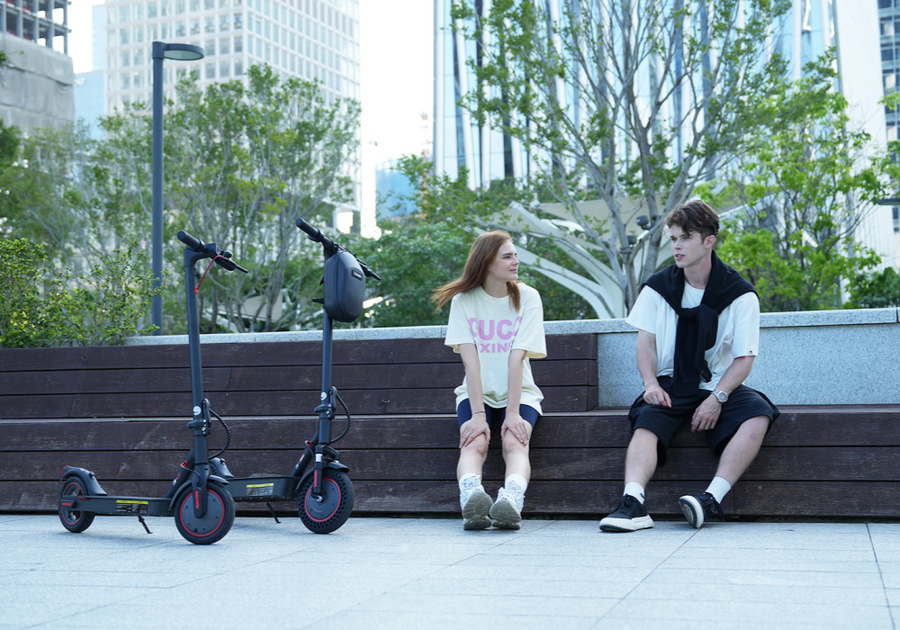
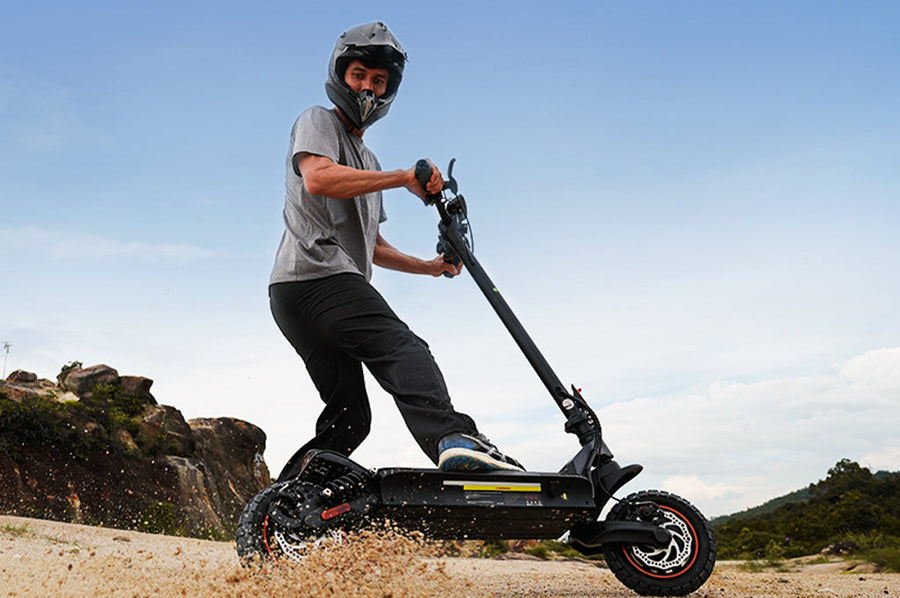
Buying your first electric scooter for adults is exciting and a little overwhelming. You've probably spent time scrolling through specs, wondering what wattage actually means and whether you really need suspension. The good news: it's simpler than it looks, and within minutes of your first ride, most of the anxiety melts away. This guide cuts through the noise specifically for UK beginners. You'll learn what that first ride genuinely feels like, how to choose the right model without getting lost in numbers, how to get set up quickly, where you can legally ride in the UK, and the most common first-week mistakes to sidestep. By the end, you'll feel confident, informed, and ready to roll. Nobody warns you about the grin. That involuntary, slightly embarrassing smile that appears the moment you squeeze the throttle for the first time. Riding an electric scooter for adults is genuinely intuitive, far more so than cycling or skateboarding but there are a few sensations worth knowing about in advance. Most adults find their footing within five to ten minutes. The key is keeping your knees soft (slightly bent), placing your feet shoulder-width apart on the deck, and looking ahead rather than down. Staring at the ground is the single fastest way to wobble. Electric scooters typically use a combination of regenerative braking (activated by the throttle or a lever) and a rear foot brake. Practice stopping from low speeds in a quiet space before you head anywhere near traffic. Progressive, smooth braking is always the goal while grabbing the brake hard at speed will pitch you forward. Most models for beginners offer multiple riding modes. Start in the lowest setting. You'll have plenty of time to unlock higher speeds once your confidence builds. Within a week of regular short rides, these adjustments become second nature. Most beginners report feeling genuinely comfortable after three to five sessions. The spec sheet on any electric scooter can look intimidating, motor wattage, battery capacity in watt-hours, IP ratings. Here's the practical translation for a first-time buyer in the UK. For a beginner on flat urban roads, 350W–500W is entirely sufficient. Riders who regularly encounter hills should consider 500W and above. You don't need 800W for a morning commute, that's power you'll rarely use and weight you'll always carry. Manufacturers quote maximum range under ideal conditions (light rider, flat surface, low speed). A realistic rule of thumb is to take 60–70% of the stated range as your working estimate. For most UK commuters, 15–20 miles of real-world range is more than adequate. This matters more than most beginners anticipate. If your journey involves stairs, public transport, or carrying the scooter into an office, a lightweight electric scooter for adults becomes a genuine priority rather than a nice-to-have. Look for models under 13–14kg with a one-step folding mechanism. iScooter’s range is built to balance affordability, quality, and ease of use. The iScooter i9 is a popular choice for beginners thanks to its lightweight, foldable design and rider-friendly speed modes — ideal for anyone looking to buy an electric scooter in the UK without paying for unnecessary extras. When comparing options, prioritise: a solid warranty, responsive UK customer support, and genuine spare parts availability. These matter far more than chasing the highest top speed you'll never legally use. One of the pleasant surprises with iScooter models is how little assembly is actually required. Most arrive largely pre-assembled. The main tasks are attaching the handlebar stem, inserting a few bolts, and charging the battery before your first ride. Here's the general process: Total time from box to first ride: approximately ten minutes of actual effort, plus charging time. It's genuinely beginner-friendly, and iScooter's setup videos on their website walk through each step if you prefer visual guidance. This confuses almost every new rider, so here’s the simple answer: privately owned e-scooters are still restricted under UK law. As of 2025, private e-scooters cannot legally be used on public roads, cycle lanes, or pavements in England, Scotland, or Wales. They’re only permitted on private land with the owner’s permission. Rental e-scooters in approved government trial areas are different — those can legally be ridden on roads and cycle lanes within designated zones. In practice, legal riding areas include: UK regulations are expected to change, so it’s worth checking the latest Department for Transport guidance before riding publicly. For now, many iScooter riders enjoy their scooters on private land or in permitted spaces while waiting for wider legalisation in the UK. Even with the best preparation, first-time riders tend to make the same handful of errors. Knowing them in advance saves you the bruises. Rain reduces braking distance significantly and makes tyres slip on painted road markings and metal surfaces. Give yourself at least a week of dry-weather practice before riding in wet conditions, even if your scooter is water-resistant. Every iScooter model ships with beginner-friendly speed modes for a reason. Starting in the highest setting because it's available is how people end up on the ground in the first ten minutes. Spend your first few sessions in the lowest mode and you'll graduate quickly. At 15mph, a scooter takes considerably more distance to stop than most new riders expect. Leave more space than feels necessary when following anything. Even on private land at low speeds, a fall onto pavement is a fall onto pavement. A decent cycle helmet takes seconds to put on. Repeatedly folding and unfolding without checking the clamp properly can loosen fittings over time. A quick check before each ride costs nothing. Lithium batteries last significantly longer when kept between 20% and 80% charge for daily use, with a full charge only occasionally. Most iScooter models display battery level clearly, get into the habit of charging before it drops below 20%. Choosing your first electric scooter for adults doesn't need to be a research marathon. The fundamentals are straightforward: pick a lightweight, foldable model that matches your real-world range needs, start in the lowest speed mode, and give yourself a few short sessions to build confidence before pushing further. iScooter's beginner-friendly range — particularly the i9 — is designed precisely for riders at this stage, combining ease of use with solid build quality and genuine UK support. As the UK's regulatory landscape continues to move toward legalising private electric scooters on public roads, now is a smart time to get comfortable on one. Most adults get comfortable riding an electric scooter within 30–60 minutes over a few short sessions. Basic balance and braking are easy to pick up, while confident turning and manoeuvring may take a bit longer. The learning curve varies, but it’s usually quicker than expected. Start in Mode 1, the lowest setting, even if you’ve ridden similar vehicles before. Most iScooter models limit Mode 1 to around 6–10mph, giving you time to get comfortable with the throttle and brakes before moving up. Most riders switch to Mode 2 after a few sessions. iScooter scooters arrive largely pre-assembled. The main steps involve securing the handlebar stem and charging the battery — both of which take under ten minutes. No specialist tools are needed, and the included manual covers every step clearly. If you prefer visual guidance, iScooter provides setup videos on their website. The iScooter i9 is a top choice for UK beginners thanks to its lightweight design, easy one-step folding system, and beginner-friendly speed modes. It is a great option for anyone looking for a foldable electric scooter for adults with a simple, confidence-building riding experience. What to Expect the First Time You Ride an Electric Scooter
Balance comes quickly
Braking feels different from a bicycle
The throttle is more responsive than you expect
Electric Scooter for Adults: How to Choose Your First iScooter Without Overwhelming Yourself
Motor power
Range
Weight and foldability
iScooter's range
The 10-Minute Setup: Unboxing and Getting Your iScooter Road-Ready
Where Can You Legally Ride as a Beginner in the UK?
Rookie Mistakes to Avoid on Your First Week of Riding
Riding in poor conditions before you're ready
Ignoring the speed modes
Underestimating stopping distance
Not wearing a helmet
Overlooking the fold mechanism during storage
Letting the battery drain to zero regularly
Making the Right Choice for Your First Ride
Electric Scooter for Adults — Beginner Questions Answered
How long does it take to learn to ride an electric scooter as an adult?
What speed mode should a beginner use on an iScooter?
Do iScooter models come fully assembled or require setup?
What is the easiest iScooter model for a complete first-time rider?
iScooter E Scooter Collections:
Electric Scooter | Kids Electric Scooter | Electric Scooter for Adults | Electric Scooter with Seat | Off-Road Electric Scooter | Foldable Electric Scooter | Girls Electric Scooter | 1000W Electric Scooter | 2000W Electric Scooter | Boys Electric Scooter | Dual Motor Electric Scooter | Big Electric Scooter | Electric Scooter with Suspension | Lightweight Electric Scooter | Commuter E-Scooters | 3 Wheel Electric Scooter
Show more ▼iScooter E Bike Collections:
Foldable Electric Bike | Affordable Cheap Electric Bike | Electric Bike for Adults | Electric Motor Bikes | Trek Electric Bike | Fastest Electric Bike | Electric Road Bike | Full Suspension Electric Mountain Bike | Giant Electric Bike | Womens Ladies Electric Bike | Mens Electric Bike | Electric Bike with Throttle | Electric Gravel Bike | Electric Mountain Bike UK | Fat Tyre Electric Bike | Electric Hybrid Bike | Electric Motorised Bike | Electric Push Bike | 1000W Electric Bike | Cool Electric Bikes | Electric Off Road Bike | Pedal Assist Electric Bike | Good Electric Bikes | Small Electric Bike | Trek Electric Mountain Bike | 2000W Electric Bike | Full Suspension Electric Bike | Mini Electric Bike | Road Legal Electric Bike | Step Through Electric Bike
Show more ▼👍 Buying Guide | 🚴♂️ Riding Guide
📋 Feature Guide | ❓ Common problem

Product category
Electric Scooter
Cheap Electric Scooters for Adults | Fastest Electric Scooter | Kids Electric Scooter | Mini Electric Scooter
Electric Bike
U4 Foldable E-bike | EB3S E-MTB
Hoverboards
Electric Scooter for Kids | iK3Pro E-Scooter for Kids | iK7 Height Adjustable Kids E-Scooter






Article tags : Never Ridden an Electric Scooter Before? Here's Everything a UK Beginner Needs to Know ·
Leave us a message