










Do You Own the Bike After the Cycle to Work Scheme? Own It Now Explained
Do You Own the Bike After the Cycle to Work Scheme? Own It Now Explained
The Cycle to Work Scheme is a great way to save money on a new bike, but many riders still wonder: do you actually own the bike once the scheme ends? Ownership isn't automatic, and the rules around HMRC valuations, hire periods, and end-of-agreement fees like "Own It Now" and "Own It Later" can be confusing. This guide breaks down exactly who owns the bike during the scheme, what your options are when the agreement finishes, and how to make the bike officially yours at the lowest possible cost.
Do You Own the Bike After the Cycle to Work Scheme?
No, you don't automatically own the bike once the initial hire period ends. Under the Cycle to Work Scheme, your employer buys the bike and hires it to you through salary sacrifice, so legal ownership stays with them for the length of the agreement. To take full ownership, you need to choose an approved end-of-hire option: paying a one-off "Own It Now" fee, moving to "Own It Later" through an extended hire, or returning the bike.
How Ownership Works: Own It Now, Own It Later, or Return
Once your tax-efficient hire period ends (usually after 12 months), you'll be offered a choice that affects both your total savings and what you pay next. For a full breakdown of how the scheme is structured from application to hire, see our guide to how the Cycle to Work Scheme works.
Own It Later (most popular option)
You pay a small, usually refundable deposit, typically 3% of the bike's value for bikes under £500, or 7% for bikes over £500. After that, there's nothing else to pay, and ownership transfers to you automatically once the extended hire period (often 3 to 6 years) ends. If you decide you don't want the bike, you can return it and get your deposit back.
Own It Now
If you'd rather take ownership straight away, you pay a Fair Market Value (FMV) fee based on HMRC's valuation table for the bike's age and original price. This gives you instant ownership but is almost always the most expensive route in year one.
Return the bike
If you no longer want the bike, you can simply hand it back at the end of the hire period with no further payment required.
What Is Fair Market Value (FMV)?
Fair Market Value is the HMRC-approved valuation used to work out what you'd pay to own the bike outright at a given point in the hire period. HMRC's Valuation Table sets the percentage by age and original price:
| Age of bike | Original price under £500 | Original price £500+ |
|---|---|---|
| 1 year | 18% | 25% |
| 2 years | 13% | 17% |
| 3 years | 8% | 12% |
| 4 years | 3% | 7% |
| 5 years | Negligible | 2% |
| 6+ years | Negligible | Negligible |
This is why most providers steer riders toward the extended hire ("Own It Later") route, it lets the bike depreciate on paper until the ownership fee drops to almost nothing, while you keep riding it the whole time.
How Much Does It Cost to Keep Your Bike?
Here's what Own It Now would cost on a £1,000 bike (using the £500+ column above):
- 1-year FMV (25%) → £250
- 2-year FMV (17%) → £170
- 3-year FMV (12%) → £120
- 4-year FMV (7%) → £70
- 5-year FMV (2%) → £20
- 6+ years → Negligible, often £0–£1
Most employees choose the extended hire route instead, paying a small refundable deposit up front and letting the value wind down until ownership transfers for next to nothing.
Is Own It Now Legit? Does Every Provider Handle It the Same Way?
Yes, Own It Now is a legitimate, HMRC-recognised option. It's simply the higher-cost way to take ownership immediately rather than waiting out an extended hire. That said, not every Cycle to Work provider calculates or offers it the same way.
Most follow HMRC's percentage table above, but some charge a flat nominal fee (as little as £1) instead, and hire periods can range from 12 months up to 60 months depending on the provider. Always check your specific provider's terms on ownership fees and extended hire before assuming a figure applies to you.
Can You Get an Electric Bike Through the Scheme?
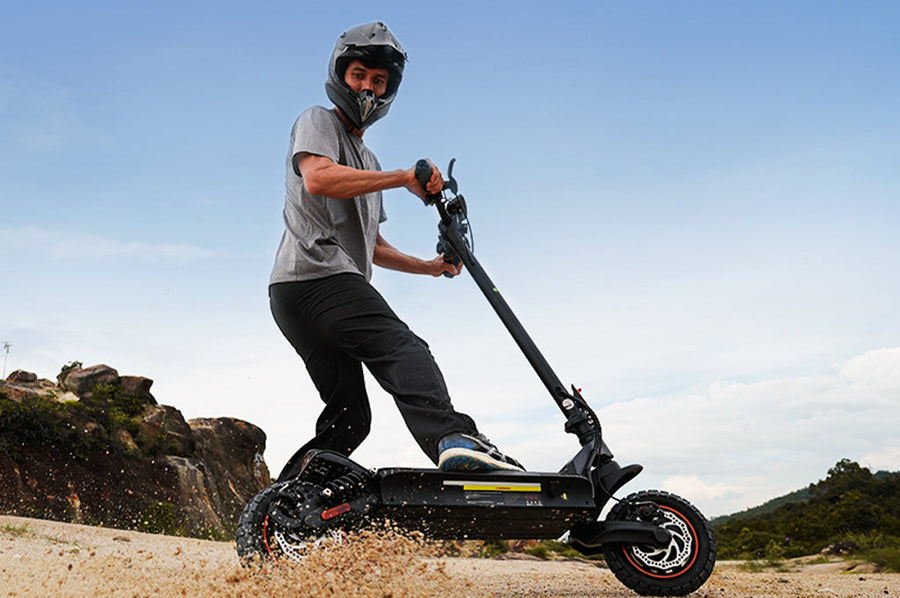
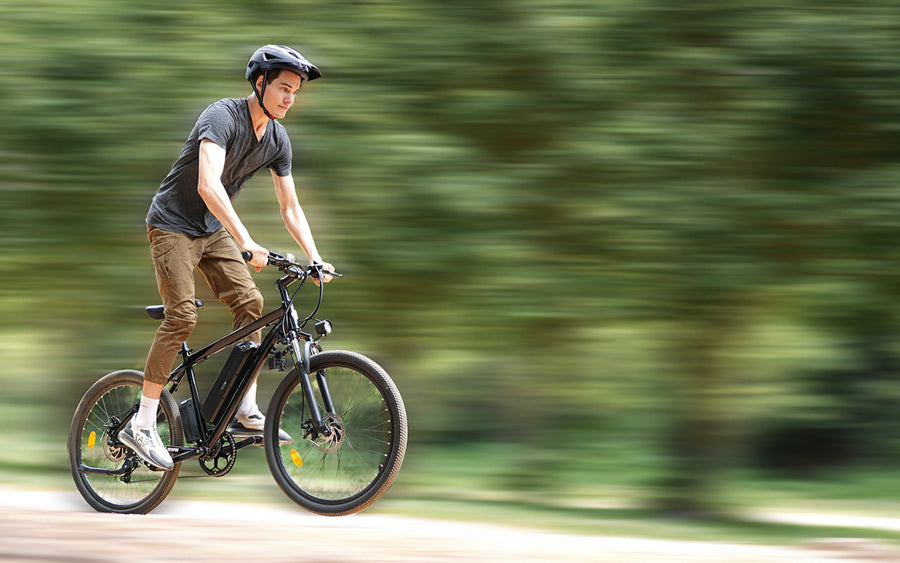
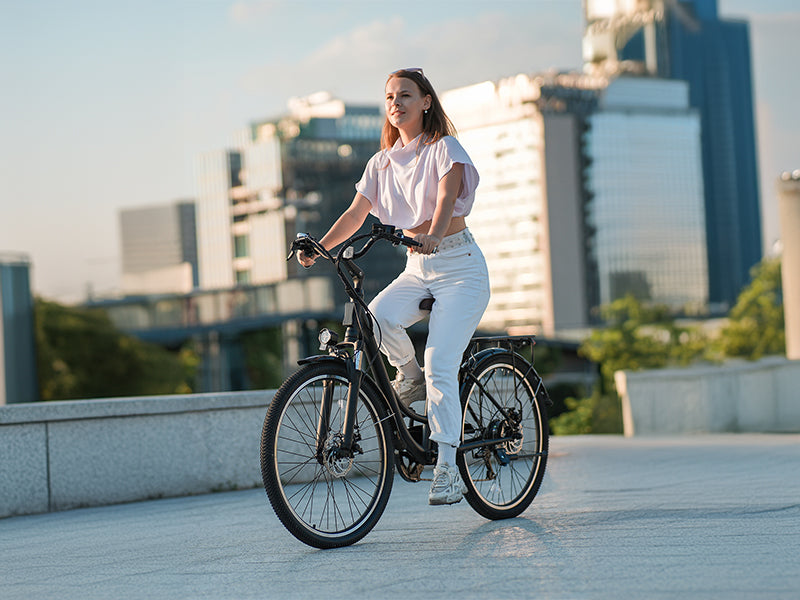
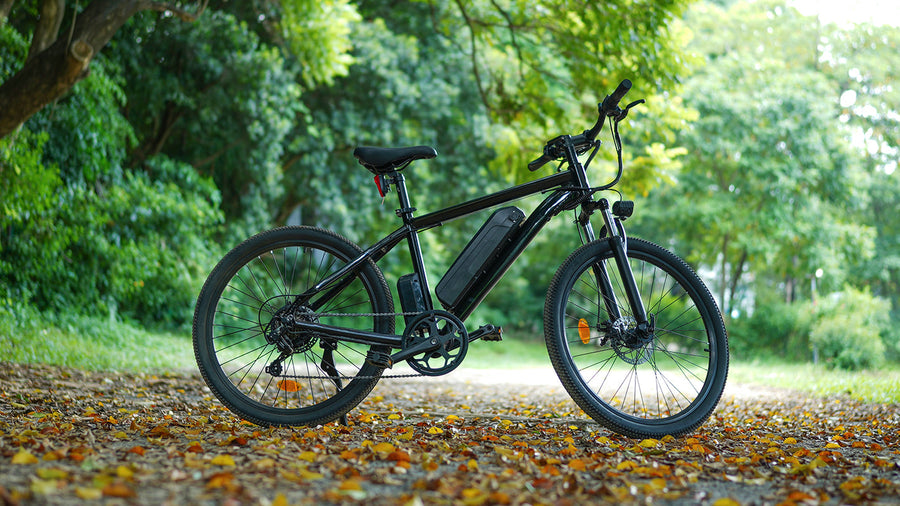
Yes, but only certain types qualify. The scheme covers pedal-assist electric bikes (legally classed as EAPCs, or "electrically assisted pedal cycles") in the same way it covers standard bikes. Throttle-controlled electric scooters and mopeds are not eligible, since they aren't classed as pedal cycles under the scheme's rules. If you're choosing an e-bike through your employer's scheme, it's worth checking with the retailer that the exact model meets EAPC requirements before you check out.
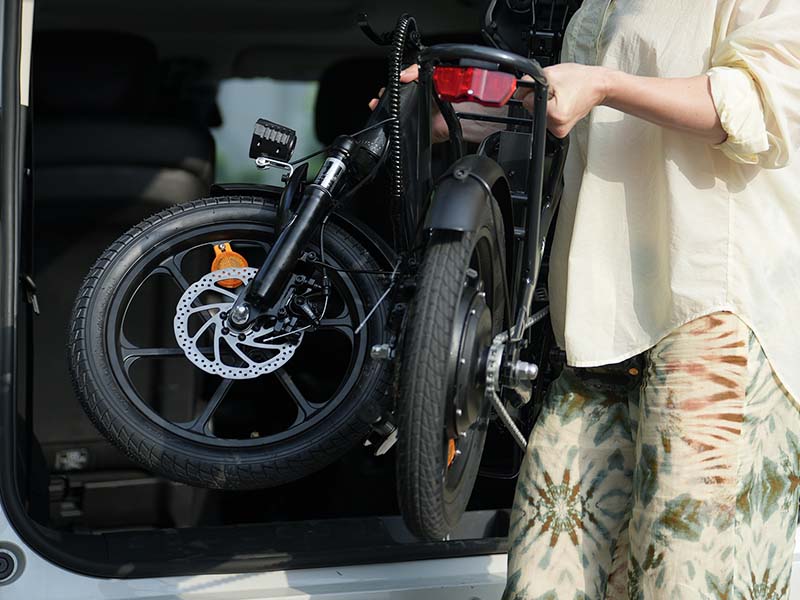
iScooter's electric bike range includes several pedal-assist models suited to riders getting started with the scheme, including compact options like the electric bikes for adults collection and foldable electric bikes for easier storage. If you're comparing value for money, our roundup of the best electric bikes under £500 is a useful starting point, and our full electric bike buyer's guide covers the wider range. You can also compare electric bike models side by side before deciding which one to put through your scheme.
Pros & Cons of Owning the Bike After the Scheme
Pros:
- Lower long-term cost — salary sacrifice savings plus a low final ownership fee mean the bike ends up costing far less than buying outright.
- Full control — once you own it, you can ride, modify, or upgrade it freely.
- Manageable final payment — extended hire keeps the eventual fee small, often £20–£70 on a mid-range bike.
Cons:
- Ownership isn't automatic — you must actively choose an option and, in most cases, pay something.
- You can't sell or dispose of the bike freely until ownership has legally transferred.
- Rules vary by provider — FMV calculations, hire lengths, and fees differ, so check the details of your specific scheme.
Before choosing a bike, it's worth reading up on the features worth checking before you buy, since a well-specified bike will serve you well beyond the end of the hire period.
Conclusion
Do you own the bike after the Cycle to Work Scheme? Not straight away. During the hire period, the bike legally belongs to your employer or provider. Ownership transfers once you either pay the Fair Market Value fee through Own It Now, or complete an extended hire under Own It Later, which usually brings the final cost down to a small deposit. Once you understand HMRC's rules and your provider's specific process, turning your hire bike into a bike you fully own is straightforward and cost-effective.
FAQs
How much does Own It Now cost in the UK?
It depends on the bike's original price and age. In year one, expect 18% of the value for bikes under £500, or 25% for bikes over £500, dropping steadily each year after that.
What happens if I leave my job before the hire period ends?
You'll usually need to pay the outstanding balance or the Fair Market Value fee before you leave, since the scheme depends on ongoing salary sacrifice. Check with your HR team or provider, as terms vary.
Can I get an e-bike, or an e-scooter, through the Cycle to Work Scheme?
Pedal-assist electric bikes (EAPCs) are eligible. Throttle-controlled electric scooters are not, as they don't meet the scheme's definition of a pedal cycle.
iScooter E Scooter Collections:
Electric Scooter | Kids Electric Scooter | Electric Scooter for Adults | Electric Scooter with Seat | Off-Road Electric Scooter | Foldable Electric Scooter | Girls Electric Scooter | 1000W Electric Scooter | 2000W Electric Scooter | Boys Electric Scooter | Dual Motor Electric Scooter | Big Electric Scooter | Electric Scooter with Suspension | Lightweight Electric Scooter | Commuter E-Scooters | 3 Wheel Electric Scooter
Show more ▼iScooter E Bike Collections:
Foldable Electric Bike | Affordable Cheap Electric Bike | Electric Bike for Adults | Electric Motor Bikes | Trek Electric Bike | Fastest Electric Bike | Electric Road Bike | Full Suspension Electric Mountain Bike | Giant Electric Bike | Womens Ladies Electric Bike | Mens Electric Bike | Electric Bike with Throttle | Electric Gravel Bike | Electric Mountain Bike UK | Fat Tyre Electric Bike | Electric Hybrid Bike | Electric Motorised Bike | Electric Push Bike | 1000W Electric Bike | Cool Electric Bikes | Electric Off Road Bike | Pedal Assist Electric Bike | Good Electric Bikes | Small Electric Bike | Trek Electric Mountain Bike | 2000W Electric Bike | Full Suspension Electric Bike | Mini Electric Bike | Road Legal Electric Bike | Step Through Electric Bike
Show more ▼👍 Buying Guide | 🚴♂️ Riding Guide
📋 Feature Guide | ❓ Common problem

Product category
Electric Scooter
Cheap Electric Scooters for Adults | Fastest Electric Scooter | Kids Electric Scooter | Mini Electric Scooter
Electric Bike
U4 Foldable E-bike | EB3S E-MTB
Hoverboards
Electric Scooter for Kids | iK3Pro E-Scooter for Kids | iK7 Height Adjustable Kids E-Scooter









Article tags :
Leave us a message