










The Complete Guide to E-Bike Maintenance for Beginners
What to check before every ride on your e-bike
Missing one soft brake lever or one under-inflated tyre can turn a simple journey into a repair bill. That is why e-bike maintenance for beginners should start with a short routine you can repeat before every ride, rather than a complicated workshop plan. On an electric bike, extra weight, motor assistance, and higher average speeds mean small issues show up quickly in tyres, brakes, and the drivetrain.
In practical terms, your goal is not to become a mechanic overnight. Instead, you need a safe pattern for daily checks, simple cleaning, sensible battery care, and clear warning signs that tell you when to stop riding and book professional help. This guide walks through those basics first, then shows how to maintain an electric bike in a way that suits commuting, leisure use, and mixed-surface riding.
The maintenance basics every beginner needs first
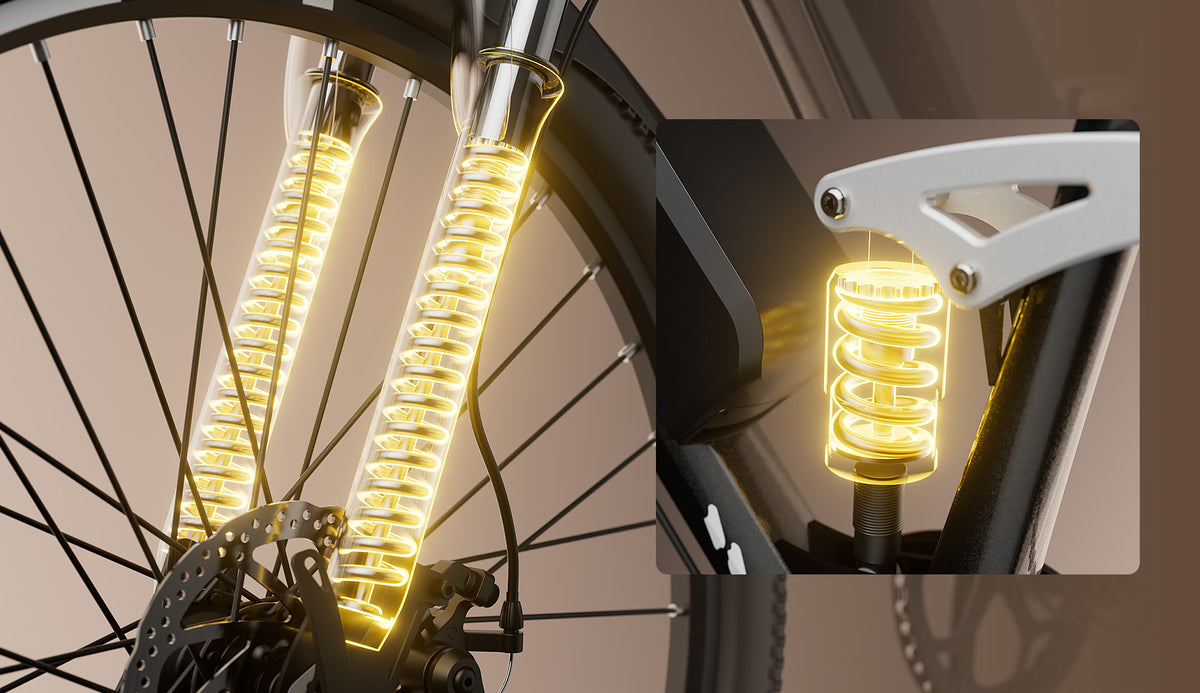
A good routine works best when you know which parts matter most. For most new riders, the priority is simple: start with the parts that affect control, stopping distance, and reliability before you think about cosmetic cleaning.
Know the parts that affect safety most
Your first checks should focus on the contact points between bike and road. According to Bikeability guidance, a cycle should be checked regularly for working brakes, suitable tyres, and a chain that is clean and lightly oiled. (bikeability.org.uk) On an e-bike, that same logic applies, but the battery, display, lights, and charging contacts also deserve regular attention because they affect both function and safety. (gov.uk)
- Tyres: check pressure, tread depth, and sidewall damage
- Brakes: test lever feel and listen for rubbing or squealing
- Chain: look for dirt, rust, and dry links
- Battery: monitor charge level, storage habits, and visible damage
- Electrics: confirm lights, display, and connectors are working properly
Understand why routine care matters
Routine care is mostly about preventing minor wear from becoming a bigger fault. Clean tyres and correctly adjusted brakes help you ride more predictably in traffic, while a lightly lubricated chain reduces noise and unnecessary drivetrain wear. Cycling UK also advises against using a pressure washer and recommends oiling the chain after washing once it is dry, which underlines how basic maintenance directly affects component life. (cyclinguk.org)
A steady routine usually leads to:
- safer daily riding
- more consistent battery efficiency
- fewer avoidable workshop visits
- longer life for chains, pads, and tyres
Separate quick checks from deeper servicing
Beginners often make maintenance harder than it needs to be. The easiest fix is to divide jobs by timing so you are not trying to inspect everything at once.
- Before each ride: tyres, brakes, lights, display, chain noise
- Weekly: wipe-down, chain clean and lubricate, visible bolt check
- Monthly: brake pad wear, drivetrain condition, wiring and connectors
- Seasonally or before storage: battery charge level, indoor storage plan, full inspection
How to build a simple e-bike maintenance routine
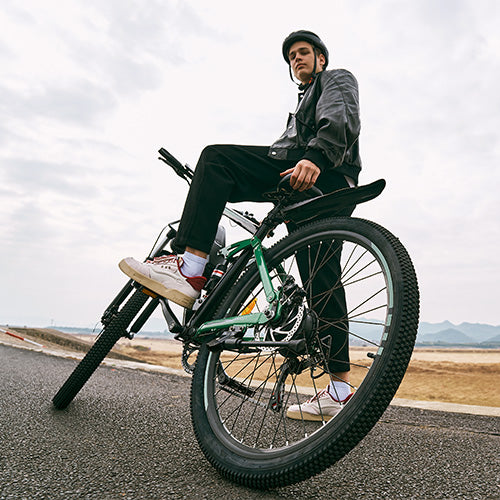
A beginner routine should feel realistic. If it takes 30 minutes every time, you will stop doing it. If it takes five minutes before a ride and a little longer once a week, you are far more likely to keep up with it.
Start with a pre-ride check
Your pre-ride check is the core of how to maintain an electric bike without feeling overwhelmed. A quick ABC-style habit works well: air, brakes, and chain, then add electronics for an e-bike. Bikeability and other UK cycling guidance both support regular brake, tyre, and chain checks before setting off. (bikeability.org.uk)
Run through this short list before you leave:
- check tyre pressure with a gauge, not by thumb alone
- squeeze both brake levers firmly; they should not pull back too far
- spin both wheels and watch for rubbing or a visible wobble
- turn on the display and lights
- listen for chain rattle, grinding, or unusual motor noise
If one item feels wrong, sort it before riding. Five minutes at home is better than a roadside problem.
Clean the bike without harming electronics
Good e-bike cleaning tips are simple: use less water, more patience, and dry the bike properly. Cycling UK says you should never use a pressure washer, and that applies even more strongly to an e-bike because water forced into bearings, connectors, or seals can cause damage. (cyclinguk.org)
A safe cleaning routine looks like this:
- use a bucket of warm water, a sponge, and a soft brush
- wipe mud and grit away gently instead of blasting it off
- avoid spraying the display, motor area, battery mount, and charging port
- dry the frame, chain area, and battery contacts thoroughly
- re-lubricate the chain after the bike is clean and dry
This matters most after wet or gritty rides. Road grime and standing moisture can wear chains faster and encourage corrosion on metal parts.
Look after the battery properly
Battery care is one of the most important parts of e-bike battery care because the battery is both expensive and safety-critical. UK government guidance for e-cycle users says lithium battery packs are generally safe in normal use, but damaged batteries or improper charging and storage can lead to serious fires. (gov.uk)
For everyday use, keep the routine sensible:
- top up the charge when practical rather than leaving it flat
- avoid long storage at either 100% or completely empty
- store the battery at roughly 30% to 60% charge if the bike will sit unused
- keep it in a cool, dry indoor place
- inspect the casing and charging port for damage before charging
If the battery becomes swollen, unusually hot, cracked, or starts behaving erratically, stop using it and get professional advice immediately. GOV.UK also advises using the correct charger and following the manufacturer’s safety instructions for charging and storage. (gov.uk)
Which maintenance points matter most when choosing your routine?
Not every rider needs the same checklist. A short city commute in dry weather creates a different maintenance pattern from canal-path leisure riding or regular weekend trail use. The best routine matches how and where you ride.
Use case changes the checklist
Your riding style determines which parts need the closest attention.
- Commuting: frequent brake checks matter because stop-start riding wears pads faster
- Mixed-surface leisure rides: tyres and chain cleaning become more important after dust or gravel
- Wet-weather use: drying the bike promptly matters more, especially around bolts and connectors
- Longer-distance riding: battery habits and tyre pressure affect efficiency and comfort more noticeably
If your e-bike is used four or five days a week, weekly checks should be non-negotiable. If you only ride at weekends, focus on a careful pre-ride inspection each time.
Component type affects service needs
Different parts change the work involved in electric bike brake and tyre checks and general upkeep. Larger tyres often give more comfort and grip, but they still need pressure monitoring because the wrong pressure can make handling vague or harsh.
Here is a quick decision table:
| Component type | What to watch | Why it matters |
|---|---|---|
| Larger all-terrain tyres | pressure and sidewall wear | affects grip, comfort, and puncture resistance |
| Disc brakes | pad wear and rotor rub | affects stopping power and noise |
| Removable battery | clean contacts and storage habits | easier charging, but ports need care |
| Suspension setup | bolts, seals, and dirt build-up | extra moving parts need regular inspection |
Service urgency comes from symptoms
Many beginners wait for a complete failure. A better approach is to treat noises and handling changes as early warnings.
Watch for these signs:
- squeaking or scraping brakes
- grinding, skipping, or clicking from the chain area
- noticeable drop in range versus normal riding conditions
- loose or wandering steering feel
- intermittent display, light, or assist issues
When the symptom involves braking, power delivery, battery charging, or fault codes, move quickly. Those issues are worth professional inspection rather than guesswork.
iScooter models to use as maintenance examples
It helps to picture maintenance in the context of a real bike. Within iScooter’s current UK range, the M50 and the EB3S product page provide two useful examples because they reflect different riding patterns and slightly different maintenance priorities.
iScooter M50 for commuting and mixed-terrain care
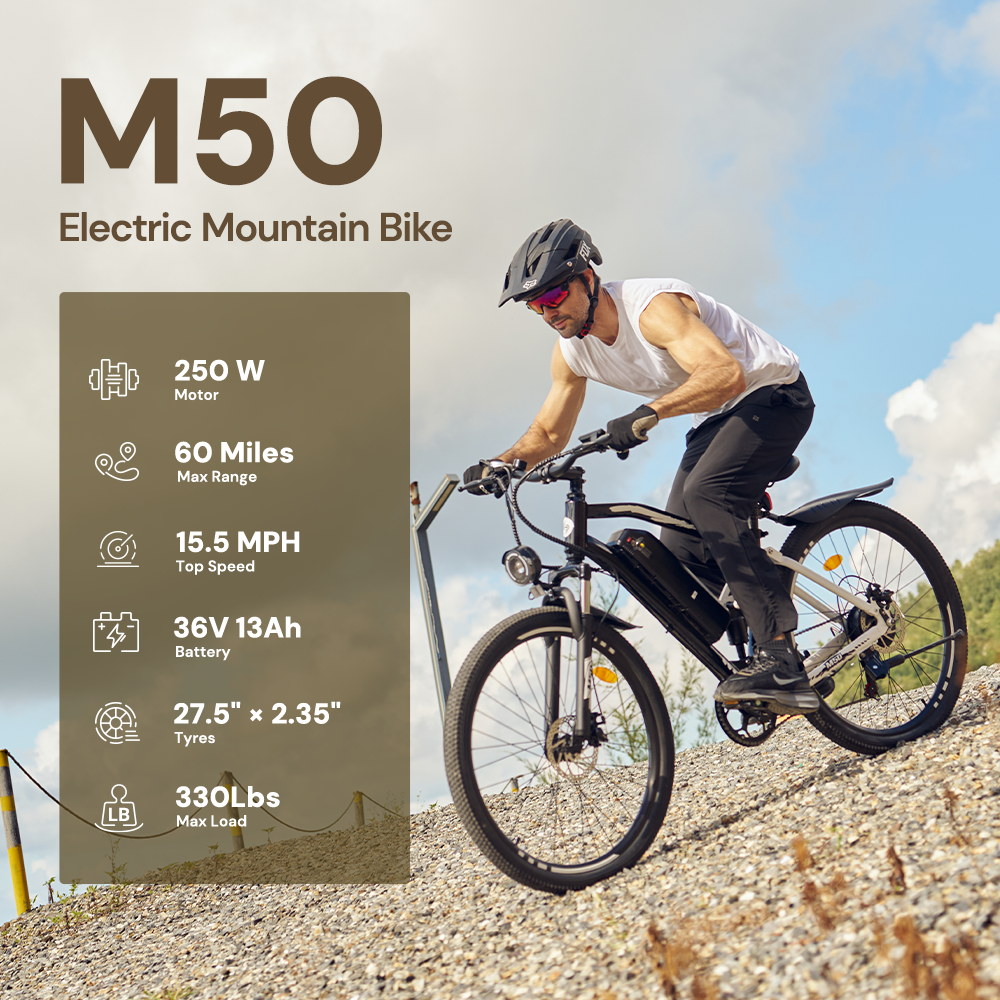
The iScooter M50 is a practical reference point for commuter-plus maintenance. On the official UK page, iScooter lists a rated 250W motor, a 468Wh battery, a quoted 44 to 60 mile range, 27.5 × 2.35 inch pneumatic tyres, and an IP65 waterproof level. Those details matter because they shape what you check most often.
For example, the larger tyres and mixed-use positioning mean you should keep a close eye on pressure and tread after potholes, towpaths, or rougher urban roads. The removable battery setup also makes charging indoors more convenient, but you still need to keep contacts dry and clean after wet rides. If you commute through rain or grime, clean the drivetrain sooner rather than waiting for visible build-up.
Shop: M50 Electric Hybrid Bike
iScooter EB3S for beginner off-road style upkeep

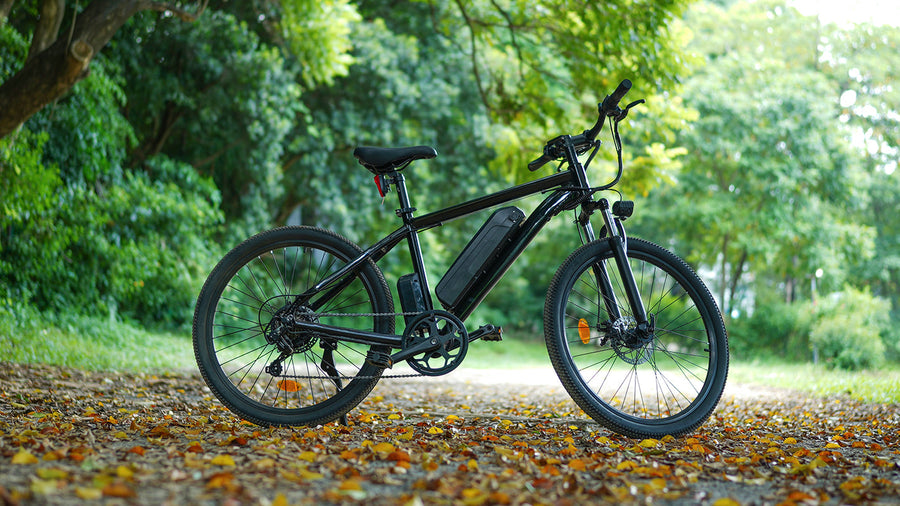
For riders who want a more mountain-style example, the official UK page at the M10 URL currently presents the iScooter EB3S. iScooter lists a rated 250W motor, a 486Wh battery, a quoted 44 to 60 mile range, 26 × 1.95 inch pneumatic tyres, and an IP65 waterproof battery system. That combination points to a routine with more frequent post-ride cleaning when the bike sees gravel, dust, puddles, or light off-road conditions.
The key beginner lesson here is that “waterproof” does not mean “pressure-washer safe”. After dirty rides, wipe down the frame, fork area, and wheel zones carefully, then dry the battery mount and connectors fully. Because mixed-surface riding can hide loose fasteners and increase brake contamination, add a monthly bolt and pad inspection to your routine.
Shop: EB3S Electric Mountain Bike
Common beginner mistakes that shorten e-bike life
Most avoidable damage comes from a few repeated habits. The good news is that they are easy to correct once you know what to look for.
What to do
These habits keep your routine manageable and reduce preventable wear:
- check tyres before every ride
- clean gently after muddy or wet journeys
- lubricate the chain little and often
- store the battery partly charged indoors
- get qualified help for electrical faults
A written note on your phone can help. Record tyre top-ups, chain lubrication, brake pad changes, and anything unusual with charging or range.
What to avoid
A few mistakes cause disproportionate damage, especially for new riders.
- spraying high-pressure water at the bike
- ignoring soft, noisy, or rubbing brakes
- storing the battery fully empty for long periods
- continuing to ride with loose bolts or unstable handling
- opening the motor or attempting electrical repairs yourself
The strongest safety point is battery care. GOV.UK warns that damaged or improperly used lithium battery packs can present a serious fire risk, so charging faults and damaged packs should never be treated as a DIY experiment. (gov.uk)
Best habits that keep maintenance manageable
Maintenance becomes sustainable when it is built into your riding pattern rather than left for “some time later”. Little and often usually beats a big monthly catch-up.
Best practices
A simple system works well for most beginners:
- give the bike a five-minute pre-ride check
- wipe the bike down soon after wet rides
- keep one cloth, one brush, lubricant, and a tyre gauge together
- track battery behaviour and brake wear in the same note
- book an annual service if you ride regularly
If you are unsure whether something sounds normal, compare it with how the bike felt when newly set up. Sudden changes are often more important than small cosmetic issues.
Common pitfalls to avoid
Some habits look helpful but create extra work or risk later.
- over-lubricating a dirty chain, which attracts more grit
- delaying a clean after salty or muddy roads
- leaving moisture on charging contacts
- assuming range loss always means battery failure
- confusing an e-bike wash with a full service inspection
Notably, many range complaints come from tyre pressure, terrain, rider weight, wind, or assist level rather than one simple battery fault. Start with the basics before assuming the worst.
Make your e-bike maintenance routine easy to repeat
The simplest lesson is also the most useful: consistent small checks prevent bigger problems. If you can inspect tyres, brakes, lights, chain condition, and battery status before riding, you will avoid many common beginner issues long before they become expensive.
From there, keep the system repeatable. Use a pre-ride check, a weekly clean-and-lubricate habit, a monthly inspection of pads and bolts, and a sensible battery storage plan when the bike is not in use. That approach gives you a clear, beginner-friendly way to manage e-bike maintenance for beginners without turning every ride into a workshop session.
FAQ
How do I choose an electric bike with the best battery for commuting?
For commuting, choose a battery setup that matches your real round-trip distance, your terrain, and where you can charge the bike. A removable battery is especially useful if you live in a flat, store the bike in a shed, or need to charge indoors at work. Within iScooter’s current UK range, the M50 is the clearer commuter-style example, with a 468Wh battery and a quoted 44 to 60 mile range, so it suits riders who want everyday practicality with mixed-use flexibility. You should still leave a sensible range buffer rather than planning around the highest advertised figure.
Are there e-bike designed for outdoor exploration?
Yes, there are e-bikes designed for outdoor exploration, especially models built for gravel paths, uneven trails, and light off-road riding. In iScooter’s lineup, the EB3S is the better choice for mixed surfaces and a more adventure-oriented ride, while the M50 is better suited to commuting and casual leisure use. When choosing one, look at tyre width, riding position, suspension, and how often you plan to leave paved roads. Keep in mind that outdoor riding usually means more frequent cleaning and regular checks of the brakes, bolts, and tyres.
Which ebikes can you ride in the rain?
You can ride a electric bike in the rain only if the manufacturer states that it is water-resistant and suitable for wet conditions. Check the ebike’s IP rating in the manual or product specifications, and remember that even water-resistant models should not be used in deep puddles, flooding, or heavy downpours. On iScooter models, follow the product-specific guidance for rain use and avoid exposing the motor, battery area, or charging port to excessive water. If a ebike has no stated water-resistance rating, it’s safest not to ride it in the rain.
What battery habits help an e-bike last longer?
The best battery habits are moderate charging, dry storage, and avoiding extremes. Try not to leave the battery fully empty for long periods, and if the bike will be unused for a while, store it at around 30% to 60% charge in a cool, dry indoor place. Use the correct charger, and check the casing and charging port for visible damage before plugging it in. If the battery becomes hot, swollen, cracked, or unreliable, stop using it until a qualified technician has checked it.
When should I stop doing DIY maintenance and get professional help?
You should stop at home maintenance when the issue involves the battery, motor, internal wiring, repeated error codes, or braking problems that do not improve after simple checks. Basic jobs such as tyre pressure, cleaning, chain lubrication, and visual brake inspections are beginner-friendly, but electrical faults are not. A good rule is that if the bike cuts out under power, will not charge properly, or makes persistent grinding noises, it needs qualified diagnosis. That approach is safer and usually cheaper than guessing and making the fault worse.
Table of Contents
- What to check before every ride on your e-bike
- The maintenance basics every beginner needs first
- How to build a simple e-bike maintenance routine
- Which maintenance points matter most when choosing your routine?
- iScooter models to use as maintenance examples
- Common beginner mistakes that shorten e-bike life
- Best habits that keep maintenance manageable
- Make your e-bike maintenance routine easy to repeat
- FAQ
iScooter E Scooter Collections:
Electric Scooter | Kids Electric Scooter | Electric Scooter for Adults | Electric Scooter with Seat | Off-Road Electric Scooter | Foldable Electric Scooter | Girls Electric Scooter | 1000W Electric Scooter | 2000W Electric Scooter | Boys Electric Scooter | Dual Motor Electric Scooter | Big Electric Scooter | Electric Scooter with Suspension | Lightweight Electric Scooter | Commuter E-Scooters | 3 Wheel Electric Scooter
Show more ▼iScooter E Bike Collections:
Foldable Electric Bike | Affordable Cheap Electric Bike | Electric Bike for Adults | Electric Motor Bikes | Trek Electric Bike | Fastest Electric Bike | Electric Road Bike | Full Suspension Electric Mountain Bike | Giant Electric Bike | Womens Ladies Electric Bike | Mens Electric Bike | Electric Bike with Throttle | Electric Gravel Bike | Electric Mountain Bike UK | Fat Tyre Electric Bike | Electric Hybrid Bike | Electric Motorised Bike | Electric Push Bike | 1000W Electric Bike | Cool Electric Bikes | Electric Off Road Bike | Pedal Assist Electric Bike | Good Electric Bikes | Small Electric Bike | Trek Electric Mountain Bike | 2000W Electric Bike | Full Suspension Electric Bike | Mini Electric Bike | Road Legal Electric Bike | Step Through Electric Bike
Show more ▼👍 Buying Guide | 🚴♂️ Riding Guide
📋 Feature Guide | ❓ Common problem

Product category
Electric Scooter
Cheap Electric Scooters for Adults | Fastest Electric Scooter | Kids Electric Scooter | Mini Electric Scooter
Electric Bike
U4 Foldable E-bike | EB3S E-MTB
Hoverboards
Electric Scooter for Kids | iK3Pro E-Scooter for Kids | iK7 Height Adjustable Kids E-Scooter









Article tags :
Leave us a message