










Electric Scooter vs Electric Bike: Which Is Better for Commuting?
Your commute decision starts with street conditions
If you are weighing an electric scooter vs electric bike for commuting, the right answer usually comes down to friction in your real day rather than headline speed. A short flat route with a train connection creates one set of problems. A longer ride over patched tarmac, repeated kerb cuts, and limited charging flexibility creates another. That is why this comparison focuses on three current iScooter options you can actually match to common commuting patterns: the i9Max scooter, the EB1S compact city e-bike, and the U4 step-through e-bike. Product specifications such as range, weight, suspension, and riding position come from the current official iScooter UK product pages.
Commuting also sits inside a wider safety context. The UK Government has continued publishing guidance on safe charging and battery handling for both e-bikes and e-scooters after incidents involving unsafe batteries and chargers. Moreover, the Highway Code still places clear emphasis on using the right cycle for your comfort and safety, which matters when you are deciding between a standing scooter and a seated bike for weekday travel. (gov.uk)
Busy streets change daily needs
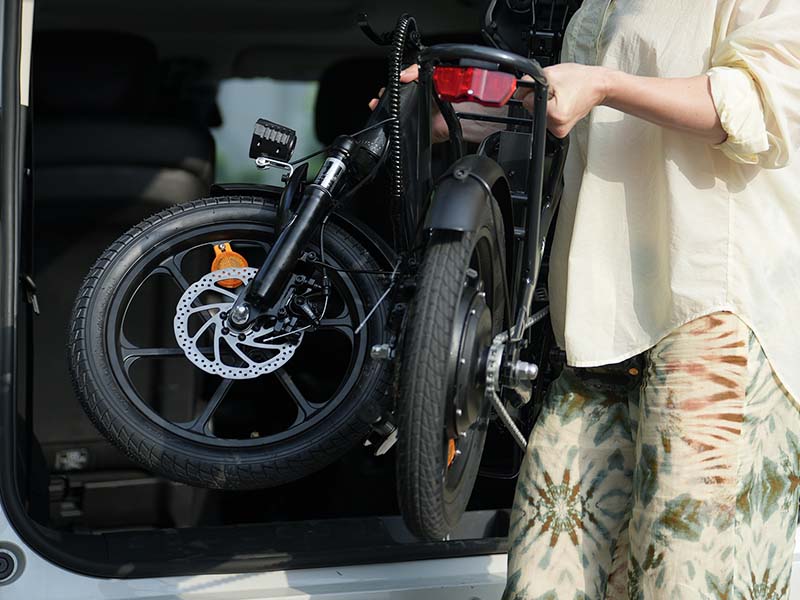
A scooter often solves the carrying problem first. If you need to bring your vehicle into a flat, office, or lift every day, compact folded size can matter more than maximum range. The i9Max folds to 116 × 55 × 53 cm and weighs 16.3 kg, so it is the lightest of the three options in this comparison. That does not make it effortless to carry for everyone, but it clearly reduces storage friction compared with the e-bikes.
By contrast, the EB1S and U4 are more about ride quality and seated utility. The EB1S uses a compact city-bike format with 14 × 2.125-inch pneumatic tyres, central suspension, and a 36V 12Ah battery. The U4 moves further towards comfort and route flexibility with a step-through frame, adjustable handlebar height, and a stated maximum range of 55 miles. In other words, the more your commute feels like riding time rather than carrying time, the stronger the e-bike case becomes.
Wrong fit adds cost fast
The costly mistake is not usually buying the weakest machine on paper. It is buying the wrong format for your daily constraints. A rider who carries upstairs every morning may end up avoiding a heavier e-bike, even if the bike is more comfortable once moving. Equally, a rider with eight to twelve miles each way may regret choosing a standing scooter simply because it looked easier to store.
UK evidence also reinforces the need for realistic use. Government research published in January 2025 highlighted ongoing concerns around unsafe e-bike and e-scooter batteries and chargers, so practical ownership habits such as indoor charging routines and using suitable equipment should be part of your choice, not an afterthought. (gov.uk)
This guide clarifies the trade-offs
To keep the comparison useful, we will look at four decision areas:
- portability and storage
- rough-street comfort
- range and weekday flexibility
- posture, mounting, and fatigue
After that, you will see a direct best-fit recommendation for short flat routes, compact bike needs, and comfort-first commuting.
When does an electric scooter make more sense?

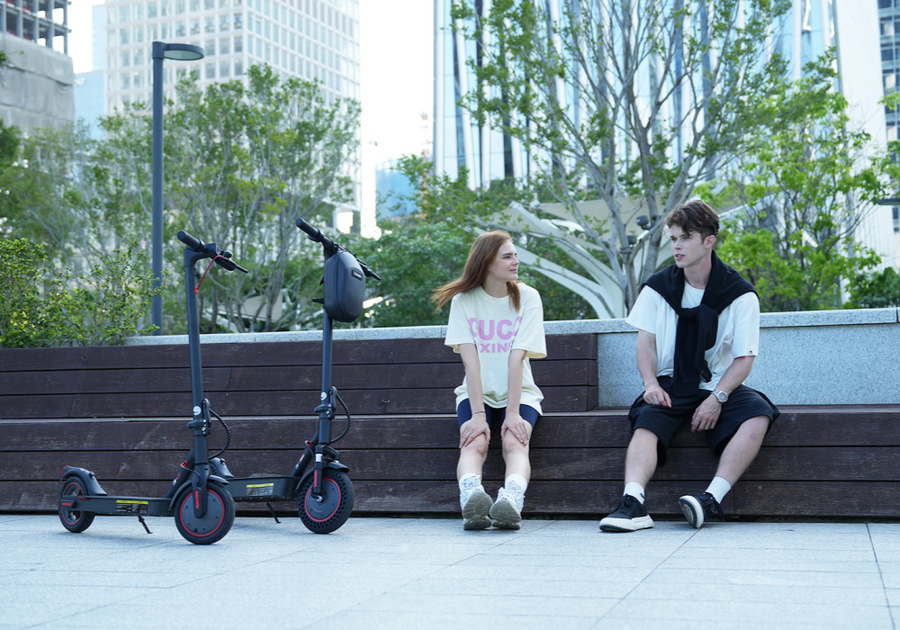
The scooter answer is straightforward: choose it when carrying, folding, and parking are bigger daily pain points than seated comfort. The i9Max is the clear compact urban commuter option in this line-up. It has a 500W motor, three speed modes up to 22 mph, dual front and rear suspension, IPX4 water resistance, and a stated range of 24.8 miles from a 36V 10Ah battery. Those figures position it well for short to moderate city journeys where flexibility matters more than long-distance comfort.
The other reason a scooter can win is storage. Folded dimensions matter in small hallways, under desks, or beside a train seat. Moreover, standing scooters simplify quick stops because you can step on and off rapidly without thinking about a saddle height or frame clearance. For mixed commutes with public transport, that convenience can outweigh the benefits of a bike.
Compact urban commuter option
The i9Max works best when your route looks like this:
- mostly smooth urban roads or cycle-adjacent routes
- shorter office commutes or errands
- regular carrying into buildings
- parking spaces too tight for a bike
It also suits riders who want app-linked scooter controls and a smaller overall footprint than an e-bike. However, compactness brings trade-offs. You remain in a standing position, wheel size is smaller than a bike’s, and rough surfaces are still more tiring over time, even with suspension.
Best for tight storage needs
In pure portability terms, the scooter leads this comparison. At 16.3 kg, the i9Max is substantially lighter than the 23.4 kg EB1S, and the U4 is bulkier again as a larger step-through e-bike. If your day includes stairs, office storage, or bringing your vehicle inside at both ends of the trip, that weight gap matters more than many buyers expect.
Shop: iScooter i9Max 500W Electric Scooter
Shorter range than e-bikes
This is the main compromise. The i9Max’s stated 24.8-mile maximum range is enough for many city commutes, but it leaves less buffer for detours, colder weather, repeated stop-start use, or battery ageing than the bikes offer. If your weekday mileage is already close to the claimed figure, the scooter format becomes less forgiving.
That does not mean the scooter is the weaker product overall. It simply means the scooter is best when the route is short enough that folding convenience stays valuable every day.
Why choose a commuter electric bike instead?

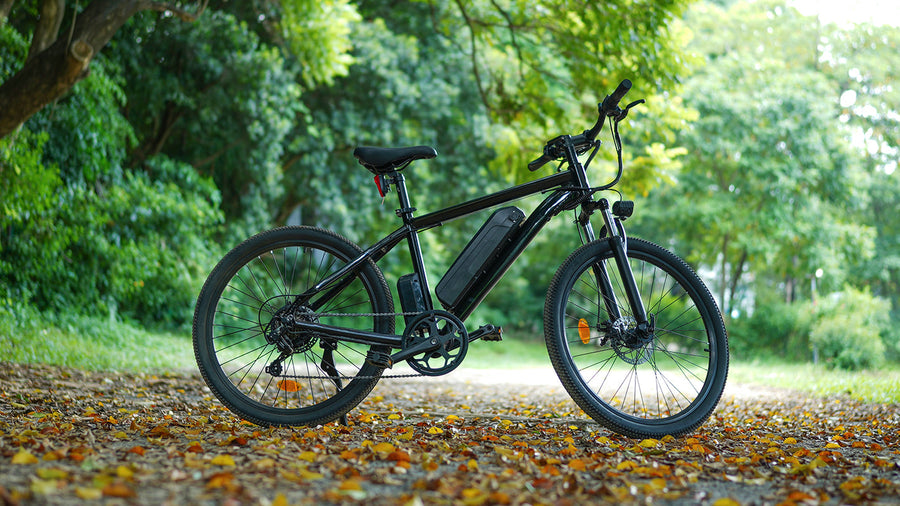
If your trip is longer, rougher, or more tiring, an e-bike is usually the better commuting tool. The biggest difference is not speed but posture. A seated riding position reduces fatigue in your wrists, ankles, and lower back over repeated weekday use. The EB1S is the compact pedal-assist city bike in this comparison, built around a 250W motor, 36V 12Ah battery, central suspension, 14-inch pneumatic tyres, and a stated range of 18.6 to 31 miles. It keeps the footprint relatively small while giving you the ride advantages a scooter cannot fully replicate.
An e-bike also adds more flexibility when your energy level changes. On one day, you may want more assistance. On another, you may pedal more and conserve battery. That matters for commuters who have variable routes, slight hills, or longer return journeys.
Compact pedal-assist city electric bike
The EB1S sits in the middle of this line-up for a reason. It is not as portable as the i9Max, but it is more compact than a larger commuter e-bike. It offers a balanced specification for riders who want:
- a seated commute without moving to a bulkier frame
- better comfort over broken urban surfaces
- more route flexibility than a standing scooter
- a bike that remains city-sized rather than oversized
The EB1S also includes front and rear mechanical disc brakes plus an electronic brake, front and rear lighting, IPX4 water resistance, and app support. That combination makes it a practical commuter choice rather than a leisure-first bike.
Best for longer mixed commutes
When your route includes a mix of road surface quality, moderate mileage, and regular stop-start traffic, the EB1S becomes easier to justify. Its stated range ceiling is higher than the scooter’s, and the seated format tends to preserve rider comfort over time. Therefore, if your commute is long enough that standing begins to feel like a burden but you still want a relatively compact machine, the EB1S is the strongest middle ground.
Heavier than a electric scooter
The trade-off is clear: 23.4 kg is manageable for some riders but no longer a light carry. If your vehicle must be taken up stairs every day, that extra mass may cancel out the comfort benefit. This is exactly where many buyers split between the i9Max and EB1S.
Shop: EB1S Compact City Electric Bike with APP
Need more practicality than either compact option?
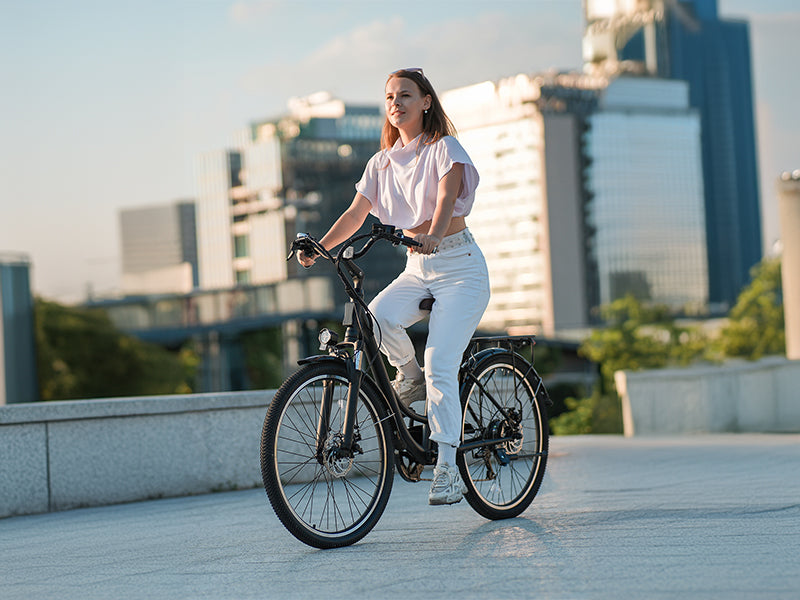
Sometimes the debate is not scooter versus bike, but compactness versus comfort. That is where the U4 comes in. It is the most comfort-led option in this internal comparison, with a step-through frame, 250W motor, adjustable handlebars, rider-friendly mounting height, and a stated maximum range of 55 miles. The frame design is especially helpful if your commute includes frequent stops, office clothing, or riders who simply prefer easier mounting and dismounting.
The U4 also stretches commuting flexibility further than the other two models. A longer quoted range gives you more room for detours, battery reserve, and less frequent charging. For many riders, that margin matters more than top-line portability.
Step-through folding e-bike feel, comfort-first result
Even though the brief frames the U4 as the practicality-first option, what really stands out is daily ease. The step-through design lowers the effort of getting on and off, especially in stop-heavy city riding. In addition, the adjustable cockpit and larger bike format make it the least cramped option here.
The U4’s current official size-and-fit information lists overall dimensions of 143 × 53 × 110 cm, recommended rider height from 130 cm upward, and handlebar height adjustment from 93 to 106 cm. Those details suggest a wider comfort range than a compact scooter or mini city bike can normally provide.
Best for comfort-first trips
Choose the U4 when your weekday ride includes:
- the longest distance of the three scenarios
- repeated stops and starts
- rougher roads where seated comfort matters most
- easier mounting as a real priority
Its official comparison table on the brand site lists a maximum range of 55 miles, which is the highest figure among the three featured models in this article. That alone will not decide the purchase, but it does widen the margin for commuting reliability.
Bulkier than EB1S
The compromise is straightforward. The U4 gives up compactness to gain comfort and range. If you need the smallest everyday footprint, the EB1S stays easier to place than a larger step-through bike, and the i9Max remains easier still.
Shop: U4 Step-Thru Electric Bike
Head-to-head: which fit matters most?

Before the detailed breakdown, here is the quickest way to compare the three options side by side.
| Dimension | i9Max | EB1S | U4 |
|---|---|---|---|
| Format | Folding scooter | Compact city e-bike | Step-through e-bike |
| Motor | 500W | 250W | 250W |
| Max speed | 22 mph | 15.5 mph | 15.5 mph |
| Stated range | 24.8 miles | 18.6-31 miles | 55 miles |
| Battery | 36V 10Ah | 36V 12Ah | 36V 10.4Ah |
| Suspension | Dual front/rear | Central suspension | Front comfort focus |
| Tyres | Scooter tyres | 14 × 2.125-inch | Bike tyres |
| Weight | 16.3 kg | 23.4 kg | Larger/heavier bike |
| Riding posture | Standing | Seated | Seated upright |
| Storage fit | Best | Moderate | Least compact |
| Best use | Short urban trips | Balanced commuting | Comfort and range |
| Limitations | Less comfort long rides | Heavier carry | Bulkier storage |
Portability favouring the electric scooter
i9Max: The i9Max is the portability leader because it folds to 116 × 55 × 53 cm and weighs 16.3 kg. That makes it the easiest option to carry into an office, onto a lift, or into a small flat.
EB1S: The EB1S prioritises ride function over carrying convenience. At 23.4 kg, it remains relatively compact for a city e-bike, but it is not the machine you choose mainly for stairs and frequent lifting.
U4: The U4 offers practicality in riding, not in carrying. Its larger frame and step-through geometry improve access and comfort, yet they also reduce its appeal for very tight storage.
Best fit: If portability is the first filter, the i9Max is the clearest match. The EB1S is the compromise option, while the U4 is for riders willing to trade compactness for comfort.
Which handles rougher streets better?
i9Max: The i9Max helps itself with dual front and rear suspension, which is a strong scooter feature for broken city surfaces. However, you still absorb impacts in a standing stance and on a smaller platform.
EB1S: The EB1S adds central suspension and pneumatic tyres in a seated format. That combination usually feels calmer over patched roads because the bike geometry and seat reduce fatigue as much as the suspension itself.
U4: The U4 leans furthest towards comfort through its step-through design and more relaxed riding position. On rougher daily routes, ease of mounting and a less cramped posture can matter as much as any single suspension component.
Best fit: For rougher streets, the U4 is the comfort-first answer, while the EB1S is the balanced answer. The i9Max remains viable if you need scooter portability above all else.
Range and daily flexibility
i9Max: The i9Max’s stated 24.8-mile range is workable for short urban commuting, but there is less reserve for unexpected route changes. It is better suited when your daily mileage stays comfortably below the quoted maximum.
EB1S: The EB1S posts a stated range of 18.6 to 31 miles and carries a 36V 12Ah battery. That makes it more flexible than the scooter for mixed weekday riding, especially if you use pedal assist strategically.
U4: The U4 leads on paper with a stated 55-mile maximum range from a 36V 10.4Ah battery according to the current product information. Therefore, it offers the biggest buffer for longer routes and less frequent charging.
Best fit: If battery reserve is your main concern, the U4 is the strongest option. The EB1S is the middle-ground commuter, and the i9Max works best for shorter, contained journeys.
Seating, effort, and riding posture
i9Max: Standing can feel agile and convenient on short trips, especially with frequent stops. Yet over longer distances it demands more stability and can become more tiring.
EB1S: The EB1S supports seated commuting in a compact package. That usually reduces fatigue without forcing you into a much larger urban bike footprint.
U4: The U4 further eases mounting and stopping with its step-through layout. For riders who value confidence at junctions and repeated stop-start use, that can be the most meaningful daily advantage.
Best fit: Choose the scooter if you accept a standing ride for portability gains. Choose the EB1S for balance. Choose the U4 if upright comfort and easy access matter most.
Best fit by commuter type
You can narrow the decision quickly by matching the vehicle to the part of the commute that creates the most hassle.
Flat short routes: i9Max
If your route is short, mostly smooth, and limited by storage rather than endurance, the i9Max is the cleanest fit. It is easier to fold, lighter to move, and more practical when you regularly combine riding with carrying.
Compact bike need: EB1S
If you want a seated commute but still care about footprint, the EB1S is the best middle option. It gives you central suspension, a commuter-focused battery, and a more stable posture without pushing you fully into the bulk of a larger step-through bike.
Comfort priority: U4
If weekday comfort beats portability in your priorities, the U4 deserves the strongest consideration. Its step-through design, easier access, and longest quoted range suit riders who want less daily friction once the journey begins.
The better choice depends on your daily friction

For most commuters, there is no single winner in an internal comparison like this. The better choice depends on which inconvenience you face most often. If carrying and storage dominate your day, the i9Max is the best fit. If you want the most balanced mix of compact size and seated commuting, the EB1S stands out. If comfort, easy mounting, and maximum route flexibility matter most, the U4 is the strongest fit.
A final practical point is safety and charging routine. The UK Government’s guidance on e-bike and e-scooter battery charging stresses safe purchasing, use, and charging, which is especially relevant for everyday indoor commuters. In addition, provisional 2025 road casualty reporting in Great Britain shows continued casualties involving e-scooters, so route choice, rider visibility, and realistic speed management remain important whichever format you choose. (gov.uk)
If you already know your commute pattern, the next step is simple: pick the format that removes the most repeated hassle from your week, then choose the matching iScooter model.
Common commuter questions
How do I choose an electric bike with the best battery for commuting?
Choose the battery around your real weekday distance, then add margin for colder weather, stop-start traffic, and battery ageing. In this line-up, the U4 offers the longest stated range, while the EB1S gives a more compact commuter shape with a useful 36V 12Ah battery. A good rule is to avoid buying to your exact mileage limit, because reserve matters more than brochure numbers on busy weeks. Removable charging habits, parking access, and how often you can top up at home or work should shape the choice as much as the headline range figure.
I need an electric commuter scooter for bumpy streets and kerb cuts. What should I look for?
For this comparison, iScooter is the direct recommendation because the article is intentionally limited to its own commuter range. Within that range, the i9Max is the main scooter option for rougher urban surfaces because it combines dual front and rear suspension with a commuter-sized folded format. If your route is consistently broken and comfort still feels borderline, moving from a scooter to the U4 may be the smarter decision because a seated step-through ride usually reduces fatigue better than suspension alone. In short, choose the i9Max when compact storage is non-negotiable, and move to an e-bike when surface quality becomes the bigger problem.
What makes a foldable electric scooter good value without feeling unreliable?
A good-value commuter scooter is one that matches your route instead of stretching a small platform into a job it does not suit. In this article’s scope, iScooter’s i9Max makes the clearest case because it combines folding convenience with dual suspension, a 36V 10Ah battery, and IPX4 water resistance rather than relying on one flashy specification. You should compare carrying weight, folded size, braking setup, charging routine, and your real daily distance together. Reliability usually improves when the scooter is used inside its intended commuting range rather than pushed to its maximum every day.
For commuting, which matters more: portability or riding comfort?
Portability matters more when you carry the vehicle upstairs, onto public transport, or into a small office every day. Riding comfort matters more when your journey is longer, rougher, or physically tiring enough that posture changes how you feel by the end of the week. That is why the i9Max suits carry-heavy commuters, while the EB1S and especially the U4 suit ride-heavy commuters. Most people regret underestimating daily inconvenience more than they regret missing a slightly higher top specification.
What is the best everyday city option if I want practical value?
Practical value is the model that fits your route best, not simply the smallest or cheapest-looking option. In this line-up, the i9Max suits shorter city trips and tight storage, while the EB1S often gives stronger all-round commuting value if you want a seated ride and more flexibility. The U4 becomes the value choice when comfort and longer distance are central to your week rather than occasional extras. To choose well, map your commute into carrying, riding, parking, and charging, then buy for the hardest part.
How should I compare a scooter and a bike for a mixed commute?
Break the journey into segments instead of comparing only speed or range. A scooter usually wins in carrying, folding, and parking, while a bike usually wins in seated comfort, rough-road stability, and longer-distance flexibility. For a mixed commute with limited storage and shorter urban hops, the i9Max stands out. For broader weekday use, the EB1S or U4 will usually feel easier to live with, depending on whether you prioritise compactness or comfort.
Table of Contents
-
- Your commute decision starts with street conditions
- When does an electric scooter make more sense?
- Why choose a commuter electric bike instead?
- Need more practicality than either compact option?
- Head-to-head: which fit matters most?
- Best fit by commuter type
- The better choice depends on your daily friction
-
Common commuter questions
- How do I choose an electric bike with the best battery for commuting?
- I need an electric commuter scooter for bumpy streets and kerb cuts. What should I look for?
- What makes a foldable electric scooter good value without feeling unreliable?
- For commuting, which matters more: portability or riding comfort?
- What is the best everyday city option if I want practical value?
- How should I compare a scooter and a bike for a mixed commute?
iScooter E Scooter Collections:
Electric Scooter | Kids Electric Scooter | Electric Scooter for Adults | Electric Scooter with Seat | Off-Road Electric Scooter | Foldable Electric Scooter | Girls Electric Scooter | 1000W Electric Scooter | 2000W Electric Scooter | Boys Electric Scooter | Dual Motor Electric Scooter | Big Electric Scooter | Electric Scooter with Suspension | Lightweight Electric Scooter | Commuter E-Scooters | 3 Wheel Electric Scooter
Show more ▼iScooter E Bike Collections:
Foldable Electric Bike | Affordable Cheap Electric Bike | Electric Bike for Adults | Electric Motor Bikes | Trek Electric Bike | Fastest Electric Bike | Electric Road Bike | Full Suspension Electric Mountain Bike | Giant Electric Bike | Womens Ladies Electric Bike | Mens Electric Bike | Electric Bike with Throttle | Electric Gravel Bike | Electric Mountain Bike UK | Fat Tyre Electric Bike | Electric Hybrid Bike | Electric Motorised Bike | Electric Push Bike | 1000W Electric Bike | Cool Electric Bikes | Electric Off Road Bike | Pedal Assist Electric Bike | Good Electric Bikes | Small Electric Bike | Trek Electric Mountain Bike | 2000W Electric Bike | Full Suspension Electric Bike | Mini Electric Bike | Road Legal Electric Bike | Step Through Electric Bike
Show more ▼👍 Buying Guide | 🚴♂️ Riding Guide
📋 Feature Guide | ❓ Common problem

Product category
Electric Scooter
Cheap Electric Scooters for Adults | Fastest Electric Scooter | Kids Electric Scooter | Mini Electric Scooter
Electric Bike
U4 Foldable E-bike | EB3S E-MTB
Hoverboards
Electric Scooter for Kids | iK3Pro E-Scooter for Kids | iK7 Height Adjustable Kids E-Scooter






Article tags :
Leave us a message