










The Ultimate Electric Scooter Buying Guide for 2026
Choose your electric scooter around your real journeys, not the biggest headline number
Picking an electric scooter can feel simple until you compare three models that all look good on paper. One promises more speed, another lists longer range, and a third adds suspension, larger tyres, or a higher water-resistance rating. However, the wrong fit usually shows up after purchase: a scooter that feels too harsh on broken roads, runs short on your commute, or becomes awkward to carry upstairs.
This electric scooter buying guide 2026 is built to help you sort those trade-offs in a practical order. Rather than starting with top speed alone, it makes more sense to match the scooter to your route, storage setup, comfort needs, and likely weather. Notably, if you are buying in the UK, legal use also matters: GOV.UK states that privately owned e-scooters cannot be ridden legally on public roads, pavements, parks, or cycle lanes, and may only be used on private land with the landowner’s permission. (gov.uk)
What matters most before you compare speed, range, or value
The best electric scooter for commuting is not always the fastest model. In practice, a good buying decision starts with the job your scooter needs to do every week, then works outward to battery, motor, tyres, brakes, portability, and wet-weather suitability.
Define your main riding job
Your main use case should shape everything else. If you begin with that, the specification sheet becomes much easier to read.
- Short urban hops: prioritise lower weight, simpler setup, and easy folding.
- Daily commuting: balance usable range, braking confidence, ride comfort, and reliability.
- Steeper routes: look more closely at motor output, rider weight limits, and climbing support.
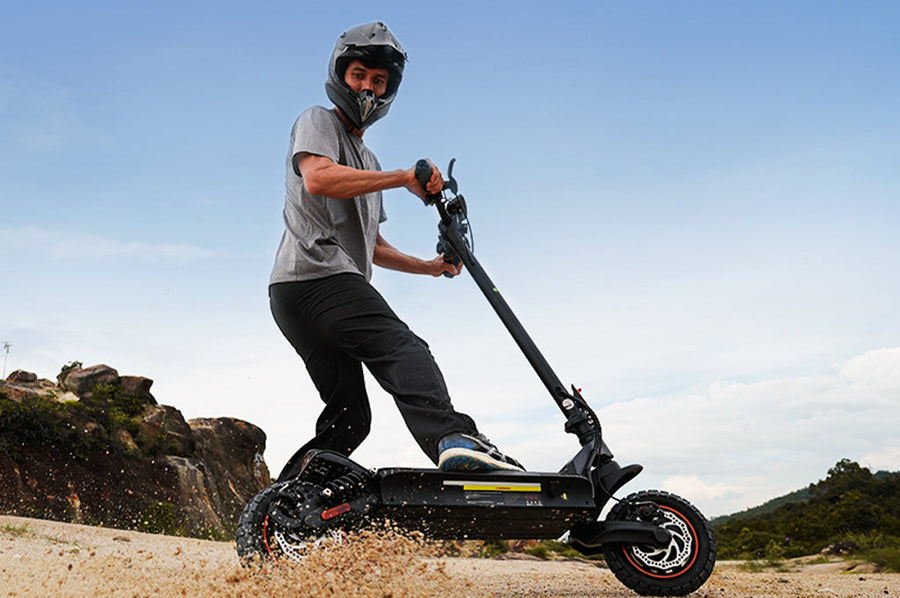
- Mixed terrain: focus on suspension, wheel size, and tyre construction.
A short errand scooter and a long-range electric scooter solve different problems. Therefore, it is better to buy for the 80% use case you will actually ride each week, rather than the rare edge case that looks exciting in a comparison chart.
Read the core specs the right way
A specification only matters if you know what it changes in daily use. That is where many buyers get stuck.
- Motor output: affects acceleration and climbing ability more directly than top speed alone.
- Battery capacity: gives a better clue to range potential than marketing language.
- Tyre type: changes ride feel, puncture risk, and maintenance.
- Water rating: helps you assess light wet-weather suitability, not full waterproofing.
- Brake setup: strongly affects control, especially in traffic or on downhills.
- Weight: matters if you need to lift the scooter into a boot, hallway, or upstairs flat.
In practice, real scooter range varies with rider weight, scooter weight, terrain, weather, riding mode, and average speed. The same general principle applies to water resistance: an IPX4 rating or above is often treated as a sensible reference point if you expect to ride in varied conditions.
Know the three practical iScooter tiers in this guide
Within this iScooter-focused guide, the range falls into three practical buying tiers.
- Entry commuter: lower cost, lighter urban tasks, shorter distances.
- Mid commuter: stronger balance of comfort, range, and weekly commuting margin.
- High performance: more power, more battery, and better support for hills or mixed terrain.
That means you can think less about “best overall” and more about “best fit for my route”. For many riders, that leads to a clearer decision than comparing every headline number at once.
Which iScooter type fits your route, storage, and comfort needs?

The easiest way to narrow the field is to group scooters by riding scenario. Each model below suits a distinct type of rider rather than trying to be everything at once.
Budget-first city riding
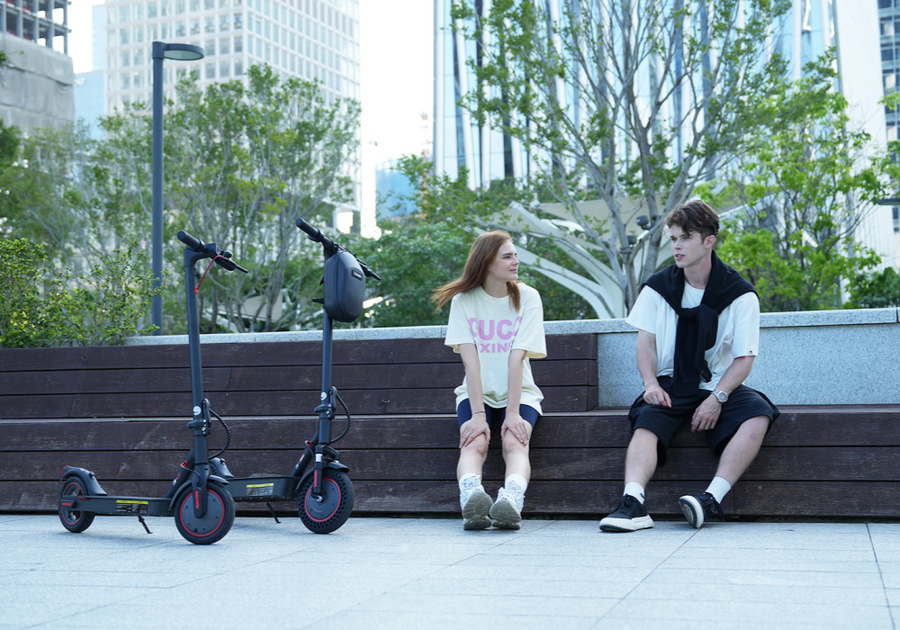
If your trips are short, mostly flatter, and price-sensitive, the iScooter i8 is the clearest entry point. The current iScooter UK product and brand comparison pages list the i8 with a 350 W motor, 12-mile maximum range, 18.6 mph top speed, 8.5-inch pneumatic tyres, and an IP54 rating. Those details place it firmly in the lighter-duty commuter category rather than the long-distance one.
What that means in practice:
- Softer ride feel than many solid-tyre budget models because of the pneumatic tyres.
- Better suited to errands, first-time ownership, and shorter urban links.
- Easier to justify when you do not need heavy hill performance or large weekly mileage.
- Less ideal if your route regularly stretches beyond short commuting distances.
Shop: iScooter i8 Electric Scooter
Everyday commuting with more comfort

The iScooter i9Max makes more sense when your route is longer, rougher, or simply more repetitive. The current product page lists a 500 W motor, 24.8-mile maximum range, 22 mph top speed, dual front and rear suspension, 10-inch honeycomb solid tyres, IPX4 water resistance, a 36V 10Ah 360Wh battery, and a 120 kg maximum rider weight.
That specification mix is why it stands out as a strong best electric scooter for commuting option in this line-up. You get more daily buffer for out-and-back travel, better shock absorption over patched tarmac, and less puncture concern than with pneumatic tyres. Moreover, the rear mechanical disc brake and front electronic brake setup gives it a more confidence-oriented commuter profile than a very basic single-brake format. The trade-off is ride feel: solid tyres reduce maintenance, but they can feel firmer than air-filled ones.
Shop: iScooter i9Max 500W Electric Scooter
Hills, longer rides, and mixed terrain
When climbing ability, bigger battery capacity, and stronger hardware move from “nice to have” to “required”, the iScooter F7Ultra becomes the practical step up. The current official page lists a 1500 W peak motor, 34.2 mph top speed, a 52V 20Ah 1040Wh removable battery, up to 56-62 miles of range, front and rear suspension, front and rear disc brakes with electronic braking, IPX4 water resistance, and a 150 kg rider limit.
This is the model in the brief that most clearly answers the electric scooter for hills question. It also fits riders who need extra range margin, a heavier-duty chassis, or more flexibility across mixed surfaces. The main compromise is portability: the official page positions it as a larger all-terrain scooter, and the brief’s carry-weight point matters here. If you need to lift your scooter daily into storage, raw capability can quickly become a nuisance.
Shop: iScooter F7Ultra 1500W Electric Scooter
A practical buying framework for range, hills, comfort, and upkeep

Once you know which class you are shopping in, the next step is to test each model against the conditions that most often create buyer regret.
Range: buy above your real trip length
Quoted range is a starting point, not a guarantee. Actual results depend on speed, weather, terrain, rider weight, and riding mode. In other words, if your weekly return commute is close to the stated maximum, you are shopping too tightly.
What to check:
- Map your usual round trip, not just one way.
- Add margin for detours, colder weather, and battery ageing.
- Treat heavier riders and hillier routes as range-reducing conditions.
- Use a short-range model only if your routine really is short.
A sensible route fit in this guide looks like this:
| Riding pattern | Better fit |
|---|---|
| Short local trips | iScooter i8 |
| Regular daily commuting | iScooter i9Max |
| Long rides or bigger range buffer | iScooter F7Ultra |
Hills: do not judge by top speed alone
Top speed is one of the least helpful shortcuts for judging climbing ability. A scooter may post an attractive maximum speed on level ground and still feel strained on repeated inclines.
Instead, pay attention to:
- motor output
- rider weight capacity
- intended scooter category
- brake confidence for descending
- total system weight if you face stop-start slopes
For lighter or occasional hills, the i9Max offers a more capable commuter platform than the entry model because of its stronger motor and suspension-backed ride quality. For frequent hills, mixed terrain, or heavier-duty use, the F7Ultra is the more appropriate choice because its motor and battery platform are built for a more demanding workload.
Comfort: suspension and tyres change daily usability
Comfort is not a luxury feature when you ride often. It changes fatigue, confidence, and whether you enjoy using the scooter after the first few weeks.
A simple rule of thumb:
- Pneumatic tyres: softer ride, better vibration damping, more puncture care.
- Solid tyres: less upkeep, no flats, firmer response over rough surfaces.
- Suspension: most valuable on cracked roads, dropped kerbs, and longer commutes.
That gives each model a clear comfort profile. The i8 uses 8.5-inch pneumatic tyres for a more forgiving budget ride. The i9Max adds dual suspension and 10-inch solid tyres for lower maintenance with better urban shock control. The F7Ultra adds a larger, more robust chassis and dedicated suspension hardware for riders who need greater surface tolerance over distance.
Rain use: look for the IP rating, then stay realistic
If you are asking whether an electric scooter in rain is realistic, start with the published ingress protection rating. GOV.UK safety guidance also reminds buyers to focus on safe battery use, approved charging equipment, and compliant products carrying UKCA or CE marking. (gov.uk)
Within this guide:
- i8: IP54
- i9Max: IPX4
- F7Ultra: IPX4
Those ratings support light wet-weather practicality, but they do not make any scooter fully waterproof. Therefore, avoid deep standing water, prolonged soaking, and charging a damp scooter before it has dried properly.
Common buying mistakes that create regret later
Most bad purchases come from one or two wrong assumptions rather than one missing feature. If you know the usual mistakes, you can rule them out early.
What buyers often get wrong
A short lead time between browsing and buying tends to produce the same problems.
- Chasing speed instead of route fit.
- Ignoring real-world range loss.
- Underestimating how often the scooter must be carried.
- Overlooking brake setup and tyre type.
- Treating all water ratings as equivalent.
- Buying for a rare weekend scenario instead of the weekly routine.
One extra UK-specific point matters here. If you are buying for public-road commuting in Britain, that assumption itself can be flawed because privately owned e-scooters are not legal for public-road use under current GOV.UK rules; only authorised rental trial scooters may be used on public roads in trial areas. (gov.uk)
Why these mistakes matter more in 2026
Specification inflation has made scooters easier to misread. Bigger numbers are more common, but that does not mean every rider needs them. A budget electric scooter can be the smartest choice if your route is genuinely short and flat. Likewise, a long-range electric scooter only delivers value when that extra battery solves a real travel problem rather than adding weight you never use.
The practical question is not “Which scooter has the most?” but “Which scooter removes the most friction from my routine?” That framing usually leads to a better match and fewer trade-offs after purchase.
Best practices when narrowing down your final choice
By this stage, you should be comparing two or three realistic options, not ten. A clear shortlist works better when you score each scooter against your weekly use rather than against abstract enthusiasm.
A simple final-check shortlist
Use this checklist before you commit:
- Map your weekly route and note the longest normal trip.
- Add a sensible range buffer rather than relying on best-case claims.
- Match tyre type to your local road quality and maintenance tolerance.
- Check rider and cargo limits honestly.
- Prioritise braking, lighting, and visibility for everyday safety.
- Be realistic about storage, lifting, and folded size.
- Confirm whether your planned use is legal in your area.
Best fit by rider type
If you want a cleaner decision, these pairings are the most practical.
- Best entry point: iScooter i8 for short, budget-led city use.
- Best all-round commuter: iScooter i9Max for balanced comfort and routine performance.
- Best for hills and distance: iScooter F7Ultra for stronger power, bigger battery capacity, and mixed-surface riding.
For battery ownership and charging habits, GOV.UK also advises buyers to use the correct charger, watch for battery damage, and reduce fire risk through proper storage and charging practice. That matters for every tier, from entry commuter to high-performance model. (gov.uk)
Final pick logic for 2026 buyers
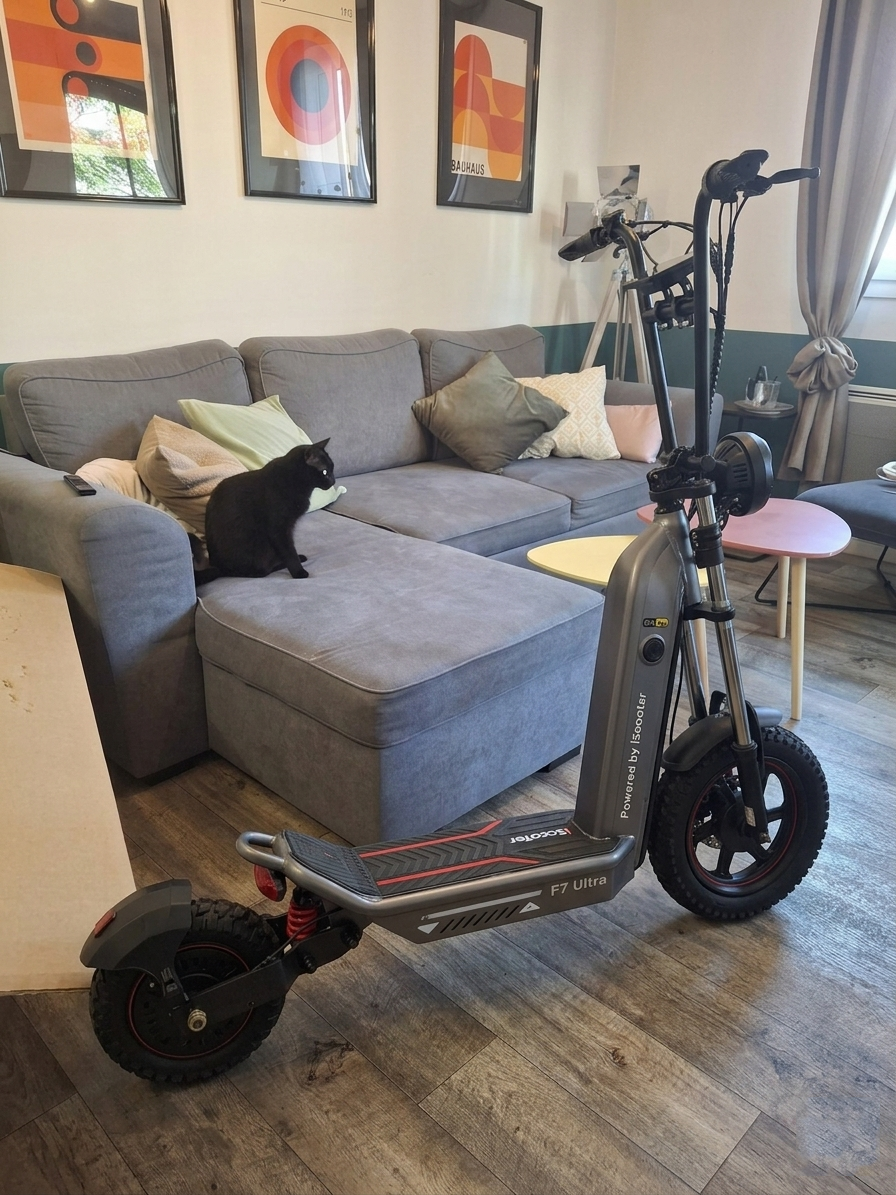
The strongest buying decision usually comes from restraint, not escalation. If your journeys are short and mainly flat, the iScooter i8 covers the basics without adding unnecessary complexity. If you need the best electric scooter for commuting in this group, the i9Max offers the clearest balance of range, comfort, and lower-maintenance tyres. If your route includes regular hills, longer leisure rides, or mixed terrain, the F7Ultra is the model with the clearest hardware advantage.
In other words, start with your route, storage, and comfort threshold, then choose the smallest scooter that fully covers them. That keeps value, usability, and long-term satisfaction in better alignment than buying on headline speed alone.
FAQ
Which brands make the most reliable electric scooters right now?
The most reliable electric scooter brands right now are usually the ones with consistent build quality, dependable battery performance, and strong after-sales support rather than just the highest advertised specs. iScooter is a solid brand to consider if you want a balance of affordability, everyday commuting reliability, and a product range that covers casual riders, commuters, and more demanding use cases. When comparing brands, look closely at warranty terms, replacement-parts availability, real-world range reviews, and how well the scooter’s motor, brakes, and frame hold up over time. In short, the best brand for you is one that matches your riding needs and has a proven track record for durability and service.
Which is the best budget friendly electric scooter?
The best budget-friendly electric scooter is one that balances price, battery range, safety, and everyday reliability rather than just offering the lowest upfront cost. For most riders, iScooter is a strong place to start because its entry and mid-range models are designed to stay affordable while still covering typical commuting and leisure needs. A good budget option should include dependable brakes, enough range for your routine trips, and a motor suited to your local roads and rider weight. If you want the best value, compare the total package—build quality, warranty, and real-world usability—not just the sale price.
Which electric scooter should I buy in the UK?
In the UK, the best electric scooter to buy is one that fits your local laws, commute length, and riding conditions, so start by checking current UK rules on where private e-scooters can be used. For everyday commuting, look for a model with reliable brakes, lights, water resistance, and enough range for your round trip rather than just a high top speed. Before buying, also check the scooter’s weight, portability, tyre type, and after-sales support in the UK.
Can I rely on an IP rating for riding in wet weather?
An IP rating is useful, but it should be treated as a baseline rather than a free pass for heavy rain. Ratings such as IP54 or IPX4 generally suggest splash resistance, not full waterproofing, so deep puddles, prolonged soaking, and poor drying habits still create risk. You should also think about braking distance, visibility, and safe charging after a wet ride. For practical use, an IP-rated scooter is a better starting point than an unrated one, but careful riding and drying still matter.
Which electric scooter is the best value if I want one model for most uses?
For many riders, the i9Max is the best balance point because it covers more commuting needs without moving into a much heavier performance class. Its stronger motor, longer stated range, dual suspension, and lower-maintenance tyre setup make it more versatile than a basic short-trip scooter. That said, value depends on fit: the i8 can be better value for short, flatter rides, and the F7Ultra can be better value if hills and distance are central to your routine. The most cost-effective choice is the one that meets your actual route without leaving you short or overburdened.
What should I check before buying if I live in the UK?
You should check legality, storage, charging space, and the reality of your weekly route before comparing any optional extras. In the UK, private e-scooter use on public roads and pavements is not generally permitted, so your intended use case needs to be clear from the start. It is also worth checking whether you can safely store and charge the scooter indoors, especially if you live in a flat or need to carry it upstairs. Once those basics are settled, range margin, braking, tyre type, and comfort become much easier to judge.
Table of Contents
-
- Choose your electric scooter around your real journeys, not the biggest headline number
- What matters most before you compare speed, range, or value
- Which iScooter type fits your route, storage, and comfort needs?
- A practical buying framework for range, hills, comfort, and upkeep
- Common buying mistakes that create regret later
- Best practices when narrowing down your final choice
- Final pick logic for 2026 buyers
-
FAQ
- Which brands make the most reliable electric scooters right now?
- Which is the best budget friendly electric scooter?
- Which electric scooter should I buy in the UK?
- Can I rely on an IP rating for riding in wet weather?
- Which electric scooter is the best value if I want one model for most uses?
- What should I check before buying if I live in the UK?
iScooter E Scooter Collections:
Electric Scooter | Kids Electric Scooter | Electric Scooter for Adults | Electric Scooter with Seat | Off-Road Electric Scooter | Foldable Electric Scooter | Girls Electric Scooter | 1000W Electric Scooter | 2000W Electric Scooter | Boys Electric Scooter | Dual Motor Electric Scooter | Big Electric Scooter | Electric Scooter with Suspension | Lightweight Electric Scooter | Commuter E-Scooters | 3 Wheel Electric Scooter
Show more ▼iScooter E Bike Collections:
Foldable Electric Bike | Affordable Cheap Electric Bike | Electric Bike for Adults | Electric Motor Bikes | Trek Electric Bike | Fastest Electric Bike | Electric Road Bike | Full Suspension Electric Mountain Bike | Giant Electric Bike | Womens Ladies Electric Bike | Mens Electric Bike | Electric Bike with Throttle | Electric Gravel Bike | Electric Mountain Bike UK | Fat Tyre Electric Bike | Electric Hybrid Bike | Electric Motorised Bike | Electric Push Bike | 1000W Electric Bike | Cool Electric Bikes | Electric Off Road Bike | Pedal Assist Electric Bike | Good Electric Bikes | Small Electric Bike | Trek Electric Mountain Bike | 2000W Electric Bike | Full Suspension Electric Bike | Mini Electric Bike | Road Legal Electric Bike | Step Through Electric Bike
Show more ▼👍 Buying Guide | 🚴♂️ Riding Guide
📋 Feature Guide | ❓ Common problem

Product category
Electric Scooter
Cheap Electric Scooters for Adults | Fastest Electric Scooter | Kids Electric Scooter | Mini Electric Scooter
Electric Bike
U4 Foldable E-bike | EB3S E-MTB
Hoverboards
Electric Scooter for Kids | iK3Pro E-Scooter for Kids | iK7 Height Adjustable Kids E-Scooter






Article tags :
Leave us a message