










Top 4 Budget-Friendly Electric Bikes for Commuting in the UK
Introduction
Tired of buying an ebike that feels fine on day one, then turns into a daily hassle by week two? The wrong pick usually fails in boring, expensive ways: a heavy frame you dread carrying upstairs, a battery that never matches your real commute, or brakes that feel sketchy the first time you hit wet UK roads.
This shortlist helps you match an electric bike to how you actually ride in 2026: storage constraints, stop-start traffic, hills, and the occasional delivery shift. You will see four practical picks, what each one is best for, and the simple criteria that keep you from overbuying (or underbuying) your next commuter.
Which Budget Commuter E-Bike Fits Your Ride?
Folding first, storage second, range third
If your flat has narrow hallways, your workplace has a crowded bike room, or you mix trains with riding, Foldable Design stops being a nice-to-have and becomes the whole decision. A folding ebike can save you 10 minutes of friction twice a day, which adds up fast.
If you ride longer distances or cannot charge at work, range matters more than the folded footprint. Still, you should treat claimed range as an estimate that drops with rider weight, cold weather, headwinds, and higher assist levels.
- Choose folding if you carry the bike up stairs or store it indoors.
- Choose step-through if you stop often and want easy on/off.
- Choose higher battery Wh if you ride 10+ miles round trip.
Quick UK commuting reality check
UK commuting punishes weak brakes and flimsy tyres because rain and potholes are normal, not rare. For an electric bike, you want predictable stopping power and stable handling before you chase extra speed.
- Disc brakes: more consistent in wet conditions than basic rim brakes.
- Tyres: wider tyres help with broken tarmac and curb cuts.
- IP ratings: helpful if you ride year-round in drizzle.
- Lights: built-in lights reduce the odds you forget them.
Product Picks: 4 Budget-Friendly Options
1: iScooter U4 Low Step Through Foldable Electric Bike
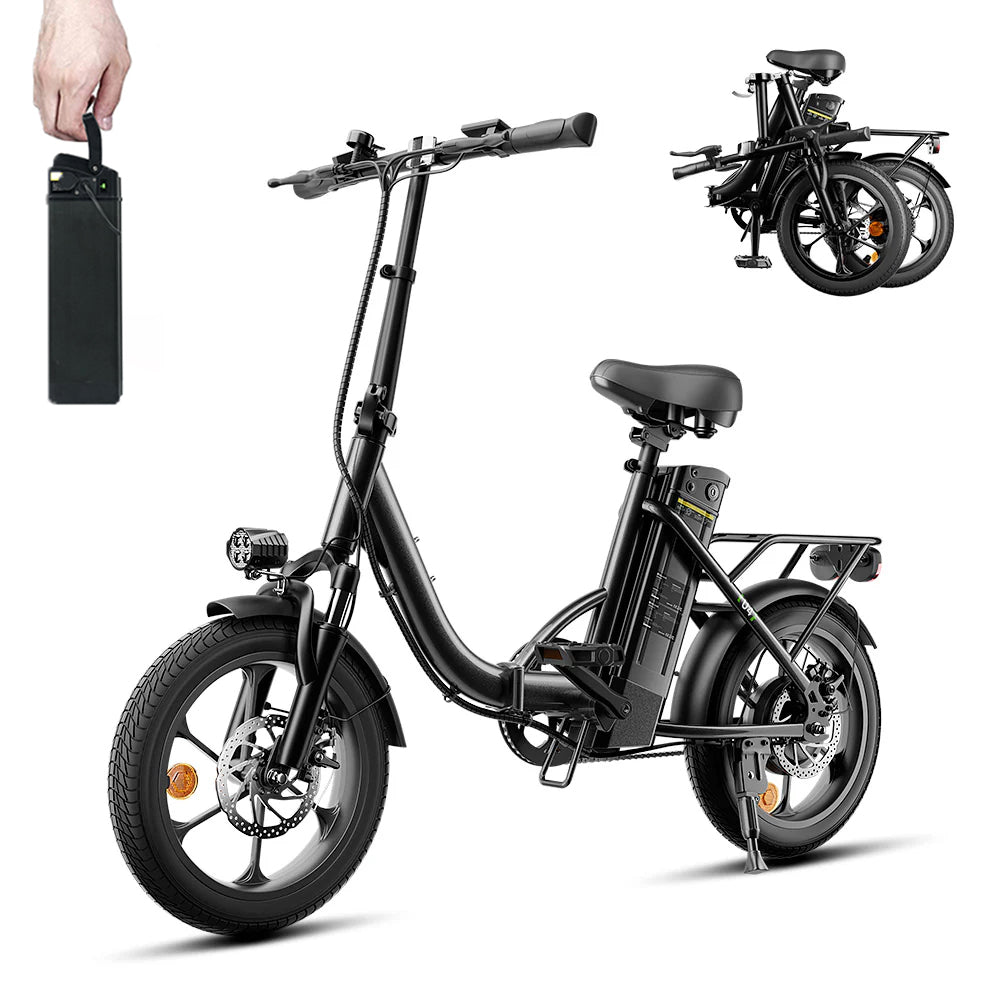
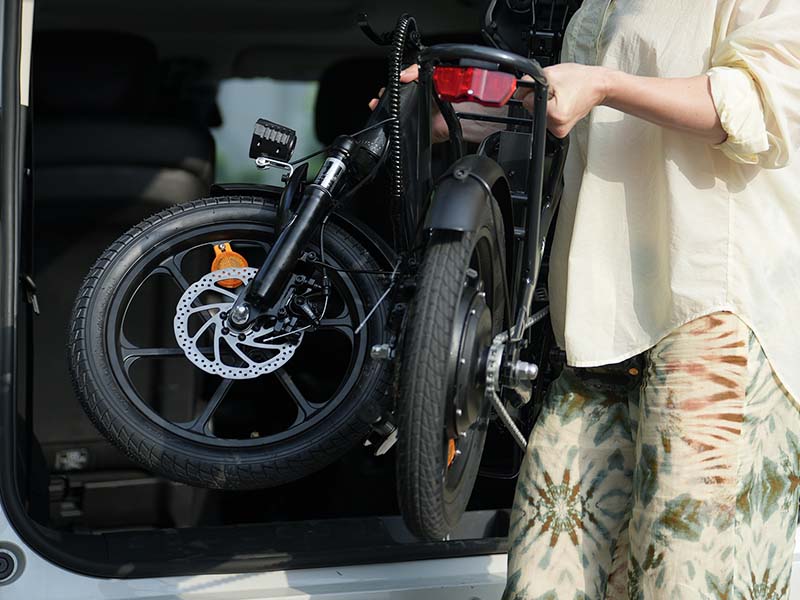
If your commute is a mix of riding plus storage headaches, the iScooter U4 is built around convenience: a low step-through frame for easy mounting, plus a folding frame for tighter spaces. It is the kind of ebike that makes sense when you want one bike for everyday errands, commuting, and the occasional weekend ride.
- Best for: mixed commutes plus small-space storage
- Motor: rated 250W (max 500W)
- Battery: 36V 10.4Ah (374.4Wh) Lithium-ion Battery, removable
- Claimed range: 35-55 miles (55-90 km)
- Charging time: 4 to 5 hours
- Brakes: front and rear disc brakes
- Tyres: 16 x 2.15 in pneumatic
- Water resistance: IP65
Why it wins: The U4 focuses on the commuter basics that reduce daily friction. The removable battery supports charge-at-desk routines, and the step-through frame helps when you are stopping repeatedly in town traffic.
Shop: iScooter U4 Low Step Through Foldable Electric Bike
2: iScooter U2 City Commuter Electric Bike
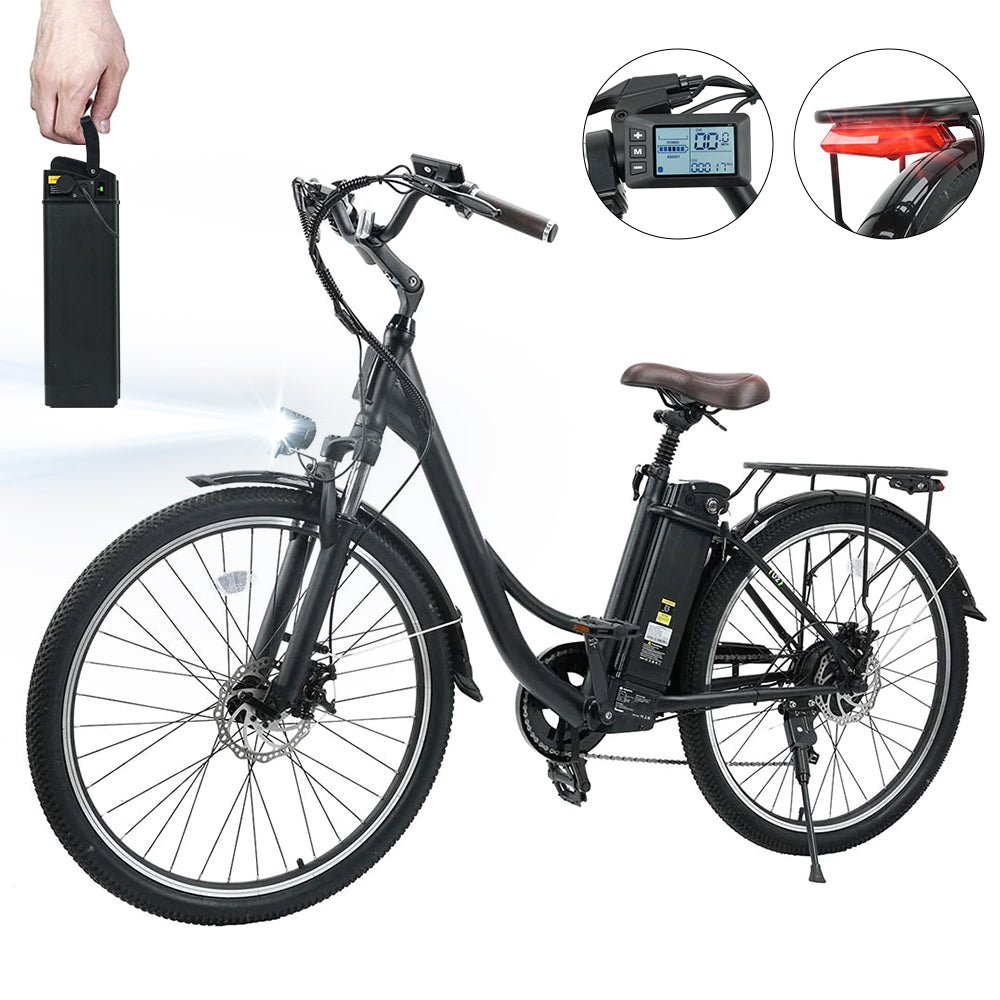
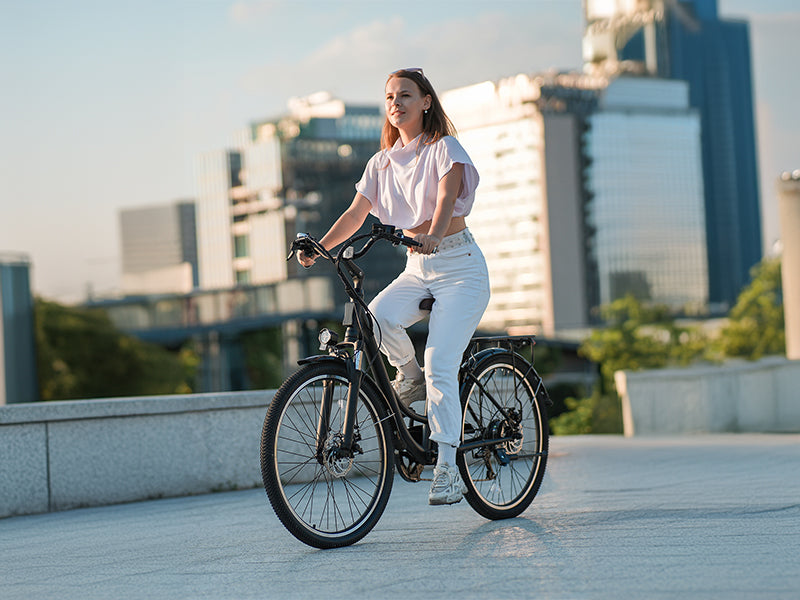
If distance is your main problem, the iScooter U2 leans into a comfort-first commuter setup: a step-thru frame, larger 26-inch tyres, and a removable battery designed for longer rides. This is the pick when you want your electric bike to feel more like a traditional city bicycle, just with assistance that makes headwinds and mild hills less draining.
- Best for: longer, comfort-first commutes
- Motor: rated 250W (max 500W)
- Battery: 36V 13Ah removable (listed as 374 Wh), Lithium-ion Battery
- Claimed range: 65+ miles (105+ km) in marketing specs
- Range detail: 43-65 miles (70-105+ km) in pedal assist mode
- Tyres: 26 x 1.95 in pneumatic (Chaoyang)
- Brakes: front and rear disc brakes
- Light: 111 lumen LED front light
- Net weight: 27 kg (59.5 lbs)
Why it wins: The U2 is easier to live with if you ride farther or carry a backpack daily. The bigger wheels smooth out rougher streets compared with smaller folding ebikes, which matters on real UK tarmac.
Shop: iScooter U2 City Commuter Electric Bike
3: iScooter U1 Foldable Electric Bike 500W
If your reality is short hops, tight storage, and lots of locking up, the iScooter U1 is a compact folding ebike that prioritizes portability. Smaller wheels are not as smooth on potholes as 26-inch tyres, but they can make the bike easier to store and maneuver in cramped city environments.
- Best for: short commutes, campus-style riding, and tight storage
- Motor: 500W (listed as motor power)
- Battery: 36V 7.8Ah integrated Lithium-ion Battery (281 Wh)
- Claimed range: up to 40 miles
- Charging time: 3 to 4 hours
- Tyres: 14 x 1.95 in pneumatic
- Brakes: dual disc brakes
- Hill climbing: listed up to 25% ability
- Rider height: listed 150 to 185 cm (varies by page sections)
Why it wins: The U1 is a practical choice when you care more about carrying and storing than maximum ride smoothness. For last-mile delivery riders doing short radius runs, a quicker charge window can also fit shift breaks better.
Shop: iScooter U1 Foldable Electric Bike 500W
4: Segway E-Bike Xafari (Crimson Red)
If you want more tech-forward commuting and are willing to accept extra weight and complexity, the Segway Xafari is built around app-connected security and tracking features. It stands out for GPS Tracking support and a keyless locking approach, which can matter if your ebike spends time locked outdoors.
- Best for: tech-heavy commuting and Anti-theft Systems focus
- Battery: 936Wh (listed)
- Claimed range: up to 88 miles
- Motor: 750W; torque listed 80Nm
- Speed: Class 2 listed 20 mph
- Tyres: 26 x 3.0 in (Kenda)
- Tracking: Apple Find My and GPS dual positioning
- Notes: network and cloud-based services are free the first year and may require a subscription after
Why it wins: If theft anxiety is your biggest stress, built-in tracking plus app-based locking can give you more layers than a basic ebike. The trade-off is that more connected features can also mean more settings, more notifications, and more dependence on software.
Shop: Segway E-Bike Xafari Red
Buying Guide: How to Choose Without Regret
What matters most for UK commuting?
If you only look at headline range numbers, you will miss the details that make an electric bike easier (or harder) to use every day. Start with your commute constraints, then check the specs that support them.
- Range: calculate your true round trip, then add 20-30% buffer
- Battery: removable is easier if you cannot bring the bike indoors
- Fit: step-through helps with frequent stops and work clothes
- Brakes: disc brakes are a safer default in wet conditions
- Weight: if you carry upstairs, every extra kg matters
One practical 2026 reminder: domestic transport remains a major emissions source in the UK. In the UK government provisional 2024 stats, domestic transport accounted for 30% of all emissions. This is one reason more riders are considering lower-carbon commuting options such as E-bikes and Electric Scooters. According to Department for Energy Security and Net Zero.
Quick Q-and-A to decide faster
If you are stuck between a folding ebike and a step-through city frame, answer these in order. You will usually get a clear winner.
- Do you climb stairs with the bike weekly? Choose folding first.
- Do you have a secure indoor parking spot? Choose comfort and bigger wheels.
- Do you ride in rain regularly? Prioritize disc brakes and lights.
- Do you carry cargo for Last-mile Delivery? Prefer a rear rack and stable tyres.
Practical tips that save money (and headaches)
You do not need perfect technique to get a smoother ride, but small habits make your battery and drivetrain last longer.
- Use a lower assist level on flats to extend range.
- Downshift before hills so the motor is not grinding.
- Keep tyres properly inflated to reduce pinch flats.
- In cold months, expect noticeable range drop.
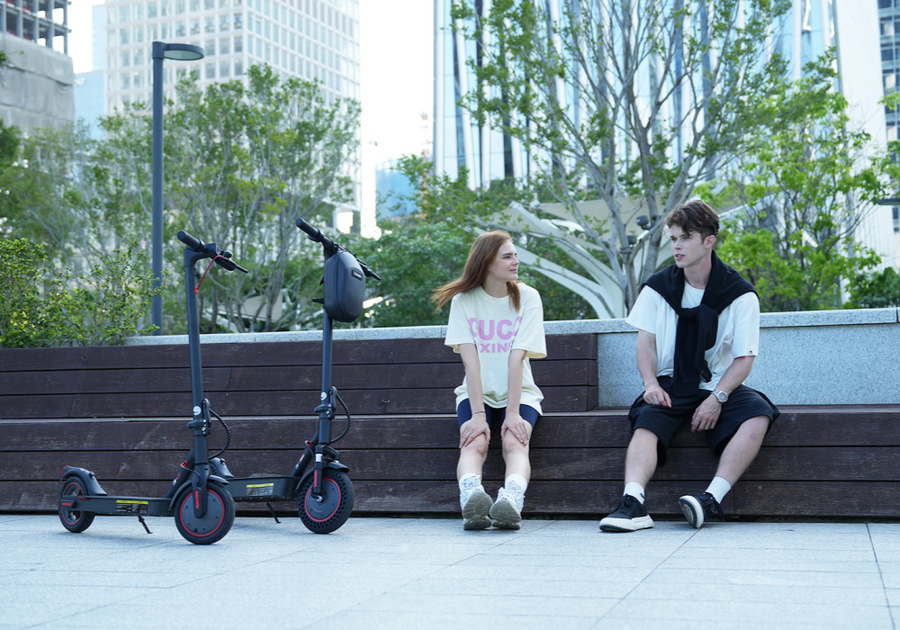
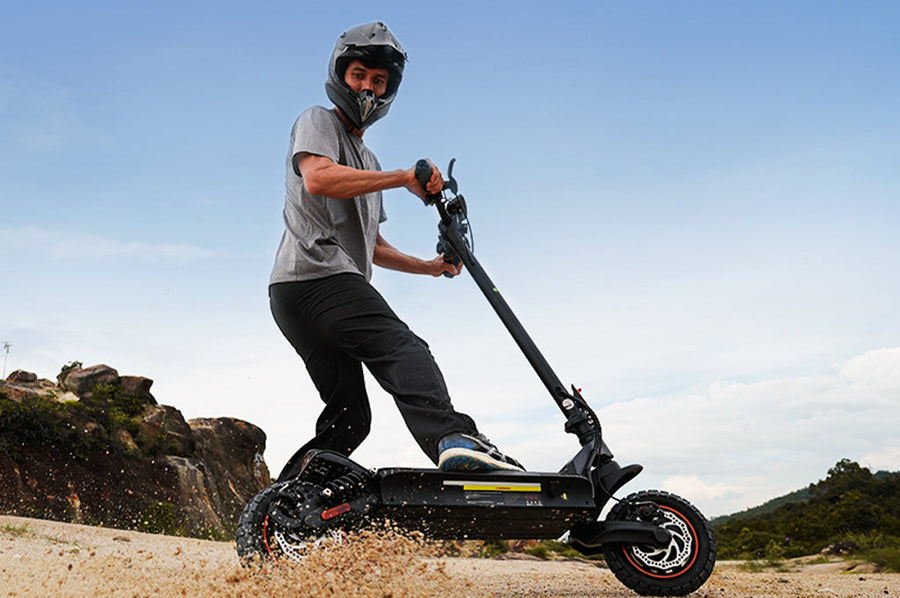
If you are comparing ebike vs electric scooter for a mixed commute: scooters can win on portability, but an electric bike often feels more stable on rough roads and gives you more control in traffic. If you need an off-road electric scooter or Off-road E-scooters capability for gravel paths, check tyre width, suspension, and water resistance the same way you would for an ebike.
Common mistakes to avoid
Most commuter regret comes from one of these mismatches.
- Buying max range, then never using it
- Ignoring folded size and carry weight
- Overvaluing top speed vs braking confidence
- Assuming built-in security replaces a physical lock
Comparison Table (quick scan)
| Pick | Frame style | Battery | Claimed range | Best commuting angle | Trade-offs |
|---|---|---|---|---|---|
| iScooter U4 | Step-through folding | 374.4Wh removable | 35-55 miles | Storage plus comfort | Heavier carry at 26.5kg |
| iScooter U2 | Step-thru city | 36V 13Ah removable | 65+ miles (PAS varies) | Longer rides, bigger wheels | Larger footprint, 27kg |
| iScooter U1 | Folding compact | 281Wh integrated | Up to 40 miles | Tight storage, short hops | 14-inch wheels on potholes |
| Segway Xafari | All-terrain style | 936Wh | Up to 88 miles | GPS Tracking, app security | 42kg weight, app reliance |
Conclusion
If storage is your daily friction point, start with a folding ebike like the iScooter U4 or U1, then pick based on how rough your roads are and how often you carry the bike. If distance is the real problem, the iScooter U2 is the safer commuter shape because its larger wheels and city geometry feel less twitchy on longer rides.
If theft stress is what keeps you from riding at all, the Segway Xafari brings GPS Tracking and Anti-theft Systems features that can reduce anxiety, but you should accept the trade-offs in weight and software dependence. Whatever you choose, match the bike to your route first, then let specs confirm the fit.
Official Site: iScooter UK
FAQ
How do I pick the right ebike range for commuting?
Pick range based on your round-trip distance plus a 20-30% buffer, because wind, cold, and higher assist levels can cut real-world mileage. If your ride is 8 miles round trip, a 35-55 mile claim usually gives you enough headroom for detours and battery aging. If you cannot charge at work, choose the bigger battery option you can still carry and store comfortably. If you can charge midday, you can often downsize battery and still commute reliably.
What is the difference between a step-through and step-over frame for commuters?
A step-through frame is easier for frequent stops, tighter clothing, or riders who want simple on-and-off at traffic lights. A step-over frame can feel stiffer and more traditional, which some riders prefer for higher-speed handling. For city commuting with lots of start-stop riding, step-through usually reduces daily hassle and feels safer when you are carrying a bag. If you plan to add cargo or a rear rack load, step-through can also be easier to manage at standstill.
Can I use an electric bike for Last-mile Delivery work?
Yes, but you should prioritize predictable braking, a stable riding position, and a battery you can recharge between shifts. Delivery riding is stop-start, so it drains faster than a steady commute and increases wear on chains, pads, and tyres. Plan your cargo setup first: a rear rack plus a secure bag usually beats a heavy backpack after an hour. If you ride in all weather, add visibility gear and keep a simple maintenance routine every week.
iScooter E Scooter Collections:
Electric Scooter | Kids Electric Scooter | Electric Scooter for Adults | Electric Scooter with Seat | Off-Road Electric Scooter | Foldable Electric Scooter | Girls Electric Scooter | 1000W Electric Scooter | 2000W Electric Scooter | Boys Electric Scooter | Dual Motor Electric Scooter | Big Electric Scooter | Electric Scooter with Suspension | Lightweight Electric Scooter | Commuter E-Scooters | 3 Wheel Electric Scooter
Show more ▼iScooter E Bike Collections:
Foldable Electric Bike | Affordable Cheap Electric Bike | Electric Bike for Adults | Electric Motor Bikes | Trek Electric Bike | Fastest Electric Bike | Electric Road Bike | Full Suspension Electric Mountain Bike | Giant Electric Bike | Womens Ladies Electric Bike | Mens Electric Bike | Electric Bike with Throttle | Electric Gravel Bike | Electric Mountain Bike UK | Fat Tyre Electric Bike | Electric Hybrid Bike | Electric Motorised Bike | Electric Push Bike | 1000W Electric Bike | Cool Electric Bikes | Electric Off Road Bike | Pedal Assist Electric Bike | Good Electric Bikes | Small Electric Bike | Trek Electric Mountain Bike | 2000W Electric Bike | Full Suspension Electric Bike | Mini Electric Bike | Road Legal Electric Bike | Step Through Electric Bike
Show more ▼👍 Buying Guide | 🚴♂️ Riding Guide
📋 Feature Guide | ❓ Common problem

Product category
Electric Scooter
Cheap Electric Scooters for Adults | Fastest Electric Scooter | Kids Electric Scooter | Mini Electric Scooter
Electric Bike
U4 Foldable E-bike | EB3S E-MTB
Hoverboards
Electric Scooter for Kids | iK3Pro E-Scooter for Kids | iK7 Height Adjustable Kids E-Scooter








Article tags :
Leave us a message