










4 Commuting Electric Scooters that Offer the Best Features for the Price 2026
Introduction
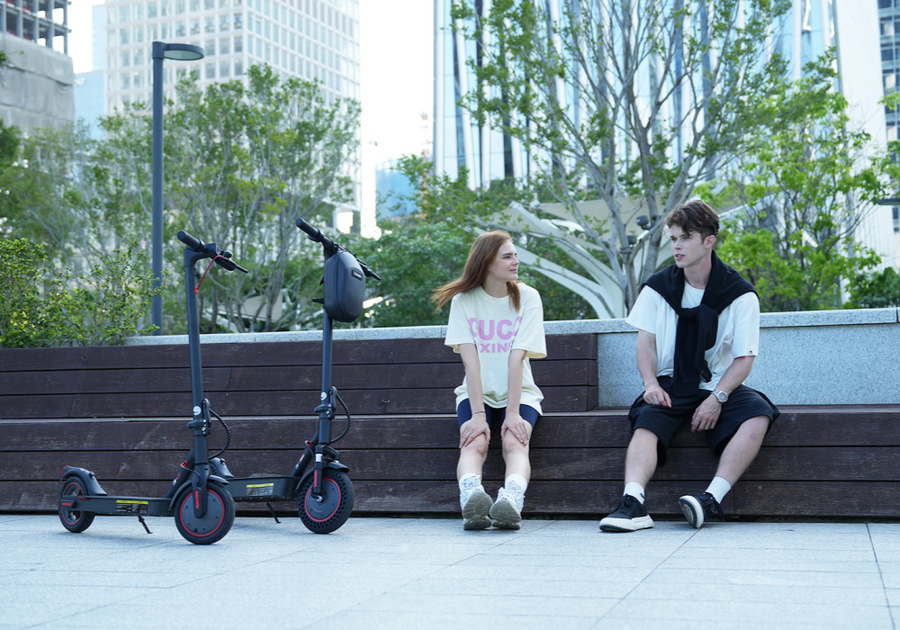
Crowded trains, parking fees, and short hops are exactly why more riders are comparing electric scooters for daily travel. If you are trying to cut door-to-door time, a commuter e-scooter can fill the gap that cars and buses do not solve well.
So which Commuter e-scooters option is the best value for your route, your hills, and your storage situation? This list focuses on four iScooter picks that cover the most common commuting needs, from ultra-light errands to longer, faster rides.
One more factor matters in the UK: rental programs are still operating under extended trial rules. UK rental e-scooter trials were extended again until May 2028, which keeps the category in motion while policy and Electric vehicle (EV) infrastructure discussions continue. According to The Guardian, the Department for Transport extended trials to gather more evidence, including safety and local-area impacts.
If you are also shopping for an ebike or E-bikes option for longer distances, treat this article as your last-mile companion guide. Think: train plus scooter, or car park plus scooter, or Last-mile delivery plus fold-and-carry.
Official Site: iScooter
Product List: 4 Best-Value Commuter Picks
1. iScooter i8 Electric Scooter
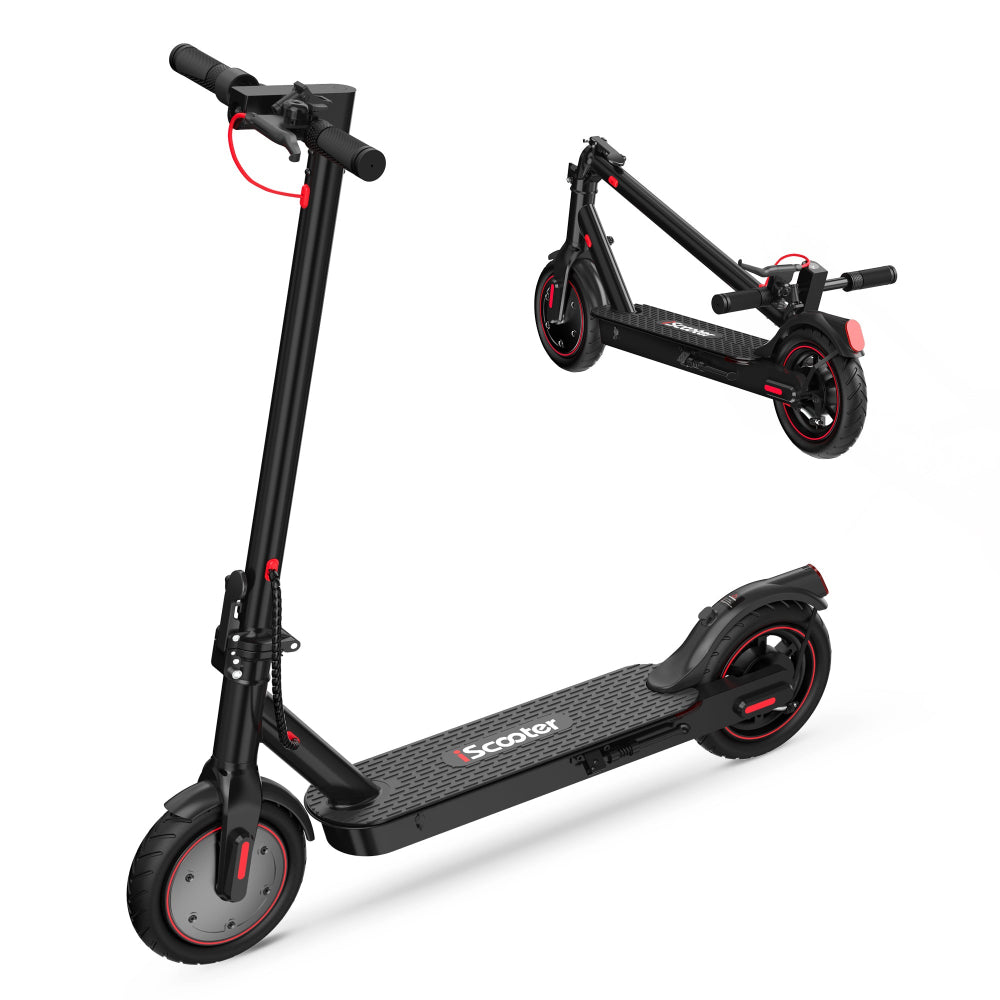
If your priority is a simple commuter that stays compact, the iScooter i8 sits in the sweet spot for short hops. It targets riders who want Foldable electric scooters convenience without overbuying range or speed.
- Best for: short commutes, campus rides, quick errands, and backup travel after public transit.
- Motor: 350W motor power.
- Max range: 12 miles (20 km) for typical light commuting planning.
- Max speed: up to 18.6 mph (30 km/h).
- Battery: 36V 5.2Ah (187Wh), which is a practical entry point for modern Lithium-ion battery technology.
- Tires: 8.5-inch pneumatic tire setup for a softer ride feel than many solid-tire budget scooters.
- Grade handling: up to a 15% climbing angle rating.
Why it wins: The i8 is a strong value pick when your commute is short and storage is tight. Because the battery is smaller, charging routines are usually easier to schedule. If you are choosing between an electric scooter and an electric bike for a very short route, this is the kind of scooter that keeps the routine simple.
Shop: iScooter i8 Electric Scooter
2. iScooter i9 Commuter Electric Scooter
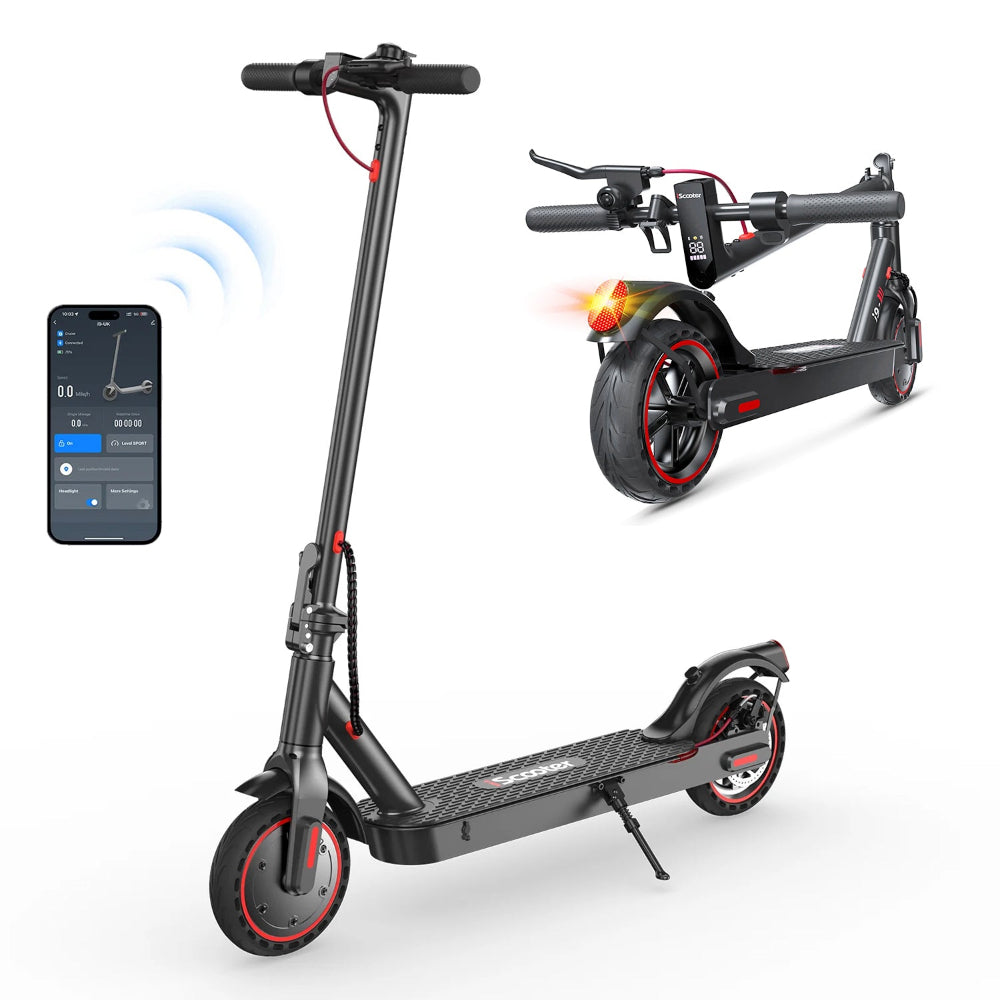
The iScooter i9 is the step-up commuter for riders who want app monitoring and a fuller spec sheet, while still keeping weight reasonable. If you are searching for "iscooter i9" specifically, this is the model most people mean when they want the everyday, entry-value commuter with a few modern extras.
- Best for: everyday commuting, mixed sidewalks and smoother paths, and routine errands.
- Max speed: 18.6 mph (30 km/h).
- Max range: 18.6 miles (30 km).
- Battery: 36V 7.5Ah (270Wh).
- Charging time: 3-5 hours.
- Motor: 350W maximum power; front-wheel drive.
- Brakes: front E-ABS electronic brake; rear mechanical disc brake.
- Tires: 8.5-inch honeycomb solid tire for puncture resistance.
- Water resistance: IP54.
- App monitor: Bluetooth app support (Tuya for newer version; KCQ noted for older version).
Why it wins: The i9 is often the best "daily driver" choice when you want fewer puncture worries than pneumatic tires, plus a battery size that supports real commuting buffers. For riders comparing electric scooters versus an ebike, this model makes sense when your route is moderate and you still want a compact carry solution.
Shop: iScooter i9 Commuter Electric Scooter
3. iScooter i9Max 500W Commuting Electric Scooter
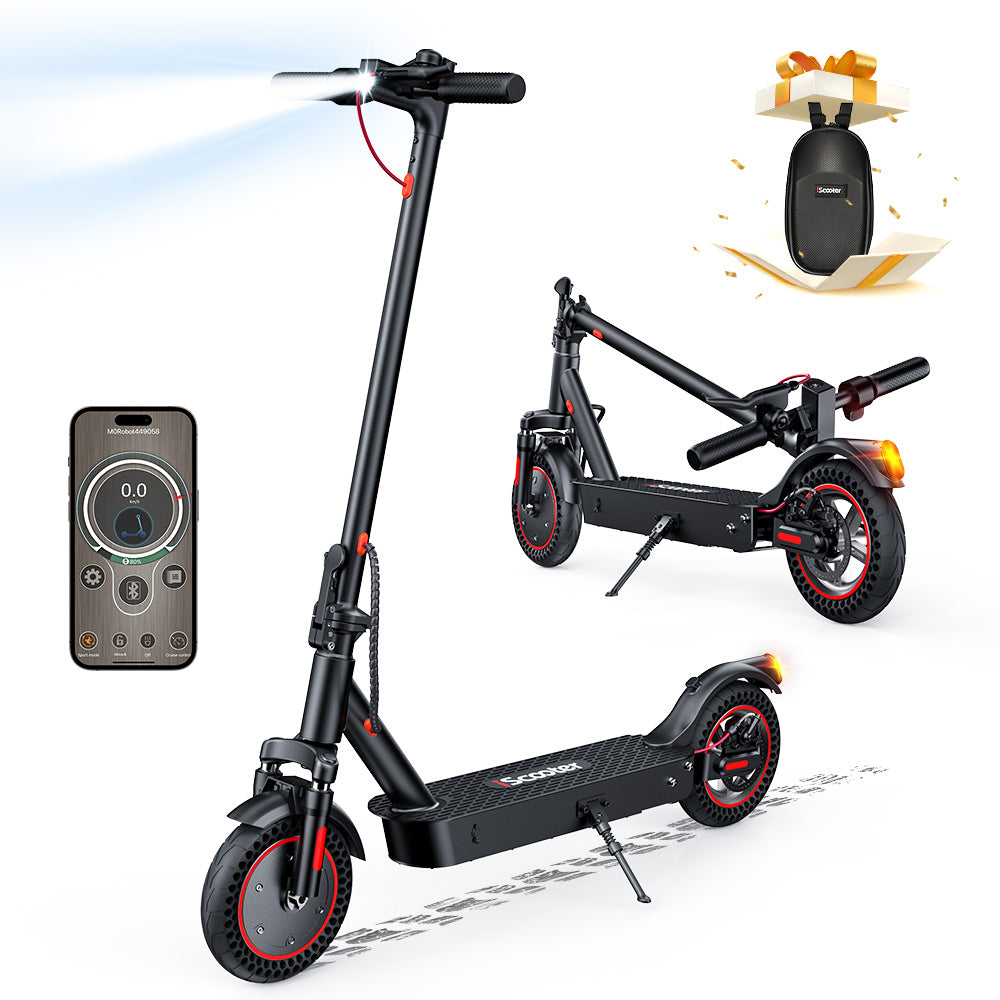
If you want a noticeable jump in speed and ride comfort without moving into a heavy, off-road build, the iScooter i9Max is the mid-range commuter upgrade. It is also a practical bridge for riders who think they might later want an off-road electric scooter but still spend most days on pavement.
- Best for: longer commutes, mild hills, riders who want more speed headroom and suspension comfort.
- Max speed: 22 mph (35 km/h).
- Max range: 24.8 miles (40 km).
- Motor: 500W maximum power; front-wheel drive.
- Battery: 36V 10.4Ah (374.4Wh).
- Charging time: 4-6 hours.
- Suspension: dual front and rear suspension.
- Tires: 10-inch honeycomb solid tire.
- Brakes: front E-ABS electronic brake; rear mechanical disc brake.
- Water resistance: IPX4.
- App monitor: Minirobot app (Bluetooth).
- Max rider weight: 264.5 lbs (120 kg).
Why it wins: This is the comfort-and-capability upgrade in the commuter lineup. You get larger tires and dual suspension, which usually matters more after month two than it does on day one. For riders thinking about Portable charging solutions, a bigger battery also means you can charge less often, not just ride farther.
Shop: iScooter i9Max Electric Scooter
4. iScooter i10Plus 800W Electric Scooter
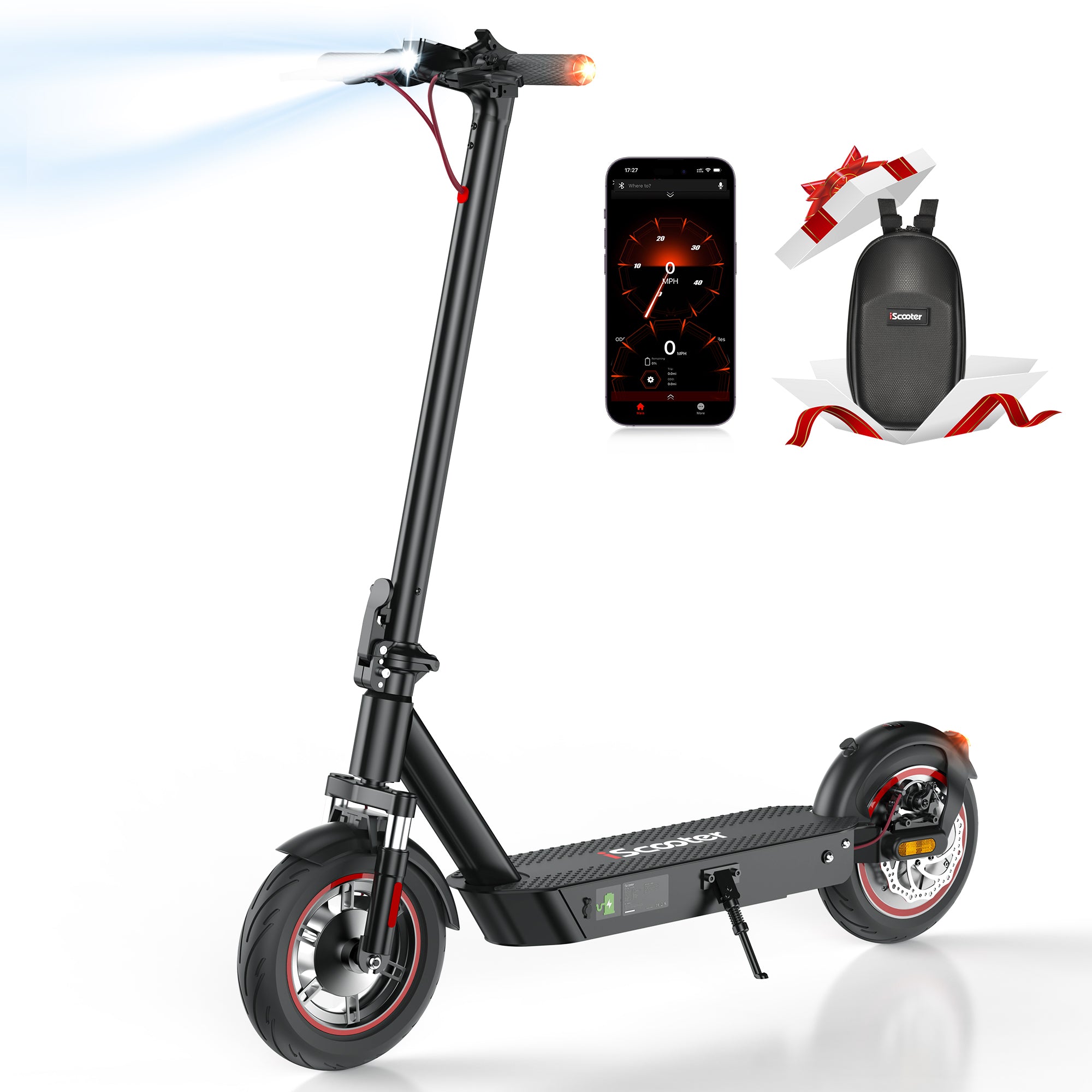
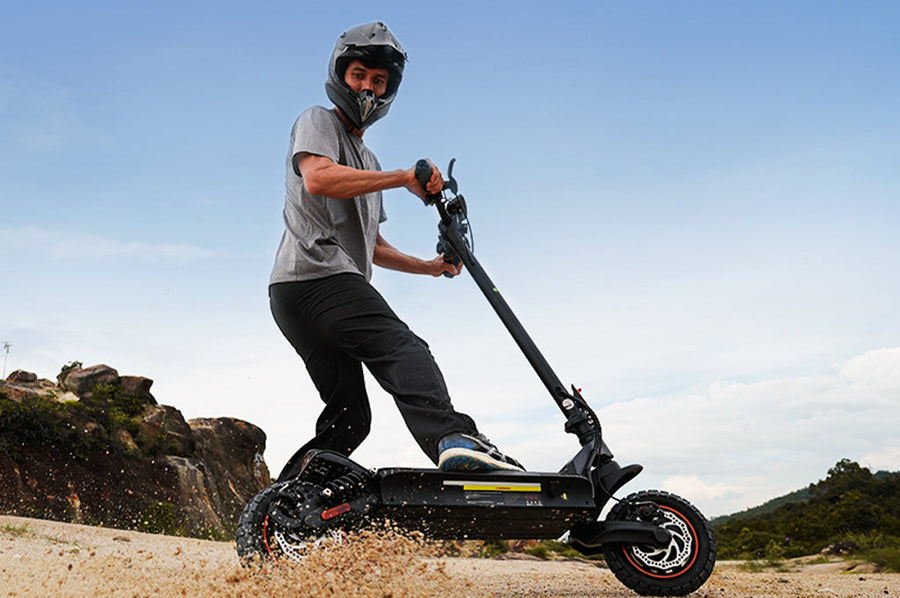
The iScooter i10Plus is the higher-performance commuter pick for riders who want more power for longer city routes and rougher road texture. It is not positioned as an off-road machine, but it does bring several features that riders also look for when comparing Off-road electric scooters: bigger tires, stronger motor, and more suspension support.
- Best for: longer city routes, higher speed commuting, rougher pavement, and heavier daily usage.
- Motor: 800W maximum power; rear-wheel drive.
- Max speed: 25 mph (40 km/h).
- Max range: 31 miles (50 km).
- Battery: 36V 17.5Ah (630Wh).
- Charging time: 7-9 hours.
- Suspension: dual front and rear suspension (dual springs).
- Tires: 10-inch pneumatic tire for shock absorption and grip.
- Brakes: front hub brake + E-ABS; rear mechanical disc brake + E-ABS.
- Visibility and signaling: front and rear LED lights, brake light, plus turn lights.
- Water resistance: IP54.
- Rider rating: up to 264.5 lbs (120 kg).
- Dashboard: full colored info dashboard and expanded ride information.
Why it wins: If you commute far enough that charging frequency becomes annoying, the i10Plus is the model that usually reduces weekly charging cycles. The trade-off is portability: at 44 lb (20 kg), it is less convenient for stairs or frequent carry. If your route includes more hills, this higher-power setup can feel more stable than smaller commuters.
Shop: iScooter i10Plus 800W Electric Scooter
Buying Guide: How to Pick Best Features for the Price
Range vs. real-world needs: how many miles daily?
If you ride 4 miles each way, do not buy a scooter that barely claims 8 miles on paper. Real range drops with rider weight, wind, cold weather, stops, and higher speeds.
A simple planning rule works well: take your round-trip mileage and add 30-50% buffer. That buffer matters even more if you use your electric scooter for Last-mile delivery or repeated short trips.
Motor power vs. hills: is 350W enough?
A 350W commuter can feel fine on flat routes, but it may slow more on steeper grades or with heavier loads. If your daily route includes sustained hills, moving to a 500W or 800W class commuter often improves speed consistency and reduces strain.
This is also where riders compare scooters to an electric bike or electric bike style commute. An ebike can be easier on long hills because you can add pedal assist, while a scooter depends more on motor and battery output.
Weight and portability: can you carry 20 kg?
A higher-capacity commuter tends to weigh more. Before you choose, answer one question: will you carry your scooter up stairs, onto transit, or into an office daily?
- Around 12 kg class: easier for quick carry.
- Around 16 kg class: manageable, but you will notice it.
- Around 20 kg class: doable for short lifts, but not fun for daily stairs.
Practical tips (fast, commuter-friendly)
- Charge timing: match the scooter to your schedule. Smaller packs tend to fit 3-5 hour routines, while big packs can require a longer overnight window.
- Storage planning: measure where you will keep it. Hallway corners, under-desk space, and car trunks are where value can be won or lost.
- Battery routine: avoid draining to 0% daily. Shallow cycles often keep performance steadier over time for lithium-ion packs.
Common mistakes (costly for commuters)
- Ignoring water resistance for wet commutes: IP ratings are not waterproof promises, but they can still help you compare models for splash exposure.
- Buying speed instead of control: for commuting, consistent braking and stable tires usually matter more than top speed.
- Skipping app or dashboard needs: if you rely on battery estimates, a clearer display can prevent a bad return trip.
Comparison Table
| Model | Max Speed | Max Range | Battery (V/Ah/Wh) | Tires | Suspension | Water Resistance | Net Weight | Best For |
|---|---|---|---|---|---|---|---|---|
| iScooter i8 Electric Scooter | 18.6 mph | 12 miles | 36V / 5.2Ah / 187Wh | 8.5-inch pneumatic | Not stated | IP54 | Not stated on page section used | Budget-first short commutes |
| iScooter i9 Commuter Electric Scooter | 18.6 mph | 18.6 miles | 36V / 7.5Ah / 270Wh | 8.5-inch honeycomb solid | Not stated | IP54 | 12 kg | Reliable daily commuter with app |
| iScooter i9Max Electric Scooter | 22 mph | 24.8 miles | 36V / 10.4Ah / 374.4Wh | 10-inch honeycomb solid | Dual front and rear | IPX4 | 16.3 kg | Comfort upgrade for longer rides |
| iScooter i10Plus 800W Electric Scooter | 25 mph | 31 miles | 36V / 17.5Ah / 630Wh | 10-inch pneumatic | Dual front and rear | IP54 | 20 kg | Farther commuting and rougher roads |
Conclusion
The best value commuter electric scooter is the one that matches your distance, your carry needs, and your road surface.
If you want a simple entry commuter, start with the iScooter i8. If you want a more complete everyday commuter with app support, the iscooter i9 is a strong step up. Then, if you want more comfort and speed, the i9Max is the balanced upgrade. Finally, if you want to go farther per charge with higher power, the i10Plus is the higher-performance commuter pick.
FAQ
How to Choose an Electric Scooter in the UK?
First, be clear about where you plan to ride, because local enforcement and trial programs can vary by city. Next, treat weather as a real spec, not an afterthought: an IP rating helps for splashes, but it does not make a scooter safe for deep puddles. Then, prioritize lights and braking because winter commuting often means darker rides and slick surfaces. Also consider support and parts availability, because downtime is the biggest hidden cost for commuting.
Is an electric scooter good for commuting in the UK?
An electric scooter can be a strong fit for short-to-mid commutes where parking is expensive or public transport is crowded. It works best on predictable routes with safe road or path options and secure storage at home and work. For longer distances, choose enough range so you do not need to charge at the office every day. If your commute includes potholes or cobblestones, larger tires and suspension usually improve comfort more than extra top speed.
What are the best budget-friendly electric scooters for commuting in the UK?
Budget-friendly usually means you focus on the basics: adequate range for your daily miles, stable braking, and a tire setup that matches your roads. Solid or honeycomb tires can reduce puncture risk, but they often ride firmer, so consider whether your streets are smooth or broken up. For short commutes, a lighter scooter can be the better value because carrying and storage are part of daily life. If you are near the top end of a scooter's range, stepping up one battery size often prevents an early upgrade.
What is the best value-for-money scooter for everyday urban commuting?
Value-for-money is usually where range, comfort, and safety balance out without paying for performance you will not use. If your commute is short and flat, a lighter commuter can feel better day-to-day because it is easier to handle and store. If you regularly face hills or want fewer charge cycles per week, a bigger battery and stronger motor can improve consistency on real streets. The best value is the model that matches your route with the fewest compromises in braking, tires, and portability.
Which electric scooters offer the best features for the price?
Look for scooters that bundle commuter essentials rather than chasing one headline spec. For most riders, the biggest quality-of-life upgrades are suspension and larger tires, because they reduce fatigue over weeks of commuting. Battery capacity matters not just for maximum range, but also for reducing how often you charge and how much performance drops near the end of a ride. Finally, consider practical ownership factors like water resistance, braking type, and whether an app or dashboard helps you manage battery and speed limits consistently.
Table of Contents
- Introduction
- Product List: 4 Best-Value Commuter Picks
- Buying Guide: How to Pick Best Features for the Price
- Comparison Table
- Conclusion
-
FAQ
- How to Choose an Electric Scooter in the UK?
- Is an electric scooter good for commuting in the UK?
- What are the best budget-friendly electric scooters for commuting in the UK?
- What is the best value-for-money scooter for everyday urban commuting?
- Which electric scooters offer the best features for the price?
iScooter E Scooter Collections:
Electric Scooter | Kids Electric Scooter | Electric Scooter for Adults | Electric Scooter with Seat | Off-Road Electric Scooter | Foldable Electric Scooter | Girls Electric Scooter | 1000W Electric Scooter | 2000W Electric Scooter | Boys Electric Scooter | Dual Motor Electric Scooter | Big Electric Scooter | Electric Scooter with Suspension | Lightweight Electric Scooter | Commuter E-Scooters | 3 Wheel Electric Scooter
Show more ▼iScooter E Bike Collections:
Foldable Electric Bike | Affordable Cheap Electric Bike | Electric Bike for Adults | Electric Motor Bikes | Trek Electric Bike | Fastest Electric Bike | Electric Road Bike | Full Suspension Electric Mountain Bike | Giant Electric Bike | Womens Ladies Electric Bike | Mens Electric Bike | Electric Bike with Throttle | Electric Gravel Bike | Electric Mountain Bike UK | Fat Tyre Electric Bike | Electric Hybrid Bike | Electric Motorised Bike | Electric Push Bike | 1000W Electric Bike | Cool Electric Bikes | Electric Off Road Bike | Pedal Assist Electric Bike | Good Electric Bikes | Small Electric Bike | Trek Electric Mountain Bike | 2000W Electric Bike | Full Suspension Electric Bike | Mini Electric Bike | Road Legal Electric Bike | Step Through Electric Bike
Show more ▼👍 Buying Guide | 🚴♂️ Riding Guide
📋 Feature Guide | ❓ Common problem

Product category
Electric Scooter
Cheap Electric Scooters for Adults | Fastest Electric Scooter | Kids Electric Scooter | Mini Electric Scooter
Electric Bike
U4 Foldable E-bike | EB3S E-MTB
Hoverboards
Electric Scooter for Kids | iK3Pro E-Scooter for Kids | iK7 Height Adjustable Kids E-Scooter






Article tags :
Leave us a message