










6 Steps to Choose an Electric Bike with the Best Battery for Commuting
Introduction
A daily commute can fall apart fast when an ebike battery is too small, charges too slowly, or feels risky to use indoors. The result is missed trains, late arrivals, and constant range anxiety.
The good news is that choosing the best commuter battery is not guesswork. You can compare electric bike options using a few numbers that actually predict real-world performance, especially watt-hours, charging time, and safety certification.
In this how-to guide, you will use 6 steps to pick an electric bike battery that fits your route, your riding style, and your routine. You will also see where Commuter Scooters and electric scooters (including the iscooter i9) can make sense when your commute is short or you need something more compact.
Official Site: iScooter
How to Choose the Best Battery for Commuting Step by Step
Step 1: Map commute distance and terrain
Start by writing down your real commute, not your best-case commute.
- Round-trip distance in miles.
- Elevation changes and any long climbs.
- Typical wind exposure, especially open roads.
- Number of stops and starts (traffic lights drain more energy).
Next, decide how you will actually ride.
- If you plan to use higher assist to avoid sweat, plan for higher battery demand.
- If you carry a backpack or laptop, include that weight.
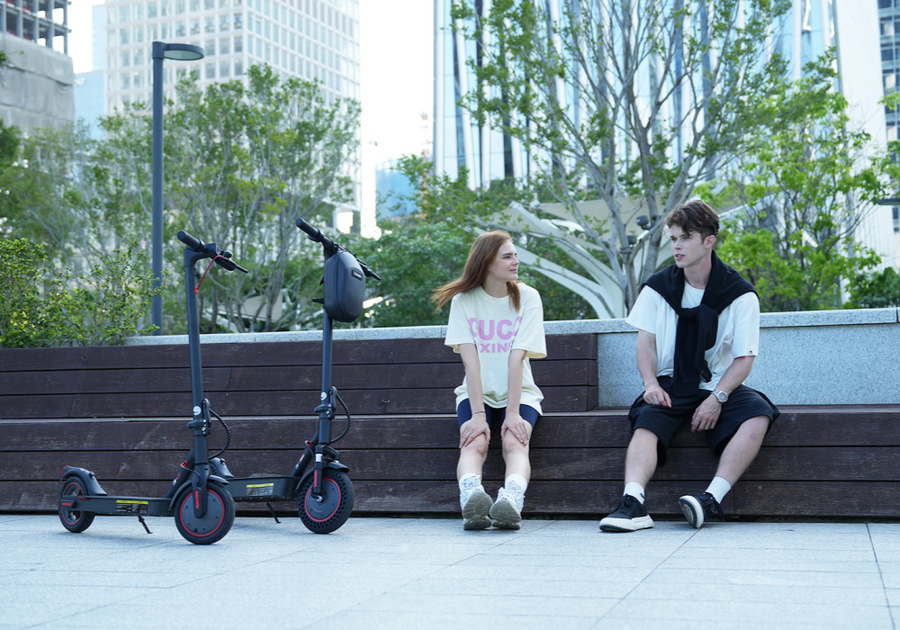
If your commute is short and storage is tight, an electric scooter can be the more realistic choice than an electric bike. For example, the iscooter i9 electric scooter lists a 270 Wh Lithium-ion Battery (36V 7.5Ah), a 3 to 5 hour charge time, and IP54 water resistance. That type of spec can cover short urban trips while staying easy to store.
Shop: iScooter i9 Commuter Electric Scooter
Step 2: Convert range claims into watt-hours
Ignore marketing range first. Use watt-hours (Wh) because Wh is a simple energy bucket you can compare across E-bikes.
Use this quick formula:
- Watt-hours (Wh) = Volts (V) x Amp-hours (Ah)
Example: the iScooter U2 lists a 36V 13Ah battery. That equals 468 Wh (36 x 13). The same product page highlights 468 Wh as the battery capacity.
Why this matters for an ebike commute:
- Two bikes can both claim similar miles, but the one with higher Wh usually holds up better in headwinds, hills, and cold mornings.
- Wh also helps you compare an ebike to electric scooters and Electric Mopeds in a more honest way.
As a rough commuting shortcut (because riding style varies), many riders find that 15 to 25 Wh per mile is a more realistic planning range than optimistic marketing numbers. Therefore, a higher-Wh pack gives you more buffer for detours and battery aging.
Step 3: Match Wh to assist and load
Now match battery size to how you will use assist, plus your load.
- Pick your target buffer.
- Add 20% to your planned energy use.
- Add more if you will ride in winter or strong wind.
- Be honest about speed.
- Faster riding increases aerodynamic drag.
- Higher assist makes that speed easy, but it drains battery faster.
- Consider cargo and rider weight.
- More weight increases energy needed for acceleration and climbing.
A practical example from iscooter product guidance: the iscooter i9 FAQ notes that range changes with rider weight, hills vs level surfaces, speed mode, tire pressure (it references 36 PSI as an optimal target), temperature, and terrain smoothness. That list is exactly why watt-hours plus a buffer is the smart way to choose.
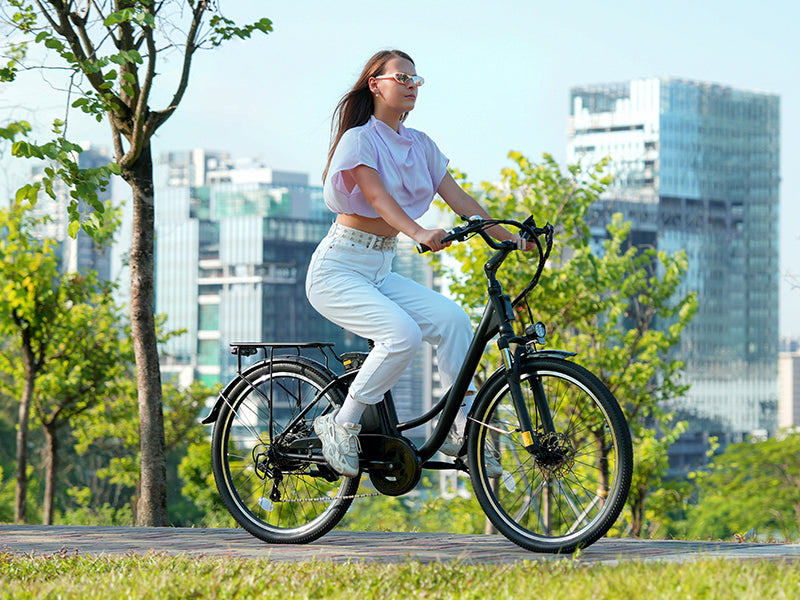
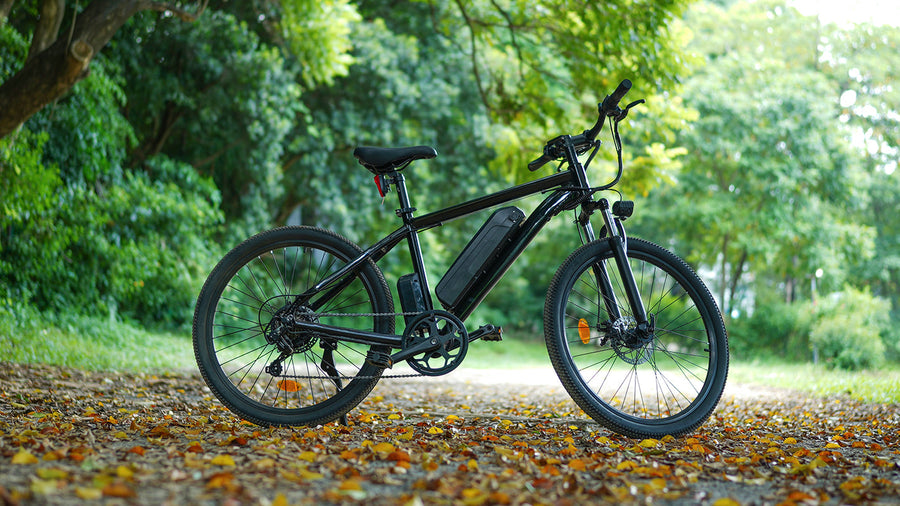
If you want a commuter-focused ebike with a clearly stated capacity, the iScooter U2 is a good reference point because its page calls out 468 Wh and a 36V 13Ah removable e-bike battery. The removable design also supports a commuter routine where you bring the battery inside to charge.
Shop: iScooter U2 Commuter Step-Thru Electric Bike
Step 4: Prioritize certified battery safety
Battery capacity matters, but safety matters more because a Lithium-ion Battery stores a lot of energy in a small space.
Look for third-party safety testing for the full system, not only the cells.
Also note the direction of travel on regulation and safety expectations. In April 2025, the U.S. Consumer Product Safety Commission voted to seek public comment on a proposed safety standard aimed at lithium-ion batteries in micromobility products, citing well-documented fire hazards. (cpsc.gov)
Practical steps you can take while shopping:
- Avoid unknown replacement batteries and off-brand chargers.
- Prefer packs with robust battery management and matched OEM charging hardware.
- Ask where the battery is charged in your home. Avoid charging where it blocks exits.
Step 5: Check charging time and routine
A commuter ebike battery is only useful if your routine can keep it charged.
Ask these questions:
- Can you charge at home overnight without blocking exits?
- Can you top up at work (even 1 to 2 hours helps)?
- Do you need a removable battery so you can charge indoors?
Use the charger specs to sanity-check the charging story.
For example, the iscooter i9 lists a charger input of AC 100-240V, 50-60 Hz and an output of DC 42V 1.5A, with a 3 to 5 hour charging time. That is a realistic window for daily commuting if you plug in after your ride.
If your commute is longer, build a habit:
- Charge to your normal daily target, not only when the battery hits very low.
- Do not store the battery at 0% for long periods.
- Keep charging contacts clean and dry.
If you commute on electric scooters some days and an ebike other days, aim for one consistent home charging station with clear cable management. That reduces accidental damage to ports and cords.
Step 6: Balance comfort, brakes, and support
Battery is not the only factor in commuter success. Comfort and control can indirectly protect battery life because a stable, predictable ride reduces stop-and-go and panic braking.
When comparing E-bikes, check these items:
- Riding position and fit (especially handlebar height).
- Tire size and pressure range.
- Suspension needs for your route.
- Brake performance in wet commutes.
Also consider after-sales support, parts availability, and warranty coverage because commuter devices take daily wear.
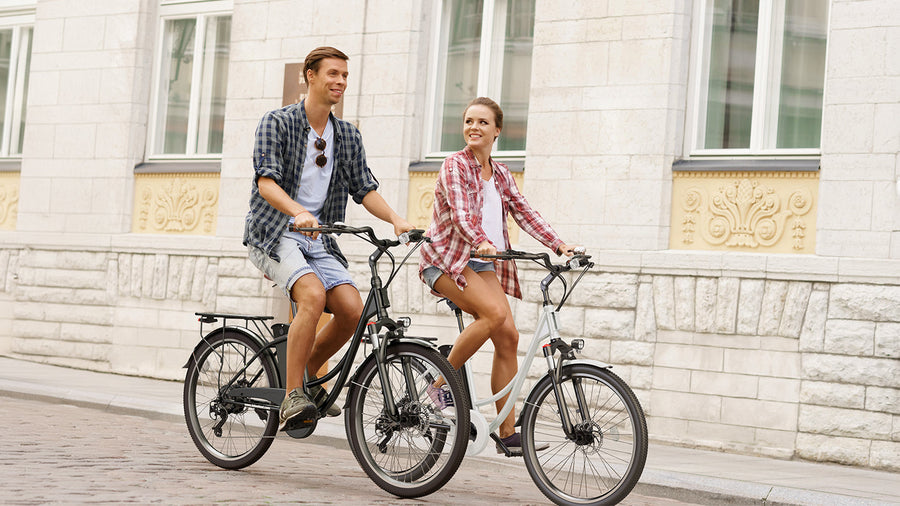
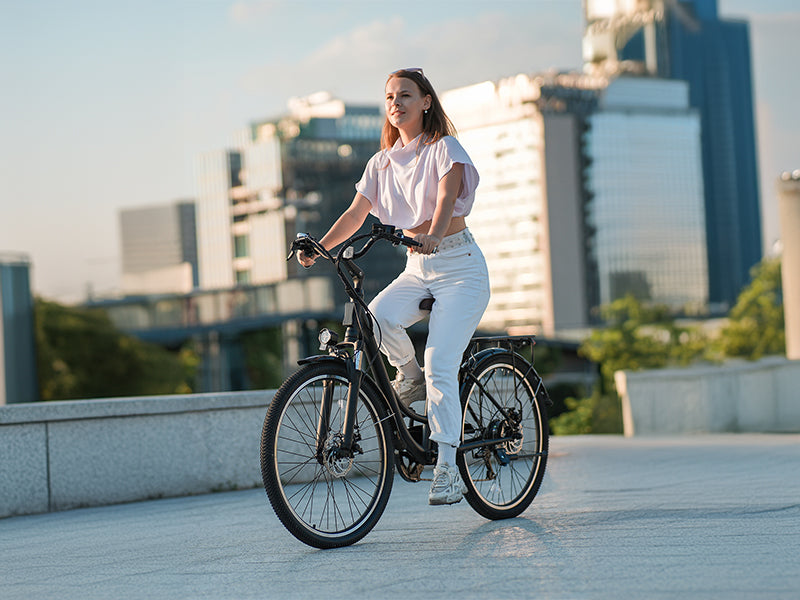
The iScooter U2 page calls out commuter-friendly design elements like a step-thru frame, front suspension, 26x1.95-inch pneumatic tires, a rear rack and fenders, and wired front and rear LED lights. Those features help daily riders stay consistent, which keeps charging routines predictable.
If you are choosing between an ebike and Commuter Scooters, remember that the most comfortable option is the one you will ride every day. For shorter commutes or multi-modal travel, electric scooters can win on portability. For longer commutes, an electric bike often feels steadier at speed and can carry more.
Shop: iScooter U2 Commuter Step-Thru Electric Bike
Scenario Variations for Different Commutes
Hilly routes
Choose a larger Wh battery because climbing loads the motor continuously. Plan for lower range in cold weather. If you ride hills daily, consider charging at both ends of the commute.
Long commutes
Prioritize removable batteries and a predictable Fast Charging routine. A mid-day top-up can be the difference between arriving home smoothly and limping home at low power.
Wet weather
Check device water resistance and plan storage that allows the pack and ports to dry. Use fenders to keep spray away from the battery area and connectors.
Mixed surfaces
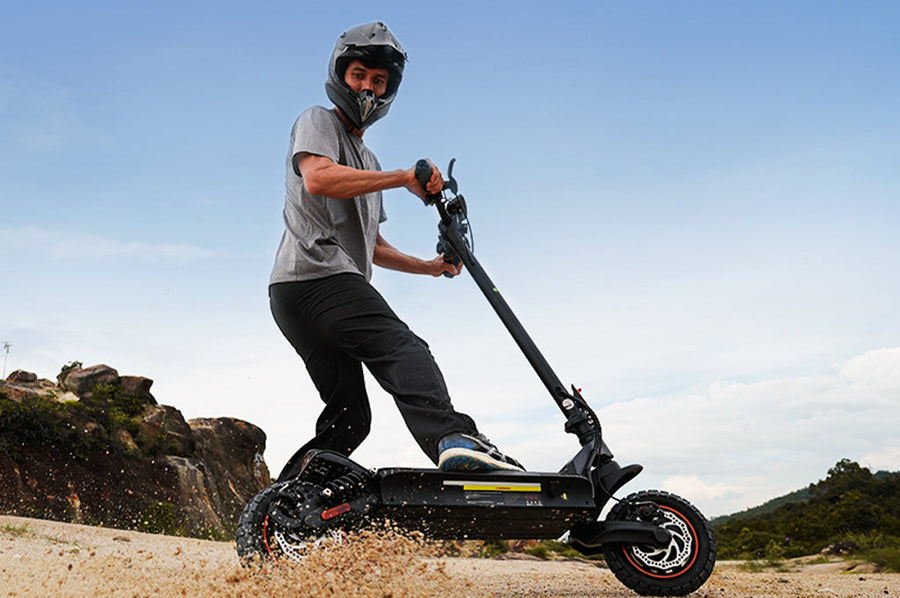
If your route includes rough pavement or gravel shortcuts, prioritize tire volume and suspension. Dual Suspension is common in Off-road E-scooters, while many commuter E-bikes rely on a front fork plus wider tires.
Prerequisites and Safety
Required Tools and Materials
- Your route details: distance, hills, and typical wind exposure.
- A secure indoor charging spot with a stable outlet.
- Helmet and basic Safety Gear for visibility.
- Front and rear lights if your commute includes dusk or early mornings.
- A lock plan for work and errands.
- A tire pump and pressure gauge to keep rolling resistance low.
- A dry microfiber cloth to wipe charging ports after wet rides.
If you also ride electric scooters, add a small multi-tool and keep a spare set of reflectors or clip-on lights in your bag.
Safety Considerations
- Use only the OEM charger designed for your battery system.
- Do not charge near doors or hallways where a fire could block exits.
- Inspect the battery case for dents, cracks, or swelling after any crash.
- Avoid charging immediately after a hard ride if the pack feels hot. Let it cool first.
The U.S. Consumer Product Safety Commission highlights safety guidance for bicycles, including helmet use as a key injury reduction measure. (cpsc.gov)
Troubleshooting
| Problem | Cause | Solution |
|---|---|---|
| Real range feels much lower than expected | High assist, headwinds, hills, low tire pressure | Reduce assist one level, keep tires at the recommended PSI, and plan Wh using 15 to 25 Wh per mile with a 20% buffer |
| Charging is slow or inconsistent | Wrong charger rating, damaged port, loose connection | Use the OEM charger, check the plug fit, inspect the port for debris, and avoid bending the cable near the connector |
| Battery drops quickly in cold weather | Low temperatures reduce battery output | Store the battery indoors, start the ride with a warm pack, and expect shorter range on cold mornings |
| Battery indicator jumps around | Voltage sag under load | Test on a flat road in a lower assist mode, then re-check after the pack rests for 5 minutes |
| You feel unsafe stopping in rain | Tires or brakes not matched to conditions | Reduce speed early, keep tires properly inflated, and prioritize stronger braking systems like Hydraulic Disc Brakes when shopping |
Conclusion
Choosing the best commuter ebike battery is mostly about matching watt-hours to your real route, your assist level, and your charging routine. Then you protect that choice by prioritizing certified safety and solid support.
If you want a simple checklist, use these three filters first: watt-hours (Wh), realistic charging time, and battery safety certification. After that, compare comfort and braking so you will actually ride daily.
Official Site: iScooter
Frequently Asked Questions
How do I choose an electric bike with the best battery for commuting? Start by matching battery watt-hours to your round-trip distance, hills, and assist level. Next, add a buffer of at least 20% so you have room for wind, cold weather, and battery aging. Then check charging time and whether the battery is removable, because your routine matters as much as capacity. Finally, prioritize safety-tested systems and avoid unknown replacement batteries or chargers.
How to extend the battery life of an electric bike? Use a lower assist level when you can, because high assist draws higher current and creates more heat. Keep tires inflated to the recommended pressure so the motor does not waste energy pushing extra rolling resistance. Charge in a cool, dry place and avoid leaving the pack at 0% for long periods. After wet rides, dry the charging area before plugging in to reduce corrosion and connection issues.
Can I find an electric bike with good battery life at an affordable price? Yes, but you should compare watt-hours and charger specs instead of trusting advertised miles. A higher Wh pack often costs more, but it can reduce daily stress because you need fewer emergency charges. Also look at what is included for commuting, like fenders, racks, and lights, because those save you from doing extra upgrades. Treat warranty and parts availability as part of battery value, since commuter use creates steady wear.
What is the best electric bike for long daily commutes? A strong choice for long commutes is usually an ebike with a higher Wh battery, a comfortable fit, and stable tires that roll efficiently. You should also look for a removable battery so you can charge at work or indoors without moving the whole bike. For daily safety, prioritize predictable braking and visibility, including reliable lights and reflective elements. The best option is the one that fits your routine, because missed charges matter more than small spec differences.
How much should I expect to spend on a reliable commuter electric bike? Reliability is driven by battery capacity, safety testing, and component quality, so prices can vary widely. Instead of choosing by cost alone, decide the minimum watt-hours you need for your commute plus a buffer, then compare models that meet it. After that, prioritize braking performance, tire quality, and support coverage because commuters ride in more conditions. If you stay consistent with maintenance, a mid-range commuter setup can feel more dependable than a higher-powered model that is poorly supported.
What is the most comfortable electric bike for long commutes for adults? Comfort comes from fit, tire volume, and vibration control more than raw power. Choose a frame style that matches your flexibility and clothing needs, then dial in handlebar and saddle position so you do not load your wrists and neck. Wider tires and suspension can reduce fatigue on rough pavement, which helps you maintain steady speed and conserve battery. If you feel numbness or pain after 20 to 30 minutes, adjust fit first before changing battery size.
iScooter E Scooter Collections:
Electric Scooter | Kids Electric Scooter | Electric Scooter for Adults | Electric Scooter with Seat | Off-Road Electric Scooter | Foldable Electric Scooter | Girls Electric Scooter | 1000W Electric Scooter | 2000W Electric Scooter | Boys Electric Scooter | Dual Motor Electric Scooter | Big Electric Scooter | Electric Scooter with Suspension | Lightweight Electric Scooter | Commuter E-Scooters | 3 Wheel Electric Scooter
Show more ▼iScooter E Bike Collections:
Foldable Electric Bike | Affordable Cheap Electric Bike | Electric Bike for Adults | Electric Motor Bikes | Trek Electric Bike | Fastest Electric Bike | Electric Road Bike | Full Suspension Electric Mountain Bike | Giant Electric Bike | Womens Ladies Electric Bike | Mens Electric Bike | Electric Bike with Throttle | Electric Gravel Bike | Electric Mountain Bike UK | Fat Tyre Electric Bike | Electric Hybrid Bike | Electric Motorised Bike | Electric Push Bike | 1000W Electric Bike | Cool Electric Bikes | Electric Off Road Bike | Pedal Assist Electric Bike | Good Electric Bikes | Small Electric Bike | Trek Electric Mountain Bike | 2000W Electric Bike | Full Suspension Electric Bike | Mini Electric Bike | Road Legal Electric Bike | Step Through Electric Bike
Show more ▼👍 Buying Guide | 🚴♂️ Riding Guide
📋 Feature Guide | ❓ Common problem

Product category
Electric Scooter
Cheap Electric Scooters for Adults | Fastest Electric Scooter | Kids Electric Scooter | Mini Electric Scooter
Electric Bike
U4 Foldable E-bike | EB3S E-MTB
Hoverboards
Electric Scooter for Kids | iK3Pro E-Scooter for Kids | iK7 Height Adjustable Kids E-Scooter





Article tags :
Leave us a message