










E-Bikes vs. E-Scooters: Which Dependable Ride Is Best for Your Daily UK Commute?
Which Daily UK Commute Problem Are You Actually Solving?

A wet morning, a delayed train, and one awkward carry up office stairs can decide whether e-bikes vs e-scooters are a useful comparison or just a spec-sheet distraction. For a real UK commute, the wrong choice costs you time every weekday. If your route is longer, rougher, or includes steady hills, a commuter e-bike usually removes more friction. If your trip is short and mixed with trains, lifts, or tight storage, a daily commuter scooter often feels easier to live with.
There is one more practical UK factor to settle first. In the UK, a road-legal e-bike must meet EAPC rules, including a maximum continuous rated power of 250W and motor assistance that cuts out at 15.5 mph, while privately owned e-scooters are illegal to ride on public roads, pavements, and parks. They are only legal on private land with permission, and rental scooters are limited to official trial areas. That legal difference matters more than any battery claim if your ride takes place on public streets.
So this guide keeps the comparison grounded in daily use, not hype. You will see where iScooter e-bikes fit better, where iScooter e-scooters stay more convenient, and how to match each option to your route length, storage limits, comfort needs, and transition time.
Should Your Commute Prioritise Speed or Simplicity?
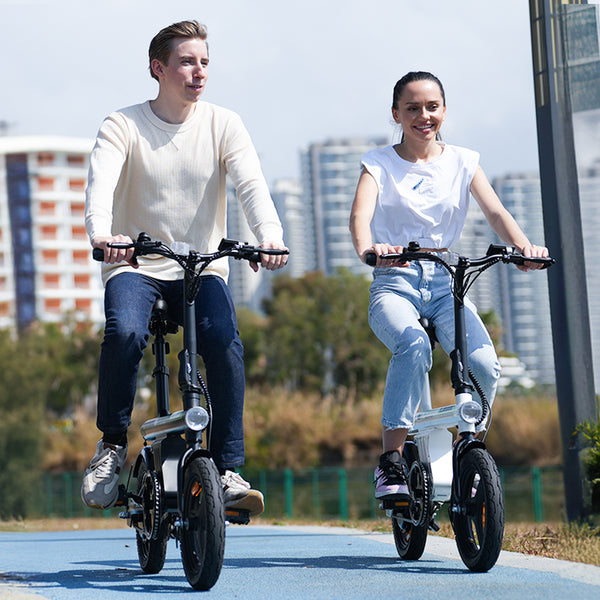
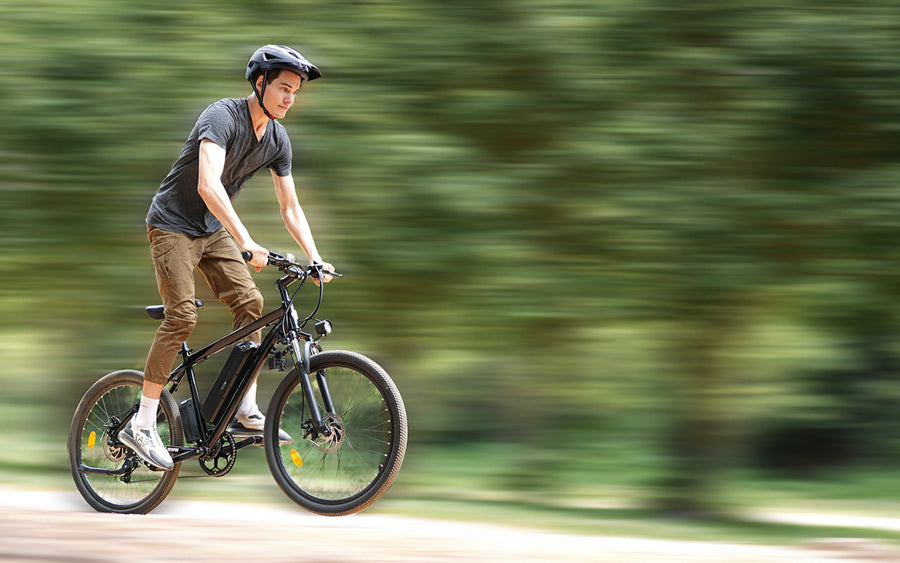
If your ride is more than a quick last-mile hop, the e-bike is the better choice. A seated platform spreads your weight better, gives you steadier control over potholes and drain covers, and makes mixed routes less tiring. That matters when your commute includes 20 to 40 minutes of riding, repeated starts at junctions, or a hill that feels easy on day one and annoying by Thursday.
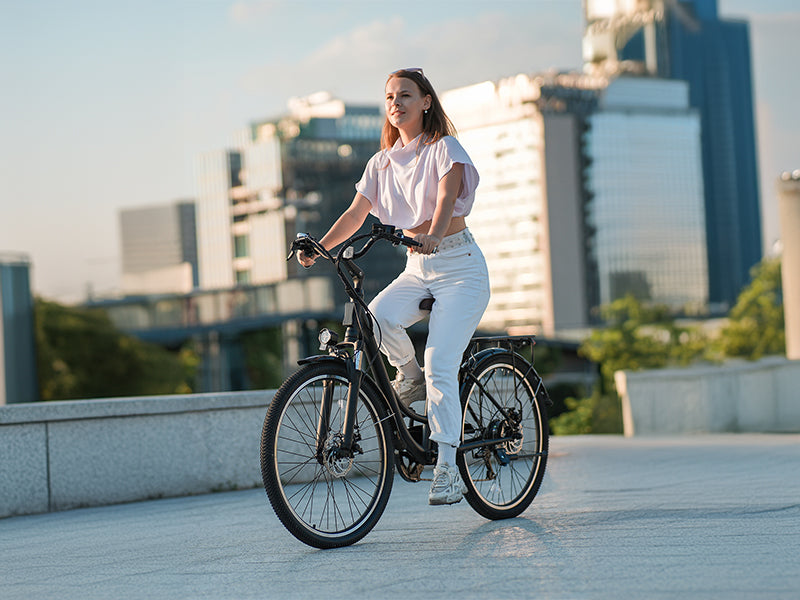
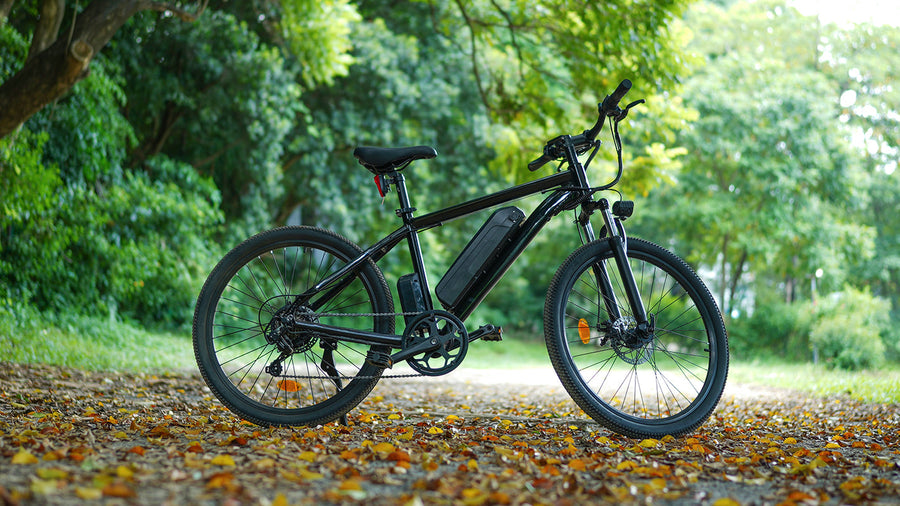
Within iScooter's range, the e-bike collection includes city, step-through, folding, and mountain-style options such as the U1 Foldable / EB1S Non-Folding Electric Bike, U4 Low Step Through Foldable Electric Bike, and M50 Electric Mountain Bike. The collection page also groups use cases into commuter, folding, lightweight, and step-through categories, which is helpful if your main question is not performance, but how the bike fits your routine. For riders who want a practical urban setup, the U1 Foldable / EB1S Non-Folding Electric Bike sits closest to the classic commuter e-bike role, while the U4 Low Step Through Foldable Electric Bike better suits easier mounting and more flexible storage.
Shop: U1 Foldable / EB1S Non-Folding Electric Bike
Shop: U4 Low Step Through Foldable Electric Bike
Why a commuter e-bike feels steadier on longer routes
The main advantage is not top speed. It is reduced daily strain. A seated bike gives you:
- Better comfort over rough tarmac and patched lanes
- More stable handling when carrying a backpack
- Easier hill management with pedal assist
- More confidence in wet, mixed urban conditions
- Broader usefulness beyond the commute itself
That broader usefulness matters because a vehicle that also handles errands, weekend rides, and longer detours is more likely to replace other trips. In other words, the e-bike often earns its place by being useful more often, not by winning one isolated metric.
Bulkier storage is the tradeoff you cannot ignore
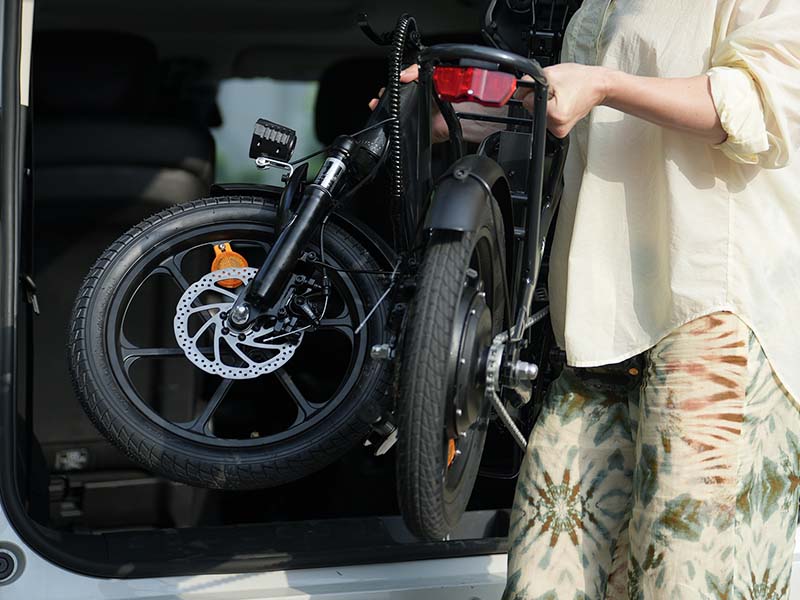
Still, e-bikes ask more of your hallway, shed, bike room, or office entrance. Even folding models reduce size rather than disappear. If your routine includes narrow staircases, crowded reception areas, or frequent train changes, storage friction can become the deciding issue. This is where an e-bike can be the better riding tool but the worse total commuting tool.
E-Scooters Keep Things Lighter

Now flip the situation. If your travel day includes walking to a station, boarding a train, then covering the final 1 to 3 miles at the other end, the scooter format is immediately easier to handle. You can fold it, wheel it, tuck it under a desk more easily than a bike, and generally make transitions with less fuss. That is the strongest case for an e-scooter in the e-bikes vs e-scooters debate.
In iScooter's UK scooter range, the commuter-friendly end includes models such as the i8, i9, i9Max, and i10Plus. The homepage highlights core figures for several of these: the i8 uses a 350W motor, offers up to 12 miles of range, and has an 18.6 mph top speed; the i9 also uses a 350W motor with up to 18.6 miles of range; the i9Max uses a 500W motor with up to 25 miles of range and a 22 mph top speed; and the i10Plus uses an 800W motor with up to 31 miles of range and a 25 mph top speed. The scooter collection additionally notes that the i10Plus weighs 44 lb and that the i9Max supports a 264 lb load. Those are practical details because portability depends on what you actually lift and store, not just whether a scooter folds.
Compact transport suits short, flexible trips
A daily commuter scooter makes the most sense when your route looks like this:
- Short urban segments
- Smooth to average road surfaces
- Frequent carrying or tight storage
- Public transport in the middle of the journey
- Minimal need for seated comfort
For that kind of trip, the i9Max Electric Scooter is easier to justify than a larger machine because its quoted 25-mile range and foldable format balance urban mileage with manageable size. If you want more suspension and speed for longer urban stretches, the i10Plus Electric Scooter pushes further into robust commuting territory.
Shop: i9Max Electric Scooter
Shop: i10Plus Electric Scooter
Rough roads expose the scooter's main weakness
The drawback appears as soon as road quality drops. Smaller platforms, a standing posture, and shorter wheelbase make cracks, kerbs, and uneven surfaces feel sharper. Suspension helps, but it does not fully recreate the calm, seated ride of an e-bike. So although a scooter wins on carry-and-store convenience, it usually loses once ride time gets longer or the route turns bumpy.
Where Does Each Option Fit Best?
The quick answer is simple: e-bikes fit longer, steadier, more varied commutes, while e-scooters fit shorter, simpler, more storage-sensitive trips. The useful answer takes one more step and breaks the decision into range, storage, comfort, and daily utility.
| Dimension | U1 / U4 E-Bike | i9Max / i10Plus E-Scooter |
|---|---|---|
| Commute length fit | Longer mixed routes | Short urban hops |
| Riding position | Seated | Standing |
| Hill comfort | Better | Fair to good |
| Storage ease | Moderate to difficult | Easier |
| Train compatibility | Limited to moderate | Strong |
| Road roughness tolerance | Better | Lower |
| Daily flexibility | Broad use | Narrower use |
| Legal public-road fit in UK | EAPC dependent | Private scooters restricted |
| Limitations | Bulkier to store | Harsher on rough roads |
Range Changes the Daily Routine
Range is not only about the biggest number on a page. It changes whether you charge every night, whether you can detour for errands, and whether cold weather creates stress by the end of the week. iScooter's e-bike collection lists range bands up to 31, 40, 55, and 62 miles depending on model group, while its commuter scooters span roughly 12 to 31 miles in the i8 to i10Plus lineup. That makes the e-bike category the stronger fit for riders who want more reserve rather than just enough.
For a longer UK commute, the reserve matters because headwinds, hills, rider weight, and stop-start traffic all cut into real-world battery performance. If your round trip is already near the limit, the vehicle starts controlling your routine instead of serving it.
Which Is Easier to Store?
This is the section where the scooter usually wins without much debate. Even a folding e-bike still needs meaningful floor area and is awkward in narrow indoor spaces. A folding scooter is simpler to bring into a flat, place beside a desk, or carry through a short stair section.
That does not mean every scooter is equally convenient. Once you move from entry models to larger commuter scooters, weight rises and portability becomes more of a concern. The i10Plus, for example, is described at 44 lbs, which is still manageable for some users but no longer feels effortless if you carry it daily. So if storage is your first filter, compare not just folded shape but actual carry burden.
Comfort Matters More Than Specs
A commuter e-bike is a more forgiving tool when the road is poor or the ride is long. Seated posture, larger frame geometry, and the ability to keep pedalling through low-assist sections smooth out the whole trip. By contrast, a scooter can feel efficient for 10 minutes and tiring by minute 30 if the surface is broken or your route includes repeated bumps.
That comfort difference also affects the safety margin. GOV.UK defines the legal framework for compliant e-bikes, but safe daily use still depends on visibility, braking, and pre-ride checks. The National Highway Traffic Safety Administration notes that riders should use front white lights, rear red lights, reflectors, and helmets to improve visibility and reduce injury risk, which becomes even more relevant in dark or wet commuting conditions.
Upfront Cost vs Daily Utility
Although scooters usually fit into the routine with less commitment, utility over time matters more than initial simplicity. If a machine is easy to store but uncomfortable enough that you avoid using it in wind, rain, or on rough roads, its real value drops. An e-bike often asks for more space and more handling effort off the road, yet it can repay that by remaining usable on many more days.
That is why this comparison works best when you ask one blunt question: which option will you still want to ride on a cold Wednesday, not just on a sunny Saturday. For many commuters, the answer points toward an e-bike. For others, the need to fold, carry, and combine transport modes keeps the scooter in front.
Head-to-Head: Best Fit by Real Commute Scenario

Here, the point is not to declare one winner. This is an internal comparison, so the better approach is matching route type to the right tool.
Scenario 1: 6 to 12 miles with mixed roads and a few hills
E-bike type: A commuter e-bike is the best fit here because it gives you seated support, more route flexibility, and better comfort over repeated daily mileage. Models in iScooter's e-bike collection also align better with riders who want categories like step-through, folding, or mountain-ready formats rather than a single narrow use case.
E-scooter type: A scooter can still cover this distance on paper, especially with options like the i9Max or i10Plus, but the standing posture and rough-road feedback become more noticeable over time. It works best only if your roads are relatively smooth and storage pressure is high.
Best Fit: Choose the e-bike if the ride itself is the main focus.
Scenario 2: 1 to 3 miles on each end of a train journey
E-bike type: The bike can work if station access is easy and you have secure storage, but each transition asks more of you. Even folding bikes remain more awkward on crowded platforms and office entry points.
E-scooter type: This is where the scooter format earns its place. A folding commuter scooter is easier to manage at barriers, lifts, and desks, and it reduces the hassle of the off-ride portions of your day.
Best Fit: Choose the e-scooter if transitions matter more than ride comfort.
Scenario 3: One vehicle for commuting, errands, and weekend use
E-bike type: The e-bike is broader in function. It is more comfortable with bags, more forgiving over distance, and generally better if you want one machine to cover transport beyond the office route.
E-scooter type: The scooter stays useful for short errands and compact urban movement, but it is a narrower tool. Once the ride becomes longer or less predictable, its convenience advantage shrinks.
Best Fit: Choose the e-bike if you want daily transport with more versatility.
Conclusion
For most longer and more varied UK commute patterns, the best fit is an e-bike. It gives you better comfort, steadier control, and more everyday usefulness when roads are rough, distances stretch, or weather turns mediocre. If your commute is short, storage is tight, and you regularly combine riding with trains or office carrying, an e-scooter remains the more convenient format, even if it is the narrower one.
Within iScooter's internal lineup, the practical split is clear. Look first at the iScooter e-bike range if you want stability over distance and a more comfortable daily ride. Look at the iScooter electric scooter range if compact flexibility is the bigger pain point in your routine. The right answer is the one that removes your biggest daily friction, not the one with the loudest spec sheet.
FAQ
How do I choose an electric bike with the best battery for commuting?
Choose battery size based on your real round-trip distance, then add a reserve for hills, cold weather, and battery ageing. A good target is having at least 20% to 30% capacity left after a normal workday ride rather than arriving nearly empty. If your route is longer or more variable, an e-bike from iScooter's commuter-focused range makes more sense than a smaller vehicle because it gives you more usable margin. Also check whether the bike's frame style, weight, and storage needs still fit your daily routine.
Which brands are best for a city commuter scooter that won’t need constant repairs?
A dependable city commuter scooter is usually one with modest, practical specs rather than the most aggressive performance focus. Look for stable braking, durable tyres, a solid folding joint, and replacement-part support before you worry about headline speed. iScooter is a sensible choice if you want UK delivery, warranty coverage, and local after-sales support tied to everyday commuting rather than novelty use. For a short city route, a simpler commuter model is often easier to keep running consistently than a heavier, more specialized machine.
Which electric scooter should I buy in the UK?
For a short daily commute, buy a folding scooter that matches your carrying and storage limits first, then your mileage needs second. A model in the i9Max category is usually the better fit when you want a balance of compact use and enough range for repeated weekday trips. If your route includes rougher roads or you want a more planted ride, moving up to a larger commuter scooter can help, but portability drops as weight rises. In the UK, you should also confirm where and how you plan to use it, because legal use conditions for privately owned e-scooters are more restricted than for compliant e-bikes.
What matters more for commuting: ride comfort or portability?
Ride comfort matters more when you spend most of your commute actually riding, especially over longer distances, poor surfaces, or hills. Portability matters more when your day includes stairs, train platforms, narrow storage, or carrying the vehicle into work. In plain terms, e-bikes usually win the comfort side and e-scooters usually win the portability side. The better choice is whichever one solves the part of the trip that annoys you most often.
Are e-bikes or e-scooters cheaper to own over time?
E-scooters often feel cheaper to start with because they are compact and simple to store, but long-term value depends on how often you can realistically use them. An e-bike may return more daily utility if it stays comfortable enough for longer rides, errands, and mixed road conditions. Ownership cost should include wear items, charging habits, storage practicality, and whether the vehicle replaces other transport consistently. A lower-entry option is not better value if it spends half the week unused.
What safety checks should I do before a daily commute?
Before every commute, check tyre condition, brake response, battery charge, lights, and any folding or locking points. On an e-bike, add a quick look at chain condition, pedal feel, and saddle security; on an e-scooter, pay close attention to stem tightness and wheel wear. This takes about two minutes and can prevent a small issue from turning into a breakdown on the road. If you ride in wet or dark conditions, make visibility gear part of the same routine instead of treating it as optional.
Table of Contents
- Which Daily UK Commute Problem Are You Actually Solving?
- Should Your Commute Prioritise Speed or Simplicity?
- E-Scooters Keep Things Lighter
- Where Does Each Option Fit Best?
- Head-to-Head: Best Fit by Real Commute Scenario
- Conclusion
-
FAQ
- How do I choose an electric bike with the best battery for commuting?
- Which brands are best for a city commuter scooter that won’t need constant repairs?
- Which electric scooter should I buy in the UK?
- What matters more for commuting: ride comfort or portability?
- Are e-bikes or e-scooters cheaper to own over time?
- What safety checks should I do before a daily commute?
iScooter E Scooter Collections:
Electric Scooter | Kids Electric Scooter | Electric Scooter for Adults | Electric Scooter with Seat | Off-Road Electric Scooter | Foldable Electric Scooter | Girls Electric Scooter | 1000W Electric Scooter | 2000W Electric Scooter | Boys Electric Scooter | Dual Motor Electric Scooter | Big Electric Scooter | Electric Scooter with Suspension | Lightweight Electric Scooter | Commuter E-Scooters | 3 Wheel Electric Scooter
Show more ▼iScooter E Bike Collections:
Foldable Electric Bike | Affordable Cheap Electric Bike | Electric Bike for Adults | Electric Motor Bikes | Trek Electric Bike | Fastest Electric Bike | Electric Road Bike | Full Suspension Electric Mountain Bike | Giant Electric Bike | Womens Ladies Electric Bike | Mens Electric Bike | Electric Bike with Throttle | Electric Gravel Bike | Electric Mountain Bike UK | Fat Tyre Electric Bike | Electric Hybrid Bike | Electric Motorised Bike | Electric Push Bike | 1000W Electric Bike | Cool Electric Bikes | Electric Off Road Bike | Pedal Assist Electric Bike | Good Electric Bikes | Small Electric Bike | Trek Electric Mountain Bike | 2000W Electric Bike | Full Suspension Electric Bike | Mini Electric Bike | Road Legal Electric Bike | Step Through Electric Bike
Show more ▼👍 Buying Guide | 🚴♂️ Riding Guide
📋 Feature Guide | ❓ Common problem

Product category
Electric Scooter
Cheap Electric Scooters for Adults | Fastest Electric Scooter | Kids Electric Scooter | Mini Electric Scooter
Electric Bike
U4 Foldable E-bike | EB3S E-MTB
Hoverboards
Electric Scooter for Kids | iK3Pro E-Scooter for Kids | iK7 Height Adjustable Kids E-Scooter







Article tags :
Leave us a message