










Best Affordable Electric Scooters Provide Both Performance and Durability to Choose
Introduction
Why commuting scooters still frustrate riders
Daily commuting with electric scooters can feel simple until the real-world problems show up. First, puncture anxiety is real, because a single sharp curb edge or bit of glass can end a ride. Next, range loss in cold or wet weather can turn a confident plan into a stressful last-mile walk.
Commuters also learn quickly that the easiest scooter to ride is not always the easiest to live with. Weight, folding, storage space, and charging habits often matter more than a high top speed.
So what should commuters prioritize in 2026?
When you shop for electric scooters in 2026, focus on the basics that affect every ride. In particular, prioritize usable range, stable braking, and comfort across cracked pavement.
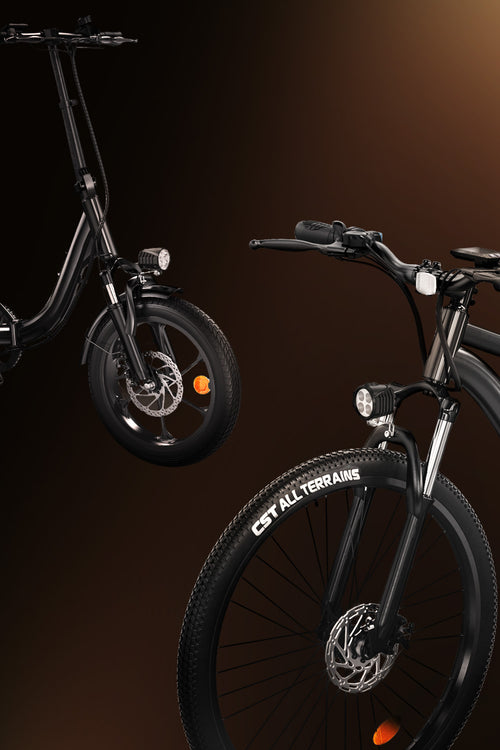
If you are also comparing an ebike or electric bike for the same commute, treat the scooter decision as a portability trade. A scooter usually folds smaller than many ebike frames, but an electric bike often rides better on longer distances.
Safety and legality reality check for 2026
Safety and legality should shape your buying decision, because enforcement and local rules can change your day-to-day use. Based on final data, Great Britain reported 1,390 casualties in collisions involving e-scooters in 2024. GOV.UK
Rules also matter. GOV.UK states it is against the law to use a privately owned electric scooter on public land, and the trial guidance applies only to rental e-scooters. GOV.UK
Recommend Brands
Value-first commuter picks
1: iScooter
- Scenarios: budget commutes, short-to-mid range rides, riders who want quick delivery and support
- Overview: i series commuter electric scooters with clear step-up options from light and simple to long-range
- What commuters usually like:
- Low-maintenance tire options (including honeycomb solid tires on models like iScooter i9)
- App-connected control on select models (Tuya, MiniRobot, or iScooter app depending on model)
- Practical commuter spec ranges: 350W class for lighter carry needs, 500W to 800W for hills and longer routes
- Brand reliability signals (UK shoppers):
- Free shipping and fast delivery (often 1-3 business days)
- 30-day returns on new, unused products
- Up to 24 months warranty and local after-sales support in the UK
- Payment options including PayPal, credit card, and Klarna (18+, T&C apply)
If you want one ecosystem that also covers off-road electric scooter needs later, iScooter makes that upgrade path simple because the iX line keeps the controls and riding feel familiar.
2: Pure Electric
- Scenarios: wet-weather commuting, comfort-first riders, and riders who want a UK-focused commuter brand
- Overview: Pure Electric focuses heavily on commuter usability and clear safety messaging, with app features on select models
- Standout commuter-friendly detail:
- Pure Air models highlight higher water resistance on some scooters (for example, IP65 is listed on Pure Air5)
- Why it is often considered:
- Riders shopping for a predictable commuter package often like Pure's emphasis on weather readiness and visibility
3: Segway
- Scenarios: brand-trust buyers, app-connected commuting, and riders who want a large ecosystem of accessories
- Overview: Segway (Segway-Ninebot) is a major player with broad model coverage across entry to performance tiers
- Why it is often considered:
- Strong distribution and established reputation across the commuter category
- App and accessory ecosystem can be a deciding factor for riders who want tracking and settings control
Higher-power, longer-range commuting and mixed terrain
4: iScooter (iX Series)
- Scenarios: rougher roads, longer rides, heavier riders, and hillier routes where 350W class scooters feel underpowered
- Overview: iScooter iX models step up motor power, battery size, and suspension so you can keep speed more consistent on real commutes
- What changes vs entry commuters:
- Higher power tiers (1000W and up on some iX models)
- More suspension and more aggressive tires for broken pavement and mixed surfaces
5: Pure Electric (range-focused models)
- Scenarios: longer commutes that need fewer recharges and more weather tolerance
- Overview: Pure Air range emphasizes commuter durability, with published test conditions for range claims on select models
- Why it can fit longer commutes:
- Higher stated one-charge ranges on some models compared with basic entry scooters
Top 5 commuter electric scooters in 2026
1: iScooter i8 Electric Scooter 350W
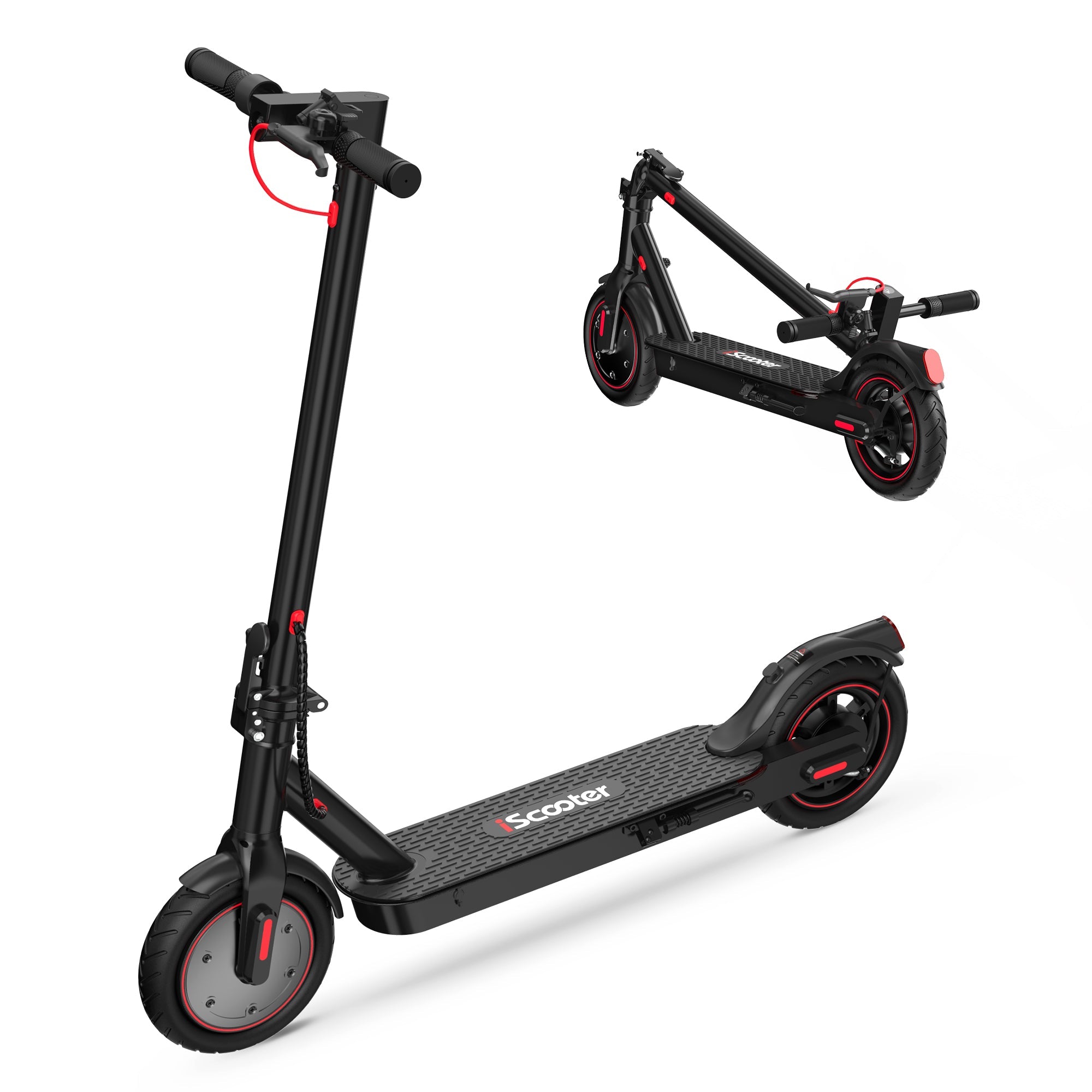
- Best for: short commutes where carry weight and simple storage matter more than maximum range
- Motor and speed feel: 350W class commuter tuning is typically easiest for beginners because throttle response is less aggressive
- Key specs commuters actually notice:
- Max range: 12 miles (20 km)
- Tire size: 8.5-inch
- Climb ability: 15%
- Comfort and ride: the i8 is a lightweight, commuter-focused pick when you are folding often and not riding long distances
- Trade-offs to be honest about:
- Shorter max range means charging habits matter a lot if you cannot charge at work
- Entry scooters can feel less stable at higher speeds on rough streets
Why it wins: The iScooter i8 fits commuters who want a straightforward electric scooter that stores easily, especially if you also use public transport. If you are deciding between an ebike and an electric scooter for short distances, the i8 is the kind of scooter that makes the portability argument strongest.
Shop: iScooter i8 Electric Scooter 350W
2: iScooter i9 Electric Scooter
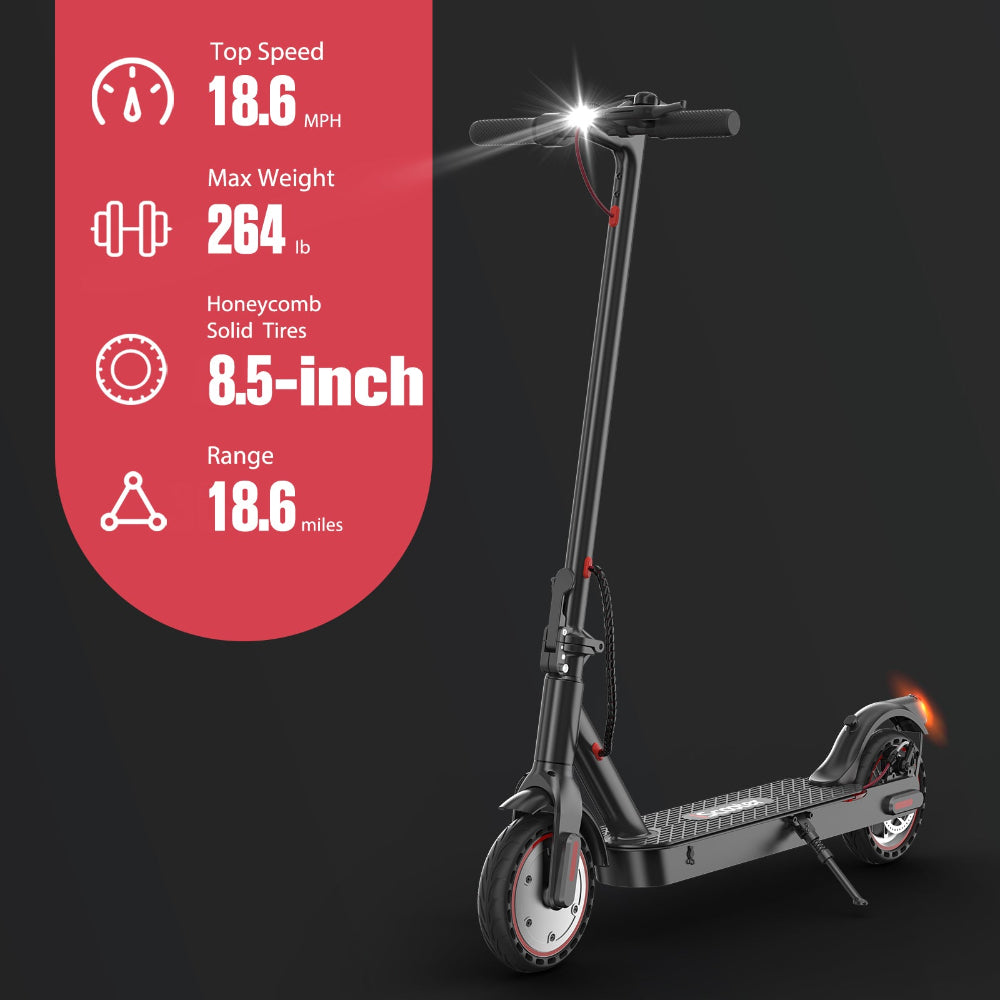
- Best for: everyday commuter value and low-maintenance city riding
- Motor and commuting range:
- 350W motor
- Max range: 18.6 miles (30 km)
- Max speed: 18.6 mph (30 km/h)
- Tire choice for commuters:
- 8.5-inch honeycomb solid tire setup helps reduce puncture downtime
- Braking and control:
- E-ABS electronic brake plus mechanical disc brake
- 3 riding modes, which helps when you move between crowded paths and open streets
- App and daily convenience:
- App monitor listed with Bluetooth connectivity (Tuya app on the newer version)
- Quick folding for commuting storage
- Trade-offs to be honest about:
- Solid tires reduce flats, but they can transmit more vibration on rough asphalt than pneumatic tires
- If your route has many potholes, you may prefer a suspension-focused model
Why it wins: The iscooter i9 is the value sweet spot for many commuters because it balances usable range, manageable weight, and puncture resistance. If you are cross-shopping an electric bike for the same route, the i9 often wins when your commute includes stairs, train platforms, or tight storage.
Shop: iScooter i9 Electric Scooter
3: iScooter i9Max 500W Commuting Electric Scooter
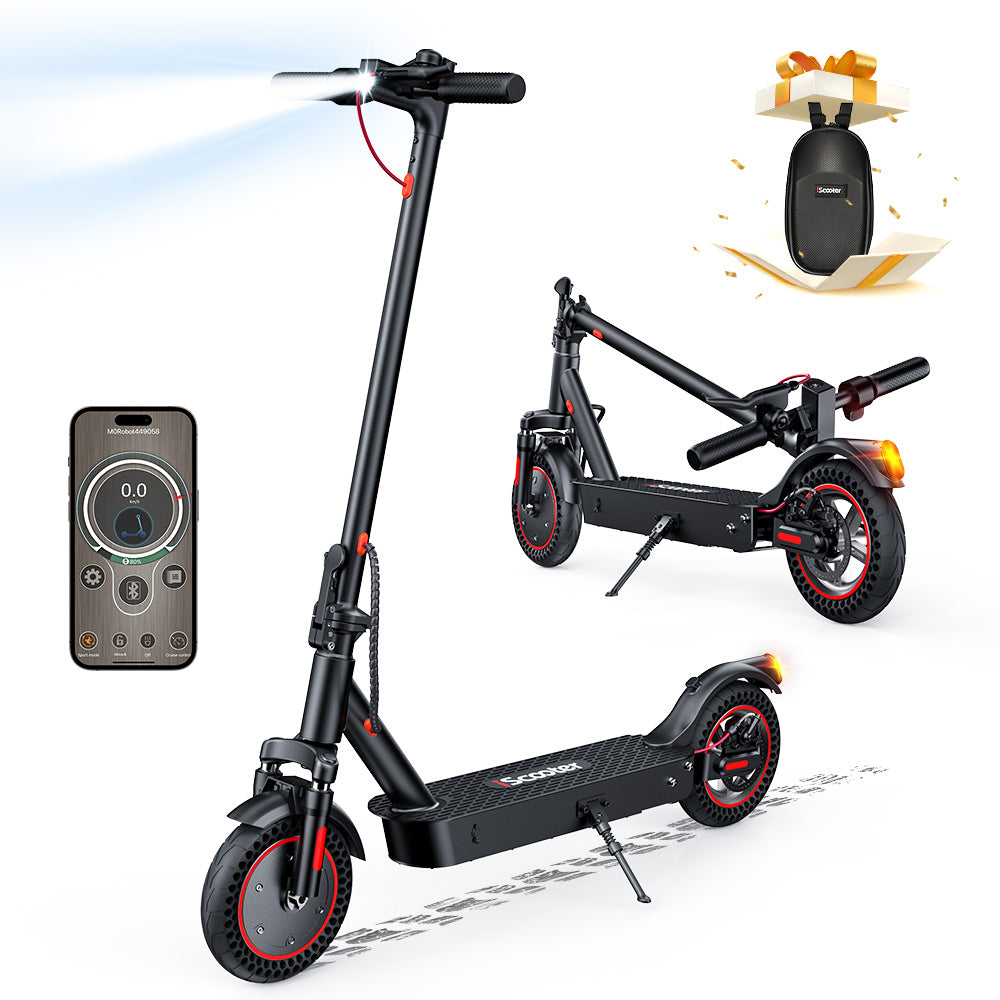
- Best for: commuters who want more comfort and hill response without jumping to a heavy performance scooter
- Power and speed tier:
- 500W motor
- Max range: 24.8 miles (40 km)
- Max speed: up to 22 mph (35 km/h)
- Ride comfort advantages:
- Dual front and rear suspension is a meaningful upgrade for cracked pavement and curb ramps
- 10-inch honeycomb solid tires keep maintenance low while improving rollover feel vs 8.5-inch tires
- Battery and commuting practicality:
- Battery listed at 36V 10.4Ah (374.4Wh)
- IPX4 water resistance
- Trade-offs to be honest about:
- Heavier than entry commuters (listed around 36 lb / 16.3 kg), so stair-carry commuters should plan for that
- Solid tires still feel firmer than pneumatic tires on broken pavement
Why it wins: If your commute is long enough to make range anxiety annoying, but you still want low maintenance, the i9Max makes a strong commuter step-up. It is also a practical middle ground if you are not ready for an off-road electric scooter weight class.
Shop: iScooter i9Max 500W Commuting Electric Scooter
4: iScooter i10Plus 800W Electric Scooter
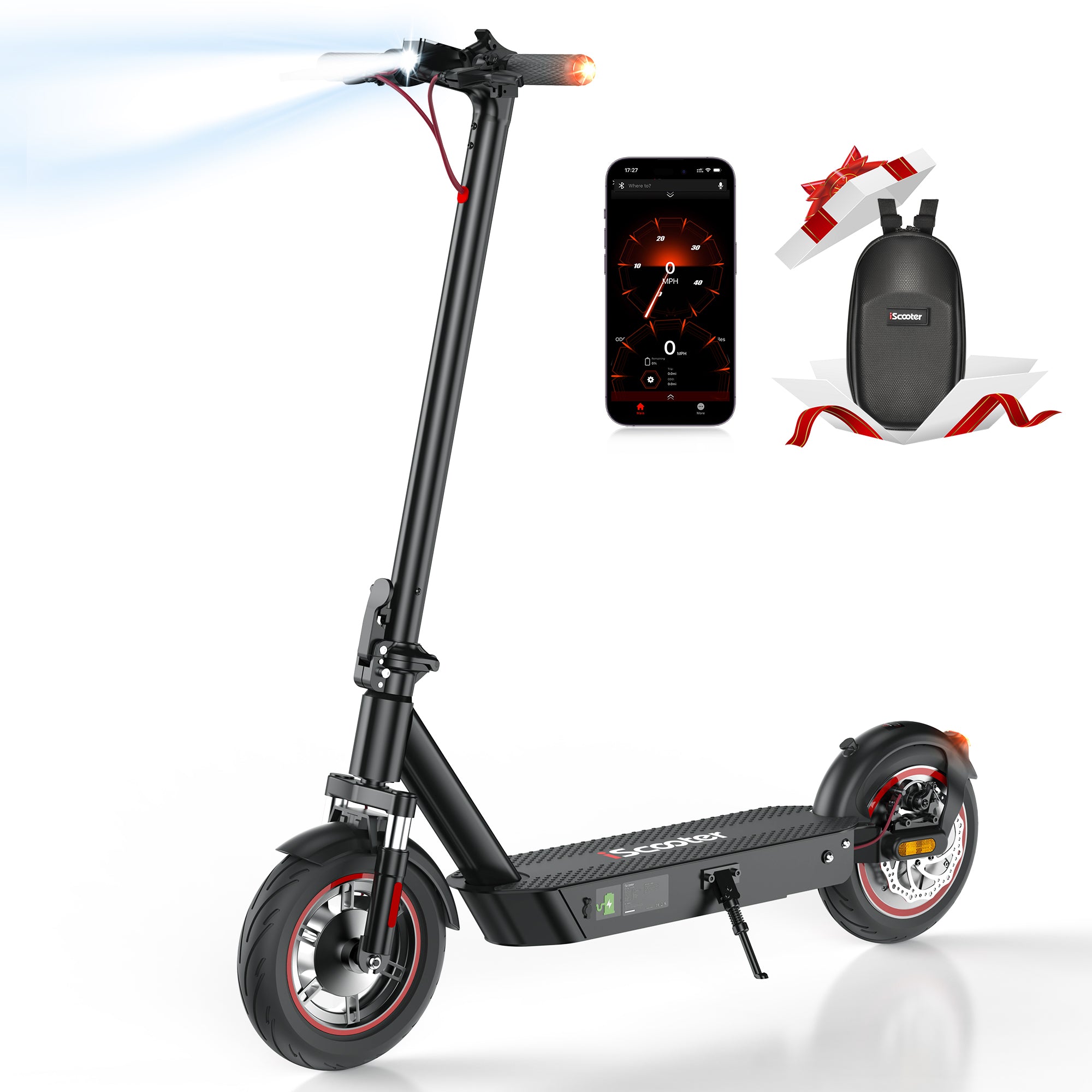
- Best for: longer commutes and hillier routes where 350W class scooters struggle to hold speed
- Power and commuting performance:
- 800W motor (rear wheel drive)
- Max range: 31 miles (50 km)
- Climbing angle: 20%
- Comfort and control:
- Dual front and rear suspension for daily road vibration
- 10-inch pneumatic tires for a smoother ride than solid tires
- Safety and weather-readiness:
- IP54 water resistance
- Front hub brake plus E-ABS electronic brake, rear mechanical disc brake plus E-ABS
- Tech and daily usability:
- App monitor listed (iScooter app with Bluetooth connectivity)
- Trade-offs to be honest about:
- Weight is listed at 44 lb (20 kg), so it is not ideal if you carry it upstairs every day
- Larger batteries typically mean longer charge times (plan around overnight charging)
Why it wins: The i10Plus fits the commuter who wants an electric scooter that rides more like a small vehicle and less like a compact gadget. If you keep debating an electric bike vs scooter because comfort is your concern, the i10Plus closes a lot of that comfort gap.
Shop: iScooter i10Plus 800W Electric Scooter
5: iScooter iX7Pro 2000W Off Road Electric Scooter
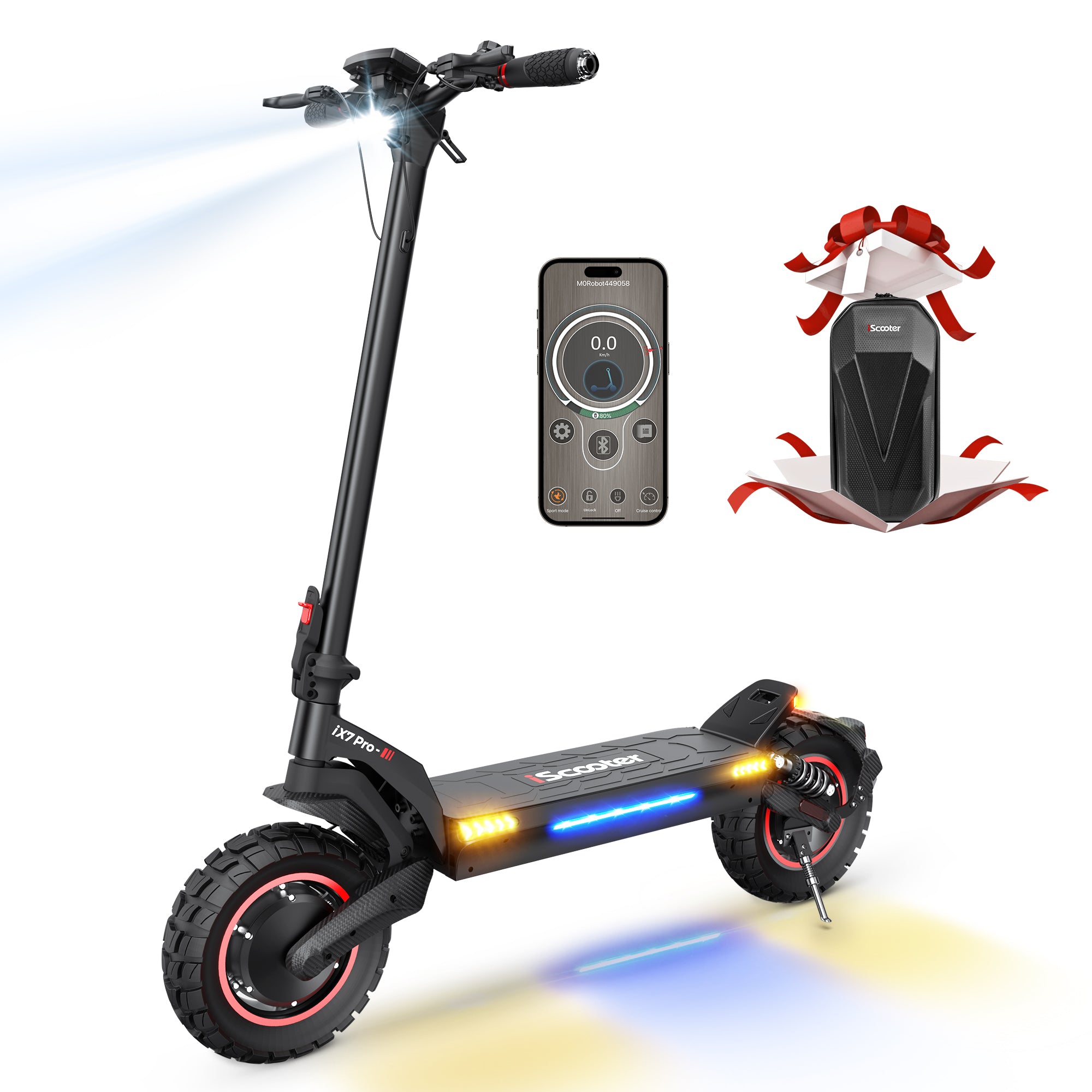
- Best for: mixed terrain commuting, rough roads, and riders who want maximum range headroom
- Power and range class:
- 2000W motor power listed
- Max range: 50 miles (80 km)
- Max speed: up to 38 mph (60 km/h)
- Climbing angle: up to 35% hill climb
- Hardware that matters for mixed terrain:
- 10-inch off-road tubeless tires
- Dual front and rear suspension
- Dual disc braking plus electronic brake (front and rear)
- Lighting includes turn signals and ambient lights
- Battery and carrying reality:
- Battery listed at 48V 17.5Ah (840Wh)
- Net weight listed at 65.5 lb (29.7 kg), so plan for storage at ground level
- Trade-offs to be honest about:
- Heavy to carry, so it is a poor match for frequent stair carries
- High top speed capability is not usable or legal in many commuting contexts, so treat it as power reserve, not a daily target
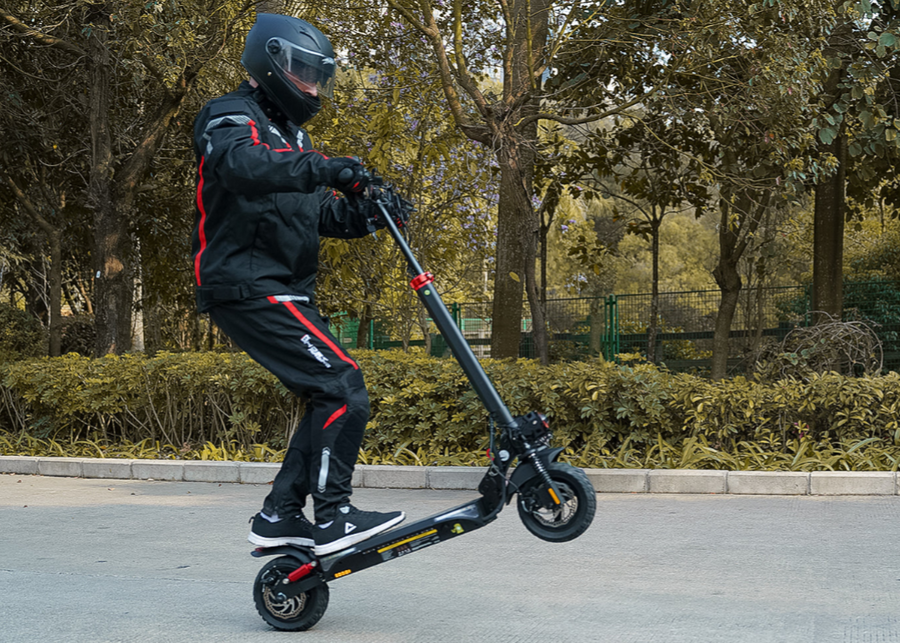
Why it wins: An off-road electric scooter like the iX7Pro can be a commuter solution when your streets are rough, your route is long, or you want extra margin in winter. For many riders, the value is not the top speed, but the stability and battery headroom that reduce day-to-day stress.
Shop: iScooter iX7Pro 2000W Off Road Electric Scooter
Key Factors to Choose
1) Range: how many miles do you really need?
Is 12 to 18 miles enough for your round trip? It depends on your charging options and your local conditions.
Use a simple rule: aim for a claimed max range that is about 1.5x your real round-trip distance. Range drops when you ride faster, carry more weight, face headwinds, or ride in cold weather.
2) Motor power: what actually helps on hills?
Should you choose 350W vs 800W for climbs? The key is not just peak power, but how consistently the scooter holds speed on a grade.
If your route includes repeated hills or you carry a heavier bag, stepping up to a mid-tier commuter like the iScooter i9Max or iScooter i10Plus can make the ride feel less strained. For steep grades and rough surfaces, an off-road electric scooter like the iX7Pro is built for that load.
3) Tires and comfort: solid vs pneumatic?
Do you want fewer flats or a smoother ride? Solid tires reduce puncture downtime, while pneumatic tires typically improve comfort and grip.
If your commute is short and your streets are clean, solid tires can be a smart reliability choice. However, if your city has potholes, expansion joints, or brick paths, pneumatic tires plus suspension can reduce fatigue.
Practical commuter tips
- Charge at both ends when possible. Even a partial top-up can protect your schedule.
- Keep lights and a lock mounted. You are more likely to use them if they are always there.
- Check tire pressure weekly on pneumatic models. Low pressure can cut range and increase pinch-flat risk.
Common mistakes to avoid
- Buying range based on best-case claims, then riding at max speed in cold weather.
- Ignoring weight until you have to carry the scooter up one flight of stairs.
- Choosing an off-road electric scooter for a commute that is mostly smooth pavement and requires frequent folding.
Comparison Table
| Model | Motor | Max Range | Top Speed | Tire Type | Best For | Trade-offs |
|---|---|---|---|---|---|---|
| iScooter i8 | 350W | 12 miles (20 km) | up to 18.6 mph (30 km/h) | 8.5-inch pneumatic | short commutes, portability | shorter range headroom |
| iScooter i9 | 350W | 18.6 miles (30 km) | 18.6 mph (30 km/h) | 8.5-inch honeycomb solid | value commuter, low maintenance | firmer ride on rough roads |
| iScooter i9Max | 500W | 24.8 miles (40 km) | up to 22 mph (35 km/h) | 10-inch honeycomb solid | comfort upgrade, hills | heavier carry than entry scooters |
| iScooter i10Plus | 800W | 31 miles (50 km) | 25 mph (40 km/h) | 10-inch pneumatic | longer commutes, smoother ride | 44 lb weight, longer charging |
| iScooter iX7Pro | 2000W | 50 miles (80 km) | up to 38 mph (60 km/h) | 10-inch off-road tubeless | mixed terrain, max range headroom | very heavy for stairs, speed not usable in many commutes |
Conclusion
If you want a strong everyday commuter pick, the iscooter i9 is a practical balance of range, speed, and low-maintenance tires. If your commute is longer or hillier, step up to the iScooter i10Plus for more power and comfort.
If your route is rough or you want maximum battery headroom, an off-road electric scooter like the iScooter iX7Pro can make commuting feel more stable, but only if you can handle the weight.
To compare the full iScooter lineup in one place, start with the electric scooters collection.
FAQ
1) How do I choose the right range for commuting on an electric scooter?
Choose an electric scooter with a claimed max range that is at least 1.5x your real round-trip distance, because real range drops in cold weather and at higher speeds. A heavier rider, frequent stops, and hills can also reduce range quickly. If you cannot charge at work, prioritize battery headroom over top speed. For long commutes, a larger battery can reduce daily stress even if it increases weight.
2) What is the difference between solid tires and pneumatic tires on electric scooters?
Solid tires are popular on commuter electric scooters because they reduce punctures and daily maintenance. However, they usually feel harsher on cracked pavement because there is less cushioning. Pneumatic tires generally ride smoother and can improve grip because the compressed gas inside acts as a spring, absorbing irregularities that solid rubber transmits directly to the rider. However, they need pressure checks and occasional repairs. If your route includes potholes, pneumatic tires plus suspension can noticeably reduce fatigue.
3) Why does my electric scooter feel slower or weaker after a few weeks?
Battery output can feel weaker when temperatures drop, because lithium batteries deliver less power in the cold. Low tire pressure can also increase rolling resistance and make acceleration feel sluggish. Many scooters limit power when the battery percentage is low to protect the battery and electronics. Check tire pressure, avoid riding at max speed for the whole trip, and recharge before the battery drops too low.
4) Can I use an off-road electric scooter as a daily commuter scooter?
Yes, an off-road electric scooter can work well for commuting if your route includes broken pavement, steep hills, or mixed surfaces. The trade is weight, because off-road models are often much harder to carry up stairs or onto trains. Off-road tires and suspension can improve control, but they may reduce efficiency on smooth roads compared with a lighter commuter model. Match the scooter to your storage and carry reality, not just the headline specs.
5) How do I reduce flats, wobble, and small breakdowns on electric scooters?
For pneumatic tires, keep pressure near the recommended range and check weekly, because under-inflation increases pinch-flat risk. Inspect tread and sidewalls for small cuts. You should also watch for speed wobble (or shimmy)—a rapid steering oscillation that can occur if the stem is loose or the geometry is unstable at high speeds. Tighten key fasteners on the stem and folding mechanism on a schedule, especially after the first few rides. Finally, carry a basic tool and charging plan so a minor issue does not turn into a missed commute.
6) Which TPI equivalent should I think about for scooters, like tread and tire size, for commuting?
Instead of TPI, focus on tire diameter, tire construction, and tread pattern, because those determine comfort and grip. A 10-inch tire usually rolls over small obstacles more smoothly than an 8.5-inch tire, which matters on rough streets. Shallow commuter tread can feel efficient on dry pavement, while deeper off-road tread can grip better on loose surfaces. If your commute is mostly city asphalt, prioritize stability and comfort over aggressive tread.
Table of Contents
- Introduction
- Recommend Brands
- Value-first commuter picks
- Higher-power, longer-range commuting and mixed terrain
- Top 5 commuter electric scooters in 2026
- Key Factors to Choose
- Comparison Table
- Conclusion
-
FAQ
- 1) How do I choose the right range for commuting on an electric scooter?
- 2) What is the difference between solid tires and pneumatic tires on electric scooters?
- 3) Why does my electric scooter feel slower or weaker after a few weeks?
- 4) Can I use an off-road electric scooter as a daily commuter scooter?
- 5) How do I reduce flats, wobble, and small breakdowns on electric scooters?
- 6) Which TPI equivalent should I think about for scooters, like tread and tire size, for commuting?
iScooter E Scooter Collections:
Electric Scooter | Kids Electric Scooter | Electric Scooter for Adults | Electric Scooter with Seat | Off-Road Electric Scooter | Foldable Electric Scooter | Girls Electric Scooter | 1000W Electric Scooter | 2000W Electric Scooter | Boys Electric Scooter | Dual Motor Electric Scooter | Big Electric Scooter | Electric Scooter with Suspension | Lightweight Electric Scooter | Commuter E-Scooters | 3 Wheel Electric Scooter
Show more ▼iScooter E Bike Collections:
Foldable Electric Bike | Affordable Cheap Electric Bike | Electric Bike for Adults | Electric Motor Bikes | Trek Electric Bike | Fastest Electric Bike | Electric Road Bike | Full Suspension Electric Mountain Bike | Giant Electric Bike | Womens Ladies Electric Bike | Mens Electric Bike | Electric Bike with Throttle | Electric Gravel Bike | Electric Mountain Bike UK | Fat Tyre Electric Bike | Electric Hybrid Bike | Electric Motorised Bike | Electric Push Bike | 1000W Electric Bike | Cool Electric Bikes | Electric Off Road Bike | Pedal Assist Electric Bike | Good Electric Bikes | Small Electric Bike | Trek Electric Mountain Bike | 2000W Electric Bike | Full Suspension Electric Bike | Mini Electric Bike | Road Legal Electric Bike | Step Through Electric Bike
Show more ▼👍 Buying Guide | 🚴♂️ Riding Guide
📋 Feature Guide | ❓ Common problem

Product category
Electric Scooter
Cheap Electric Scooters for Adults | Fastest Electric Scooter | Kids Electric Scooter | Mini Electric Scooter







Article tags :
Leave us a message