










Is Riding an Electric Scooter Actually Good for the Environment
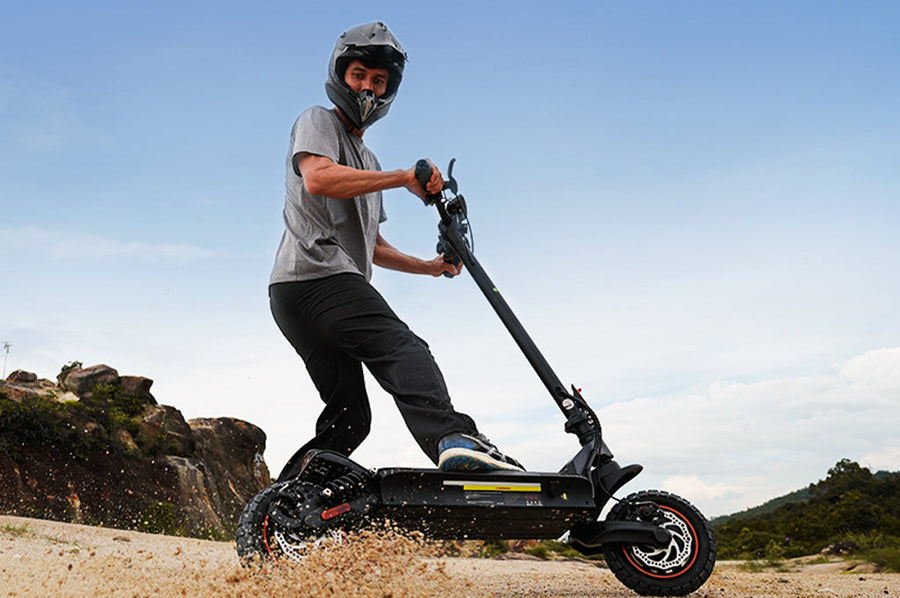
Electric scooters have become one of the most talked-about modes of transport in recent years — but do they actually deserve their green reputation? If you're considering an electric scooter in the UK and wondering whether your choice genuinely helps the planet, you're asking exactly the right question. In this article, we break down the carbon footprint of e-scooters compared to other transport options, examine what happens to batteries over their lifetime, and explain why, for most UK commuters, choosing an electric scooter is one of the most practical steps towards greener daily travel. When people talk about electric scooter vs car emissions, they often focus only on tailpipe output — which misses a lot of the picture. A full lifecycle analysis (sometimes called a "well-to-wheel" assessment) accounts for manufacturing, the source of electricity used to charge the vehicle, and end-of-life disposal. Transport Mode CO₂ Emissions (g per km) Basis Key Notes Petrol Car (solo driver) 170–200 g CO₂/km Per vehicle km Highest emissions, especially inefficient when carrying one person Diesel Bus (average passenger share) 80–100 g CO₂/passenger km Per passenger km More efficient per person due to shared occupancy Electric Scooter (UK grid, lifecycle included) 20–35 g CO₂/km Per vehicle km Includes manufacturing + charging; benefits from increasingly clean electricity Train Low (varies by route) Per passenger km Typically one of the lowest-carbon motorised options Cycling Near zero Per passenger km Effectively the lowest-carbon option for short/medium trips That's a dramatic difference. On a 5-kilometre daily commute, switching from a solo car to an electric scooter could reduce your transport emissions by more than 80% on that journey alone. The environmental case for e-scooters is already visible across UK streets. Many commuters are replacing short car trips to stations, offices, and shops with zero-tailpipe-emission rides — a shift that aligns with long-standing goals for sustainable commuting in the UK. Short car trips — those under 5 miles — are disproportionately polluting because cold engines run less efficiently and catalytic converters take time to reach operating temperature. Replacing even two or three of these trips per week with an e-scooter ride makes a measurable dent in an individual's annual carbon output. Widespread electric scooter use in the UK reduces congestion by taking cars off the road, easing traffic and cutting overall emissions. They also require far less space than cars, helping reduce heat build-up from extensive tarmac surfaces. For riders who charge their scooters at home on a green energy tariff — now widely available from UK suppliers — the carbon footprint per kilometre drops even further, approaching near-zero in a best-case scenario. The most honest part of this discussion is batteries. Most quality e-scooters use lithium-ion cells, which depend on mined materials like lithium and cobalt. That extraction has real environmental impacts, from land disruption to high energy use. It’s a valid concern that any fair view of green transport in the UK should acknowledge. Extracting and refining battery materials isn’t impact-free. Mining operations consume large amounts of water and energy, and the supply chain can involve complex global logistics. These factors contribute to the overall footprint of electric mobility before a scooter even reaches the road. Electric scooter batteries are much smaller than those in electric cars—typically 250–500Wh compared to 50–100kWh in EVs. This significantly reduces their raw material use. Over a scooter’s lifespan, the manufacturing impact per kilometre becomes much lower when spread across total usage. Battery longevity is also improving. Quality scooters from established brands are designed with cell management systems that maximise charge cycles and extend pack life. iScooter models, for example, are engineered with battery health in mind, which means longer usable lifespans before any replacement is needed. When batteries do reach end of life, they don’t simply “stop working” overnight. Capacity gradually declines over time — shorter range, slower performance, and reduced efficiency are the usual signs. Eventually, the pack can no longer hold a useful charge and needs replacement or recycling. UK recycling infrastructure for lithium-ion cells is developing rapidly. The government's producer responsibility regulations now place obligations on manufacturers to support battery take-back and recycling. Choosing a reputable brand means you're more likely to have a clear, responsible pathway for battery disposal rather than facing a dead end. While battery production has environmental costs, improvements in design, lifespan, and recycling are steadily reducing its impact. In the broader context of urban transport, electric scooters remain a lower-emission alternative — especially when their batteries are used efficiently and disposed of responsibly. Short answer: no — not for the kinds of trips e-scooters are actually used for. The fair comparison isn’t scooters vs trains or buses, but scooters vs the real alternative: usually a solo car journey. In that context, the difference is clear. Compared with cars, e-scooters produce far lower emissions, even when you include battery production and electricity use. They also create zero local exhaust pollution — no NOx or particulate emissions — which is a big win for urban air quality and health. They’re also simpler machines. With far fewer moving parts, e-scooters require less maintenance and fewer raw materials over their lifetime: no oil changes, exhaust systems, or catalytic converters. Put simply, for short urban trips, they’re generally a much lighter environmental option than driving. Not all e-scooters are equally sustainable. Build quality, battery life, and repairability all determine their true environmental impact. iScooter focuses on durability, helping scooters last longer and reducing the need for frequent replacements. With available spare parts and repair options, they’re designed to be maintained rather than discarded—cutting waste over time. For anyone looking for an eco-friendly electric scooter in the UK, iScooter offers a strong balance of efficient motors, long-range performance per charge, and thoughtful lifecycle design. Explore the full range of commuter-ready models on the iScooter website to find the right fit for your daily travel needs. Zooming out, the environmental case for e-scooters becomes even stronger. Transport is a major source of UK emissions, with cars making up the largest share. Shifting to micro-mobility like e-scooters helps reduce this impact at scale. No transport option is impact-free, but sustainability isn’t about perfection—it’s about better everyday choices made consistently. Using a durable rechargeable electric scooter for short urban trips instead of a petrol car is one of those practical improvements. As charging networks expand, the grid gets greener, and battery recycling advances, the environmental benefits will only grow. The trend is already set—and it’s moving in a cleaner direction. Electric scooters are a clearly greener option for short urban trips in the UK, producing far lower emissions than cars and helping improve air quality. While battery production has some impact, it is relatively small and reduced further over a long product life. For everyday commuters, an eco-friendly e-scooter is a simple, practical way to cut carbon without losing convenience. iScooter’s adult range offers a solid starting point, combining durability, performance, and sustainability. Based on lifecycle analysis using the current UK electricity grid, a typical iScooter produces approximately 20–35g of CO₂ per kilometre — compared to 170–200g per kilometre for a solo petrol car journey. As the UK grid becomes progressively cleaner through renewable energy expansion, this figure will continue to fall for all electric vehicles charged in the UK. iScooter batteries are built to handle hundreds of charge cycles while maintaining strong performance. With proper care—like avoiding full discharges and not overcharging—they typically last several years before noticeable capacity loss. Actual lifespan varies depending on model, usage, and charging habits. Yes. In the UK, lithium-ion batteries must not go in household waste and should be taken to WEEE recycling points at local centres or approved drop-offs. iScooter recommends responsible disposal in line with UK guidance. Cycling has the lowest emissions since it needs no power or batteries. E-scooters still emit far less than motorised transport, offering a practical, greener alternative to driving when cycling isn’t feasible.The Carbon Footprint of an Electric Scooter vs a Car, Bus and Train
Electric Scooter UK: How Riders Are Reducing Their Emissions
Cutting the Most Polluting Journeys: Short Urban Drives
Reducing Congestion and City-Wide Emissions
Maximising Sustainability with Green Energy Charging
How Electric Scooter Batteries Are Made, and What Happens When They Die
The Environmental Cost of Lithium-Ion Production
Why Scooter Batteries Are Smaller Than Electric Car Batteries
How Electric Scooter Batteries Are Designed to Last Longer
What Happens When an Electric Scooter Battery Dies
Recycling and Responsible Disposal in the UK
Is Riding an E-Scooter Worse Than Driving?
Why Choosing an iScooter Is One of the Greenest Commuting Choices in the UK
Electric Scooter UK Environmental Impact: The Bigger Picture
A Smarter, Greener Way to Commute in the UK
FAQs
How many grams of CO₂ does an iScooter produce per kilometre?
How long does an iScooter battery last before it needs replacing?
Can iScooter batteries be recycled in the UK?
Does riding an iScooter produce more emissions than cycling?
iScooter E Scooter Collections:
Electric Scooter | Kids Electric Scooter | Electric Scooter for Adults | Electric Scooter with Seat | Off-Road Electric Scooter | Foldable Electric Scooter | Girls Electric Scooter | 1000W Electric Scooter | 2000W Electric Scooter | Boys Electric Scooter | Dual Motor Electric Scooter | Big Electric Scooter | Electric Scooter with Suspension | Lightweight Electric Scooter | Commuter E-Scooters | 3 Wheel Electric Scooter
Show more ▼iScooter E Bike Collections:
Foldable Electric Bike | Affordable Cheap Electric Bike | Electric Bike for Adults | Electric Motor Bikes | Trek Electric Bike | Fastest Electric Bike | Electric Road Bike | Full Suspension Electric Mountain Bike | Giant Electric Bike | Womens Ladies Electric Bike | Mens Electric Bike | Electric Bike with Throttle | Electric Gravel Bike | Electric Mountain Bike UK | Fat Tyre Electric Bike | Electric Hybrid Bike | Electric Motorised Bike | Electric Push Bike | 1000W Electric Bike | Cool Electric Bikes | Electric Off Road Bike | Pedal Assist Electric Bike | Good Electric Bikes | Small Electric Bike | Trek Electric Mountain Bike | 2000W Electric Bike | Full Suspension Electric Bike | Mini Electric Bike | Road Legal Electric Bike | Step Through Electric Bike
Show more ▼👍 Buying Guide | 🚴♂️ Riding Guide
📋 Feature Guide | ❓ Common problem

Product category
Electric Scooter
Cheap Electric Scooters for Adults | Fastest Electric Scooter | Kids Electric Scooter | Mini Electric Scooter
Electric Bike
U4 Foldable E-bike | EB3S E-MTB
Hoverboards
Electric Scooter for Kids | iK3Pro E-Scooter for Kids | iK7 Height Adjustable Kids E-Scooter









Article tags : Electric Scooter Carbon Footprint · Is Riding an Electric Scooter Actually Good for the Environment ·
Leave us a message