










How Much E-Scooter Do You Really Need for Daily City Travel?
How Much E-Scooter Do You Really Need for Daily City Travel?

Train delays, rising fares, and short trips that feel too far to walk can make a budget electric scooter look like a simple fix. The expensive mistake is buying for headline speed, then discovering the range is too tight, the tyres need more care than expected, or the scooter is awkward to carry into a flat or office.
A practical urban commuter scooter should fit your route before it impresses you on paper. In this guide, you will build a commuter value checklist around range, comfort, charging, maintenance, support, and UK use limits. The iScooter i9Max is used as a real daily use e-scooter benchmark because its product page lists commuter-focused specifications such as a 500W motor, 24.8-mile stated max range, 10-inch honeycomb solid tyres, dual suspension, IPX4 water resistance, and 16.3 kg net weight.
What Makes a Budget Electric Scooter Cost-Effective?
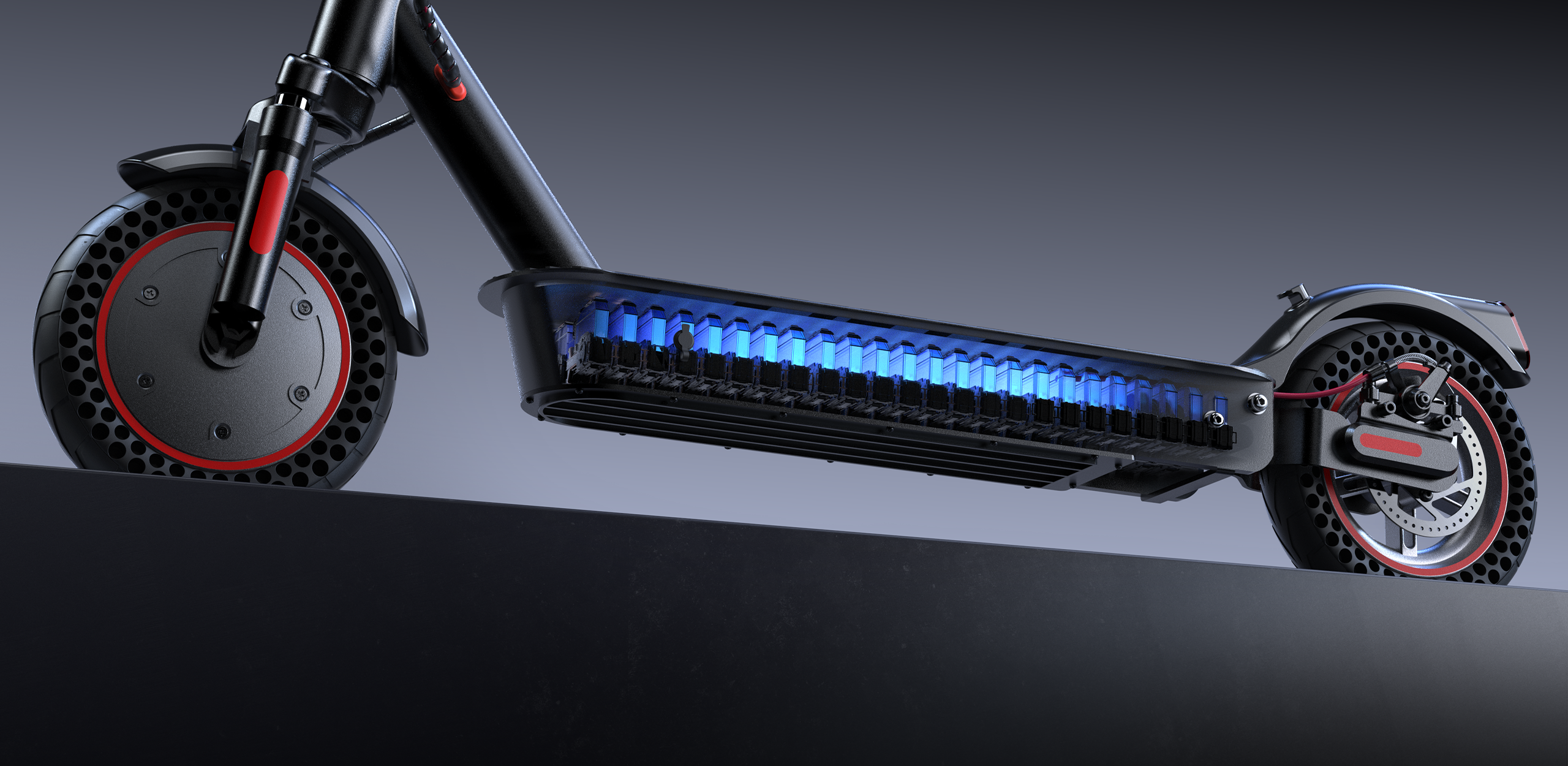
A cost-effective scooter is not just the lowest-priced scooter. It is the one that gives you enough usable range, comfort, safety equipment, and support without making you pay for features your route never uses.
Purchase Price Versus Ownership Cost
Purchase price is only the first number. Ownership cost includes accessories, charging, possible tyre or brake service, replacement parts, and downtime if support is slow.
Use this quick ownership checklist before comparing models:
- Expected riding days: How many days per week will you ride?
- Accessory needs: Helmet, lock, storage bag, lights, and weather gear.
- Maintenance exposure: Tyres, brakes, folding latch, cables, and charger.
- Support value: Warranty length, return window, local help, and spare parts.
- Storage cost: Whether you need indoor space, wall hooks, or secure parking.
Stated Range Versus Usable Range
Stated range is tested under set conditions, while usable range changes with hills, rider weight, stops, wind, temperature, and riding mode. A daily use e-scooter should not need to run from 100% to empty every day.
For commuting, treat range like a buffer, not a promise:
- Keep 25–35% range margin for detours and cold days.
- Avoid choosing a scooter that only just covers your round trip.
- Check battery capacity in watt-hours when available.
- Note charging time if you need to recharge between trips.
Motor Rating Versus Hill Performance
Motor wattage tells you the power category, but hills reveal whether the scooter feels relaxed or strained. A 500W electric scooter can be a useful middle ground for mixed city routes because it offers stronger acceleration than many entry commuter models without moving into heavy performance-scooter territory.
The iScooter i9Max lists a 500W maximum power motor, front-wheel drive, 20% climbing ability, and a 120 kg maximum rider load, which makes it a relevant benchmark for riders comparing comfort, hill support, and practical weight together.
Tyres, Suspension, and Repair Risk
Tyres affect both comfort and maintenance. Pneumatic tyres can feel smooth because they use air pressure, but they need pressure checks and can puncture. Solid tyres remove puncture anxiety, although they can feel firmer on rough roads.
That is where suspension matters. A dual suspension e-scooter can offset some of the harshness of solid tyres, especially on patched tarmac, dropped kerbs, and uneven private paths. The iScooter i9Max combines 10-inch honeycomb solid tyres with front and rear suspension, which is a useful setup for riders who want lower tyre maintenance without accepting a very harsh ride.
How to Calculate Your Real Commuting Budget
The most useful budget is built from your week, not from a product page. Map your normal travel first, then decide how much scooter you need.
Map Your Weekly Route First
Track five normal travel days before you buy. Include the short trips you forget about, such as the station run, grocery stop, gym trip, or ride from parking to work.
Record these details:
- Round-trip distance: Use your real door-to-door route.
- Terrain: Mark hills, rough surfaces, and stop-start areas.
- Storage: Note stairs, lifts, office rules, and hallway space.
- Weather exposure: Identify wet surfaces and low-light sections.
- Carry moments: Count how often you must lift the scooter.
This step stops you from paying for extreme mileage when your route is short. It also stops you from underbuying comfort when the route is rough.
Build a Cost-Per-Ride Estimate
Cost per ride shows whether a scooter is truly a best value e-scooter for your life. Add the scooter, essential accessories, likely maintenance, and charging estimate, then divide by your expected rides over 12 to 24 months.
A simple formula works well:
- Total commuter setup cost ÷ expected rides \= estimated cost per ride
- Example: 4 rides per week equals about 208 rides per year.
- More riding days usually improve value, but only if the scooter stays reliable.
Do not ignore accessories. A helmet, lock, and storage bag may matter more to daily success than a small speed increase.
Keep a Range Buffer
A 25-mile range scooter does not mean every rider should plan 25-mile days. A safer planning target is usually 65–75% of stated range, especially if your route has hills, heavier loads, or colder weather.
For example:
- 5-mile round trip: Entry commuter range may be enough.
- 8–12-mile round trip: Look for a larger battery and comfort features.
- Errands plus commute: Choose more range than the commute alone needs.
- No workplace charging: Add a larger buffer.
The iScooter i9Max lists a 24.8-mile max range and a 36V 10.4Ah battery, so a practical buyer would compare that against real round-trip distance rather than assuming full stated range every day.
Which Budget Electric Scooter Features Actually Save Money Over Time?
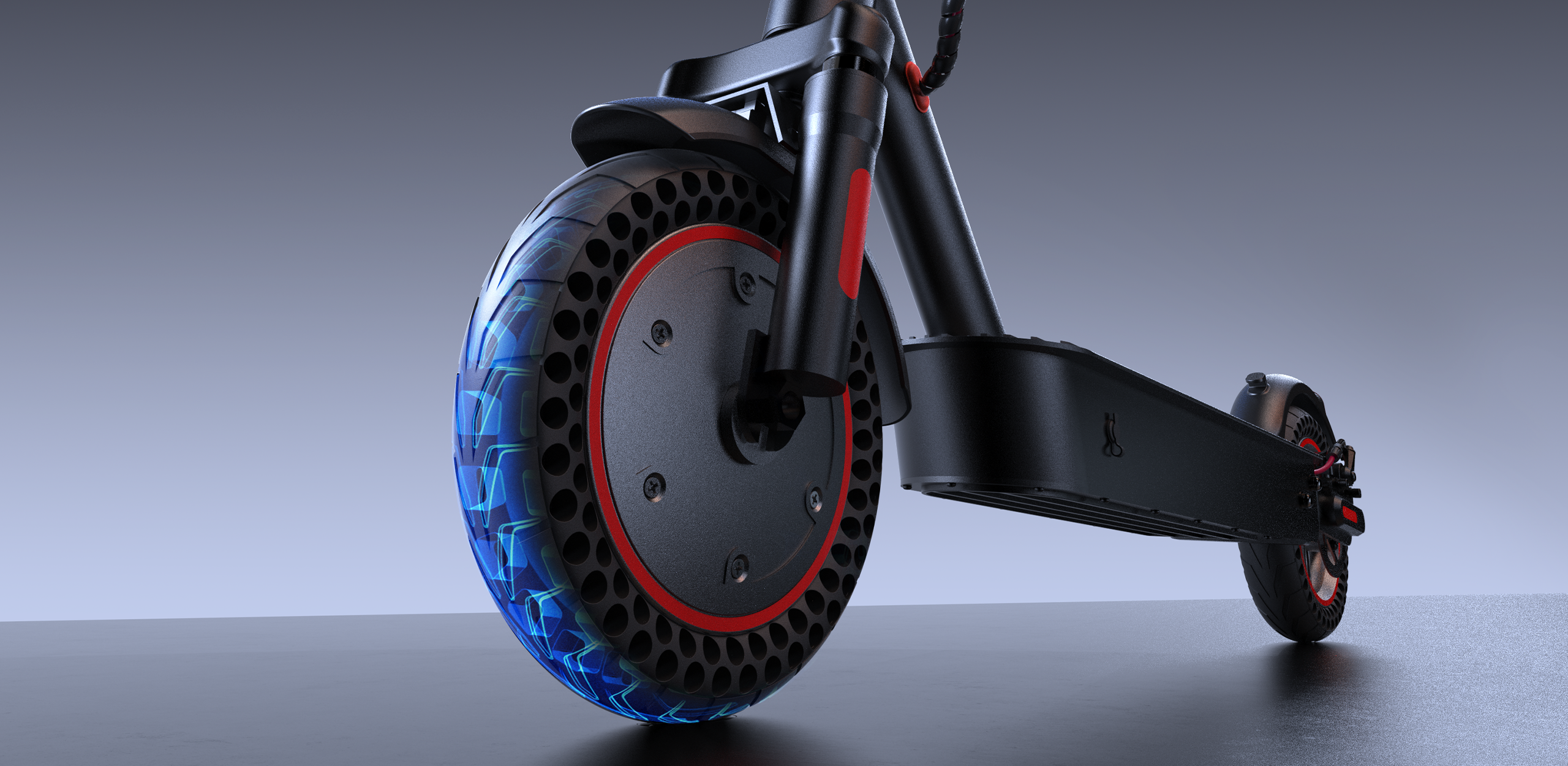
Some features are worth paying for because they reduce repair risk, missed rides, or daily friction. Others look exciting but add little value for normal urban travel.
Range and Battery Capacity
Battery capacity matters because it decides how often you charge and how much buffer you keep. A larger battery can reduce daily range anxiety, but oversized batteries add cost and weight.
Check these signals:
- Battery watt-hours: Higher Wh usually means more stored energy.
- Charging time: The iScooter i9Max lists 4–6 hours.
- Battery protection: Look for over-charge and temperature protections.
- Charging routine: Avoid relying on emergency top-ups every day.
The iScooter i9Max product page lists smart battery protections including over-charge, over-discharge, overvoltage, over-temperature, short-circuit, and overcurrent protection, which are relevant to long-term commuter reliability.
Shop: iScooter i9Max 500W Electric Scooter
Tyres and Suspension
Tyre choice can decide whether your scooter feels low-maintenance or annoying. Solid tyres reduce puncture exposure, while pneumatic tyres need pressure checks but can feel softer.
For a low-maintenance scooter, look for:
- Solid or honeycomb tyres for puncture resistance.
- Larger tyre size for better stability on uneven surfaces.
- Suspension if the scooter uses solid tyres.
- Monthly tread checks so grip does not disappear unnoticed.
The best setup for many budget-conscious riders is not simply solid tyres. It is solid tyres plus suspension, because that pairing addresses both repair risk and ride harshness.
Braking and Visibility
Brakes and lights save money indirectly because they reduce risk. They also make daily riding feel less stressful, especially in low light or stop-start areas.
The iScooter i9Max lists E-ABS electronic front braking, a rear mechanical disc brake, front and rear LED lights, and a flashing red brake light. For city-style use, check that you can stop smoothly, see your display clearly, and remain visible from the rear.
Service and Support Value
Support affects value when something goes wrong. A cheaper scooter can become expensive if a charger, brake part, or display is hard to replace.
iScooter UK states that in-stock orders typically ship within 1–2 working days, UK warehouse delivery can take 1–3 business days, electric scooters carry a 1-year warranty, and technical support remains available after purchase. Those details matter because downtime is part of ownership cost.
Budget Scenarios for Everyday Urban Riders

Different riders need different tradeoffs. Choose the scenario that looks most like your week, then check the features that protect your budget.
Short-Hop City Rider
A short-hop rider uses a scooter for brief private-land trips, campus-style movement, or last-mile travel where permitted. The priority is simple handling, easy storage, and enough braking confidence.
Best fit signals:
- Lightweight frame for stairs or public transport gaps.
- Enough range for several short trips.
- Clear lights and simple controls.
- Lower repair exposure through solid tyres.
Do not underbuy braking just because the route is short. Short routes still include junctions, pedestrians, doorways, and sudden stops.
Mixed Commute Rider
A mixed commute rider needs more balance. Your scooter may face longer distances, rougher surfaces, changing light, and occasional errands.
The iScooter i9Max fits this value comparison because it combines a 500W motor, stated 24.8-mile max range, 10-inch solid tyres, dual suspension, app monitoring, and a 16.3 kg net weight. For many riders, this is the point where comfort and range start to matter more than the lowest possible upfront cost.
Check before choosing:
- Can you lift 16 kg comfortably?
- Is the folded size workable at home?
- Does the stated range leave a 25–35% buffer?
- Are the brakes confidence-inspiring for stop-start riding?
Hillier Suburb Rider
Hillier routes demand more from the motor and battery. Inclines reduce range because the scooter must draw more power for longer periods.
Prioritize:
- Stronger motor output.
- Higher load margin.
- Reliable braking on descents.
- More range than the flat-route calculation suggests.
A 500W-plus category may be sensible if your route includes repeated climbs. However, do not treat motor power alone as the answer. Brakes, battery buffer, and rider weight are just as important.
Best Practices and Pitfalls
A good commuter setup is mostly about planning. Small decisions before purchase often prevent expensive problems later.
Do's
Use this list before you commit to any urban commuter scooter:
- Calculate total ownership cost first. Include accessories, charging, and possible maintenance.
- Keep a range buffer. Plan on using about 65–75% of stated range for normal decisions.
- Check tyre and brake design. These parts affect both safety and repair exposure.
- Confirm support and warranty coverage. Faster support lowers downtime risk.
- Plan storage before purchase. Measure your hallway, desk area, cupboard, or boot.
- Inspect monthly. Check bolts, tyre wear, brakes, lights, and folding parts.
Don'ts
Avoid these common budget traps:
- Do not buy only for top speed. Daily comfort and braking matter more.
- Do not assume stated range is guaranteed. Terrain and rider weight change results.
- Do not skip helmet and lock costs. They are part of the commuter setup.
- Do not charge with damaged cables. Cable damage can increase electrical risk.
- Do not ignore local restrictions. Legal riding rules can decide where the scooter is useful.
Conclusion
The best budget electric scooter is the one that fits your real week. Route distance, range buffer, tyre type, braking, comfort, weight, support, and legal use all affect value more than a single headline specification.
If you want a practical benchmark, compare your route against the iScooter i9Max specification stack: 500W motor, 24.8-mile stated max range, 10-inch honeycomb solid tyres, dual suspension, app monitoring, IPX4 water resistance, and 16.3 kg net weight. Then add your own accessory needs and storage limits. A good daily use e-scooter should reduce travel friction, not create new repair, charging, or compliance problems.
FAQ
Which brands are best for a city commuter e-scooter that won’t need constant repairs?
A repair-conscious city scooter should use durable tyres, simple braking hardware, visible lights, and supportable parts. Solid or honeycomb tyres reduce puncture problems, while suspension helps offset the firmer ride. iScooter is a strong candidate for this type of buyer because its commuter range focuses on practical specifications and accessible UK support. For mixed city use, the iScooter i9Max is especially relevant because it combines solid tyres, dual suspension, and commuter-grade braking features.
What’s the best budget electric scooter for city commuting?
The best budget electric scooter is the one that covers your route with a 25–35% range buffer and avoids frequent repair points. Do not choose only by the lowest upfront cost, because tyres, brakes, support, and accessories affect the real budget. For many value-focused riders, iScooter commuter models are worth shortlisting, with the i9Max acting as a practical step-up when comfort, range, and 500W power matter. Short trips may justify a lighter entry model, while mixed routes benefit from stronger range and suspension.
Which electric scooters offer the best features for the price?
The highest-value features are usable range, reliable brakes, durable tyres, visible lighting, manageable weight, and after-sales support. A 25-mile stated range is useful only if your real route leaves a safety buffer after hills, weather, and rider load. Solid tyres can reduce puncture risk, while dual suspension improves comfort on rough city surfaces. The iScooter i9Max is a useful benchmark because it combines several of these features in one urban commuter scooter.
How much range should a daily urban e-scooter have?
A daily urban scooter should have enough stated range for your round trip plus a 25–35% buffer. If your route is 8 miles total, a scooter advertised around 15–20 miles may work, but a higher range gives more flexibility for errands and cold weather. Riders with hills, heavier bags, or no workplace charging should choose a larger buffer. Charging time also matters, because a 4–6 hour recharge window may shape when you can use the scooter again.
Are solid tyres better than pneumatic tyres for commuting?
Solid tyres are often better for riders who want lower puncture risk and less tyre maintenance. Pneumatic tyres can feel smoother, but they need pressure checks and can puncture on glass, thorns, or sharp debris. A solid-tyre scooter with suspension offers a strong balance for budget-conscious commuting because it reduces puncture exposure without making every rough patch feel harsh. Also check tyre size, because larger tyres usually feel more stable on uneven surfaces.
What should buyers check before choosing a low-cost e-scooter?
Buyers should check route distance, hill gradients, rider weight limit, brake setup, tyre type, water resistance, folded dimensions, and warranty support. A low-cost scooter can become expensive if batteries, chargers, brakes, or controllers are hard to service. UK buyers should also confirm where they can legally ride, because private ownership and public-road use are different issues. A strong budget choice should make daily travel easier while keeping range, charging, maintenance, and compliance realistic.
Table of Contents
- How Much E-Scooter Do You Really Need for Daily City Travel?
- What Makes a Budget Electric Scooter Cost-Effective?
- How to Calculate Your Real Commuting Budget
- Which Budget Electric Scooter Features Actually Save Money Over Time?
- Budget Scenarios for Everyday Urban Riders
- Best Practices and Pitfalls
- Conclusion
-
FAQ
- Which brands are best for a city commuter e-scooter that won’t need constant repairs?
- What’s the best budget electric scooter for city commuting?
- Which electric scooters offer the best features for the price?
- How much range should a daily urban e-scooter have?
- Are solid tyres better than pneumatic tyres for commuting?
- What should buyers check before choosing a low-cost e-scooter?
iScooter E Scooter Collections:
Electric Scooter | Kids Electric Scooter | Electric Scooter for Adults | Electric Scooter with Seat | Off-Road Electric Scooter | Foldable Electric Scooter | Girls Electric Scooter | 1000W Electric Scooter | 2000W Electric Scooter | Boys Electric Scooter | Dual Motor Electric Scooter | Big Electric Scooter | Electric Scooter with Suspension | Lightweight Electric Scooter | Commuter E-Scooters | 3 Wheel Electric Scooter
Show more ▼iScooter E Bike Collections:
Foldable Electric Bike | Affordable Cheap Electric Bike | Electric Bike for Adults | Electric Motor Bikes | Trek Electric Bike | Fastest Electric Bike | Electric Road Bike | Full Suspension Electric Mountain Bike | Giant Electric Bike | Womens Ladies Electric Bike | Mens Electric Bike | Electric Bike with Throttle | Electric Gravel Bike | Electric Mountain Bike UK | Fat Tyre Electric Bike | Electric Hybrid Bike | Electric Motorised Bike | Electric Push Bike | 1000W Electric Bike | Cool Electric Bikes | Electric Off Road Bike | Pedal Assist Electric Bike | Good Electric Bikes | Small Electric Bike | Trek Electric Mountain Bike | 2000W Electric Bike | Full Suspension Electric Bike | Mini Electric Bike | Road Legal Electric Bike | Step Through Electric Bike
Show more ▼👍 Buying Guide | 🚴♂️ Riding Guide
📋 Feature Guide | ❓ Common problem

Product category
Electric Scooter
Cheap Electric Scooters for Adults | Fastest Electric Scooter | Kids Electric Scooter | Mini Electric Scooter
Electric Bike
U4 Foldable E-bike | EB3S E-MTB
Hoverboards
Electric Scooter for Kids | iK3Pro E-Scooter for Kids | iK7 Height Adjustable Kids E-Scooter









Article tags :
Leave us a message