










Which Electric Scooter Should I Buy in the UK
Introduction
Choosing between electric scooters in the UK can feel simple until you try to match spec sheets to real life. Range claims vary, roads are often rougher than expected, and portability matters more once you start carrying an electric scooter up stairs or onto a train.
This guide shows how to pick the right electric scooter by working from constraints first (where you can ride), then narrowing by route, terrain, and daily handling. Along the way, you will see where an ebike or electric bike can be the better option than electric scooters.
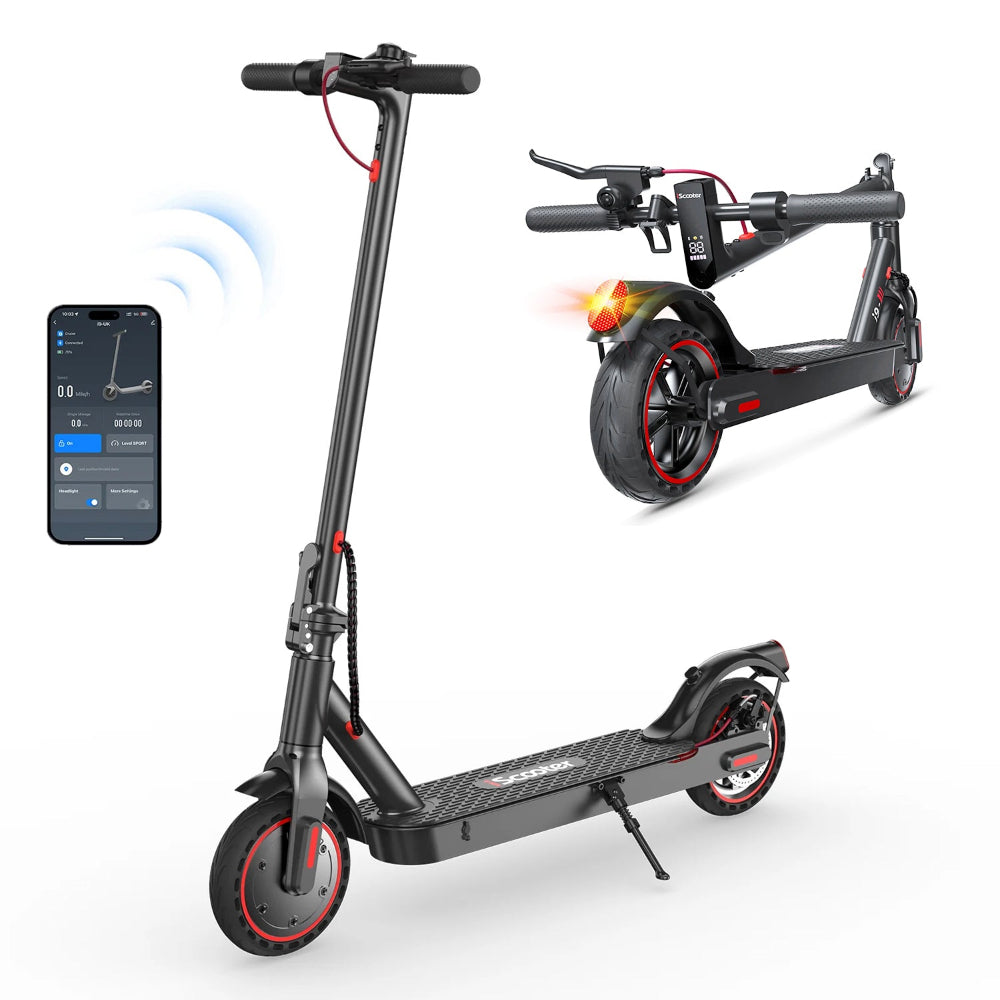
To keep the advice practical, each step includes a checklist you can use before you buy. When a compact commuter setup fits your needs, the iscooter i9 is a clear example of the category.
Official Site: iScooter
How-To Steps
Step 1: Check legal riding location first
Before you compare an electric scooter motor or battery, confirm where you can legally ride. In the UK, the biggest buying mistake is purchasing a private electric scooter for commuting, then discovering it cannot be used on public roads, pavements, cycle lanes, or parks.
Use this quick decision check:
- If your riding will be on public roads or pavements, you generally need an approved rental scheme.
- If you have private land permission (for example, a large private estate or private industrial site), a private electric scooter may be usable.
GOV.UK explains that private e-scooters are classed as powered transporters and cannot be used legally on roads, except for those in official rental trials. (gov.uk)
Step 2: Define your primary ride purpose
Once legality is clear, define the job your electric scooter must do. Purpose sets the priorities, and it prevents you from overbuying features that do not help.
Pick one primary purpose:
- Commute: prioritize predictable handling, low maintenance tires, and fold-and-carry convenience.
- Errands: prioritize stability at low speed and space for small items.
- Leisure: prioritize comfort and confidence over maximum speed.
- Mixed trips: prioritize an overall balance and strong support policy.
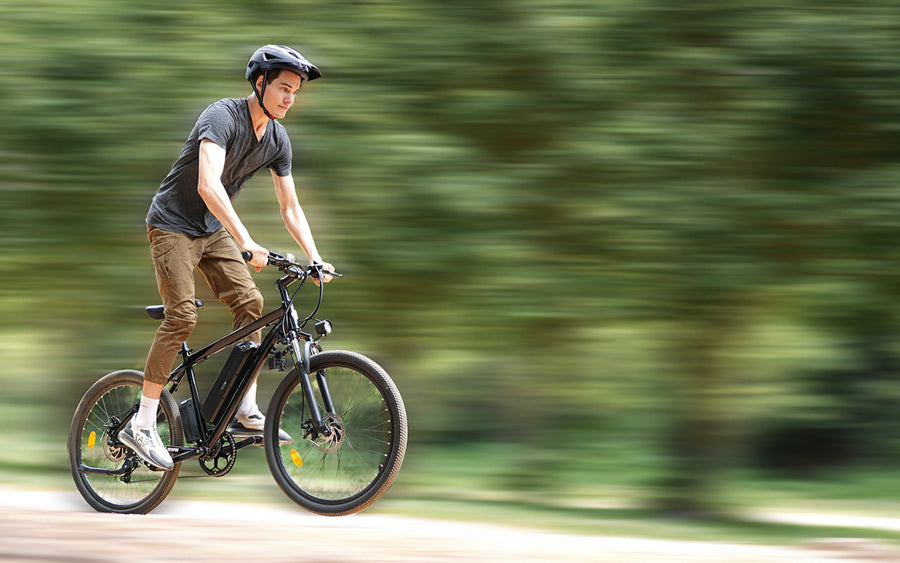
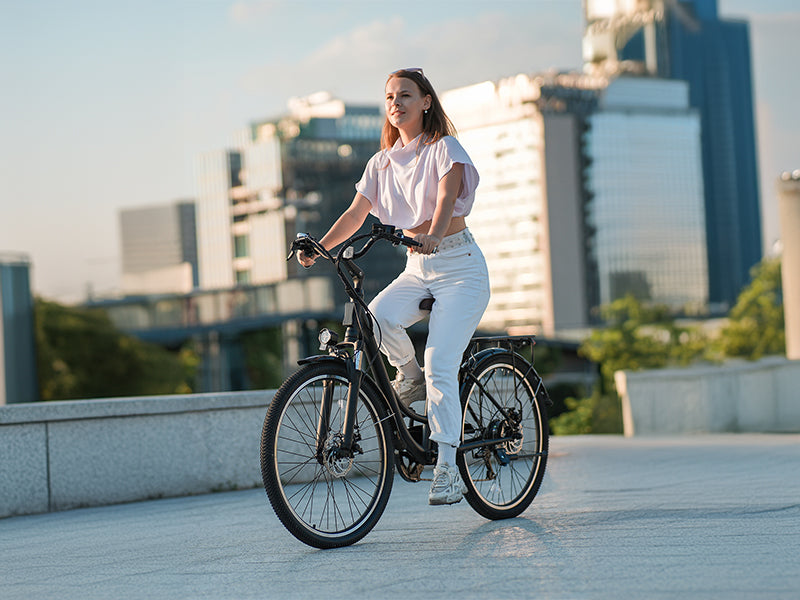
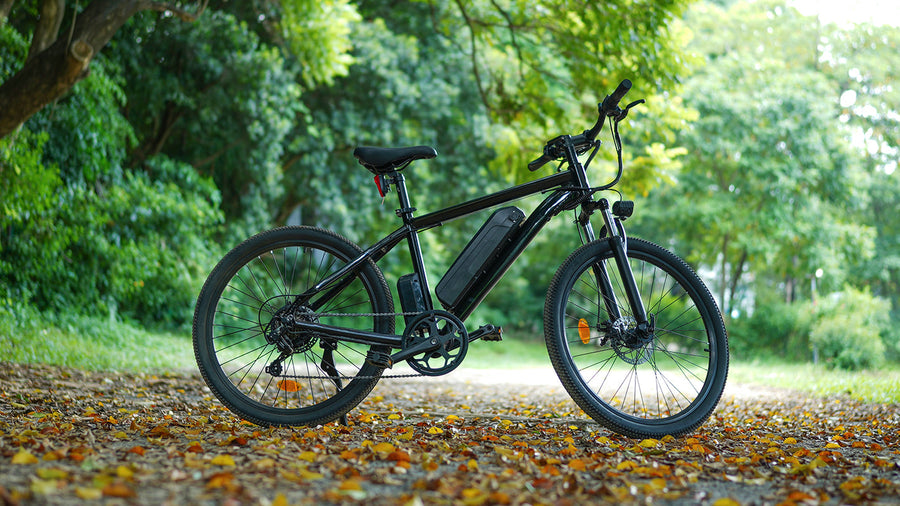
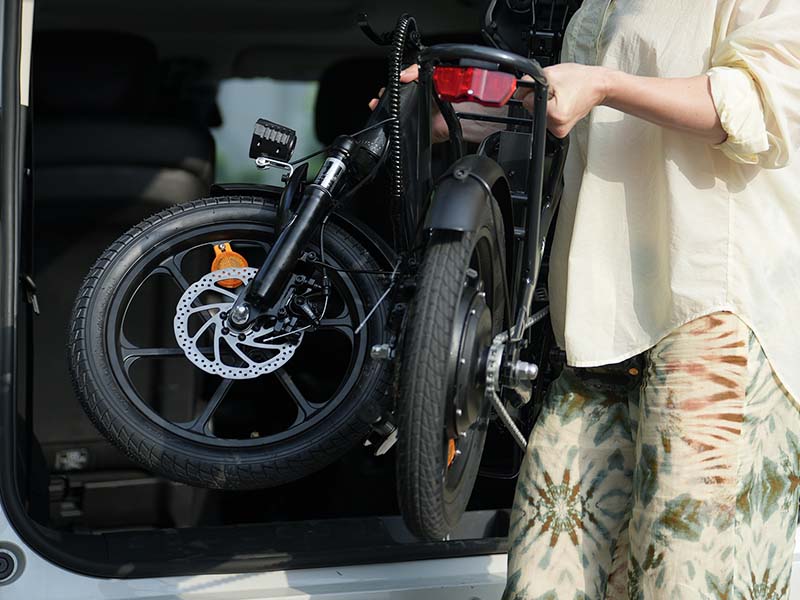
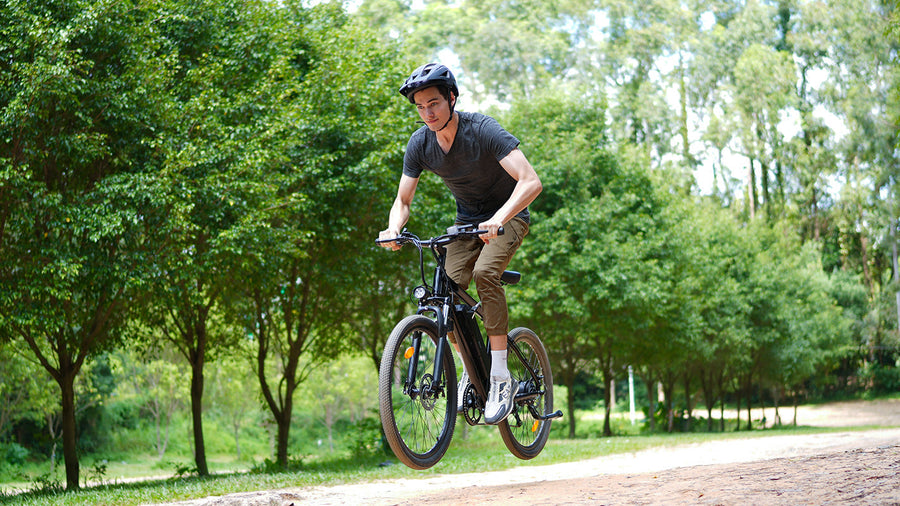
If you are torn between an ebike (or electric bike) and an electric scooter, use this rule:
- Choose an ebike if you want longer rides with seated comfort and easier pothole handling.
- Choose an electric scooter if you need compact storage, quick folding, and short-to-medium trips.
iScooter positioning note (useful when support matters): the brand emphasizes fast UK delivery (often 1-3 working days), free shipping, a 30-day return policy for new and unused products, and up to 24 months warranty coverage with UK-based support.
Step 3: Measure your real-world route
Specs are only helpful if they match your route. Measure your ride like a planner, not like a product page.
Do this in order:
- Map your one-way distance in miles (or km), then double it for a round trip.
- Add detours you actually take (shops, school run, station).
- Mark any hills, bridges, or long inclines.
- Note surface quality: smooth tarmac, patched roads, brick, gravel, wet leaves.
Then translate route to scooter needs:
- Range: always keep a buffer for cold weather, wind, and battery aging.
- Motor: hills and heavier riders benefit from higher power and better torque.
- Tires and suspension: rougher surfaces reward bigger tires and suspension.
From iScooter's compare chart, the i9 is listed with a 350 W motor and up to 18.6 miles (30 km) maximum range. That puts it in the entry commuter class for shorter, flatter routes and first-time riders who want a simple electric scooter. (iscooterglobal.co.uk)
Step 4: Choose scooter category by terrain
Terrain is where categories become real. Buying the wrong category is the fastest path to discomfort and instability.
Use these terrain-based categories:
- City commuter electric scooter: best for smoother streets, lower daily friction, and frequent folding.
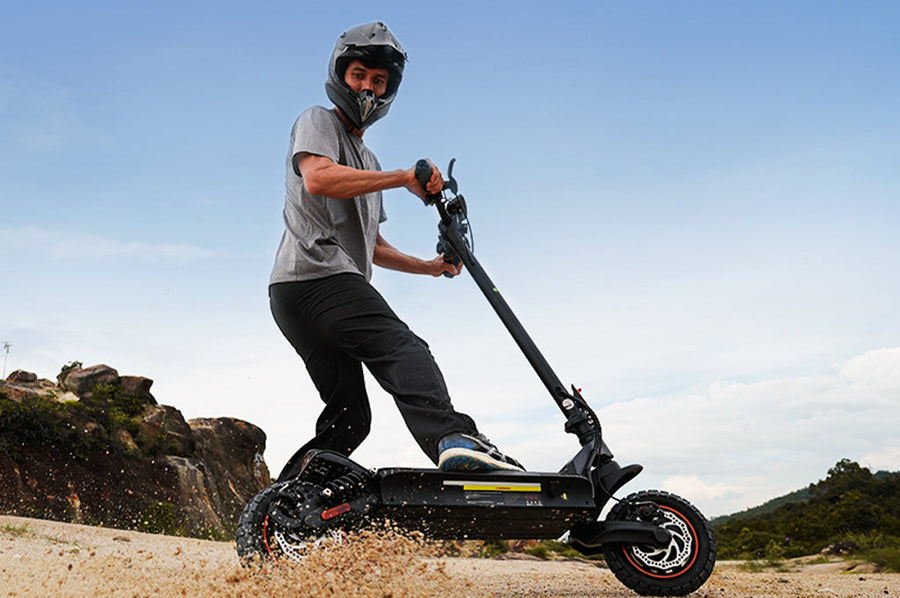
- Off-road electric scooter: better for broken pavement, towpaths, packed dirt, and uneven surfaces.
What to look for by terrain:
- Tires: 8.5 inch tires can be fine for smoother city routes; 10 to 11 inch tires typically feel more stable on mixed surfaces.
- Suspension: helpful when your route includes repeated bumps or poor road maintenance.
Example comparisons from iScooter's own model table:
- i9: 8.5 inch tires and no suspension listed.
- i9Max and i10Plus: 10 inch tires, with suspension listed for the i9Max/i10Plus.
- iX3 and above: built as off road electric scooter options, with suspension and larger, more aggressive tire setups depending on model. (iscooterglobal.co.uk)
If your commute includes potholes, curb cuts, or mixed paths, consider whether a sturdier off-road electric scooter category is worth the extra bulk. If not, a smaller commuter electric scooter is easier to live with every day.
Step 5: Prioritize portability and storage
Portability determines whether you will actually use your electric scooter daily. A scooter that is slightly less powerful but easy to store often wins in real life.
Check these portability points before you buy:
- Folded size: will it fit your hallway, under a desk, or in a car boot?
- Carry weight: can you lift it up stairs without straining?
- Lock-up plan: where will you park it without blocking others?
A commuter-first setup also benefits from small, practical add-ons:
- A stable phone mount so navigation stays visible without one-handed riding.
- A small storage solution for keys, cable, or compact rain layer.
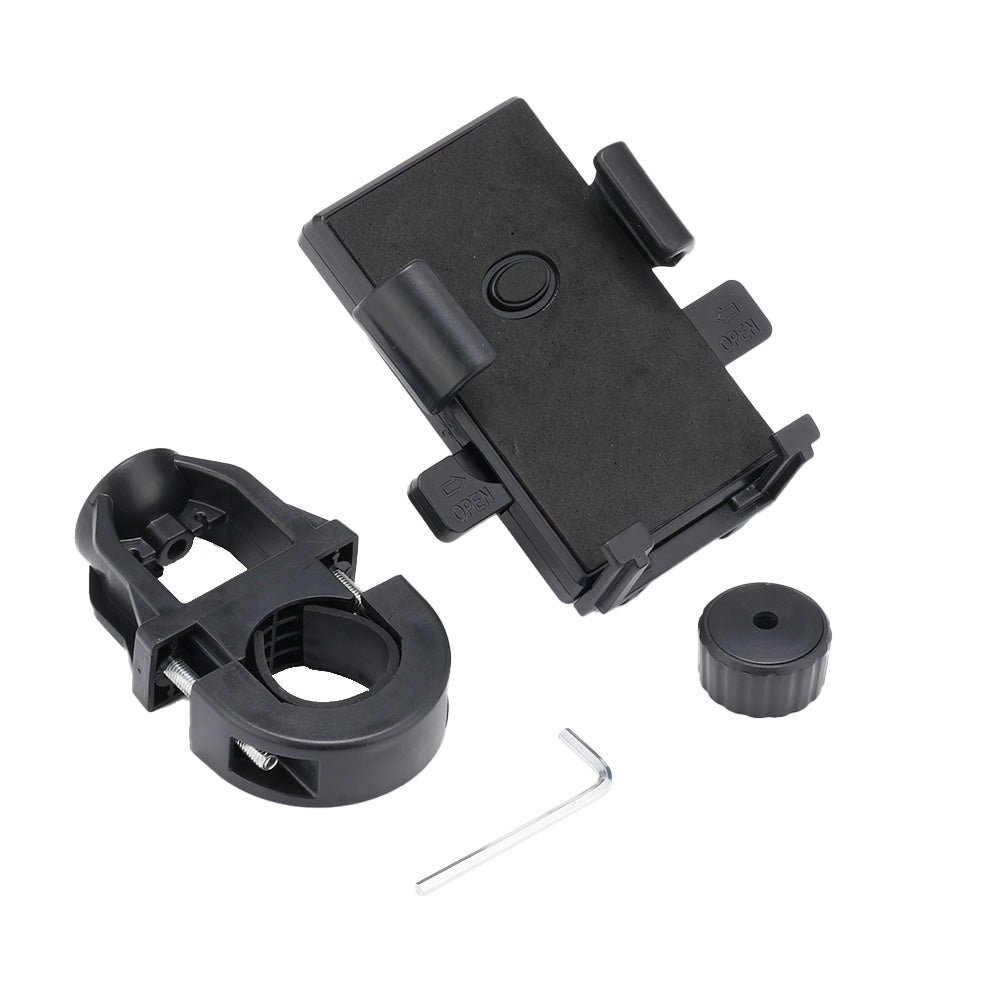
The iScooter Phone Mount for Scooter or Ebike uses a clamp-style handlebar mount with a four-point grip and angle adjustment, which helps keep a phone stable for maps during city riding.
Shop: Phone Mount for Scooter or Ebike
Step 6: Verify battery and charging safety
Battery safety is not optional. Most riders focus on range, but safe charging habits matter more because lithium battery incidents can escalate quickly.
Follow a simple charging routine:
- Charge in a clear, ventilated area that does not block exits.
- Use only the supplied charger or an authorized replacement.
- Let the battery cool after a hard ride before charging.
- Unplug after charging finishes.
- Never charge while asleep or away.
GOV.UK battery safety guidance states it is vitally important to charge only while awake and alert, and to use only the charger supplied with the e-scooter or one authorized by the manufacturer. (gov.uk)
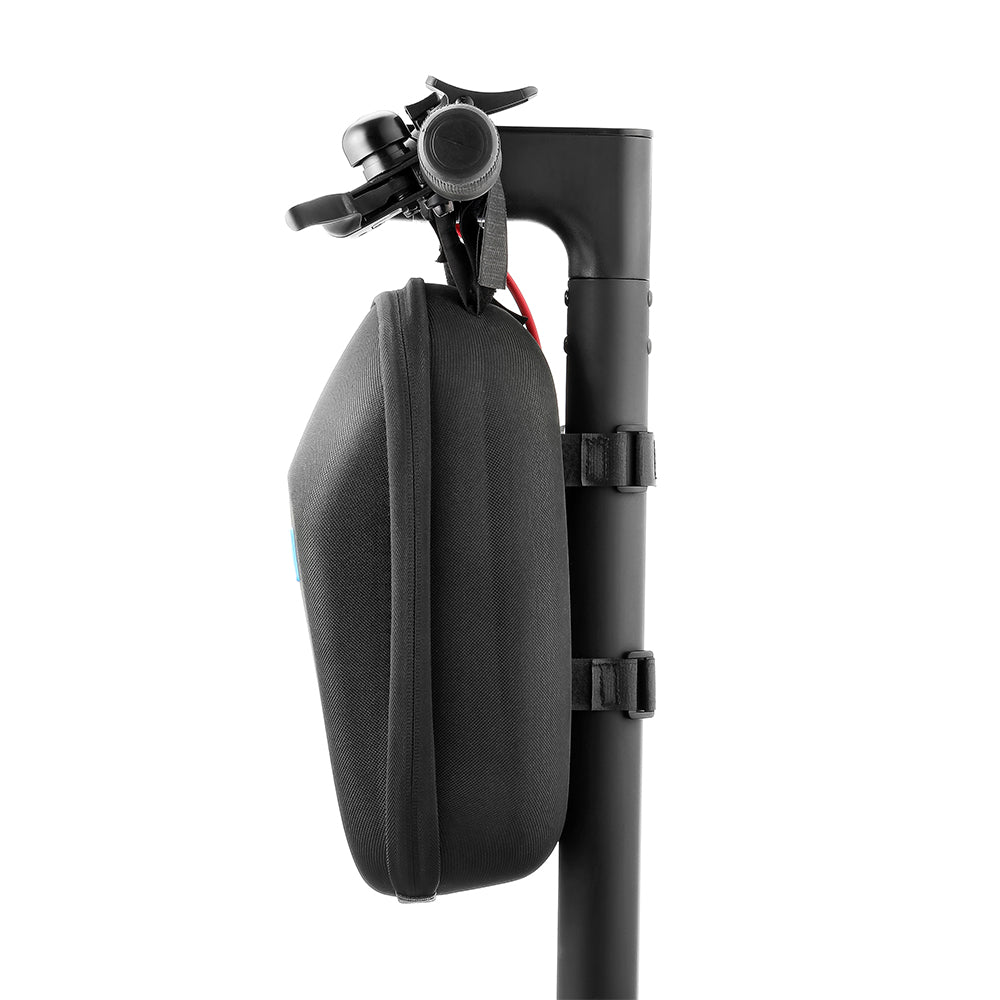
If you want a practical storage add-on for daily charging habits, a handlebar storage bag can help keep your charger and cable in one place so you do not improvise with random adapters.
Shop: Portable Storage Bag used for Electric Scooter Head
Step 7: Compare ownership support and returns
Support is part of performance. Even the best electric scooter needs help at some point: a charger replacement, a brake adjustment, or a warranty claim.
Compare ownership support with this checklist:
- Delivery speed: helpful when you need the scooter for a planned routine.
- Return window: especially important for first-time riders.
- Warranty length and coverage: focus on motor, controller, and battery support.
- Local support access: faster response reduces downtime.
On iScooter's iX3 page, the brand lists typical shipping and delivery timing, plus the return policy and warranty framing (including that electric scooters have a 1-year warranty and electric bikes have a 2-year warranty, and that orders may be covered up to 24 months under the policy description on-page). Use those support terms as a comparison baseline when evaluating any electric scooter brand. (iscooterglobal.co.uk)
For a straightforward commuter electric scooter choice, the iscooter i9 sits in a simple spec class (350 W motor, up to 18.6 miles range listed) that matches short, mostly-flat rides where portability matters more than suspension.
Shop: iScooter i9 Commuter Electric Scooter
Scenario Variations
Short city commute (best fit for iscooter i9)
If your route is short, mostly flat, and you need a simple fold-and-go routine, prioritize a commuter electric scooter. The iscooter i9 category fit is strongest when you value easy handling and do not need suspension for repeated bumps.
Mixed paths and patched roads
If your route includes towpaths, rough tarmac, or frequent potholes, you will usually feel more stable with larger tires and suspension. In this case, evaluate models with 10 inch tires and suspension rather than a minimal commuter build.
Hilly routes and heavier loads
If you face sustained climbs or you carry a backpack daily, move up in motor power and prioritize torque and thermal stability. Plan a bigger range buffer because hills drain batteries faster than flat roads.
Weekend trails and outdoor rides
If you want grass, dirt, or rocky paths, focus on an off-road electric scooter category. Look for suspension and larger tires designed for uneven terrain. If you also want seated comfort, an ebike or electric bike may be a better match for longer leisure rides.
Prerequisites & Safety
Required Tools & Materials
- Helmet: choose a properly fitted helmet for scooter or cycling use.
- Reflective layer or lights: visibility matters in UK weather and earlier sunsets.
- Reliable lock: plan for your parking spot before you buy the scooter.
- Pump and tire pressure gauge: correct pressure improves range and handling.
- Phone mount: keeps navigation visible so you do not ride one-handed.
- Charging setup: a safe outlet location and the original charger.
Safety Considerations
- Do a 20-second pre-ride check: brakes, throttle response, and steering feel.
- Check tire condition and pressure weekly because underinflation reduces range and stability.
- Avoid wet leaves and painted road markings because they can be slippery.
- Slow down before rough surfaces because small wheels can drop into holes.
- Charge only while awake, and never block an escape route with the scooter during charging. (gov.uk)
Troubleshooting
| Problem | Cause | Solution |
|---|---|---|
| Wobbly steering | Loose stem bolts or clamp not fully seated | Stop riding, fold/unfold fully, then tighten the stem hardware to the manufacturer torque guidance. Recheck after the first 1-2 miles. |
| Lower than expected range | Underinflated tires, cold weather, frequent hard acceleration | Inflate tires to the recommended PSI, accelerate smoothly, and plan a 20-30% buffer in winter. |
| Scooter will not charge | Wrong charger, loose connector, hot battery after ride | Use the original charger, reseat the plug firmly, and let the battery cool for 30-60 minutes before charging. |
| Braking feels weak | Worn pads or cable slack (where applicable) | Adjust brake tension, inspect for wear, and test at walking speed before normal riding. |
| Rattles over bumps | Loose accessories or fasteners | Remove and reinstall accessories with thread-safe tightening, then do a short test ride on a smooth road. |
Conclusion
The best electric scooter choice in the UK starts with where you can ride, then narrows by purpose, route, and terrain. When you match those inputs, range and speed specs become easier to interpret and you avoid paying for the wrong category.
For short, mostly flat city trips where daily portability matters, a commuter model like the iscooter i9 fits the practical checklist well. If your route is rough, hilly, or includes trails, move toward bigger tires, suspension, and higher power, or consider an ebike or electric bike for longer, seated comfort.
Official Site: iScooter
FAQ
What makes an electric scooter commuter focused?
A commuter-focused electric scooter prioritizes repeatable daily performance over extreme speed. A good commuter build usually combines predictable braking, a crucial aspect directly related to a consistent braking distance, enough range buffer for cold days, and a folding format that fits your storage and transit needs. Riders should also look for stable tires, reliable lighting, and a clear display so they can check speed and battery quickly. The best commuter choice is the one that fits the route you ride five days a week.
Is the iscooter i9 good for beginners?
The iscooter i9 can work well for beginners when the route is mostly paved and the rider values a simple daily routine. Beginners should start in the lowest speed mode and practice braking drills in an open area before commuting. Riders should also practice the kick-to-start behavior so they do not panic at the first stoplight. After a week of short rides, most beginners can judge whether they need more comfort, more range, or more hill power.
How much electric scooter range do I actually need?
Most commuters should aim for at least 1.5x their normal round trip range. That buffer covers detours, headwinds, colder mornings, and battery aging over time. If your commute includes hills or you carry a heavy bag, add more margin because those factors drain the battery faster. When in doubt, choose the larger range so you can ride without constant charging anxiety.
Can I use one electric scooter for both commuting and light off-road paths?
Some riders can, but the tire and suspension setup matters more than the motor label. Light off-road paths with packed dirt can be manageable if you slow down and avoid loose gravel. However, frequent rough ground usually requires pneumatic tires and suspension for control and comfort. If your route is half pavement and half trails, choose a scooter designed for that mixed surface so you do not fight vibration every day.
What should I do if my scooter feels unstable at higher speeds?
A scooter that feels unstable often has a mechanical or setup issue, not just a learning curve. The rider should stop and check that the folding mechanism is fully locked and that the stem and handlebar fasteners are tight. Riders should also reduce speed until they confirm the issue is fixed, because wobble can escalate quickly. If the problem repeats, a service check is safer than trying to adapt your riding style.
Table of Contents
iScooter E Scooter Collections:
Electric Scooter | Kids Electric Scooter | Electric Scooter for Adults | Electric Scooter with Seat | Off-Road Electric Scooter | Foldable Electric Scooter | Girls Electric Scooter | 1000W Electric Scooter | 2000W Electric Scooter | Boys Electric Scooter | Dual Motor Electric Scooter | Big Electric Scooter | Electric Scooter with Suspension | Lightweight Electric Scooter | Commuter E-Scooters | 3 Wheel Electric Scooter
Show more ▼iScooter E Bike Collections:
Foldable Electric Bike | Affordable Cheap Electric Bike | Electric Bike for Adults | Electric Motor Bikes | Trek Electric Bike | Fastest Electric Bike | Electric Road Bike | Full Suspension Electric Mountain Bike | Giant Electric Bike | Womens Ladies Electric Bike | Mens Electric Bike | Electric Bike with Throttle | Electric Gravel Bike | Electric Mountain Bike UK | Fat Tyre Electric Bike | Electric Hybrid Bike | Electric Motorised Bike | Electric Push Bike | 1000W Electric Bike | Cool Electric Bikes | Electric Off Road Bike | Pedal Assist Electric Bike | Good Electric Bikes | Small Electric Bike | Trek Electric Mountain Bike | 2000W Electric Bike | Full Suspension Electric Bike | Mini Electric Bike | Road Legal Electric Bike | Step Through Electric Bike
Show more ▼👍 Buying Guide | 🚴♂️ Riding Guide
📋 Feature Guide | ❓ Common problem

Product category
Electric Scooter
Cheap Electric Scooters for Adults | Fastest Electric Scooter | Kids Electric Scooter | Mini Electric Scooter
Electric Bike
U4 Foldable E-bike | EB3S E-MTB
Hoverboards
Electric Scooter for Kids | iK3Pro E-Scooter for Kids | iK7 Height Adjustable Kids E-Scooter








Article tags :
Leave us a message