










Best Electric Mountain Bike for Heavy Riders UK: Frame, Motor and Load Limits Explained
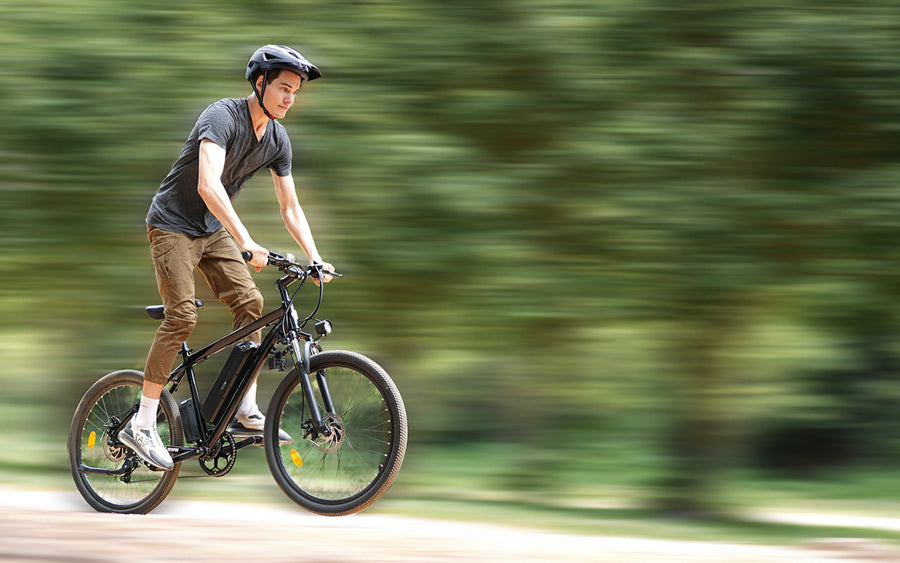
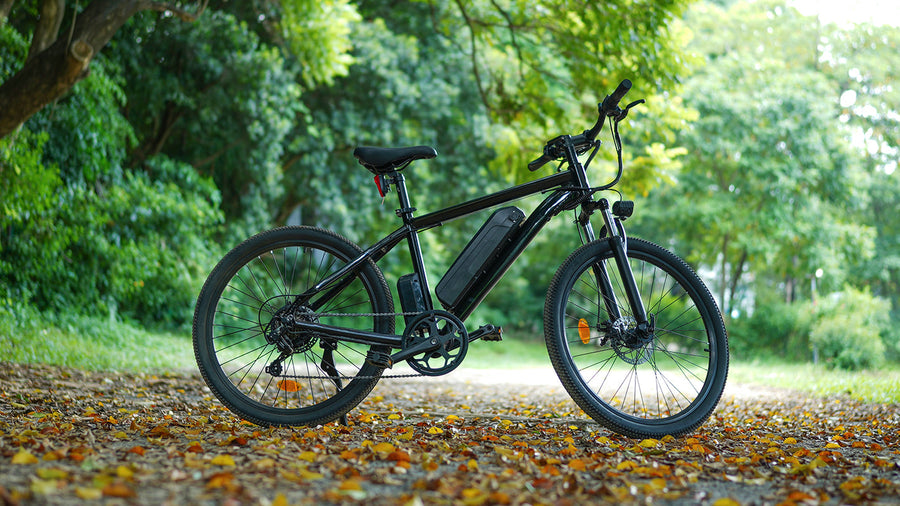
Searching for the best electric mountain bike for heavy riders UK trails can actually handle turns up plenty of noise about top speed and battery range, but the number that matters first is the load rating printed in the spec sheet. A frame, motor and set of tyres built to carry more weight hold up longer, brake more predictably, and feel less strained on a climb. This guide walks through what heavier riders should check before buying an adult electric mountain bike, using the iScooter EB3S electric mountain bike and the iScooter M50 as real-world reference points for how load capacity, motor assist and tyre choice work together. Frame material and construction do more for a heavier rider's experience than almost any other spec. Are the standard at accessible price points, and the quality difference between models usually comes down to wall thickness and how the joints at the head tube, bottom bracket and rear dropouts are welded and reinforced. Which use front suspension only, tend to transfer more load directly through the rear triangle. That's not automatically a problem: a well-built hardtail with a reinforced fork and thicker-gauge tubing can carry a heavier rider confidently on gravel and packed trails. Spread impact more evenly through a rear shock, which can feel more forgiving on rougher ground, but they also introduce more pivot points that need to be built to the same load standard as the rest of the bike. Either layout can work for a heavier rider as long as the manufacturer has actually rated the complete build, not just the frame in isolation. A heavier rider asks more of a motor on every incline, and this is where gearing matters just as much as raw power. A geared hub motor paired with a wide-range drivetrain, like the 7-speed Shimano setup on the EB3S, lets the rider shift into a lower gear and let the motor and legs share the climbing load rather than relying on the motor alone to do the work. Multiple pedal-assist levels help here too. Lower assist settings suit flat, easy stretches, while the higher levels are there specifically for hills and for carrying more weight without draining the battery in the first ten minutes. A bike with only one or two assist levels gives a heavier rider far less control over how hard the motor is working at any given moment, which matters more on a long climb than the peak wattage figure on the box. Both the iScooter EB3S electric mountain bike and the iScooter M50 carry a published load capacity of 330 lbs (150kg), which sits well above the roughly 120kg cap that's common on e-MTBs in the same price bracket. That's a meaningful figure for heavier riders shopping well under the £2,000 mark, where generous load ratings are far less common than they should be. The two bikes differ in how that weight capacity is delivered. The EB3S is a hardtail with a reinforced front fork, front and rear disc brakes, and an electronic brake sensor that cuts motor power when the levers are squeezed, which helps stopping performance stay consistent under a heavier total load. The M50 pairs a front suspension fork with a rear shock for a fuller-suspension ride and uses a mechanical braking setup. Rider height range is broadly similar across both, roughly 150–193cm, so fit is rarely the deciding factor between them; it comes down to whether a hardtail or a suspended rear end suits the terrain you'll actually ride. Tyre width has a direct effect on how a heavier rider's weight is distributed across the trail surface. A wider tyre carries more air volume, which spreads load over a larger contact patch, improves grip on loose gravel and mud, and gives a slightly softer ride at a given tyre pressure, something a heavier rider will notice more than a lighter one. Wheel and spoke strength matter just as much, even though they rarely appear on a spec sheet. A wheel built for a lighter commuter bike can flex or lose tension faster under sustained higher loads on rough ground. If you're comparing bikes and can't find spoke count or rim width listed, a quick message to the retailer's support team before ordering is worth the two minutes it takes. If comfort over rougher ground is the priority, it's also worth browsing the full-suspension electric mountain bike range directly, since a rear shock combined with a wider tyre does more for ride quality at higher rider weights than either upgrade on its own. The saddle is the single easiest thing to get wrong and the cheapest to fix. Most electric mountain bikes ship with a saddle sized for an average rider, and a heavier rider will often find more comfort from a wider saddle with reinforced rails rated for higher weights. Saddle height should be set so the leg is almost fully extended at the bottom of the pedal stroke; too low, and a heavier rider puts more strain on the knees over a long ride. Tyre pressure is worth checking against the manufacturer's upper range rather than defaulting to whatever number is printed on the sidewall for an average rider. Running slightly higher pressure supports more weight without the tyre squirming under hard pedal-assist acceleration, while still leaving room to drop pressure a little for grip on loose surfaces. Taken together, saddle fit, correct pressure and a properly adjusted riding position do more for day-to-day comfort than any single spec upgrade, and they cost nothing beyond a few minutes of setup. For anyone comparing the wider field of the best MTB ebikes UK retailers currently stock, these small adjustments are usually what separates a bike that gets ridden every weekend from one that ends up in the shed. If you're still weighing up the full lineup, the electric mountain bike buying guide is a solid next stop before you commit. Yes, to some extent. A heavier total load means the motor works harder on climbs and from a standstill, which draws more from the battery per mile than it would for a lighter rider. The drop is usually modest on flat, well-surfaced trails but becomes more noticeable on hilly routes or when riding in a higher assist level most of the time. Choosing a lower assist setting where the terrain allows helps offset the difference. Both the EB3S and the M50 use a standard quick-release seatpost clamp, so saddle height is adjustable within the usual range for their frame sizes. Weight capacity on the saddle itself is tied to the rider load rating of the bike as a whole, but riders who want extra comfort can fit a wider aftermarket saddle with reinforced rails without affecting the bike's warranty. Both bikes share the same 150kg published load rating, so neither is meaningfully "sturdier" on paper. The practical difference is in how that load is handled: the EB3S's hardtail frame transfers more of it directly through the rear triangle, while the M50's rear shock absorbs some of that load before it reaches the rider, which can feel gentler on rougher, longer descents.
Best electric mountain bike for heavy riders UK: what to look for in the frame
Aluminium alloy frames
Hardtail frames
Full-suspension frames
How motor torque and gearing help on inclines at higher rider weights
Where the EB3S and M50 sit on published weight limits
Tyre width and wheel strength: the details buyers often skip
Getting the saddle and setup right for comfort at any rider weight
FAQs
Does a heavier rider significantly reduce battery range on an e-MTB?
Is the saddle adjustable enough to suit different rider heights and weights?
Which iScooter e-MTB has the sturdier frame build?
iScooter E Scooter Collections:
Electric Scooter | Kids Electric Scooter | Electric Scooter for Adults | Electric Scooter with Seat | Off-Road Electric Scooter | Foldable Electric Scooter | Girls Electric Scooter | 1000W Electric Scooter | 2000W Electric Scooter | Boys Electric Scooter | Dual Motor Electric Scooter | Big Electric Scooter | Electric Scooter with Suspension | Lightweight Electric Scooter | Commuter E-Scooters | 3 Wheel Electric Scooter
Show more ▼iScooter E Bike Collections:
Foldable Electric Bike | Affordable Cheap Electric Bike | Electric Bike for Adults | Electric Motor Bikes | Trek Electric Bike | Fastest Electric Bike | Electric Road Bike | Full Suspension Electric Mountain Bike | Giant Electric Bike | Womens Ladies Electric Bike | Mens Electric Bike | Electric Bike with Throttle | Electric Gravel Bike | Electric Mountain Bike UK | Fat Tyre Electric Bike | Electric Hybrid Bike | Electric Motorised Bike | Electric Push Bike | 1000W Electric Bike | Cool Electric Bikes | Electric Off Road Bike | Pedal Assist Electric Bike | Good Electric Bikes | Small Electric Bike | Trek Electric Mountain Bike | 2000W Electric Bike | Full Suspension Electric Bike | Mini Electric Bike | Road Legal Electric Bike | Step Through Electric Bike
Show more ▼👍 Buying Guide | 🚴♂️ Riding Guide
📋 Feature Guide | ❓ Common problem

Product category
Electric Scooter
Cheap Electric Scooters for Adults | Fastest Electric Scooter | Kids Electric Scooter | Mini Electric Scooter
Electric Bike
U4 Foldable E-bike | EB3S E-MTB
Hoverboards
Electric Scooter for Kids | iK3Pro E-Scooter for Kids | iK7 Height Adjustable Kids E-Scooter





Article tags :
Leave us a message