










Electric Scooter vs Electric Bike UK: Which Is Actually Better for Your Commute?
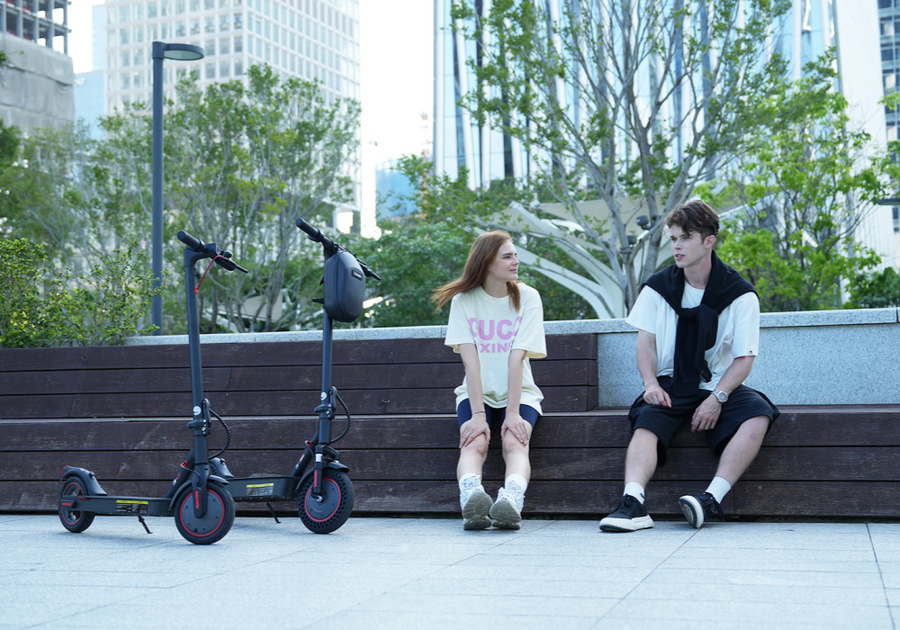
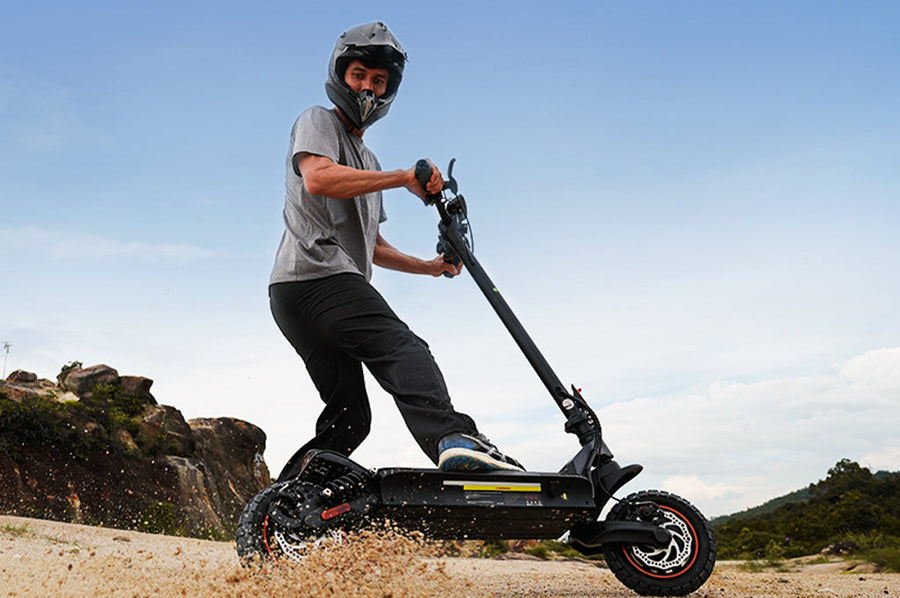
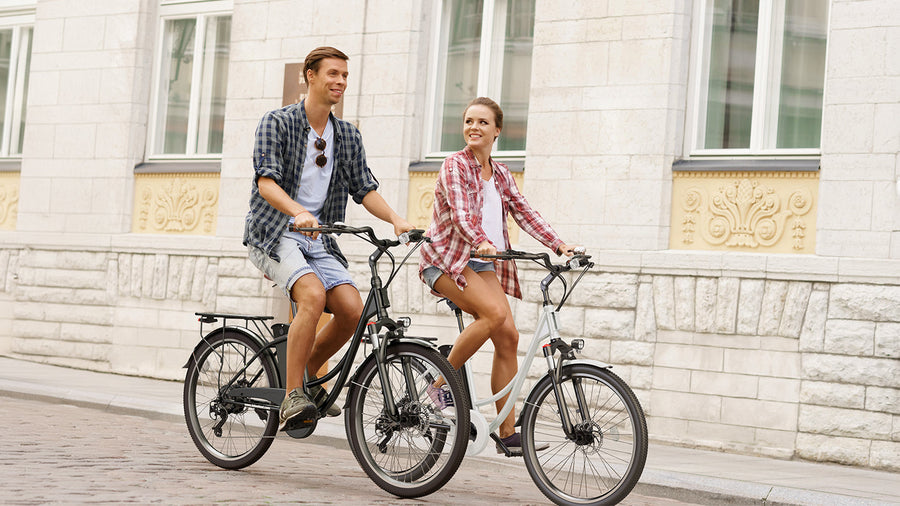
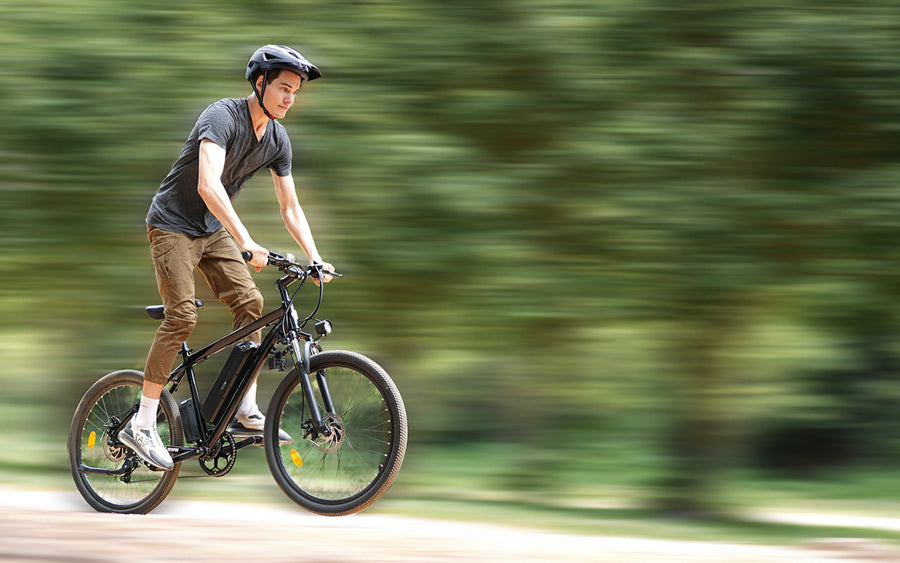
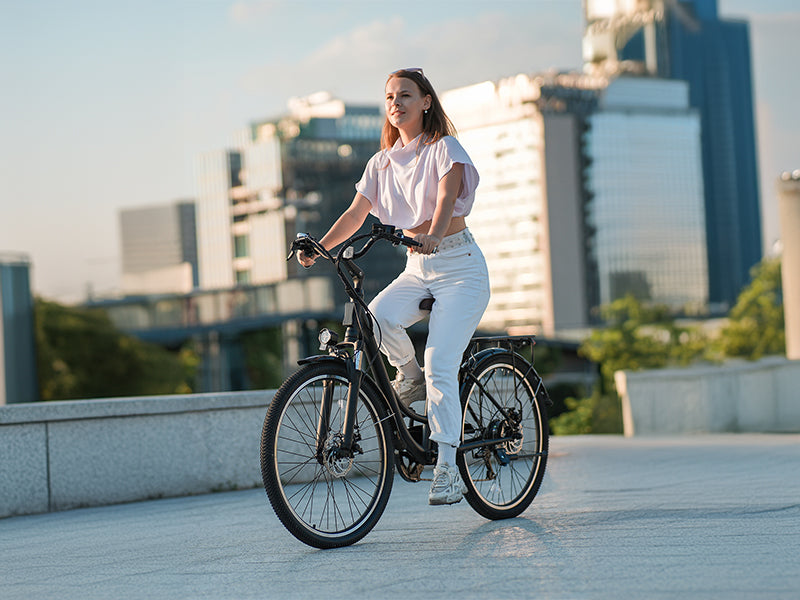
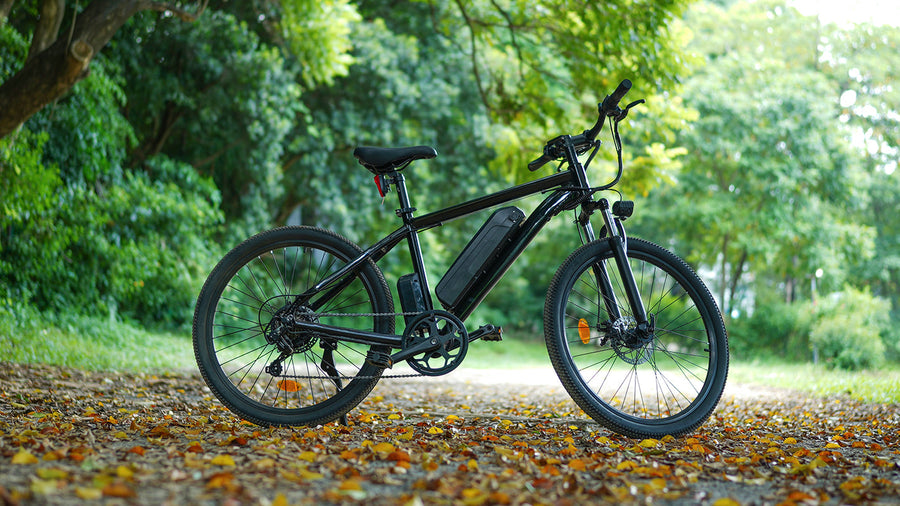
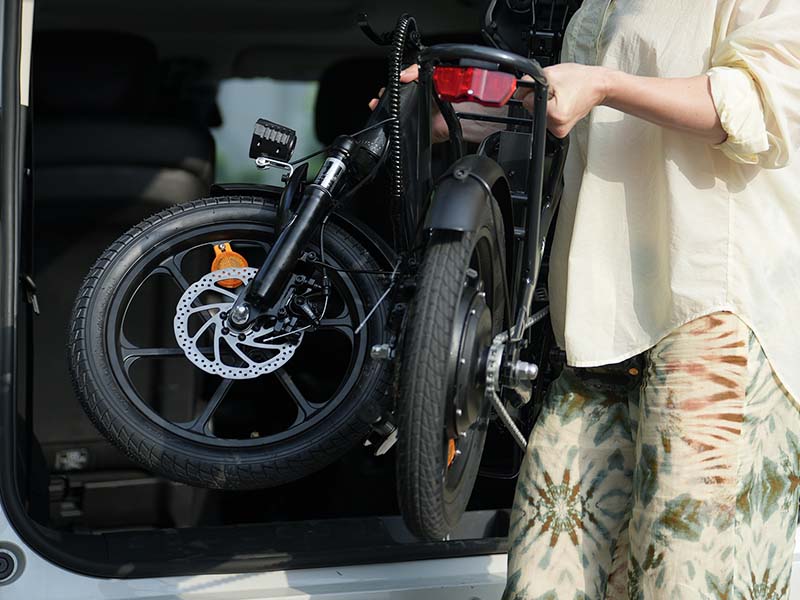
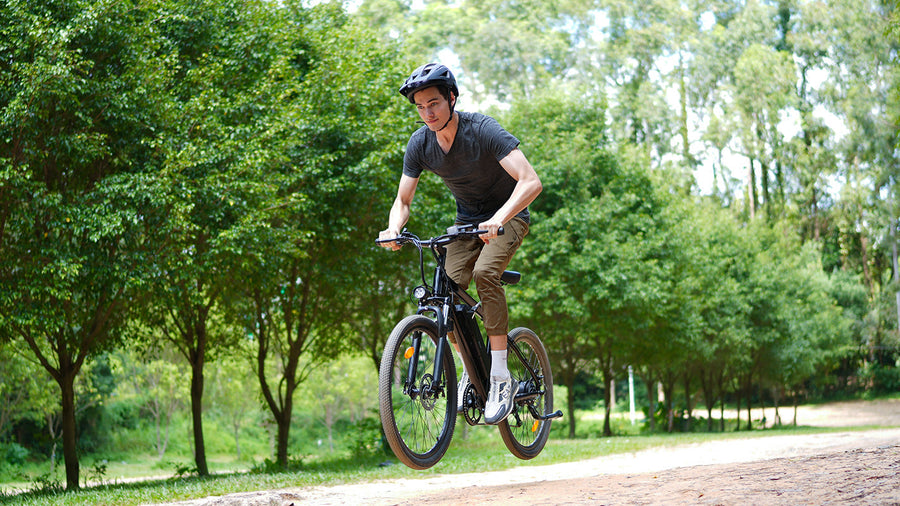
The morning commute doesn't have to mean gridlock, packed trains, or circling car parks. For thousands of UK adults, the answer has been two-wheeled and electric — but which option actually makes sense? Whether you're weighing up an electric scooter UK riders swear by or a bulkier e-bike that promises longer range, the choice comes down to more than speed. It comes down to your life. This article breaks down the real-world differences between electric scooters and electric bikes for UK commuters — covering cost, portability, range, terrain, and the standout models available from iScooter in 2026 — so you can make the right call before spending a penny. At first glance, both options solve the same problem: getting from A to B without a car or a sweaty cycle. But they're fundamentally different machines built around different priorities. An electric bike is a pedal-assist bicycle with a motor, usually 20–30 kg, designed for cycle paths and roads. In the UK, compliant e-bikes can be used without licence or insurance if they meet EAPC rules and cut off at 15.5 mph. They offer good range but are bulky and rarely fully foldable. An electric scooter in the UK is more compact and portable. Private use is restricted to private land, with rentals allowed in trial areas, but they’re valued for their lightweight, foldable design and easy urban mobility. The headline differences: Interest in the best electric scooter UK keeps rising—and it reflects how people actually commute. Most urban trips are under 5 miles, well within a scooter’s range, making it a practical alternative to cycling. Unlike e-bikes, scooters let you arrive sweat-free, skip cycling gear, and avoid parking or theft concerns. A lightweight electric scooter UK model also fits easily into daily routines: it folds in seconds, can go on trains or buses, and stores neatly under a desk or seat. For multi-modal commuters, that flexibility is key—scooter to the station, train to the city, then scooter to work, with no friction in between. There’s also a mindset shift. E-bikes still feel like cycling, which puts some people off. Scooters feel simpler and more modern, lowering the barrier to entry and appealing to everyone from students to professionals to older riders looking for easy, low-impact travel. When you break down the total cost of ownership, electric scooters win comfortably for most urban commuters. iScooter's range starts at accessible price points — well below the average e-bike — without compromising build quality. Their models are designed for adults who commute regularly, not occasional weekend riders, which means the components are selected for durability and daily use. Charging an electric scooter costs pence per session. With most iScooter models consuming under 500Wh per full charge, you're looking at roughly 10–15p per charge at current UK electricity rates. Over a year of daily commuting, the difference versus an e-bike (which uses a larger battery) is modest — but it's another point in the scooter's favour. E-bikes have more moving parts — derailleurs, chain systems, larger brake assemblies, hydraulic components on higher-end models. A scooter's simpler drivetrain means fewer things to go wrong and lower service costs. iScooter designs prioritise user-serviceable parts and clear maintenance guidance. This is where the gap widens significantly. London flats, terraced houses without garages, and open-plan offices all present the same challenge: where do you put a 26 kg bicycle? The answer for most people is: with difficulty. A foldable iScooter takes up no more space than a large backpack when stored vertically. Here’s a clear, no-fluff breakdown of how e-bikes and electric scooters actually compare for everyday UK use: Factor Electric Bike (E-Bike) Electric Scooter Range per charge 40–70 miles (varies with assist level & terrain) 15–40 miles (depends on model, rider weight & surface) Best use case Long commutes (20+ miles each way) Typical urban commutes (3–10 miles each way) Top speed (real-world) ~15–25 mph in city riding ~15–25 mph depending on model Ride feel in traffic Stable, more “bicycle-like” Nimble, quick in stop-start traffic Handling rough roads Strong advantage (bigger wheels, better shock absorption) Improving fast with pneumatic tyres + suspension Urban practicality Needs parking & bike locking Foldable, portable, easy storage indoors E-bikes win on range and rough terrain, but for short UK city commutes, modern electric scooters are more than capable. The real difference is lifestyle: stability and distance versus portability and convenience. iScooter has built its reputation around practical, commuter-first design. Every model in their current lineup is engineered specifically for adults who need reliability, not novelty. Image Model Price £198.99 £298.99 £438.99 £678.99 Motor 350W 500W 800W 2000W Max Range 18.6 mi 24.8 mi 25 mi 50 mi Top Speed 18.6 mph 21.7 mph 25 mph 38 mph Battery 7.5Ah 10.4Ah 10Ah 17.5Ah Suspension None Front/Rear Front/Rear Front/Rear Wheel Type Honeycomb Honeycomb Pneumatic Pneumatic Weight Capacity 100kg 120kg 120kg 150kg Net Weight 12kg 15.45kg 22kg 33.5kg Climb Ability 15% 20% 25% 35% APP Tuya MiniRobot MiniRobot MiniRobot The iScooter i9 Foldable Electric Scooter for Adults with 350W Motor and Lightweight 12kg Frame is designed for city travel and mixed commutes. At just 12 kg, it’s easy to carry on trains or store under a desk, while still offering up to 18.6 miles of range for daily urban routes. The iScooter i9Max Electric Scooter for Adult Commuters with 500W Motor and Dual Suspension and the iX3 Off-Road Electric Scooter for Adults with 800W Motor step things up with improved ride comfort and extended range up to 25 miles. They’re better suited to riders covering 10–20 miles a day or dealing with uneven UK roads. The iScooter iX7Pro High-Performance Electric Scooter for Adults with Dual 2000W Motor Power, Full Suspension, and 50-Mile Range is built for tougher commuting conditions. With its higher ground clearance and robust braking system, it’s a solid choice for year-round UK riding, including wet weather and rougher terrain. There’s no clear winner in the electric scooter vs e-bike debate, but for most UK commuters, electric scooters are more practical day to day. They’re cheaper, lighter, easier to store, and ideal for mixed commutes. E-bikes suit longer rides and rough terrain but cost more and need more space and upkeep. For 2026, the best electric scooter UK commuters need is reliable, genuinely foldable, and built for adults — not toys. iScooter’s range is designed with real British commuting in mind, offering a practical alternative to traffic jams, crowded public transport, and expensive parking. Yes, in most cases. Electric scooters use smaller batteries and require fewer mechanical components, so both charging costs and maintenance expenses tend to be lower. A full charge typically costs under 15p at current UK electricity rates, and the simpler drivetrain means fewer parts to service or replace compared to a bicycle drivetrain. iScooter's foldable models are designed with multi-modal commuting in mind. Folded dimensions vary by model, but most compact scooters are accepted on trains and buses as folded personal items — similar to a folded pushchair or large bag. Always check the specific policies of your train operator before travelling, as rules vary by provider. Charge times vary by model and battery capacity, but most iScooter models reach a full charge in 4–7 hours using the standard charger. Some models support faster charging. Charging overnight is the most convenient approach for daily commuters, ensuring a full battery every morning without any active management. For a 5-mile daily commute, an electric scooter is usually the more practical option. It easily covers the distance, is highly portable—especially if you combine it with public transport—and is generally more affordable. An e-bike becomes more useful mainly for longer rides or tougher terrain. Electric Scooter vs Electric Bike: Key Differences UK Commuters Need to Know
Why More UK Adults Are Choosing an Electric Scooter Over an E-Bike
Cost, Portability & Storage: How iScooter Wins on Practicality
Purchase price
Running costs
Maintenance
Storage at home and work
Speed, Range & Terrain: Honest Comparison for UK Roads
Best Electric Scooter UK 2026: iScooter's Top Models for Every Commuter


For the everyday urban commuter
For longer commutes or heavier riders
For all-weather reliability
Why Electric Scooters Win for Most Commuters
FAQs
Is an electric scooter cheaper to run than an e-bike in the UK?
Can I take an iScooter on the train or bus?
How long does a full charge take?
Is a scooter or e-bike better for a 5-mile daily commute?
iScooter E Scooter Collections:
Electric Scooter | Kids Electric Scooter | Electric Scooter for Adults | Electric Scooter with Seat | Off-Road Electric Scooter | Foldable Electric Scooter | Girls Electric Scooter | 1000W Electric Scooter | 2000W Electric Scooter | Boys Electric Scooter | Dual Motor Electric Scooter | Big Electric Scooter | Electric Scooter with Suspension | Lightweight Electric Scooter | Commuter E-Scooters | 3 Wheel Electric Scooter
Show more ▼iScooter E Bike Collections:
Foldable Electric Bike | Affordable Cheap Electric Bike | Electric Bike for Adults | Electric Motor Bikes | Trek Electric Bike | Fastest Electric Bike | Electric Road Bike | Full Suspension Electric Mountain Bike | Giant Electric Bike | Womens Ladies Electric Bike | Mens Electric Bike | Electric Bike with Throttle | Electric Gravel Bike | Electric Mountain Bike UK | Fat Tyre Electric Bike | Electric Hybrid Bike | Electric Motorised Bike | Electric Push Bike | 1000W Electric Bike | Cool Electric Bikes | Electric Off Road Bike | Pedal Assist Electric Bike | Good Electric Bikes | Small Electric Bike | Trek Electric Mountain Bike | 2000W Electric Bike | Full Suspension Electric Bike | Mini Electric Bike | Road Legal Electric Bike | Step Through Electric Bike
Show more ▼👍 Buying Guide | 🚴♂️ Riding Guide
📋 Feature Guide | ❓ Common problem

Product category
Electric Scooter
Cheap Electric Scooters for Adults | Fastest Electric Scooter | Kids Electric Scooter | Mini Electric Scooter
Electric Bike
U4 Foldable E-bike | EB3S E-MTB
Hoverboards
Electric Scooter for Kids | iK3Pro E-Scooter for Kids | iK7 Height Adjustable Kids E-Scooter






Article tags : Electric Scooter vs Electric Bike UK: Which Is Actually Better for Your Commute? ·
Leave us a message