










How Do I Choose an Electric Bike with the Best Battery for Commuting? Expert Tips & Guide
How to Choose an Electric Bike with the Best Battery for Commuting
Commuting by electric bike has quickly become one of the most convenient, eco-friendly, and cost-effective ways to get around the city. Whether you’re navigating busy streets, tackling hills, or covering longer distances, the battery is the heart of your e-bike, determining how far you can go, how often you need to charge, and how reliable your ride will be.
Choosing an electric bike with the best battery for commuting isn’t just about picking the highest capacity—it’s about finding the right balance between range, weight, lifespan, and overall performance for your daily journey. In this guide, we’ll break down everything you need to know to select a battery that keeps your commute smooth, efficient, and stress-free.
Why Battery Choice Matters for Commuting
The battery is the most important component when it comes to choosing an electric bike for commuting. A high-quality battery allows you to comfortably cover your commute without worrying about running out of power, avoiding the dreaded range anxiety that can disrupt your schedule.
1. Ensures Reliable Daily Performance
A properly chosen battery guarantees that your e-bike can handle daily rides, including hills, traffic, and varying weather conditions. Reliability isn’t just about distance—it’s about consistent performance that keeps your commute smooth and stress-free.
2. Prevents Range Anxiety
Range anxiety is a common concern for e-bike commuters. Choosing a battery with sufficient capacity ensures you can complete your route without the constant worry of running out of charge, even if your commute varies day to day.
3. Reduces Maintenance Costs
An unsuitable or low-quality battery can degrade quickly, requiring frequent replacements or repairs. Investing in a durable, high-performance battery saves money in the long run and avoids logistical headaches associated with breakdowns or frequent charging.
4. Optimizes Cost and Energy Efficiency
A high-quality battery not only provides the power you need but also improves energy efficiency. Efficient batteries reduce electricity consumption, maximize range per charge, and contribute to a more cost-effective daily commute.
5. Supports Long-Term Commuting Needs
Understanding battery specifications, capacity, and lifespan is crucial for making a choice that lasts. A well-chosen battery ensures that your e-bike meets your commuting demands reliably day after day, giving you peace of mind and a sustainable transportation solution.
Types of Electric Bike Batteries
Choosing the right battery is one of the most critical steps when selecting an electric bike for commuting. Your battery affects your range, reliability, and overall performance on a daily basis. Today, the majority of e-bikes rely on Lithium-ion (Li-ion) batteries, thanks to their lightweight design, high energy density, and long lifespan.
Lithium-ion (Li-ion) Batteries: The Standard for Commuters
Lithium-ion batteries are the most common type used in modern e-bikes. They offer a high energy-to-weight ratio, meaning you get longer ranges without adding unnecessary bulk to your bike. Their efficiency and durability make them ideal for daily commuting, whether you’re traveling short city routes or longer suburban distances.
Lithium Polymer (LiPo) Batteries: High Performance
Lithium Polymer batteries are a variation of Li-ion technology designed for high power output and compact form factors. They are lightweight and provide strong acceleration, making them a popular choice for performance-oriented e-bikes. LiPo batteries are especially useful if your commute involves frequent starts, stops, or hilly terrain.
Lithium Iron Phosphate (LiFePO4) Batteries: Safety and Longevity
Lithium Iron Phosphate batteries prioritize safety, thermal stability, and a longer lifecycle. While slightly heavier than standard Li-ion batteries, LiFePO4 options deliver consistent performance over many charge cycles. This makes them a reliable choice for commuters who value durability and low maintenance.
Why Older Battery Types Are Rarely Used
Older technologies like lead-acid or nickel-metal hydride batteries are now uncommon in e-bikes. They are heavier, less efficient, and have shorter lifespans, which makes them impractical for daily commuting. For most riders, Li-ion and its variants remain the best choice for range, reliability, and convenience.
Key Battery Specs to Consider
1. Capacity (Watt-hours – Wh)
The battery’s capacity directly affects how far your e-bike can travel on a single charge. A 400Wh battery is generally sufficient for most city commutes, while a 500Wh or higher battery is ideal for longer distances, hilly routes, or faster rides.
2. Range Requirements
Calculate your round-trip distance and always include a 25–50% buffer for battery degradation over time, inclines, wind, and variations in riding style. This ensures you won’t run out of power mid-commute.
3. Removability
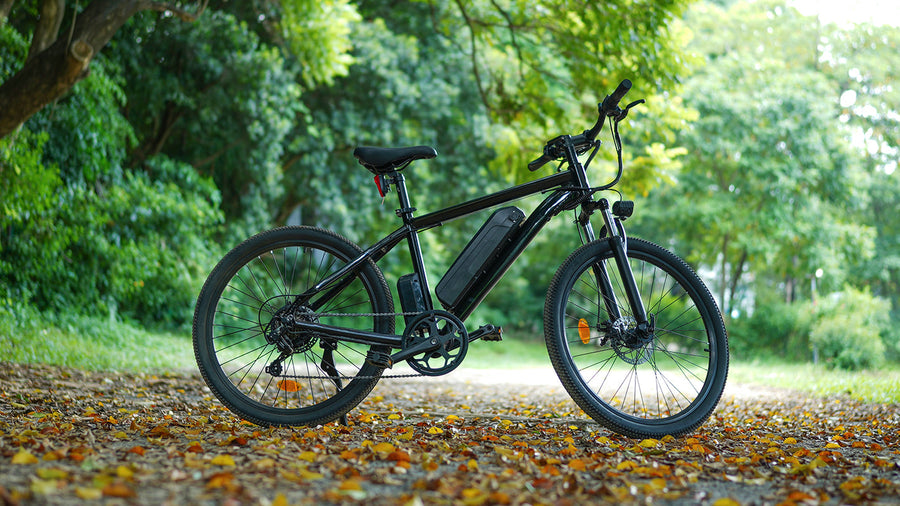
A removable battery is a must-have for many commuters. It allows you to easily charge the battery at work or home, keeps it safe from theft, and makes it more convenient if you need to store your bike in small spaces.
4. Charging Time
Look for batteries that fully charge in 3–6 hours, so you can top up overnight or during a long day without waiting excessively for your next ride.
5. Weight vs. Power
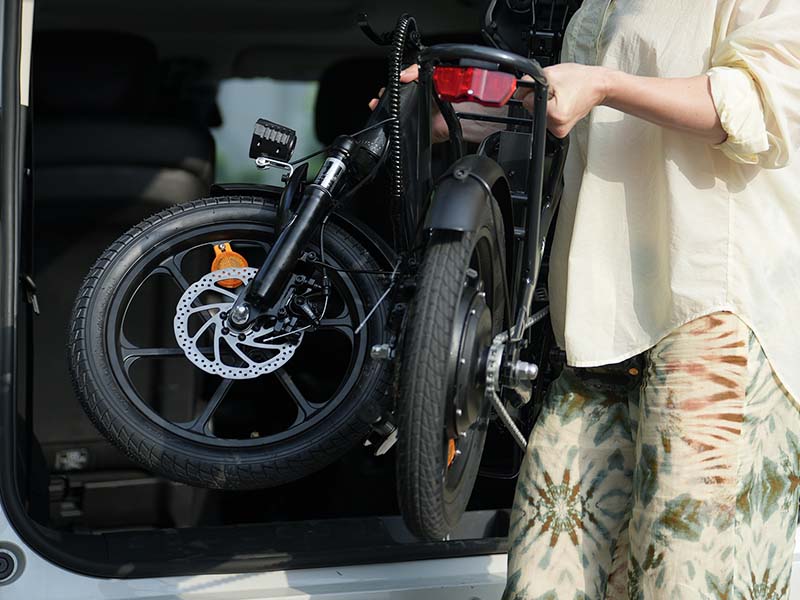
High-capacity batteries (e.g., 600Wh or more) provide extended range but add extra weight, which can make your bike harder to carry or maneuver. Finding the right balance between range and portability is crucial for an efficient commuter e-bike.
Charging Tips for Commuters
Proper charging is essential for maximizing your electric bike battery life and ensuring a safe, reliable commute. Follow these key tips to get the most out of your e-bike battery.
1. Charge to 80–90% for Daily Use
For everyday commuting, it’s best to charge your e-bike battery to around 80–90% rather than fully to 100%. Charging to full capacity regularly can stress the battery and reduce its lifespan over time.
2. Avoid Deep Discharges Below 20%
Never let your battery drain below 20%. Deep discharges can shorten battery life and decrease long-term performance, leaving you at risk of running out of power mid-commute.
3. Store in a Cool, Dry Area
Temperature and humidity directly affect battery health. Keep your battery in a cool, dry location, away from direct sunlight or damp environments, to prevent damage and maintain efficiency.
4. Use Only the Original Charger
Always use the charger provided by the manufacturer. Third-party chargers can overheat the battery, cause inefficient charging, or even pose safety risks.
5. Avoid Overnight Charging
Charging your battery overnight can lead to overcharging, which reduces lifespan and may increase overheating risks. Charge your e-bike when you can monitor it safely.
6. Charge on a Non-Flammable Surface
Always place your battery on a non-flammable surface, such as a ceramic tile or concrete floor, while charging. This precaution minimizes fire hazards in case of overheating.
Other Features that Complement Battery Choice
When choosing an electric bike for commuting, the battery is crucial, but several other features can make your daily ride smoother, safer, and more practical. Paying attention to these aspects ensures you get the most out of your e-bike and that your commute is efficient and hassle-free.
Motor Power
While a 250W motor is usually sufficient for flat city streets, riders who frequently encounter hills or carry extra weight may benefit from higher torque motors. A more powerful motor not only improves acceleration but also ensures the battery works efficiently, maintaining consistent performance throughout your commute.
Practicality
Commuting isn’t just about getting from point A to B; it’s about comfort and convenience. Look for bikes with integrated lights for safety during early mornings or late evenings, mudguards to stay dry in wet conditions, and a rear rack to carry work gear, groceries, or a backpack without compromising balance. These features make your e-bike a versatile daily commuter.
Security
Protecting your investment is essential. E-bikes with built-in locks or compatibility with high-quality aftermarket locks provide added peace of mind, especially if you park your bike outdoors or in shared spaces. Choosing a secure bike reduces the risk of theft while ensuring your battery and other components remain safe.
Top Tips for Choosing the Best Battery for Your Commute
Choosing the right electric bike battery for your daily commute is essential to ensure a smooth and reliable ride. The best e-bike battery for commuting balances range, weight, performance, and cost, allowing you to cover your route without worrying about running out of power. Below are the key factors to consider when selecting the perfect battery for your commuter e-bike.
1. Match Battery Capacity to Your Commute Distance
The battery capacity, measured in watt-hours (Wh), determines how far your e-bike can travel on a single charge. For daily commuting, choose a battery that covers your route with at least a 20–30% buffer to account for detours, traffic, and changes in terrain. This helps prevent “range anxiety” and ensures a worry-free ride.
2. Consider Terrain and Motor Power
If your commute includes hills, rough roads, or frequent stop-and-go traffic, a higher-voltage or higher-capacity battery will provide consistent performance. Pairing the right battery with a compatible motor ensures your e-bike can handle inclines and maintain speed without draining the battery too quickly.
3. Balance Weight and Portability
Larger batteries offer more range but also add weight, which can affect handling, storage, and ease of carrying your e-bike. Removable batteries are ideal for commuters, allowing you to charge at home or at work without bringing the entire bike inside.
4. Check Lifespan and Warranty
A commuting battery will undergo frequent charging cycles, so longevity is crucial. Look for batteries rated for many charge cycles and backed by a reliable manufacturer warranty. This ensures your investment lasts for years of daily rides without significant loss of performance.
5. Factor in Cost vs. Benefits
Higher-capacity batteries may have a higher upfront cost, but they often deliver better long-term value due to durability and reliability. Consider your daily needs and budget to select a battery that provides the best combination of performance, range, and cost-effectiveness.
By following these tips, you can confidently choose the best electric bike battery for commuting, ensuring reliable power, reduced range anxiety, and an enjoyable daily ride.
Conclusion
Choosing the right battery is key when selecting an electric bike for commuting. The ideal battery fits your daily route and terrain, reduces range anxiety, and ensures a smooth, reliable ride every day. Investing in a high-quality battery makes your commute efficient, convenient, and stress-free.
iScooter E Scooter Collections:
Electric Scooter | Kids Electric Scooter | Electric Scooter for Adults | Electric Scooter with Seat | Off-Road Electric Scooter | Foldable Electric Scooter | Girls Electric Scooter | 1000W Electric Scooter | 2000W Electric Scooter | Boys Electric Scooter | Dual Motor Electric Scooter | Big Electric Scooter | Electric Scooter with Suspension | Lightweight Electric Scooter | Commuter E-Scooters | 3 Wheel Electric Scooter
Show more ▼iScooter E Bike Collections:
Foldable Electric Bike | Affordable Cheap Electric Bike | Electric Bike for Adults | Electric Motor Bikes | Trek Electric Bike | Fastest Electric Bike | Electric Road Bike | Full Suspension Electric Mountain Bike | Giant Electric Bike | Womens Ladies Electric Bike | Mens Electric Bike | Electric Bike with Throttle | Electric Gravel Bike | Electric Mountain Bike UK | Fat Tyre Electric Bike | Electric Hybrid Bike | Electric Motorised Bike | Electric Push Bike | 1000W Electric Bike | Cool Electric Bikes | Electric Off Road Bike | Pedal Assist Electric Bike | Good Electric Bikes | Small Electric Bike | Trek Electric Mountain Bike | 2000W Electric Bike | Full Suspension Electric Bike | Mini Electric Bike | Road Legal Electric Bike | Step Through Electric Bike
Show more ▼👍 Buying Guide | 🚴♂️ Riding Guide
📋 Feature Guide | ❓ Common problem

Product category
Electric Scooter
Cheap Electric Scooters for Adults | Fastest Electric Scooter | Kids Electric Scooter | Mini Electric Scooter
Electric Bike
U4 Foldable E-bike | EB3S E-MTB
Hoverboards
Electric Scooter for Kids | iK3Pro E-Scooter for Kids | iK7 Height Adjustable Kids E-Scooter








Article tags :
Leave us a message