










Why iScooter Builds 2-Wheel Electric Scooters (Not 3 or 4) for Adults
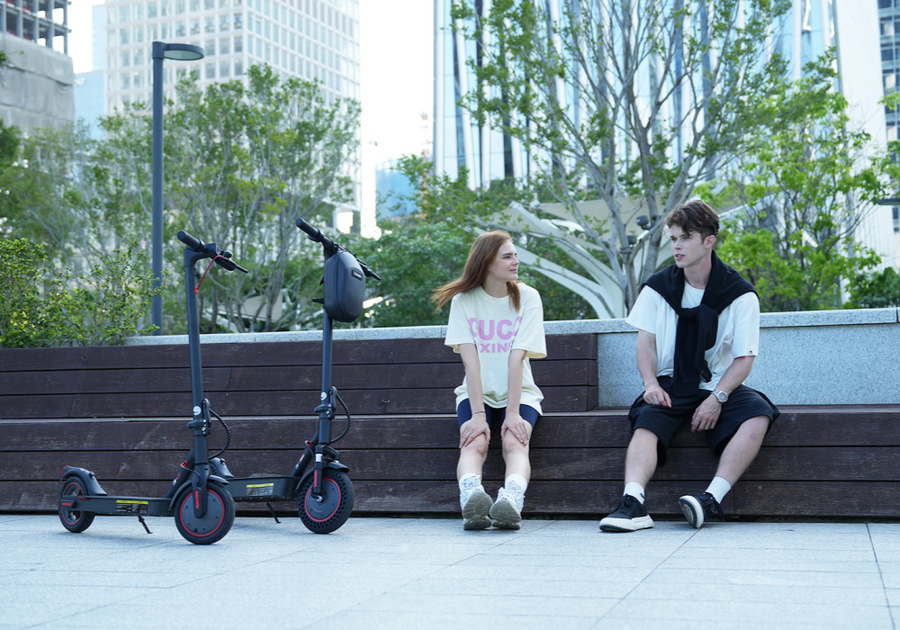
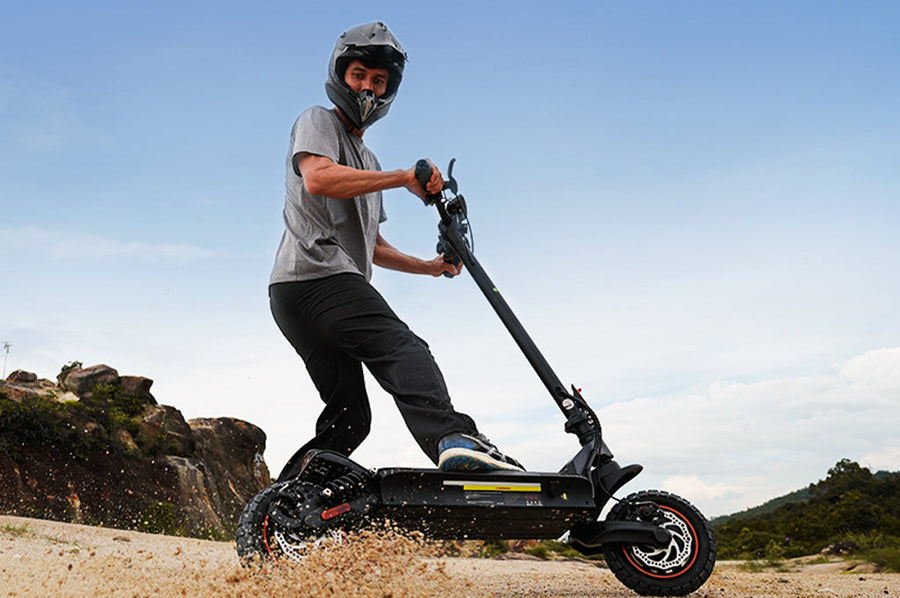
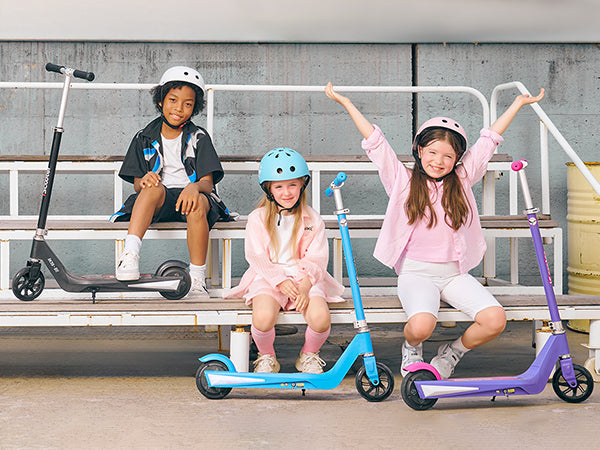
If you've spent any time browsing electric scooters, you've probably noticed that most serious adult models stick to two wheels. Three and four-wheel versions do exist, mostly aimed at younger riders or people who want extra hand-holding while they learn. So why does a 2 wheel electric scooter for adults remain the standard once you're past the learning stage? The short answer is balance, weight, and how the scooter actually behaves once it's moving. Below, we'll walk through the engineering logic, compare it fairly against 3 and 4-wheel layouts, and explain why wheel size is usually the detail that matters more for comfort. Almost every first-time buyer asks some version of the same thing: "wouldn't more wheels mean more stability?" It's a reasonable instinct. A table with four legs feels sturdier than one with two, after all. But a scooter isn't a static object. It's a vehicle that leans, turns, and shifts weight constantly while you ride it, and that changes the physics quite a bit. A two wheeler electric scooter relies on the rider's own sense of balance to stay upright, the same way a bicycle does. That might sound like a downside, but it's actually the feature that makes the whole platform work the way adults expect it to. Every model iScooter makes, from the compact i8 up through the larger iX-series machines, follows the same two-wheel layout. That's not an accident or a cost-cutting shortcut, it's a deliberate choice tied to how adults actually use these scooters. A two wheel electric scooter for adults can lean into turns the way a bike does, which makes cornering feel natural rather than clumsy. It also keeps the footprint narrow, so the scooter tracks in a straight line without wobbling over uneven ground. Riders who've used both kick scooters and bikes tend to pick this up almost immediately, because the balance and steering feel familiar rather than foreign. There's a knock-on benefit to the two-wheel format that doesn't get talked about enough: portability. A two-wheel deck folds down into a slim, narrow shape, which is exactly why iScooter models are built to collapse in a single motion and stand upright on their own once folded. Add a third or fourth wheel and that folding mechanism gets more complicated, the folded footprint gets wider, and the whole unit gets heavier for no real gain once you're past the beginner stage. If you've ever tucked a scooter into a car boot, hallway cupboard, or under a desk, you'll know why a slim, foldable frame matters more than it sounds. Not really, once you're an adult with some riding experience. Three and four-wheel scooters are genuinely useful for young children and very early beginners, because they remove the balancing act almost entirely, the rider can stand still without tipping over. But that same trait becomes a limitation for adults. Extra wheels widen the base, which makes leaning into a turn awkward instead of instinctive, and it adds weight and mechanical complexity without a matching improvement in ride quality. Most adults who try a 3-wheel model after riding a standard two-wheel scooter describe the steering as stiffer and less responsive which is exactly why iScooter has never built one for its adult range. Here's the detail that actually changes how a ride feels: wheel size and tire type, not the number of wheels. iScooter's entry-level i8 and i9 use 8.5-inch pneumatic tires, which keep the scooter light and easy to carry. Step up to the iX-series and you'll find larger 10-inch pneumatic or honeycomb off-road tires paired with front-and-rear suspension. That combination absorbs bumps, cracks, and loose gravel far more effectively than a smaller wheel can, which is why a large wheel electric scooter for adults tends to feel noticeably smoother over rougher ground. If you're comparing models side by side, our full lineup comparison breaks down tire size, suspension, and range across every current scooter, so you can match the wheels to the terrain you'll actually be covering. New riders sometimes assume a two-wheel scooter will be intimidating, but most find the opposite is true after the first few minutes. Because the deck is narrow and the wheels sit in a single line, steering responds the moment you shift your weight, there's no lag or extra resistance to fight against. Keeping both feet planted, knees slightly bent, and eyes up (rather than staring down at the wheels) tends to get most beginners riding confidently within a single short session. It also means the skills carry over cleanly if you've ever ridden a bike or a traditional kick scooter, since the balance mechanics are nearly identical. For riders planning to spend more time off smooth, flat ground, iScooter also stocks models specifically built around electric scooter all terrain wheels, larger, knobblier tires paired with reinforced suspension for parks, trails, and uneven paths. You can browse that full range in the off-road electric scooter collection, where tire size and suspension setup are listed for each model so you can pick the right fit for where you'll actually be riding. No. Every model in the current iScooter adult lineup, from the i8 through the iX7Pro, uses a standard two-wheel layout. Three and four-wheel formats are more common on scooters designed for young children, where extra wheels help compensate for a rider who hasn't developed full balance yet. The iX-series models use 10-inch pneumatic or honeycomb off-road tires, which are larger than the 8.5-inch tires found on the entry-level i8 and i9. The bigger wheels are paired with front-and-rear suspension for a smoother ride over uneven ground. It varies by rider, but most people who've ever ridden a bike or a kick scooter pick up the balance within their first short session. Starting on flat, open ground with both feet planted and knees slightly bent tends to speed things up considerably.
The wheel-count question every new buyer eventually asks
2 wheel electric scooter for adults: why iScooter's whole range uses this format
Balance, portability and folding: what 2 wheels makes possible
Would a 3 or 4 wheel design actually be better for stability?
How wheel size (not wheel count) affects ride comfort on iScooter models
What beginners find easiest about a standard 2-wheel layout
An electric scooter built around all-terrain wheels
FAQs
Does iScooter make any 3-wheel or 4-wheel adult electric scooters?
Which iScooter models have the largest wheels?
How long does it typically take a new rider to feel steady on two wheels?
iScooter E Scooter Collections:
Electric Scooter | Kids Electric Scooter | Electric Scooter for Adults | Electric Scooter with Seat | Off-Road Electric Scooter | Foldable Electric Scooter | Girls Electric Scooter | 1000W Electric Scooter | 2000W Electric Scooter | Boys Electric Scooter | Dual Motor Electric Scooter | Big Electric Scooter | Electric Scooter with Suspension | Lightweight Electric Scooter | Commuter E-Scooters | 3 Wheel Electric Scooter
Show more ▼iScooter E Bike Collections:
Foldable Electric Bike | Affordable Cheap Electric Bike | Electric Bike for Adults | Electric Motor Bikes | Trek Electric Bike | Fastest Electric Bike | Electric Road Bike | Full Suspension Electric Mountain Bike | Giant Electric Bike | Womens Ladies Electric Bike | Mens Electric Bike | Electric Bike with Throttle | Electric Gravel Bike | Electric Mountain Bike UK | Fat Tyre Electric Bike | Electric Hybrid Bike | Electric Motorised Bike | Electric Push Bike | 1000W Electric Bike | Cool Electric Bikes | Electric Off Road Bike | Pedal Assist Electric Bike | Good Electric Bikes | Small Electric Bike | Trek Electric Mountain Bike | 2000W Electric Bike | Full Suspension Electric Bike | Mini Electric Bike | Road Legal Electric Bike | Step Through Electric Bike
Show more ▼👍 Buying Guide | 🚴♂️ Riding Guide
📋 Feature Guide | ❓ Common problem

Product category
Electric Scooter
Cheap Electric Scooters for Adults | Fastest Electric Scooter | Kids Electric Scooter | Mini Electric Scooter
Electric Bike
U4 Foldable E-bike | EB3S E-MTB
Hoverboards
Electric Scooter for Kids | iK3Pro E-Scooter for Kids | iK7 Height Adjustable Kids E-Scooter





Article tags :
Leave us a message