










Discover the Best Way to Avoid Traffic in Spring UK – Stress-Free Commutes
How to Avoid Traffic in Spring: UK Travel Guide
As spring arrives across the UK, brighter weather brings busier roads, heavier congestion, and longer journey times. If you’re looking for how to avoid traffic in spring, relying on a car isn’t always the smartest option.
This UK travel guide explores practical ways to beat spring traffic, including the growing use of e-scooters and e-bikes as faster, more flexible alternatives. For many commuters, electric micromobility is quickly becoming one of the best ways to avoid traffic in spring UK.
Why Spring Traffic Peaks in the UK
Spring is one of the busiest times on UK roads, driven by a combination of seasonal travel habits, public holidays, and widespread roadworks. As the weather improves, traffic volumes rise sharply across cities, motorways, and regional routes.
Increased Leisure Travel and Day Trips
Warmer temperatures encourage more people to travel for leisure, including weekend breaks, countryside trips, and coastal visits. Families, tourists, and local travellers all take advantage of longer daylight hours, adding significant pressure to already busy roads—especially on Fridays and Sundays.
Easter and Spring Bank Holiday Getaways
Spring traffic peaks coincide with major holiday periods such as Easter and bank holidays. During these times, millions of extra vehicles join the road network, often travelling at the same time as regular commuter traffic. This leads to severe congestion on key routes, including motorways, ring roads, and popular tourist corridors.
Roadworks and Infrastructure Projects Resume
Spring also marks the return of large-scale roadworks after winter. Utility repairs, resurfacing projects, and infrastructure upgrades are commonly scheduled between March and May. Lane closures, temporary traffic lights, and reduced speed limits create bottlenecks that slow traffic even further.
Commuter Traffic Meets Seasonal Demand
Despite the seasonal travel surge, daily commuting patterns remain unchanged. When leisure travel, roadworks, and commuter traffic overlap, congestion becomes unavoidable—particularly during morning and evening rush hours in major UK cities.
Best Way to Avoid Traffic in Spring UK: Rethink Your Daily Transport
Spring traffic in the UK can be unpredictable and one of the best ways to avoid traffic in spring UK is not just adjusting when you travel—but rethinking how you travel. By combining smarter timing, modern technology, and alternative transport options such as e-scooters and e-bikes, you can significantly reduce delays and travel stress.
Timing Your Journey to Avoid Spring Traffic
Choosing the right time to travel is still essential, even if you are trying to avoid peak congestion.
Peak Times to Avoid
-
Thursdays: 1:00 p.m. – 7:00 p.m.
-
Fridays: 11:00 a.m. – 6:00 p.m.
-
Saturdays: 9:00 a.m. – 2:00 p.m.
-
Sundays: 10:00 a.m. – 3:00 p.m.
These periods often coincide with commuter traffic, weekend getaways, and increased shopping or leisure travel.
Best Times to Travel
Early mornings, particularly between 5:30 a.m. and 6:45 a.m., are usually the quietest. For short to mid-range journeys, using an e-scooter or e-bike during these calmer hours can help you move quickly through towns and cities without being affected by road congestion.
Utilise Technology for Smarter Spring Travel
Technology plays a key role in finding the best way to avoid traffic in spring UK.
-
Use apps like Google Maps or Waze for real-time traffic updates and rerouting.
-
Check National Highways, Traffic England, Traffic Wales, or Traffic Scotland for road closures and planned construction.
-
When riding an e-bike or e-scooter, these tools can also help you identify cycle-friendly routes that avoid busy roads entirely.
Alternative Transport & Smarter Planning
Reducing your reliance on cars can make a noticeable difference during spring.
-
Combine multiple errands into one trip to reduce unnecessary journeys.
-
Consider rail or coach travel for longer distances, while using an e-scooter or e-bike for the first and last mile.
-
For daily commuting, e-scooters and e-bikes offer a flexible, time-efficient alternative that avoids traffic jams and parking issues altogether.
Driving Conditions and Spring Travel Preparation
Spring weather in the UK can change quickly and often contributes to traffic delays.
-
Sudden showers reduce visibility and slow traffic flow—ensure wipers and tyres are in good condition.
-
Expect heavier traffic around coastal towns, national parks, and popular tourist destinations.
-
If possible, switch to an e-bike or e-scooter, which allows you to bypass congested roads and stay on the move even during busy periods.
How E-Scooters Help You Avoid Traffic in Spring
Spring may bring better weather, but it also brings heavier traffic across the UK. As roads become busier with commuters and seasonal travel, many people start looking for the best way to avoid traffic in spring UK—making e-scooters a smart and efficient alternative.
A Faster Way to Avoid Traffic in Spring UK
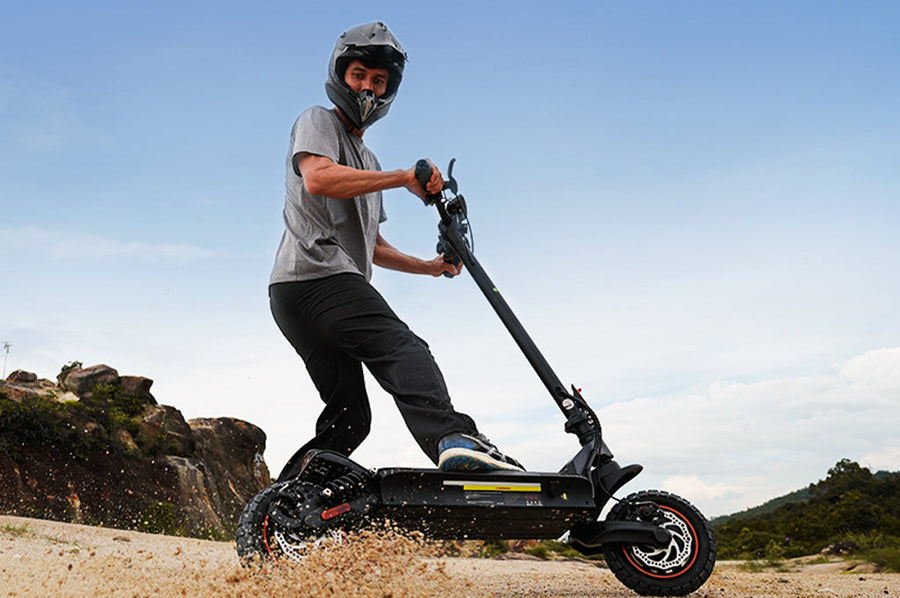
E-scooters are one of the most effective ways to avoid traffic in spring UK, particularly in busy urban areas where congestion increases as the weather improves. With more commuters, tourists, and seasonal roadworks on the roads, traditional transport options often lead to delays. E-scooters provide a fast, flexible, and eco-friendly alternative to cars, buses, and overcrowded public transport.
Bypass Urban Congestion and Gridlock
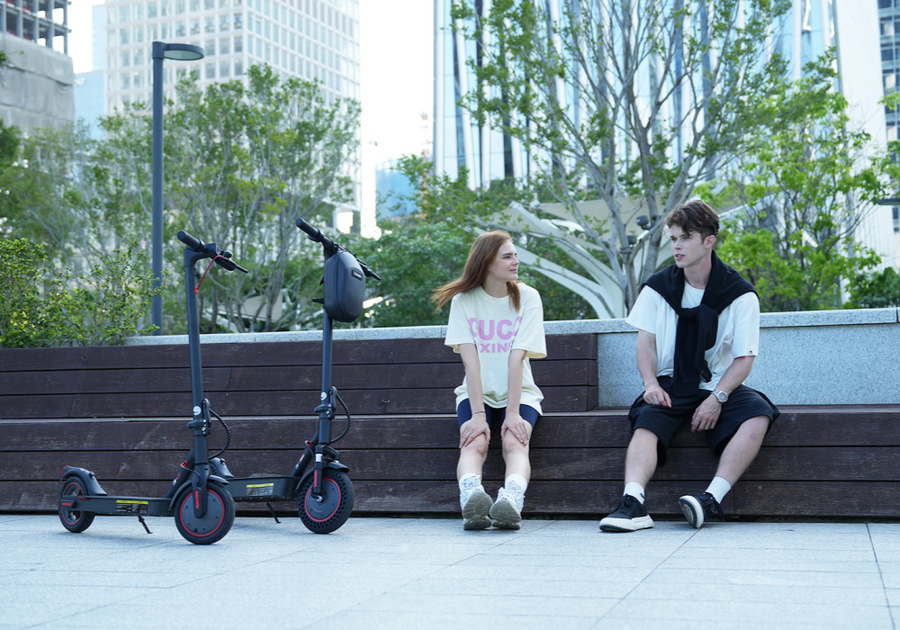
Unlike cars, e-scooters can navigate cycle lanes, shared paths, and quieter side streets, allowing riders to bypass traffic jams completely. This makes them ideal for spring commuting, when stop-start traffic becomes more common in city centres. By avoiding main roads and peak congestion points, e-scooters help reduce travel time and daily commuting stress.
Easy Parking and Door-to-Door Convenience
Parking becomes more difficult in spring as cities grow busier. E-scooters remove this challenge by requiring minimal parking space and allowing riders to stop close to their final destination. This door-to-door convenience saves time and makes e-scooters especially useful for short daily trips, errands, and work commutes.
Ideal for 2–8 Mile Spring Commutes
For journeys between 2 and 8 miles, e-scooters offer an ideal balance of speed and practicality. They are quick enough to compete with cars in urban traffic while remaining lightweight and easy to store at home or in the workplace. This makes them a reliable solution for spring travel in cities and surrounding suburban areas.
A Cost-Effective and Eco-Friendly Spring Travel Option
With rising fuel prices and congestion charges across the UK, e-scooters provide a cost-effective alternative for spring commuting. They also produce zero emissions, supporting sustainable travel while helping riders avoid traffic in spring UK in a smarter, greener way.
Why E-Bikes Are One of the Best Ways to Avoid Traffic in Spring UK
Spring brings heavier traffic across the UK, making daily travel slower and more stressful. For commuters looking for the best way to avoid traffic in spring UK, e-bikes offer a fast, flexible, and efficient alternative—helping riders bypass congestion and move through busy streets with ease.
E-Bikes Help You Bypass Spring Traffic Congestion
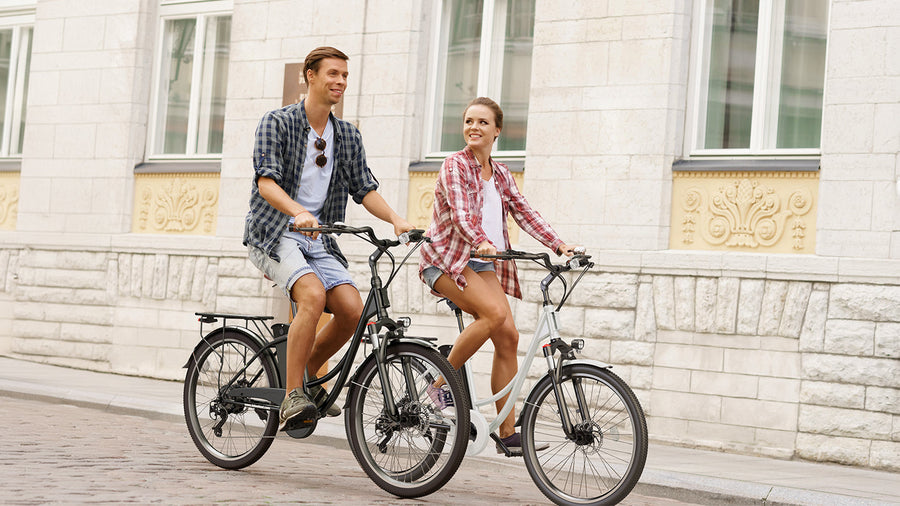
E-bikes are one of the best ways to avoid traffic in spring UK, particularly as roads become increasingly congested with commuters, tourists, and seasonal roadworks. Unlike cars that are forced to crawl through queues, e-bike riders can move smoothly past traffic, take advantage of cycle lanes, and maintain consistent journey times even during peak hours.
Faster and More Predictable Commute Times
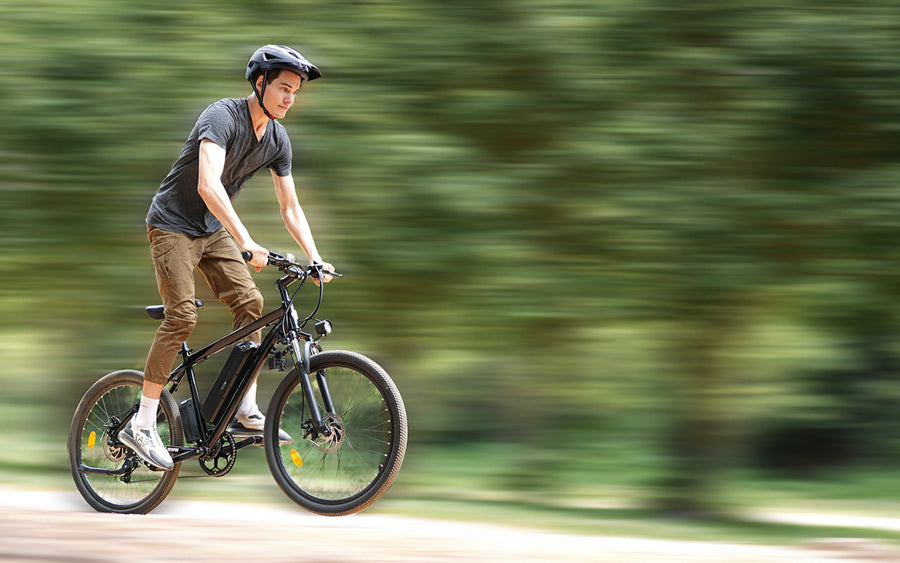
Spring traffic in the UK is often unpredictable, but e-bikes offer a reliable alternative. With electric assistance providing steady speed and momentum, riders can avoid stop-start delays and arrive faster than cars or public transport. This makes e-bikes ideal for urban commutes where consistency and efficiency matter most.
Sweat-Free Riding for Everyday Spring Travel
Thanks to electric pedal assistance, e-bikes deliver a sweat-free commuting experience, even over longer distances or hilly routes. Riders can travel comfortably in spring weather without worrying about arriving tired, making e-bikes a practical choice for work, errands, and daily travel.
Use Cycle Lanes and Traffic-Free Routes
E-bikes allow riders to use dedicated cycle lanes, shared paths, and low-traffic neighbourhoods that are unavailable to cars. This increased route flexibility helps commuters avoid bottlenecks, navigate around urban gridlock, and shorten overall travel time during busy spring months.
Eco-Friendly and Cost-Effective Alternative to Cars
In addition to saving time, e-bikes are an environmentally friendly way to avoid traffic in spring UK. They produce zero emissions, reduce fuel and parking costs, and support cleaner, less congested cities. For commuters looking to cut expenses while improving travel efficiency, e-bikes offer a smart long-term solution.
Combining Public Transport with E-Scooters or E-Bikes
Combining public transport with e-scooters or e-bikes is a smart way to avoid spring traffic in the UK, especially for last-mile travel. It reduces reliance on cars, saves time, and makes commuting through busy city centres faster and more flexible.
Why E-Scooters and E-Bikes Solve the Last-Mile Problem
Combining public transport with e-scooters or e-bikes is one of the best ways to avoid traffic in spring UK, particularly for commuters travelling into congested urban areas. Public transport often gets riders close to their destination—but not quite there. E-scooters and e-bikes bridge this gap by providing a fast, flexible last-mile solution, helping commuters avoid busy roads, delays, and overcrowded car parks.
How Micromobility Reduces Spring Traffic Delays
Spring traffic in the UK increases due to roadworks, tourism, and school holidays. By switching to e-scooters or e-bikes after leaving a train or bus, commuters can bypass congestion hotspots entirely. This approach reduces reliance on cars, shortens journey times, and lowers commuting costs, making it an efficient alternative during peak spring travel periods.
Shared E-Scooters and E-Bikes Near Transport Hubs
In many UK cities, shared e-scooter and e-bike schemes are strategically located near train stations, bus terminals, and park-and-ride facilities. These services integrate smoothly with public transport and are ideal for short trips, especially in city centres where traffic congestion is highest in spring.
Restrictions on Private E-Scooters on UK Transport
Commuters should be aware of current regulations when combining transport modes. In London, private e-scooters are largely banned on Transport for London (TfL) services due to fire safety concerns related to lithium-ion batteries. This includes the London Underground, buses, and most TfL-managed transport. As a result, private e-scooter users may need to consider folding e-bikes, shared e-scooter schemes, or alternative routes when commuting within the capital.
Planning Ahead for Different UK Regions
Outside London, rules around carrying e-scooters and e-bikes on public transport can vary by operator and region. Checking local policies in advance helps ensure a smooth commute. With proper planning, combining public transport with e-scooters or e-bikes remains a cost-effective, low-stress, and traffic-free way to travel during the busy spring months in the UK.
Best Spring Travel Times Still Matter (Even with E-Mobility)
Even when using e-scooters or e-bikes, timing your travel can make a huge difference in avoiding traffic in the UK during spring. Seasonal spikes, such as Easter holidays and bank holidays, significantly increase congestion on major roads and city streets. Planning your trips around these peak periods ensures a smoother, faster, and less stressful journey.
Optimal Travel Windows:
-
Before 9:00 a.m.: Early commuters enjoy lighter traffic on major routes and city centres, making e-scooters and e-bikes even more effective for door-to-door travel.
-
After 5:00 p.m.: Evening travel avoids the worst of the afternoon rush hour, especially on urban roads where congestion often lasts well into the early evening.
-
Ultra-Early Morning (5:30 a.m. – 6:45 a.m.): For longer journeys or trips during high-demand periods, leaving very early allows you to beat both road and public transport congestion.
By combining smart travel times with e-scooters or e-bikes, you can navigate crowded areas more efficiently, reduce stress, and enjoy a more reliable commute or leisure ride. Even short trips can become faster when you avoid peak traffic, making micromobility a practical spring solution for both city and suburban travel in the UK.
Tips to Stay Safe When Riding in Spring
Spring brings warmer weather and longer days, but it also comes with unique safety challenges for riders. To stay safe while riding an e-scooter or e-bike in spring UK, it’s essential to adjust your riding habits and prepare your vehicle properly.
1. Slow Down on Wet or Slippery Roads
Spring often brings rain showers that leave roads slick. Reduce your speed, especially on bends, and allow extra time for braking to maintain control.
2. Increase Following Distances
Give yourself more space between vehicles, pedestrians, and other cyclists. Wet roads and sudden stops are more common in spring, so extra distance reduces the risk of collisions.
3. Watch for Road Debris
After winter, streets may still contain sand, salt, leaves, or small stones. Scan the road ahead carefully and avoid sudden swerves to maintain stability on your e-scooter or e-bike.
4. Stay Alert for Pedestrians and Cyclists
Spring encourages more people outdoors. Expect higher pedestrian and cyclist traffic in city streets, parks, and shared paths, and anticipate their movements to avoid accidents.
5. Wear Bright and Reflective Gear
Visibility is crucial in spring’s variable weather. Use brightly colored clothing and reflective jackets, helmets, or accessories to make yourself more noticeable to motorists and other riders.
6. Protect Against Sun Glare
Early morning and late afternoon sun can impair vision for both riders and drivers. Sunglasses and helmet visors help reduce glare, while staying extra cautious at intersections is essential.
7. Maintain Your Tires and Vehicle
Check that tires are properly inflated and in good condition. Worn tires can reduce traction on wet roads. For e-bikes or e-scooters, ensure lights, brakes, and electrical components are functioning correctly.
8. Check Wiper Blades and Vehicle Essentials
If your commute involves cars for part of your journey, ensure wiper blades are replaced if worn. Spring showers can appear suddenly, and clear visibility is key to safe riding.
By following these spring riding safety tips, you can confidently enjoy your e-scooter or e-bike commute, reduce the risk of accidents, and make the most of UK spring weather.
Conclusion
The best way to avoid traffic in spring UK is to plan smart, travel outside peak hours, and consider alternatives like e-scooters or e-bikes. Combining flexible routes, real-time traffic apps, and spring riding safety tips helps you save time, reduce stress, and enjoy a smoother commute.
FAQs
What are traffic calming techniques in the UK?
Traffic calming techniques in the UK include speed bumps, chicanes, road narrowing, raised crossings, and roundabouts. These measures are designed to reduce vehicle speed, improve safety, and protect pedestrians in residential and busy urban areas.
What time is traffic the worst in the UK?
Traffic in the UK is typically worst during weekday mornings (7–9 AM) and evenings (4–7 PM), especially on commuter routes and near city centres. Spring and holiday periods can make congestion even heavier.
What is the 2 second rule in driving in the UK?
The 2 second rule advises keeping at least a two-second gap between your vehicle and the one in front. This ensures enough stopping distance to react safely, particularly in wet or slippery conditions.
Is it better to accelerate or brake on ice?
On icy roads, it is better to brake gently and avoid sudden acceleration. Slow, steady movements help maintain control, reduce skidding, and improve safety for drivers in winter or spring conditions.
iScooter E Scooter Collections:
Electric Scooter | Kids Electric Scooter | Electric Scooter for Adults | Electric Scooter with Seat | Off-Road Electric Scooter | Foldable Electric Scooter | Girls Electric Scooter | 1000W Electric Scooter | 2000W Electric Scooter | Boys Electric Scooter | Dual Motor Electric Scooter | Big Electric Scooter | Electric Scooter with Suspension | Lightweight Electric Scooter | Commuter E-Scooters | 3 Wheel Electric Scooter
Show more ▼iScooter E Bike Collections:
Foldable Electric Bike | Affordable Cheap Electric Bike | Electric Bike for Adults | Electric Motor Bikes | Trek Electric Bike | Fastest Electric Bike | Electric Road Bike | Full Suspension Electric Mountain Bike | Giant Electric Bike | Womens Ladies Electric Bike | Mens Electric Bike | Electric Bike with Throttle | Electric Gravel Bike | Electric Mountain Bike UK | Fat Tyre Electric Bike | Electric Hybrid Bike | Electric Motorised Bike | Electric Push Bike | 1000W Electric Bike | Cool Electric Bikes | Electric Off Road Bike | Pedal Assist Electric Bike | Good Electric Bikes | Small Electric Bike | Trek Electric Mountain Bike | 2000W Electric Bike | Full Suspension Electric Bike | Mini Electric Bike | Road Legal Electric Bike | Step Through Electric Bike
Show more ▼👍 Buying Guide | 🚴♂️ Riding Guide
📋 Feature Guide | ❓ Common problem

Product category
Electric Scooter
Cheap Electric Scooters for Adults | Fastest Electric Scooter | Kids Electric Scooter | Mini Electric Scooter
Electric Bike
U4 Foldable E-bike | EB3S E-MTB
Hoverboards
Electric Scooter for Kids | iK3Pro E-Scooter for Kids | iK7 Height Adjustable Kids E-Scooter






Article tags :
Leave us a message