








Electric MTB UK: A Plain-English Guide to iScooter's Electric Mountain Bike Range
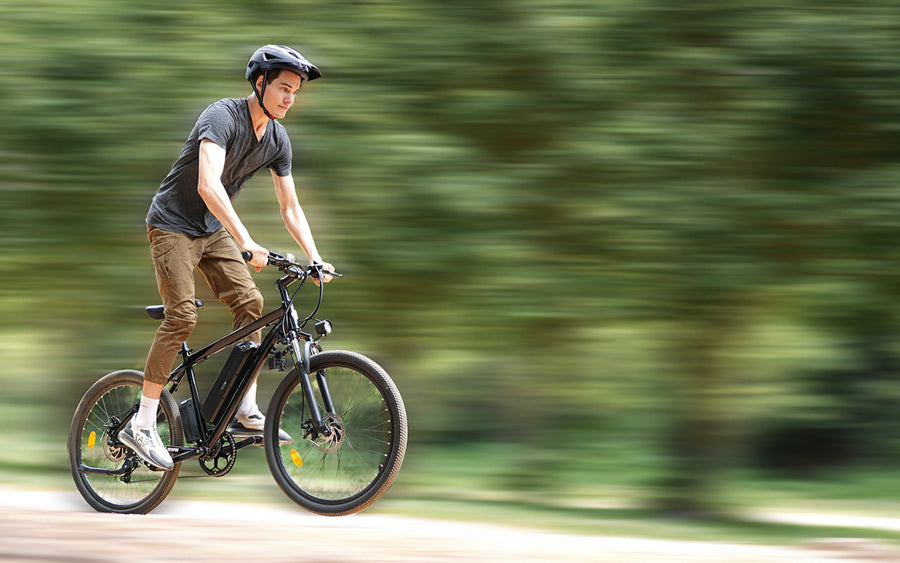
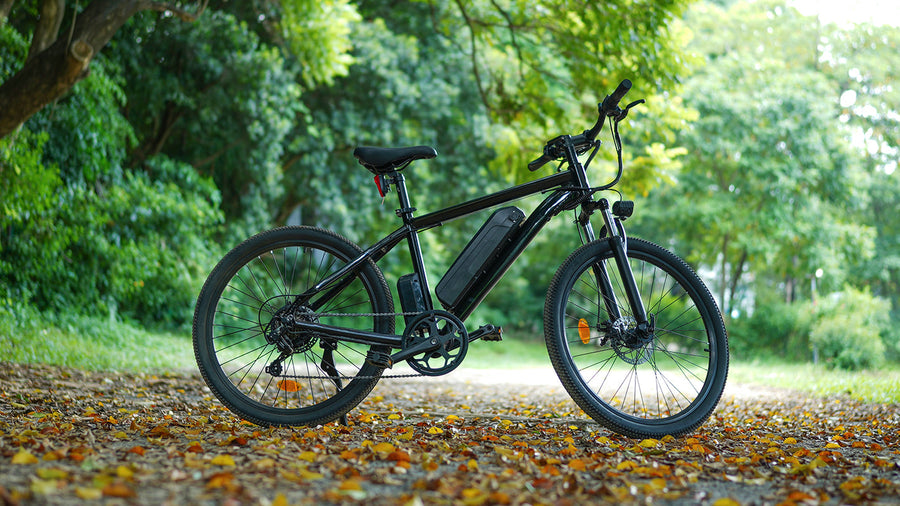
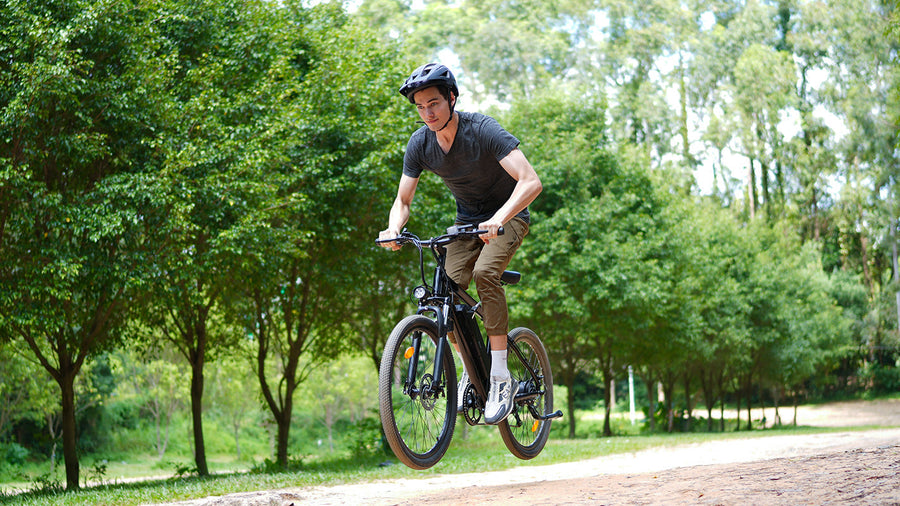
If you've been comparing listings for an electric mtb uk shoppers actually rate well, you've probably hit the same wall most people do: every page throws watts, volts and "peak range" numbers at you before anyone explains what those numbers mean for an actual ride. This guide skips the spec-sheet overload and walks through what makes a bike an electric MTB in the first place, how iScooter's EB3S and M50 differ, and who each one is really built for. Not every e-bike with knobbly tyres earns the "mountain" label. A true electric MTB needs three things: frame geometry built for standing pedal strokes, tyres wide enough to grip loose ground, and suspension that can absorb repeated impacts without throwing you off balance. A standard commuter e-bike might survive a gravel path once in a while, but its frame and tyres aren't built for repeated abuse. An adult electric mountain bike worth the name pairs a fork that soaks up roots and ruts with a low-mounted battery that keeps handling stable once the trail gets uneven. Every electric MTB UK rider can legally use it on public bridleways and trails built as an EAPC (Electrically Assisted Pedal Cycle). That means the motor only adds power while you're pedalling, and assistance cuts out once you hit 15.5mph, after that, it's down to your own legs, same as any pushbike. Motor power is usually quoted as a rated figure with a higher peak output for short bursts, like tackling a steep climb. Battery capacity is measured in watt-hours (Wh), and this is the number that actually tells you how far you'll get, not the "max range" figure alone, since that's almost always measured under ideal, flat, low-assist conditions. Assist levels let you dial in how much help the motor gives on top of your pedalling. Lower settings stretch the battery further on long rides; higher settings help on climbs or when you're carrying extra gear. Most riders end up switching between two or three levels depending on the terrain rather than sticking to one setting all day. This is also where a lot of mountain ebikes uk buyers compare on paper start to look identical, even when the real-world ride feels very different. Motor and battery numbers only tell part of the story, tyre width, suspension travel and frame geometry do the rest. iScooter's electric mountain bike range currently centres on two closely related models: the EB3S and the M50. Both share the same core setup, a 500W-rated motor, a removable frame-mounted battery and a front suspension fork but they're tuned for slightly different riders. The EB3S runs a 486Wh battery through 26" x 1.95" tyres, which keeps the bike lighter and easier to manoeuvre on mixed gravel, forest tracks and moderate trails. It's the more budget-friendly entry point into iScooter's off-road lineup, and our in-depth EB3S review breaks down how it handles on real UK terrain. The M50 steps things up with chunkier 27.5" x 2.3" tyres, which give noticeably more grip and cushioning on rockier or rutted ground. That extra tyre volume adds a bit of weight, but it pays off once the trail stops being smooth. If you want the full breakdown, our M50 trail review covers how it copes with weekend rides across varied ground. Neither model is trying to be a downhill race bike. Both sit firmly in the "capable weekend trail bike" bracket rather than competing with specialist enduro machines which is exactly what most riders shopping among e-mtb bikes uk retailers stock are actually looking for. Electric mountain bikes generally come in two structural types: hardtail, with suspension only at the front fork, and full-suspension, with a second shock absorbing impacts at the rear wheel too. Here's how the two compare: Hardtail Full-suspension Suspension Front fork only Front fork + rear shock Weight Lighter Heavier Maintenance Simpler, less to service More components to maintain Cost More affordable Pricier Best suited to Packed trails, gravel, moderate off-road terrain Rough, rocky, high-speed descents For the kind of forest tracks, canal paths and bridleways most UK riders actually cover, a well-built hardtail like the EB3S or M50 does the job without the added cost and complexity of a full-suspension setup. Pedal assist Throttle control How it works Motor boosts your effort while you're pedalling Motor moves the bike without you pedalling UK legal category Classed as an EAPC: road and trail legal like a standard bicycle Not classed as an EAPC: falls under a stricter, separate legal category Workout involved Yes, proportional to how hard you pedal None Used on the EB3S / M50 Yes No If you're weighing up whether this setup suits your riding style, our guide on UK e-bike laws covers exactly where the legal lines sit and what riders commonly get wrong. For most riders exploring UK trails at weekends, wanting help on climbs, and not looking to compete, models like the mountain electric bikes for adults in iScooter's range strike a reasonable balance between capability and cost. Our buyer's guide covering what to actually check before buying is worth a read if you're still deciding between models or brands Choosing between e-mtb uk options, or any electric mtb bike uk listing more broadly, comes down to matching the bike to the ground you'll actually ride, not the ground you imagine riding once a year. If you want a lighter, more manoeuvrable bike for gravel and moderate trails, the EB3S is the sensible starting point. If your local trails are rougher and you'd rather have the extra grip, the M50's bigger tyres are worth the small weight trade-off. Either way, both models give you a straightforward way into off-road riding without needing a specialist bike shop's worth of knowledge first. Take a look at the full EB3S and M50 lineup to compare colours, pricing and current availability. Not as a built-in fitted part on either the EB3S or M50, front and rear fenders are typically offered as a separate accessory or bundled in as a free add-on during promotions. Worth checking the current offer on the product page before you buy, since fender inclusion tends to change with sales. iScooter markets both models toward adult riders, and the frame size and power delivery are built with that in mind. UK law sets 14 as the minimum age for riding an EAPC, but younger teenagers are generally better suited to a smaller, lighter bike rather than a full-size adult electric MTB. The EB3S's quoted range reflects close-to-ideal conditions: flat ground, lower assist levels and a lighter rider. On genuinely mixed terrain with hills, mud and higher assist use, expect meaningfully less than the headline figure, plan around the lower end of the range rather than the maximum when working out how far you can ride before needing a recharge.
What actually makes a bike an "electric MTB" rather than a regular e-bike
Electric MTB UK basics: motor, battery and assist levels explained
Motor
Battery
Assist levels
Where the iScooter EB3S and M50 sit in the electric MTB UK market
iScooter EB3S
iScooter M50
Hardtail vs full setup: what changes on rougher ground
Pedal assist vs throttle: how iScooter's e-MTBs are set up
Who an electric MTB actually suits, and who's better off with a standard bike
An electric MTB suits you if you
A standard mountain bike suits you better if you
Getting started
FAQs
Do iScooter e-MTBs come with mudguards as standard?
What's the minimum age recommended for riding an iScooter electric MTB?
What is the realistic battery range on the EB3S over mixed ground?
iScooter E Scooter Collections:
Electric Scooter | Kids Electric Scooter | Electric Scooter for Adults | Electric Scooter with Seat | Off-Road Electric Scooter | Foldable Electric Scooter | Girls Electric Scooter | 1000W Electric Scooter | 2000W Electric Scooter | Boys Electric Scooter | Dual Motor Electric Scooter | Big Electric Scooter | Electric Scooter with Suspension | Lightweight Electric Scooter | Commuter E-Scooters | 3 Wheel Electric Scooter
Show more ▼iScooter E Bike Collections:
Foldable Electric Bike | Affordable Cheap Electric Bike | Electric Bike for Adults | Electric Motor Bikes | Trek Electric Bike | Fastest Electric Bike | Electric Road Bike | Full Suspension Electric Mountain Bike | Giant Electric Bike | Womens Ladies Electric Bike | Mens Electric Bike | Electric Bike with Throttle | Electric Gravel Bike | Electric Mountain Bike UK | Fat Tyre Electric Bike | Electric Hybrid Bike | Electric Motorised Bike | Electric Push Bike | 1000W Electric Bike | Cool Electric Bikes | Electric Off Road Bike | Pedal Assist Electric Bike | Good Electric Bikes | Small Electric Bike | Trek Electric Mountain Bike | 2000W Electric Bike | Full Suspension Electric Bike | Mini Electric Bike | Road Legal Electric Bike | Step Through Electric Bike
Show more ▼👍 Buying Guide | 🚴♂️ Riding Guide
📋 Feature Guide | ❓ Common problem

Product category
Electric Scooter
Cheap Electric Scooters for Adults | Fastest Electric Scooter | Kids Electric Scooter | Mini Electric Scooter
Electric Bike
U4 Foldable E-bike | EB3S E-MTB
Hoverboards
Electric Scooter for Kids | iK3Pro E-Scooter for Kids | iK7 Height Adjustable Kids E-Scooter





Article tags :
Leave us a message