










How much weight can an electric scooter handle for every family member commute 2026?
Introduction
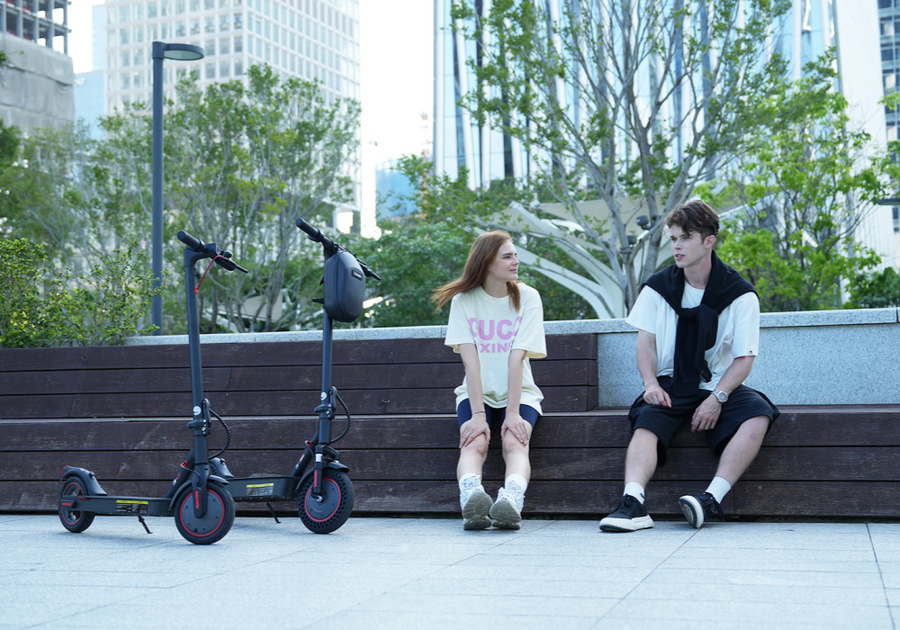
Family commuting can seem simple until the electric scooter becomes unstable, the range drops unexpectedly, or braking takes longer than it should. Often, the root cause is load—not just the rider, but also backpacks, laptop bags, locks, groceries, and even winter clothing.
This guide explains how to match an electric scooter’s weight limit to each family rider with a safety buffer. You’ll also learn how terrain, tires, brakes, and battery habits impact the safe and comfortable load on electric scooters.
Because body sizes vary widely, a practical planning approach matters. The CDC reports that adult obesity prevalence was 41.9% during 2017 to March 2020, which means weight limits are not a niche concern for real-world riders. (CDC)
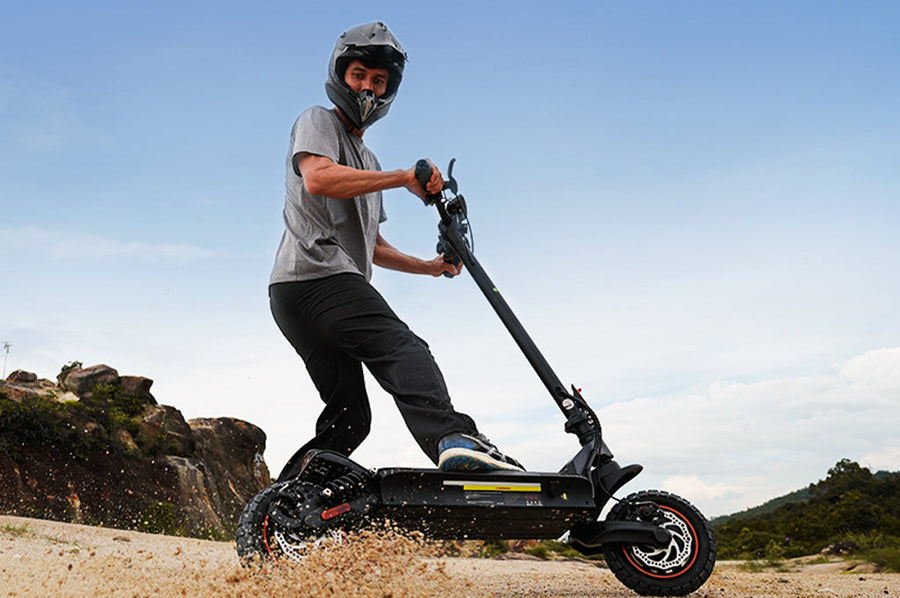
When comparing a compact commuter electric scooter to an off-road electric scooter, the same weight-limit math applies. The difference lies in how much margin the frame, braking system, and tires provide when tackling rougher roads.
Official Site: iScooter
How to match scooter weight limits to each rider
Step 1: List each rider total load

Start by writing down each family rider and their real commuting load. This prevents surprises when the scooter feels slower, runs hotter, or loses range.
Use this simple checklist for each rider:
- Rider body weight.
- Backpack or work bag (include laptop).
- Lock or chain (often heavier than expected).
- Extra items: lunch, water bottle, tools, rain gear.
Next, weigh the add-ons. A luggage scale works well for bags and locks. If you do not have one, step on a bathroom scale with and without the bag, then subtract.
Why this matters: electric scooters are tested under a specific rider load. On the iScooter i8 page, test notes reference rides by a 75 kg rider on flat roads. Heavier riders and heavier cargo reduce real-world range and can increase heat stress on the system. (iscooterglobal.co.uk)
Step 2: Find the scooter load rating

Now find the published maximum rider load (sometimes called load capacity, max payload, or rider maximum load). Use the product specifications, not a review video, because the brand may list different numbers by region.
For the iScooter i8 commuter electric scooter, the listed rider maximum load is 220 lb (100 kg). (iscooterglobal.co.uk)
When you compare models, also note these supporting specs because they influence how load feels:
- Tire type and size (pneumatic tires tend to handle bumps better).
- Braking type (electronic plus a mechanical brake is common on commuters).
- Net weight and dimensions (affects portability, not load, but matters for family sharing).
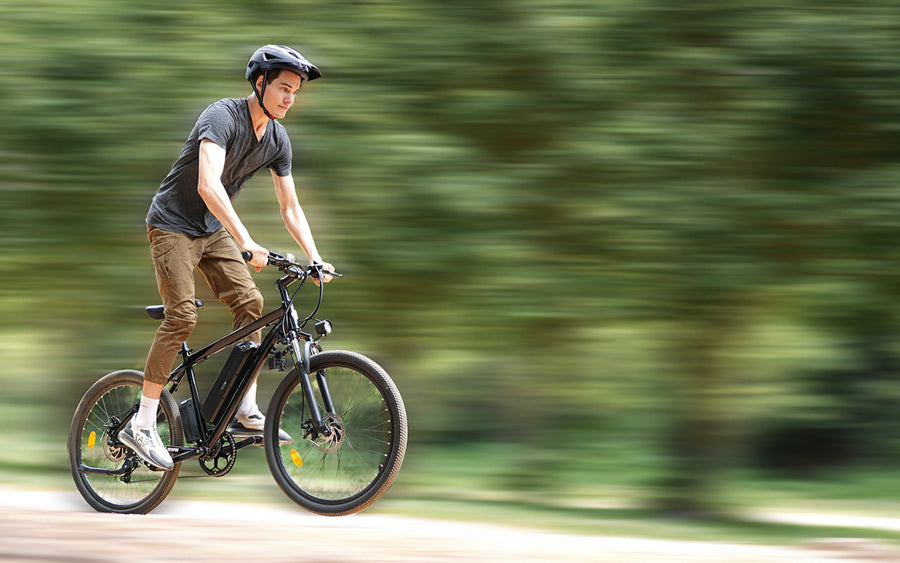
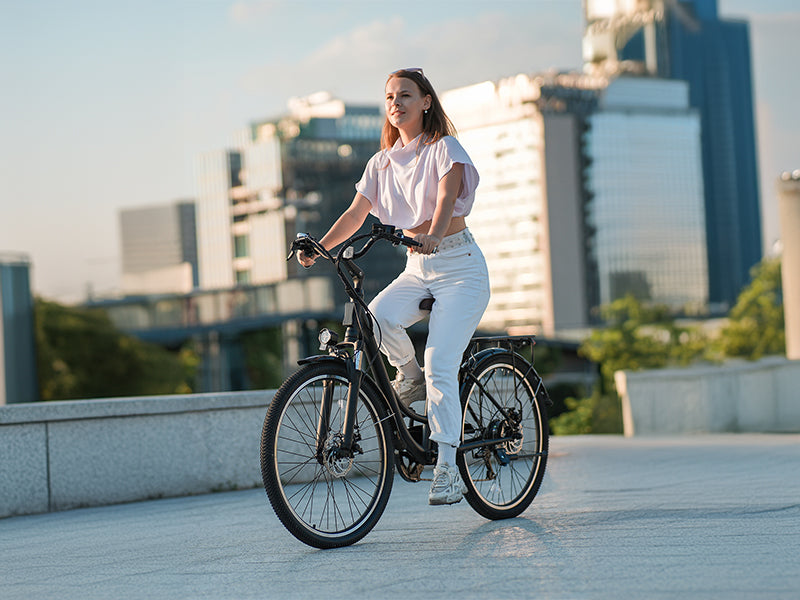
If you are shopping across categories (electric scooters vs. ebike options), do not assume an ebike has the same load rules. Many electric bike frames accept higher payloads, while compact scooters trade capacity for portability.
Step 3: Apply a safety buffer
Published weight limits are not a goal. They are a ceiling under ideal conditions. For family commuting, apply a safety buffer so the scooter stays predictable over potholes, curb cuts, and emergency braking.
A practical buffer you can use:
- Aim for 15% to 25% under the maximum rider load for daily commuting.
- If your route includes rough pavement, wet leaves, or frequent hard stops, use the larger buffer.
Example using the iScooter i8 (220 lb max):
- 15% buffer target load: about 187 lb total.
- 25% buffer target load: about 165 lb total.
This is not about being strict. It is about stability and braking feel. Bumps can briefly multiply forces beyond the static number, especially at higher speed.
Also plan for seasonal changes:
- Winter clothing can add several pounds.
- A heavy lock or charger adds up.
- Grocery pickups can push you over your target.
Step 4: Map riders to scooter tiers
Once you know each rider total load (rider plus gear) and your buffer target, group riders into tiers. This makes it easy to decide whether one scooter can be shared or if two different scooters are a better fit.
A simple tier system:
- Light tier: riders well under the max even after a 25% buffer.
- Medium tier: riders under the max, but only after a smaller buffer.
- Heavy tier: riders near the max or over it after adding gear.
How iScooter fits into this mapping:
- The iScooter i8 is a compact commuter electric scooter with a stated 220 lb (100 kg) load capacity. (iscooterglobal.co.uk)
- If your medium-tier riders are close to the limit, you may want a higher-capacity scooter category, such as an off-road electric scooter design, because it usually pairs capacity with larger tires and stronger suspension.
Important SEO note for shoppers: people often search by model name, so if your family is comparing options, include the exact keywords you see online such as iscooter i9 and electric scooters. You can still make the decision using the same math.
Shop: iScooter i8 Electric Scooter
Step 5: Check commute terrain demands
Weight capacity is only one part of family fit. Terrain is the second part. A rider who is safely under the limit on flat roads can still struggle on steep climbs or rough surfaces.
Audit each commute route:
- Hills: note long climbs vs. short steep ramps.
- Surface: smooth pavement, brick, gravel, patched asphalt.
- Wet risk: puddles, leaf litter, shaded corners.
- Road defects: potholes and curb transitions.
On the iScooter i8 page, the listed hill climbing ability is 15%. That is a useful reference when you plan who should ride which route. (iscooterglobal.co.uk)
Practical setup tips when load is higher:
- Use a lower speed mode on climbs to keep the motor from overheating.
- Start hills with a higher state of charge. Low battery reduces available power.
- Avoid sudden steering inputs on rough pavement because heavier load amplifies wobble.
If your family needs an off-road electric scooter for rough routes, prioritize pneumatic tires, strong brakes, and stable geometry over top speed.
Step 6: Confirm braking and tires

Heavier riders need more traction and more predictable braking. Therefore, tires and brakes should be checked before you assign the scooter to a heavier family member.
Tires:
- Pneumatic tires help absorb bumps and keep the contact patch consistent.
- Check the wheel size. The iScooter i8 lists 8.5-inch pneumatic tires. (iscooterglobal.co.uk)
- Keep tire pressure in the recommended range (use a gauge). Underinflation increases rolling resistance and can cause squirm at speed.
Brakes:
- Identify what brakes your scooter uses and where they act.
- The iScooter i8 specifications list an EBAS electronic brake on the front and a hub brake on the rear. (iscooterglobal.co.uk)
Technique for heavier riders:
- Brake earlier and smoother. A late hard squeeze increases the chance of skidding.
- Keep more following distance than a light rider.
- Avoid braking while turning on wet surfaces.
If you are deciding between electric scooters and an ebike for heavier commuting, note that many e-bikes use larger wheels and stronger braking systems. However, scooter portability can still win for multi-modal commutes.
Step 7: Verify battery and charging habits
Battery planning matters more as rider load increases because range shrinks and voltage sag can reduce hill-climb power. This is where Lithium-ion Battery Technology is still the standard in consumer micromobility.
On the iScooter i8 product specifications, the battery is listed as 36V 5.2Ah (187Wh), with a 4 to 6 hour recharge time, and IP54 water resistance. (iscooterglobal.co.uk)
Daily commuting habits that protect battery health:
- Charge after rides instead of deep-draining repeatedly.
- Let the pack cool for 20 to 30 minutes after a hard ride before charging.
- Store and charge in a dry area with stable room temperature.
About future trends: Solid-State Batteries are frequently discussed as a next step for energy density and safety, and IoT Connectivity features like GPS Tracking and Anti-Theft Systems are becoming more common in the broader electric micromobility market. For family commuting today, focus on safe charging habits, a realistic range plan, and consistent maintenance.
Scenario variations for family commuting
Two riders share one scooter daily
If two riders share one electric scooter, base your plan on the heavier rider and the heavier gear day. Otherwise, the scooter will feel fine for one person and underperform for the other.
Set a routine:
- Recheck tire pressure every 3 to 7 days.
- Use the same charging window each day.
- Keep a shared checklist of items that change weight, like a lock or bag.
Winter commuting with heavier clothing
Cold weather reduces performance and heavy clothing increases load. Together, they can cut real range sharply.
Adjust your plan:
- Use a bigger buffer under the scooter rating.
- Keep trips shorter or plan a mid-day top-up charge.
- Brake earlier because cold, wet roads reduce traction.
Grocery bag add-on weight spikes
Grocery runs are where many riders accidentally exceed their target. A few heavy items can push you past the comfort zone.
Safer approach:
- Limit grocery loads to what fits securely and does not swing.
- Make two lighter trips instead of one heavy trip.
- If you must carry cargo regularly, consider an ebike setup or a scooter accessory designed to stabilize cargo.
What you will need before you start
Required tools and materials
- Bathroom scale: to measure rider weight consistently.
- Luggage scale: to measure backpack, lock, and grocery loads.
- Notepad or phone notes: to record each rider total load and target buffer.
- Tire pressure gauge: to avoid underinflation, which worsens handling under heavier loads.
- Mini pump: to correct pressure quickly before a commute.
- Hex key set: to check stem and handlebar fasteners for looseness.
- Charger: use the correct charger for your model and avoid damaged cords.
Safety considerations
- Wear a helmet and consider extra visibility gear for commuting.
- Do a quick brake check before every ride: roll forward slowly and test both brakes.
- Avoid riding near the published max load when roads are wet or icy.
- Charge in a clear area away from flammables, ideally where a smoke alarm is nearby.
- Stop riding if the scooter develops steering play, wobble, or unusual noises. Those issues get worse faster under higher loads.
Troubleshooting guide
| Problem | Likely cause | Solution |
|---|---|---|
| Range suddenly feels short | Rider total load increased, low tire pressure, or more hills | Re-weigh gear, inflate tires to spec, and plan a route with fewer stops or less climbing |
| Wobble at speed | Load too close to limit, loose stem/handlebar hardware, or uneven tire pressure | Tighten hardware with the correct hex keys, equalize tire pressure, and use a lower speed mode |
| Weak hill climb | High load combined with low charge or headwind | Start climbs at a higher charge level, reduce speed mode, and avoid repeated full-throttle starts |
| Longer stopping distance | Extra load and reduced tire traction | Brake earlier, keep tires properly inflated, and avoid braking while turning on wet surfaces |
| Scooter feels harsh over bumps | Underinflated tires or rough route exceeding commuter design | Correct tire pressure, slow down over defects, or consider an off-road electric scooter category for that route |
Conclusion
Electric scooter weight limits become much easier to manage when you treat them like a family system: measure each rider total load, check the scooter rating, and then apply a realistic safety buffer.
After that, match riders to the right scooter tier, because terrain, braking, and tire setup change how safe the same load feels. Finally, protect the battery with consistent charging habits, since heavier loads reduce range and increase heat.
If you want a lightweight commuter option with a published 220 lb (100 kg) rider maximum load, the iScooter i8 is a clear baseline for planning family assignments.
Official Site: iScooter
FAQ
How much weight can an electric scooter handle for every family member commute? Most electric scooters publish a maximum rider load, but you should plan around total load, which includes the rider plus bags, locks, and any cargo. A good daily-commute target is staying 15% to 25% under the published rating, especially on rough or wet routes. If two riders share one scooter, plan around the heavier rider and the heavier gear day. Recheck weights in winter because extra clothing can push a rider into a higher tier.
What is the average battery life for electric scooters? Battery life depends on pack size, how deeply you drain it, and how often you ride near max power on hills. Heavier loads usually reduce range per charge, and repeated full-throttle starts can add extra heat cycles over time. To extend battery life, avoid storing the scooter at 0% charge and do not charge immediately after a hard ride. Most commuters get better long-term results by charging more often and avoiding deep drains.
How does the electric scooter battery perform in winter? Cold weather usually reduces usable range and can make acceleration feel weaker, especially during the first few minutes of riding. Riders often carry heavier clothing and gear in winter, which further reduces range and increases braking distance. If you must ride in cold conditions, plan shorter trips, slow down on turns, and charge indoors at room temperature. Let the battery warm up through gentle riding before attempting steep hills.
Is an electric scooter good for commuting in the UK? It can be practical for short trips because it is compact, easy to store, and often faster than walking for the last mile. However, you should confirm local rules where you ride, because regulations can change by area and by where the scooter is used. For safe commuting, prioritize lights, reflective clothing, and conservative speed, especially at junctions. A predictable braking setup and properly inflated tires matter more than top speed.
How to Choose an Electric Scooter in the UK? Match the scooter load rating to the heaviest rider total load in your household, then apply a safety buffer for daily use. Compare tire type, braking system, and water resistance, because UK commutes often include wet surfaces and frequent stops. Choose a model that fits your storage needs, since folding and weight affect whether people actually use it daily. Finally, pick a brand with clear after-sales support and a warranty that matches your commuting frequency.
Table of Contents
iScooter E Scooter Collections:
Electric Scooter | Kids Electric Scooter | Electric Scooter for Adults | Electric Scooter with Seat | Off-Road Electric Scooter | Foldable Electric Scooter | Girls Electric Scooter | 1000W Electric Scooter | 2000W Electric Scooter | Boys Electric Scooter | Dual Motor Electric Scooter | Big Electric Scooter | Electric Scooter with Suspension | Lightweight Electric Scooter | Commuter E-Scooters | 3 Wheel Electric Scooter
Show more ▼iScooter E Bike Collections:
Foldable Electric Bike | Affordable Cheap Electric Bike | Electric Bike for Adults | Electric Motor Bikes | Trek Electric Bike | Fastest Electric Bike | Electric Road Bike | Full Suspension Electric Mountain Bike | Giant Electric Bike | Womens Ladies Electric Bike | Mens Electric Bike | Electric Bike with Throttle | Electric Gravel Bike | Electric Mountain Bike UK | Fat Tyre Electric Bike | Electric Hybrid Bike | Electric Motorised Bike | Electric Push Bike | 1000W Electric Bike | Cool Electric Bikes | Electric Off Road Bike | Pedal Assist Electric Bike | Good Electric Bikes | Small Electric Bike | Trek Electric Mountain Bike | 2000W Electric Bike | Full Suspension Electric Bike | Mini Electric Bike | Road Legal Electric Bike | Step Through Electric Bike
Show more ▼👍 Buying Guide | 🚴♂️ Riding Guide
📋 Feature Guide | ❓ Common problem

Product category
Electric Scooter
Cheap Electric Scooters for Adults | Fastest Electric Scooter | Kids Electric Scooter | Mini Electric Scooter
Electric Bike
U4 Foldable E-bike | EB3S E-MTB
Hoverboards
Electric Scooter for Kids | iK3Pro E-Scooter for Kids | iK7 Height Adjustable Kids E-Scooter







Article tags :
Leave us a message